Environmental policies in Tokyo sharehouses represent a fascinating intersection of cultural values, individual psychology, and practical living constraints that often reveal deep-seated patterns of human behavior and social dynamics. Despite widespread awareness of environmental issues and the implementation of comprehensive sustainability guidelines, a significant portion of sharehouse residents consistently disregard these policies, creating tension within communities and undermining collective environmental goals.
The phenomenon of environmental policy non-compliance in shared living spaces extends far beyond simple negligence or lack of awareness, encompassing complex psychological mechanisms, cultural conditioning, economic pressures, and social dynamics that influence individual decision-making processes. Understanding these underlying factors becomes essential for property managers, environmental advocates, and residents themselves to develop more effective strategies for promoting sustainable living practices in diverse international communities.
Cultural Background and Environmental Conditioning
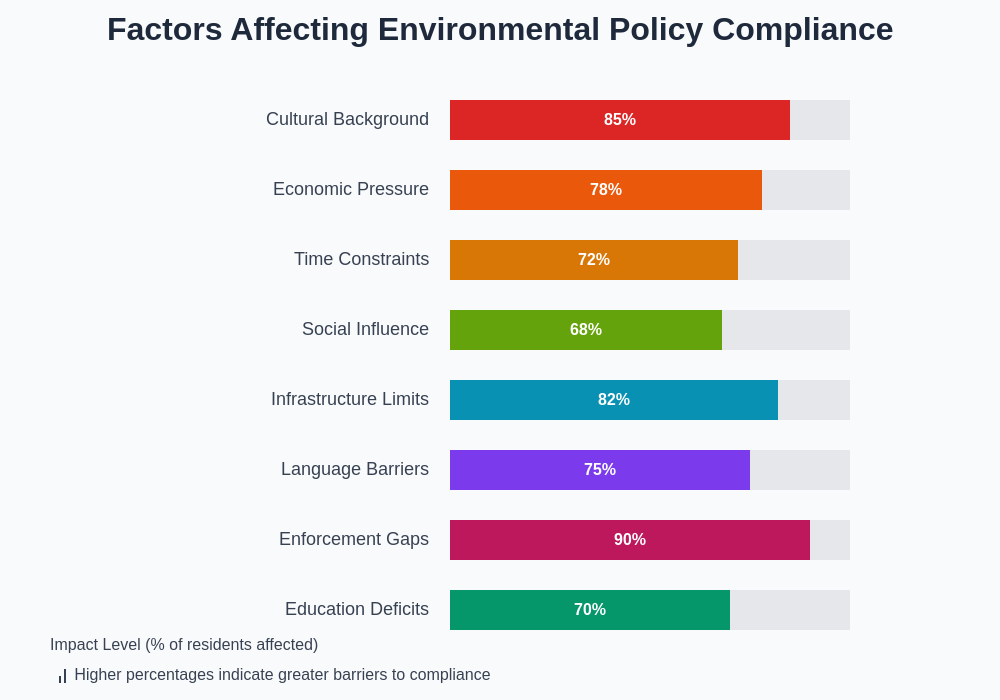
The diverse cultural backgrounds represented in Tokyo sharehouses create a complex web of environmental attitudes and behaviors that often conflict with established house policies and Japanese environmental norms. Residents from countries with different waste management systems, energy conservation practices, and environmental priorities frequently struggle to adapt their ingrained habits to Tokyo’s specific requirements and sharehouse expectations.
Japanese sharehouse rules every foreigner should know highlights how environmental guidelines often represent the most challenging aspect of cultural adaptation for international residents. Countries with less stringent recycling requirements or different energy conservation approaches produce residents who may view Tokyo’s environmental policies as unnecessarily complex or overly restrictive compared to their home country standards.
The generational divide in environmental consciousness also plays a crucial role in policy compliance patterns, with older residents often exhibiting more resistance to new environmental practices while younger residents may demonstrate inconsistent application of environmental knowledge due to competing priorities and lifestyle pressures. These generational differences become particularly pronounced in sharehouses that accommodate diverse age groups with varying levels of environmental education and commitment.
Economic conditioning from different countries influences residents’ perceptions of resource value and conservation necessity, with individuals from resource-abundant regions often displaying less urgency about conservation compared to those from resource-scarce environments. This economic background shapes fundamental attitudes toward waste reduction, energy conservation, and sustainable consumption that prove difficult to modify through policy implementation alone.
Psychological Barriers to Environmental Compliance
The psychological mechanisms underlying environmental policy non-compliance in sharehouses reveal complex patterns of cognitive dissonance, behavioral economics, and social psychology that influence individual decision-making processes beyond conscious environmental awareness. Residents often experience internal conflicts between their stated environmental values and their actual behaviors, creating justification mechanisms that allow continued non-compliance while maintaining positive self-perception.
Temporal discounting represents a significant psychological barrier, where residents prioritize immediate convenience over long-term environmental benefits that feel abstract or distant from their daily experience. How sustainable living practices clash with convenience explores how the psychological preference for immediate gratification consistently undermines environmental policy adherence even among environmentally conscious individuals.
The diffusion of responsibility phenomenon becomes particularly pronounced in shared living environments, where individual residents assume that their personal environmental impact is negligible compared to the collective impact of all residents. This psychological mechanism allows individuals to rationalize non-compliance by believing that their individual actions won’t significantly affect overall house environmental performance or community sustainability goals.
Habit formation and behavioral momentum create additional psychological barriers, as residents develop automated behavioral patterns that resist conscious modification even when environmental awareness increases. The cognitive effort required to constantly evaluate and modify established routines often exceeds residents’ available mental resources, particularly during stressful periods or major life transitions that commonly occur in sharehouse living situations.
Economic Pressures and Cost Considerations
Financial constraints and economic pressures significantly influence residents’ willingness and ability to comply with environmental policies that require additional time, effort, or monetary investment. Living costs in Tokyo sharehouses explained demonstrates how budget limitations often force residents to prioritize immediate financial needs over environmental considerations that may increase short-term costs.
The perceived economic burden of environmental compliance varies dramatically based on residents’ financial situations, with lower-income residents often viewing sustainable products, energy-efficient appliances, and organic food options as luxury items beyond their practical budget constraints. This economic pressure creates a two-tier system where environmental compliance becomes associated with economic privilege rather than universal responsibility.
Time economics also play a crucial role, as environmental practices often require additional time investment for activities like proper sorting, cleaning containers, and researching sustainable alternatives. How bulk shopping changes in shared living illustrates how residents with demanding work schedules or multiple part-time jobs may view environmental compliance as an unaffordable time luxury that conflicts with their survival priorities.
The economic uncertainty that many international residents face in Tokyo creates a survival mindset that prioritizes immediate financial security over long-term environmental goals, leading to decision-making patterns that favor cost-effective convenience over sustainable practices even when residents intellectually support environmental objectives.
Social Dynamics and Peer Influence
The social environment within sharehouses creates complex peer influence patterns that can either reinforce or undermine environmental policy compliance depending on community norms and leadership dynamics. Making friends through Tokyo sharehouse communities reveals how social acceptance often becomes more important than environmental compliance for residents seeking community integration and friendship development.
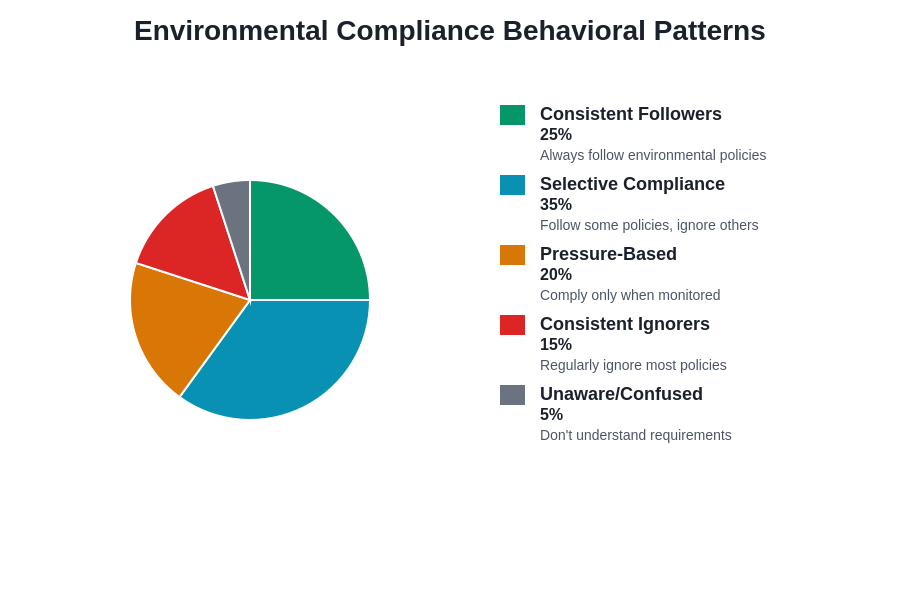
Group conformity effects significantly influence individual environmental behavior, with residents often adapting their compliance levels to match observed house norms rather than following official policies. When influential residents consistently ignore environmental guidelines, their behavior creates permission structures that allow others to justify similar non-compliance without experiencing social consequences or community disapproval.
The bystander effect manifests in environmental contexts where residents witness policy violations but fail to address them due to uncertainty about their role in enforcement, fear of social conflict, or assumption that others will handle the situation. This creates a gradual erosion of environmental standards as minor violations accumulate into major compliance failures without intervention or correction.
Social fragmentation within diverse international communities can prevent the formation of cohesive environmental norms, particularly when language barriers, cultural differences, and varying residence durations create multiple sub-groups with different environmental priorities and compliance expectations. Living with Japanese roommates in Tokyo sharehouses demonstrates how cultural leadership in environmental practices often depends on effective cross-cultural communication and shared value development.
Practical Implementation Challenges
The practical implementation of environmental policies in sharehouses often encounters systemic obstacles that make compliance difficult or impossible regardless of residents’ environmental intentions and commitment levels. Infrastructure limitations, unclear guidelines, and inadequate support systems create structural barriers that undermine individual efforts to follow environmental policies effectively.
Physical space constraints frequently prevent proper implementation of waste sorting, composting, and recycling systems that require dedicated storage areas, specialized containers, and organized workflow patterns. Limited storage forces you to live minimally explores how space limitations create practical conflicts between environmental best practices and available implementation resources within typical sharehouse environments.
Equipment availability and maintenance issues often undermine environmental initiatives when energy-efficient appliances malfunction, recycling containers overflow, or composting systems fail due to inadequate maintenance or user education. These practical failures create negative associations with environmental practices and provide justification for abandoning sustainable behaviors in favor of conventional alternatives.
Information accessibility and language barriers prevent many international residents from fully understanding complex environmental requirements, particularly when policies are communicated only in Japanese or assume cultural knowledge about waste management systems that may be unfamiliar to foreign residents. How translation apps help daily interactions highlights ongoing communication challenges that affect policy compliance across diverse international communities.
Enforcement and Accountability Gaps
The absence of consistent enforcement mechanisms and accountability systems in many sharehouses creates environments where environmental policy violations occur without consequences, gradually normalizing non-compliance and undermining residents who make efforts to follow environmental guidelines. Why security deposits don’t cover actual damages illustrates how financial accountability systems often fail to address environmental policy violations effectively.
Management inconsistency in policy enforcement creates confusion and resentment among residents who observe selective enforcement or unclear consequences for violations. When some residents face penalties while others engage in similar behavior without consequences, the perceived unfairness undermines voluntary compliance and creates adversarial relationships between residents and management.
Peer accountability systems often fail in international sharehouse environments where cultural differences in conflict resolution, authority relationships, and direct communication styles prevent effective self-policing of environmental policies. Residents may recognize violations but lack cultural tools or confidence to address them constructively with housemates from different backgrounds.
The delayed consequences of environmental policy violations create temporal disconnects between actions and outcomes that make it difficult for residents to understand the impact of their behavior or develop effective feedback mechanisms for behavior modification and environmental improvement.
Education and Awareness Deficits
Despite widespread environmental awareness in modern society, many sharehouse residents lack specific knowledge about local environmental requirements, effective sustainable practices, and the connection between individual actions and collective environmental outcomes. How environmental education differs by country demonstrates how educational background variations create knowledge gaps that affect policy compliance regardless of environmental motivation.
The complexity of Tokyo’s waste management and environmental systems often overwhelms residents who struggle to understand the specific requirements, categorization systems, and procedural details necessary for effective compliance. Educational materials that assume prior knowledge or cultural context often fail to provide adequate guidance for international residents navigating unfamiliar environmental systems.
Feedback mechanisms that could help residents understand the environmental impact of their behavior are often absent or inadequate, preventing the development of cause-and-effect understanding that could motivate better compliance. Without visible connections between individual actions and environmental outcomes, residents may view policies as arbitrary bureaucratic requirements rather than meaningful environmental protection measures.
Skill development opportunities for practical environmental implementation are frequently unavailable, leaving residents without the technical knowledge needed to effectively sort waste, conserve energy, or implement sustainable practices in shared living environments that present unique challenges and constraints.
Technology and System Limitations
Technological limitations in many sharehouses prevent the implementation of modern environmental monitoring and management systems that could facilitate easier compliance and provide feedback about environmental performance. How smart home features change daily routines explores how technology gaps create missed opportunities for automated environmental compliance and behavior modification.
Outdated infrastructure in older sharehouse buildings often makes energy conservation and waste management more difficult, requiring residents to work against building systems rather than being supported by them. Inefficient appliances, poor insulation, and inadequate recycling facilities create structural obstacles to environmental compliance that individual effort cannot overcome.
Communication technology gaps prevent effective coordination of environmental initiatives among residents, particularly when language barriers and different technology preferences create fragmented information sharing about environmental policies, procedures, and community initiatives. How social media groups connect sharehouse communities highlights both opportunities and limitations in using technology for environmental coordination.
Data collection and monitoring limitations prevent residents and management from understanding actual environmental impact, identifying improvement opportunities, and recognizing successful environmental initiatives that could be expanded or replicated in other contexts.
Competing Priorities and Life Circumstances
The complex life circumstances of sharehouse residents often create competing priorities that override environmental considerations even among individuals with strong environmental values and commitment. How career changes affect sharehouse eligibility demonstrates how major life transitions frequently disrupt established environmental practices and create periods of reduced compliance.
Academic pressures, work stress, and social obligations consume mental and physical resources that residents might otherwise dedicate to environmental compliance, creating cycles where environmental behavior deteriorates during high-stress periods when residents need to focus energy on immediate survival and success requirements.
Health issues, both physical and mental, can significantly impact residents’ ability to maintain complex environmental routines that require consistent attention and physical effort. How mental health support varies in sharehouses explores how wellness challenges affect various aspects of sharehouse living including environmental participation.
Temporary residence status and uncertainty about future living arrangements can reduce residents’ investment in long-term environmental initiatives when they view their sharehouse stay as a temporary situation rather than a long-term commitment requiring sustained environmental engagement.
Solutions and Intervention Strategies
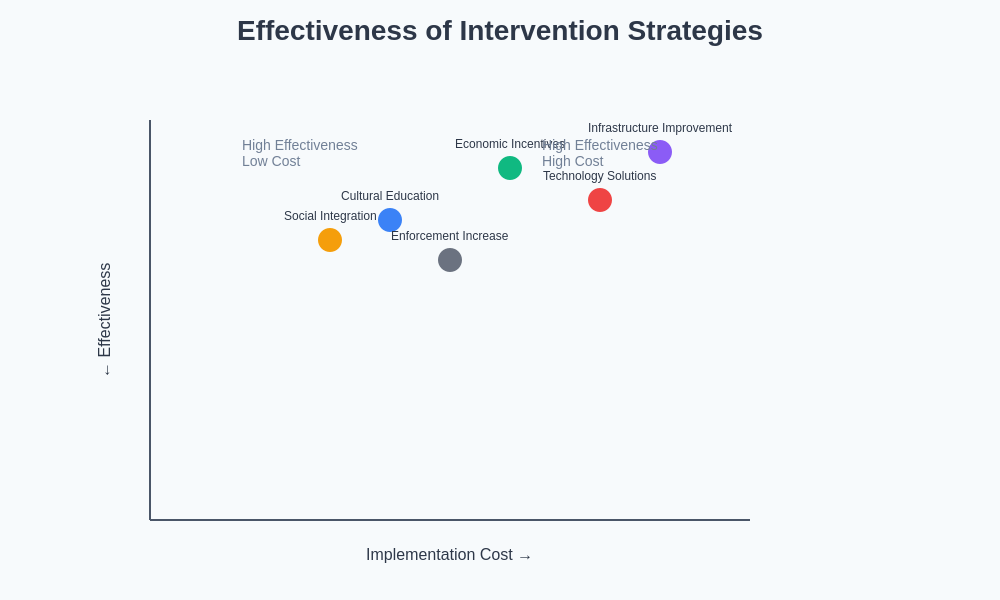
Addressing environmental policy non-compliance requires comprehensive approaches that acknowledge the complex interplay of cultural, psychological, economic, and practical factors that influence resident behavior. Successful interventions typically combine education, infrastructure improvements, social incentives, and systematic support rather than relying solely on policy enforcement or individual motivation.
Cultural bridge-building initiatives that connect environmental practices to residents’ cultural values and backgrounds can create more meaningful engagement with sustainability goals while respecting diverse environmental traditions and approaches. How cultural sensitivity develops through daily interaction provides frameworks for developing culturally responsive environmental programs.
Economic incentive structures that align environmental compliance with financial benefits can overcome economic barriers by making sustainable behavior financially advantageous rather than costly. Group purchasing programs, utility sharing systems, and deposit incentives can create economic motivations for environmental compliance that complement moral and social motivations.
Community-building approaches that integrate environmental activities into social events and friendship development can leverage social motivations to support environmental goals while addressing residents’ needs for community connection and cultural exchange. How conflict resolution styles differ by culture offers insights into developing culturally appropriate approaches to environmental community building.
The path toward improved environmental compliance in sharehouse communities requires understanding that environmental behavior emerges from complex interactions between individual psychology, cultural background, economic circumstances, and social dynamics rather than simple awareness or policy implementation. Effective solutions must address these multiple dimensions simultaneously while recognizing that sustainable behavior change requires time, support, and systematic approaches that accommodate the diverse needs and constraints of international residents navigating life in Tokyo’s challenging urban environment.
Disclaimer
This article is for informational purposes only and does not constitute professional advice on environmental policy implementation or behavioral modification. The observations presented are based on general patterns in sharehouse living and may not apply to all situations or individuals. Readers should consult with environmental professionals and property management experts when developing environmental policies or addressing compliance issues. Individual circumstances and cultural factors significantly influence environmental behavior and policy effectiveness.