Security protocols in Tokyo sharehouses exist for crucial reasons, yet a surprising number of residents consistently ignore these essential safety measures, creating risks that extend far beyond their personal circumstances. The phenomenon of security protocol violation represents a complex intersection of cultural misunderstanding, convenience prioritization, and psychological factors that manifest differently across diverse international communities living in shared accommodation environments.
Understanding why residents dismiss security measures requires examining the multifaceted nature of human behavior in communal living situations, where individual actions directly impact collective safety and well-being. Japanese sharehouse rules every foreigner should know establishes the foundation for understanding security expectations, yet implementation remains inconsistent across many properties throughout Tokyo’s diverse housing landscape.
The Psychology of Risk Perception in Shared Living
Human psychology plays a fundamental role in how residents evaluate and respond to security protocols, with many individuals demonstrating cognitive biases that lead to systematic underestimation of potential risks in their daily living environment. The psychological phenomenon known as optimism bias causes many sharehouse residents to believe that negative security incidents are more likely to happen to others rather than themselves, leading to casual attitudes toward protective measures.
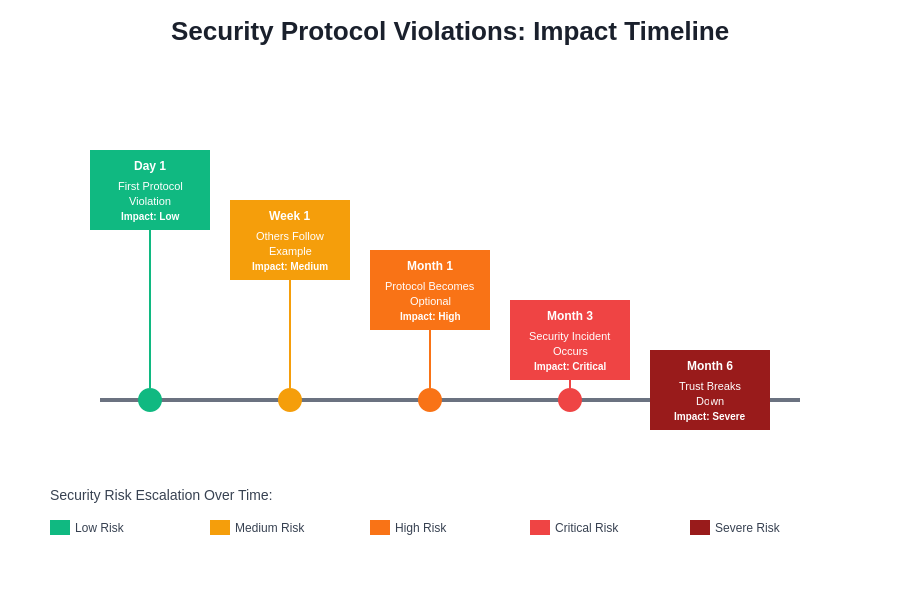
Familiarity breeds complacency in security consciousness, as residents who have lived in sharehouses for extended periods without experiencing security incidents begin to view protocols as unnecessary bureaucratic obstacles rather than essential protective measures. This gradual erosion of security awareness often accelerates when residents observe others violating protocols without immediate negative consequences, creating a cascading effect of diminished vigilance throughout the community.
The diffusion of responsibility phenomenon significantly impacts security compliance in shared living environments, where individuals assume that others will maintain vigilance and security standards, allowing them to relax their own adherence to protocols. Living with Japanese roommates in Tokyo sharehouses often involves navigating different cultural approaches to collective responsibility and individual accountability in security matters.
Social proof effects contribute to protocol violations when residents observe respected community members or long-term residents ignoring security measures, interpreting this behavior as acceptable or normal within their specific living environment. The presence of informal social hierarchies within sharehouses can amplify these effects, particularly when influential residents model poor security practices that newer or younger residents then emulate.
Cultural Differences in Security Awareness
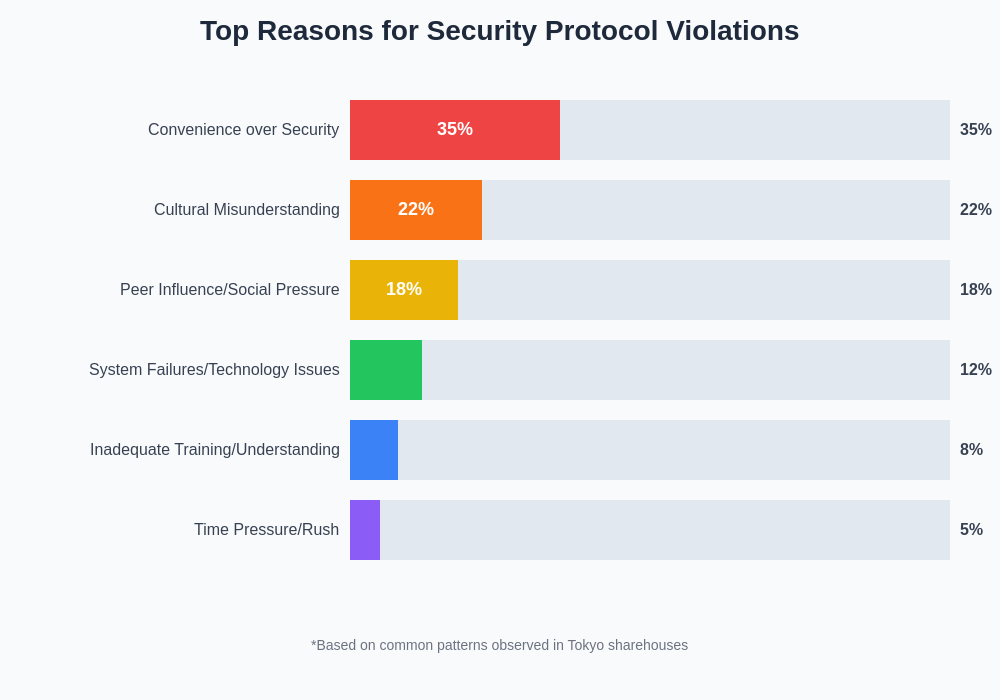
International residents bring diverse cultural backgrounds and security expectations that may not align with Japanese safety protocols or local crime prevention strategies, creating gaps in understanding that manifest as apparent protocol violations. Residents from countries with different security cultures may genuinely struggle to comprehend the necessity or importance of specific measures that seem excessive or paranoid by their cultural standards.
The concept of collective security responsibility varies significantly across cultures, with some emphasizing individual vigilance while others prioritize community-based protection systems that may not translate effectively to sharehouse environments. How cultural differences affect friendship building extends to security cooperation, where differing approaches to risk management can create friction and misunderstandings among residents.
Language barriers compound cultural security differences by preventing clear communication about protocol rationales, emergency procedures, and the specific risks that security measures are designed to address. Residents who cannot fully understand security explanations may comply superficially while missing the underlying principles that would motivate genuine commitment to protective practices.
Trust levels toward authority figures and institutional security measures vary dramatically across cultural backgrounds, with some residents viewing protocol enforcement as oppressive governmental control rather than protective community standards. These fundamental differences in authority perception can lead to active resistance against security measures rather than simple negligence or forgetfulness.
Convenience versus Security Trade-offs
Modern lifestyle demands for convenience and efficiency often conflict directly with time-consuming or cumbersome security protocols, creating daily decisions where residents weigh personal convenience against collective safety considerations. The cumulative effect of minor convenience choices can significantly compromise overall security effectiveness when multiple residents make similar individual calculations prioritizing immediate ease over protective measures.
Digital convenience expectations from younger residents often clash with traditional security systems that require physical keys, manual logging procedures, or face-to-face verification processes that seem antiquated compared to smartphone-based solutions. How smart locks change sharehouse security addresses technological solutions, yet many properties still rely on older systems that create friction for tech-savvy residents.
Time pressure from work schedules, social commitments, and daily responsibilities creates situations where residents prioritize speed over security compliance, particularly during rush periods when proper protocol adherence would cause delays or missed obligations. The compounding effect of tight schedules across multiple residents can create systemic protocol breakdowns during peak usage times.
Economic considerations influence security behavior when residents perceive protocols as adding costs through lost time, replacement fees for security devices, or inconvenience penalties that affect their earning capacity or financial efficiency. The intersection of budget constraints and security compliance creates particular challenges for residents managing tight financial situations while maintaining safety standards.
Peer Influence and Social Dynamics
Group behavior dynamics within sharehouses can create social pressure that either reinforces or undermines security protocol adherence, depending on the established community culture and the influence patterns among residents. Negative peer influence occurs when residents feel social pressure to demonstrate trust, friendliness, or casualness by ignoring security measures that might seem unwelcoming or suspicious to new community members.
Social accommodation behaviors lead some residents to compromise security protocols in order to appear helpful, trusting, or socially integrated within their sharehouse community, particularly when strict adherence might be perceived as antisocial or overly cautious by their peers. Making friends through Tokyo sharehouse communities often involves balancing social openness with appropriate security vigilance.
Leadership vacuum situations arise when sharehouses lack clear security champions or community leaders who model appropriate behavior and provide gentle accountability for protocol adherence. Without positive role models demonstrating the importance of security measures, communities often drift toward the lowest common denominator of protective behavior.
Conflict avoidance tendencies prevent many residents from addressing security violations they observe, creating environments where poor practices continue unchallenged and gradually become normalized within the community. The reluctance to confront peers about security lapses allows problematic behaviors to spread and become entrenched in house culture.
Inadequate Understanding of Local Risks
Many international residents arrive in Tokyo with incomplete or inaccurate understanding of local crime patterns, security risks, and the specific vulnerabilities that affect sharehouse communities in different neighborhoods throughout the metropolitan area. How neighborhood safety changes after dark provides context that many residents never receive during their housing orientation processes.
Media representation and cultural stereotypes about Japanese safety can create false confidence that leads residents to underestimate real risks present in urban environments, particularly those specific to foreign residents or shared accommodation situations. The gap between perceived safety and actual security needs creates dangerous complacency in protocol adherence.
Risk communication failures occur when sharehouse operators or management companies fail to adequately explain the rationale behind specific security measures, leaving residents to guess about purposes and importance levels of different protocols. Why security deposits dont cover theft losses highlights financial vulnerabilities that many residents discover only after security incidents occur.
Experience limitations prevent new residents from fully appreciating security risks until they have lived in sharehouses long enough to witness incidents, observe patterns, or experience problems personally. This learning curve creates temporary vulnerability periods where residents have not yet developed appropriate risk awareness for their living situation.
Technology Gaps and System Failures
Outdated security systems in older sharehouses often frustrate technically sophisticated residents who expect modern, user-friendly interfaces that integrate seamlessly with their digital lifestyles and mobile device ecosystems. Technology friction creates resistance to protocol compliance when systems seem primitive, unreliable, or unnecessarily complicated compared to contemporary alternatives.
System reliability issues undermine resident confidence in security protocols when locks malfunction, codes change unexpectedly, or access systems fail during critical moments, creating negative associations with security measures. How keyless entry systems sometimes fail examines technological vulnerabilities that contribute to protocol abandonment.
Integration challenges arise when security systems require residents to adapt their behavior patterns, daily routines, or personal organization systems in ways that create ongoing friction or inconvenience. Poor system design that fails to account for user experience factors often results in workaround behaviors that compromise security effectiveness.
Training deficits leave residents without proper instruction on security system operation, emergency procedures, or troubleshooting techniques that would enable confident and consistent protocol adherence. Inadequate onboarding processes create ongoing confusion and resistance to security measures throughout residents’ tenancy periods.
Economic and Practical Constraints
Financial pressures create situations where residents prioritize cost savings over security compliance, particularly when protocols involve fees, deposits, or potential penalties that strain already tight budgets. How to budget realistically for sharehouse living includes security-related costs that some residents choose to minimize through protocol avoidance.
Resource limitations affect security behavior when residents lack personal items necessary for proper protocol adherence, such as backup keys, secure storage containers, or communication devices required for emergency procedures. The intersection of personal financial constraints and security requirements creates ongoing compliance challenges.
Time scarcity influences security decisions when residents working multiple jobs, attending intensive language programs, or managing complex schedules cannot accommodate time-consuming security protocols without sacrificing other essential activities. The competition between security adherence and survival priorities often resolves in favor of immediate practical needs.
Access inequality emerges when security protocols favor residents with specific resources, technical skills, or cultural knowledge while creating barriers for others, leading to differential compliance patterns based on resident characteristics rather than security commitment levels.
Management and Communication Failures
Poor communication from sharehouse management regarding security protocol updates, rationales, and enforcement policies creates confusion and resistance among residents who feel uninformed about expectations and changes. Understanding utility bills in Japanese sharehouses demonstrates communication challenges that extend to security matters.
Inconsistent enforcement of security protocols sends mixed messages to residents about the actual importance of compliance, leading to selective adherence based on perceived enforcement likelihood rather than security necessity. When management fails to address violations consistently, residents naturally assume that protocols are suggestions rather than requirements.
Inadequate onboarding processes leave new residents without comprehensive understanding of security systems, emergency procedures, or the community norms that support effective protocol adherence throughout their residency period. The lack of structured security orientation creates ongoing confusion and resistance.
Feedback mechanism absence prevents residents from reporting security concerns, suggesting improvements, or understanding how their compliance contributes to overall community safety, reducing motivation for active participation in protective measures.
Psychological Habituation and Fatigue
Security fatigue develops when residents become psychologically exhausted by constant vigilance requirements, leading to gradual relaxation of protective behaviors as the mental energy required for sustained attention becomes burdensome. The cognitive load of maintaining security awareness competes with other mental demands in residents’ daily lives.
Habituation effects reduce the perceived importance of security protocols as residents become accustomed to their living environment and begin to view protective measures as routine obstacles rather than meaningful safety precautions. How personal space boundaries are constantly tested extends to security boundary maintenance.
Routine disruption resistance occurs when security protocols interfere with established personal patterns and habits, creating ongoing friction that residents eventually resolve by modifying or abandoning protective measures rather than adapting their routines.
Mental model conflicts arise when residents’ internal understanding of security needs conflicts with imposed protocols, leading to conscious or unconscious resistance to measures that seem excessive or misdirected based on personal risk assessment.
Long-term Community Impact
Security protocol violations create cumulative risks that extend far beyond individual incidents, affecting overall community safety, resident satisfaction, and the long-term viability of sharehouse living arrangements for all community members. Real stories from Tokyo sharehouse residents often include security-related experiences that shaped their living situations.
Trust erosion occurs when security incidents result from protocol violations, damaging the social fabric that enables successful communal living and creating lasting suspicion and conflict within resident communities. The breakdown of mutual trust has cascading effects on all aspects of sharehouse life beyond immediate security concerns.
Property value impact affects sharehouses with poor security reputations, potentially leading to reduced demand, lower rent prices, or difficulty attracting quality residents, ultimately affecting the living experience for compliant residents who maintain proper security practices.
Community sustainability depends on maintaining security standards that protect all residents while fostering the trust and cooperation necessary for successful shared living arrangements that benefit everyone in the community.
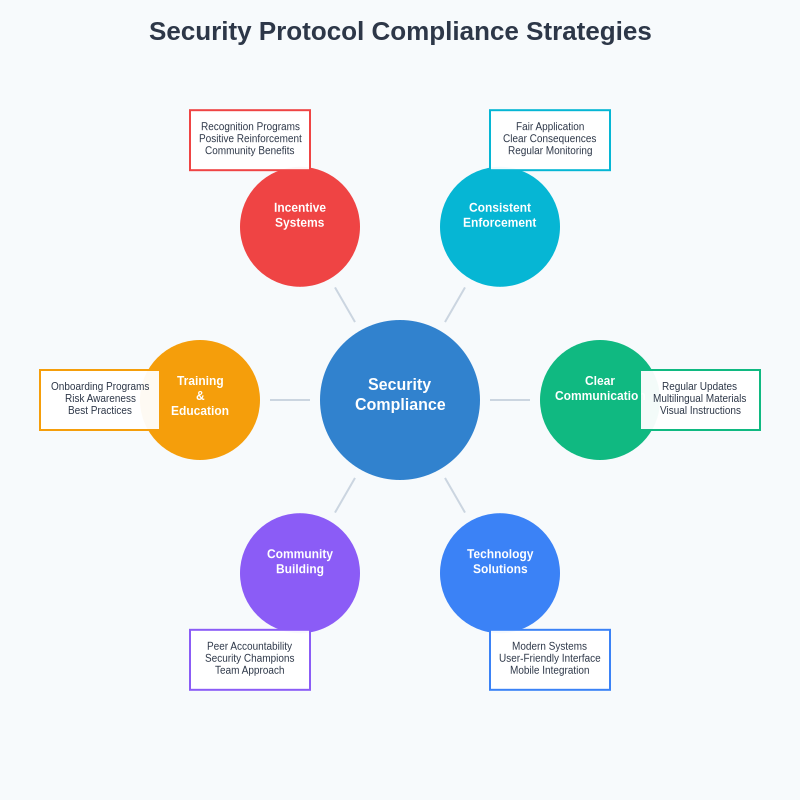
Understanding the complex factors that contribute to security protocol violations enables more effective approaches to improving compliance while addressing the underlying needs and concerns that drive problematic behaviors. Successful security in sharehouses requires balancing individual convenience with collective safety through systems that acknowledge human psychology while maintaining effective protection for all community members.
Disclaimer
This article is for informational purposes only and does not constitute professional security or legal advice. Security protocols and their importance may vary by location, property type, and local regulations. Residents should consult with their sharehouse management and local authorities regarding specific security requirements and procedures. The effectiveness of security measures depends on consistent community participation and adherence to established protocols.