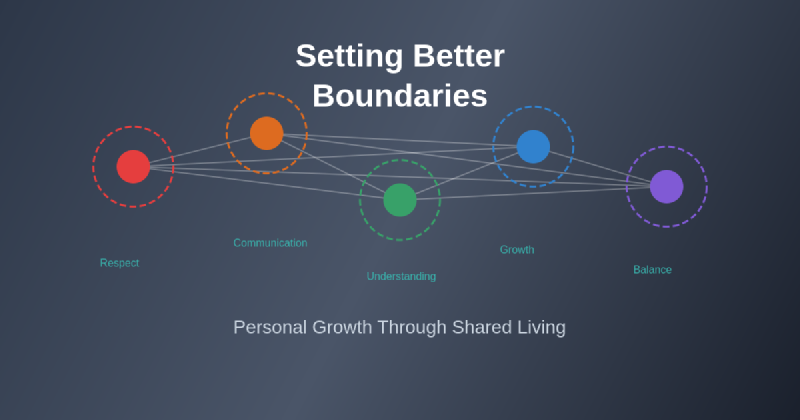
Living in a Tokyo sharehouse creates an intensive laboratory for personal development where residents inevitably confront situations that demand clear boundary-setting skills. The compressed living environment, cultural diversity, and shared resources generate constant opportunities for individuals to define their limits, communicate their needs, and navigate complex interpersonal dynamics that many never encountered in previous living situations.
The transformation that occurs among successful sharehouse residents represents one of the most significant yet underappreciated benefits of this living arrangement. Those who thrive in shared environments develop sophisticated skills in assertiveness, negotiation, and self-advocacy that translate into improved relationships, career advancement, and overall life satisfaction long after their sharehouse experience ends.
The Catalyst Environment of Shared Living
Sharehouse environments function as accelerated learning environments where personal boundaries are tested daily through seemingly mundane interactions that reveal deeper patterns of communication and self-advocacy. The constant presence of housemates means that every decision about noise levels, shared resource usage, and personal space becomes a micro-lesson in boundary establishment and enforcement.
Understanding how cultural differences affect friendship building reveals how diverse backgrounds create natural friction points that require residents to articulate their values and expectations more clearly than ever before. The necessity of navigating these differences without the option of easy escape forces individuals to develop more sophisticated communication strategies.
The physical constraints of shared spaces eliminate the luxury of avoiding difficult conversations or pretending problems don’t exist. When someone consistently leaves dishes in the sink, monopolizes bathroom time, or plays music too loudly, affected residents must choose between accepting deteriorating living conditions or learning to address issues constructively through clear boundary communication.
Crisis Points That Force Boundary Development
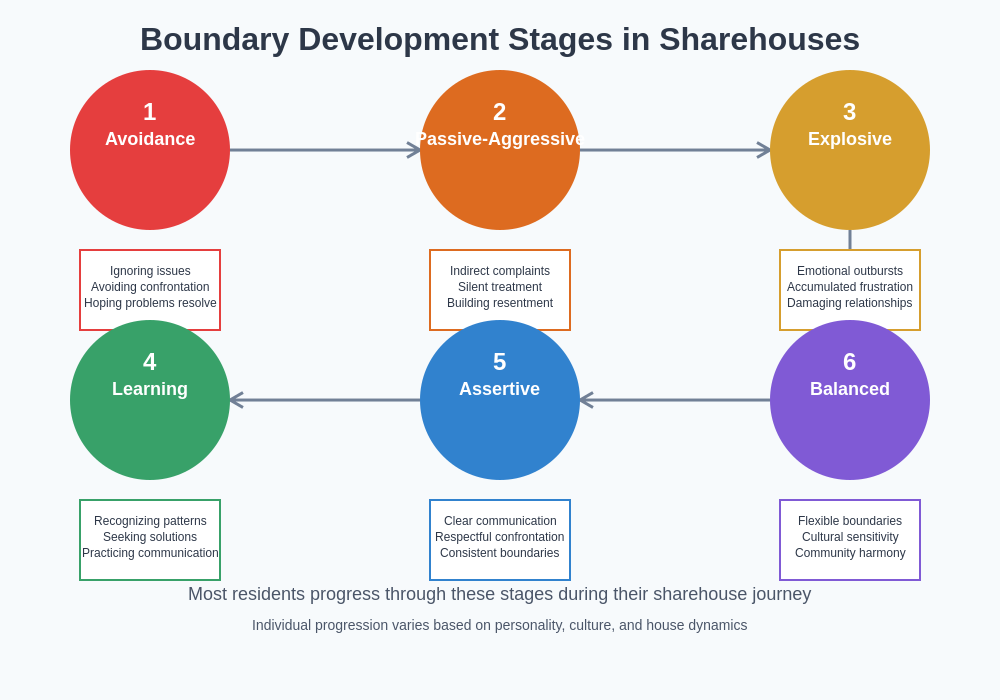
Most residents experience pivotal moments when their previous conflict avoidance strategies become unsustainable, creating urgent motivation to develop more assertive communication approaches. How to handle roommate conflicts without moving out becomes essential reading for those facing these transformative challenges.
The financial investment in sharehouse living creates stakes that prevent easy escape from uncomfortable situations, forcing residents to develop problem-solving skills rather than simply avoiding difficult people or circumstances. This economic reality provides the necessary pressure that transforms boundary-setting from an optional skill into a survival necessity.
Kitchen conflicts represent particularly common catalyst events where residents discover their tolerance limits for mess, food appropriation, and shared equipment misuse. The daily nature of cooking and eating means these issues cannot be ignored indefinitely, creating repeated opportunities for residents to practice assertive communication and boundary enforcement.
Personal space violations in shared living areas often trigger the first serious attempts at boundary-setting among residents who previously avoided confrontation. The realization that passive acceptance of boundary violations leads to increasing resentment and deteriorating mental health motivates even naturally accommodating individuals to develop more direct communication styles.
Cultural Learning Through Boundary Navigation
International sharehouse environments provide intensive education in cultural communication styles and boundary expression that varies dramatically across different national and regional backgrounds. Living with Japanese roommates in Tokyo sharehouses offers insights into how indirect communication preferences clash with more direct boundary-setting approaches.
Residents learn to recognize that their assumptions about appropriate behavior, personal space, and conflict resolution may not be shared by housemates from different cultural backgrounds. This awareness forces the development of more explicit communication about expectations rather than assuming universal understanding of social norms and boundaries.
The process of explaining personal preferences and limits to people from different cultural contexts requires residents to examine and articulate their values more clearly than ever before. This self-reflection often leads to better self-understanding and more intentional choices about which boundaries are truly important versus which are merely habitual preferences.
Language barriers add additional complexity to boundary communication, forcing residents to develop clearer, more direct expression of their needs and limits. The inability to rely on subtle hints or cultural assumptions pushes individuals toward more explicit and honest communication patterns that often improve their boundary-setting skills in all relationships.
The Economics of Boundary Enforcement
Financial considerations create unique dynamics around boundary-setting in sharehouses where rent sharing and utility costs make every resident’s behavior economically relevant to others. Understanding utility bills in Japanese sharehouses demonstrates how shared financial responsibilities necessitate clear agreements about resource usage and cost distribution.
Residents quickly learn that failing to address boundary violations around shared expenses can result in significant financial consequences that affect their monthly budgets and long-term housing stability. This economic reality provides concrete motivation for developing assertiveness skills around money-related boundaries that many people struggle with in other contexts.
The shared investment in maintaining property conditions creates situations where residents must advocate for cleanliness standards and property care that protect everyone’s security deposits and living quality. Learning to address these concerns constructively teaches valuable skills in presenting problems as shared challenges rather than personal attacks.
Equipment sharing and replacement decisions require residents to negotiate boundaries around personal property, borrowed items, and collective purchases that reveal different values about ownership, responsibility, and financial contribution. These discussions often become crucial learning opportunities for setting clear expectations and following through on agreements.
Privacy Boundaries in Compressed Spaces
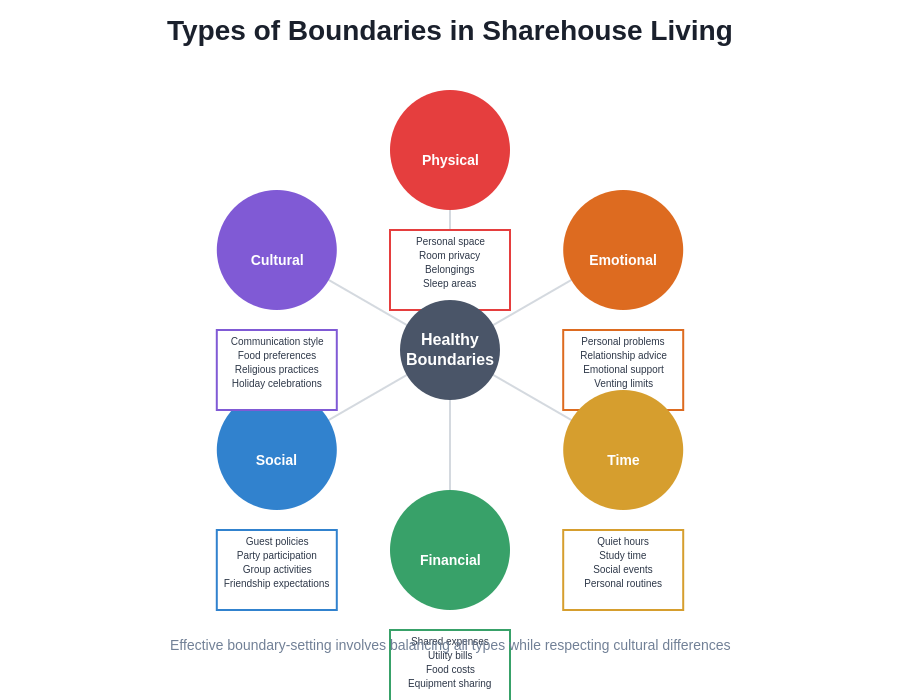
Physical space limitations in sharehouses create constant challenges around privacy boundaries that force residents to become more intentional about their need for solitude and personal time. How personal space needs vary dramatically explores how different individuals adapt to sharing living environments while maintaining their psychological well-being.
The inability to retreat into completely private spaces means residents must learn to create psychological boundaries even when physical boundaries are limited. This skill development often includes learning to communicate needs for quiet time, uninterrupted work periods, and social interaction limits more directly than ever before.
Bathroom and kitchen scheduling becomes an exercise in negotiating personal routines with shared resource availability, teaching residents to advocate for their needs while remaining flexible enough to coexist harmoniously. The daily practice of these small negotiations builds confidence in addressing larger boundary issues as they arise.
Personal belonging security and storage boundaries require residents to establish clear agreements about shared refrigerator space, storage areas, and personal item access that protect individual property while maintaining community trust and cooperation.
Emotional Boundary Development Through Daily Challenges
The emotional intensity of shared living situations provides abundant opportunities for residents to practice maintaining emotional boundaries while remaining open to community building and friendship development. Why personality conflicts escalate quickly examines how compressed living environments amplify interpersonal tensions that require sophisticated emotional regulation skills.
Residents learn to distinguish between their emotional reactions to housemate behavior and the objective impact of that behavior on their living situation. This skill development helps individuals respond to boundary violations more effectively by focusing on specific behaviors rather than personalizing conflicts or making character judgments.
The process of living with people experiencing different levels of stress, homesickness, and life challenges teaches residents to maintain compassion while protecting their own emotional well-being. Learning to offer appropriate support without becoming overwhelmed by others’ problems represents crucial boundary-setting skill development.
Regular exposure to different emotional expression styles and coping mechanisms helps residents develop better recognition of their own emotional patterns and triggers. This self-awareness enables more proactive boundary-setting before situations escalate into serious conflicts or resentment.
Professional Skill Transfer From Boundary Practice
The boundary-setting skills developed through sharehouse living translate directly into improved workplace performance, particularly in areas of project management, team collaboration, and professional communication. Residents who learn to address sharehouse conflicts constructively often find themselves better equipped to handle workplace disagreements and resource allocation discussions.
The experience of negotiating shared responsibilities and holding housemates accountable for their commitments provides valuable practice for professional situations requiring delegation, performance feedback, and team coordination. These skills become particularly valuable for residents pursuing leadership roles or client-facing positions.
The cultural sensitivity developed through international sharehouse living enhances professional capabilities in diverse workplace environments where understanding different communication styles and work preferences improves team effectiveness and client relationships.
Time management and priority-setting skills developed through balancing personal needs with community responsibilities prepare residents for professional environments where multiple stakeholders have competing demands on their time and attention.
Long-term Relationship Benefits From Boundary Skills
Residents who successfully develop boundary-setting skills through sharehouse experiences often report improvements in romantic relationships, family dynamics, and long-term friendships that extend well beyond their shared living period. The practice of articulating needs clearly and consistently creates patterns that benefit all future relationships.
Dating while living in Tokyo sharehouses explores how boundary skills developed in shared living environments improve romantic relationship navigation and partner selection processes through better self-advocacy and expectation communication.
The experience of maintaining individual identity while participating in community activities teaches residents to balance personal needs with relationship commitments more effectively. This skill proves invaluable in romantic partnerships, family relationships, and professional collaborations throughout their lives.
Learning to address conflicts directly rather than allowing resentment to build creates healthier relationship patterns that prevent the accumulation of unaddressed issues that often damage long-term partnerships and friendships.
The Role of House Rules in Boundary Education
Formal house rules and community agreements provide structured frameworks for boundary-setting practice that help residents learn to participate in collaborative decision-making and rule enforcement. Japanese sharehouse rules every foreigner should know demonstrates how established guidelines create foundations for individual boundary development.
The process of creating, modifying, and enforcing house rules teaches residents valuable skills in negotiation, compromise, and collective problem-solving that apply to numerous professional and personal situations throughout their lives. These collaborative decision-making experiences build confidence in advocating for personal needs within group contexts.
Residents learn to distinguish between rules that serve community harmony versus those that may unnecessarily restrict individual freedom, developing critical thinking skills about authority, cooperation, and personal autonomy that enhance their decision-making abilities in other contexts.
The experience of both following and enforcing community guidelines teaches residents about the reciprocal nature of boundary-setting where respecting others’ limits creates environments where their own boundaries are more likely to be respected and maintained.
Overcoming Cultural Barriers to Assertiveness
Many residents arrive at sharehouses with cultural backgrounds that discourage direct confrontation or explicit boundary-setting, making the sharehouse environment a crucial training ground for developing more assertive communication styles. How cultural communication styles create misunderstandings examines how different approaches to conflict and boundary expression create learning opportunities.
The necessity of clear communication in multicultural environments pushes residents beyond their comfort zones in ways that build confidence and communication skills applicable to numerous life situations. This growth often represents significant personal development for individuals whose cultural backgrounds emphasized indirect communication or conflict avoidance.
Residents learn to adapt their communication styles to different cultural contexts while maintaining their core boundary requirements, developing flexibility that enhances their effectiveness in diverse professional and social environments throughout their lives.
The experience of successful boundary-setting across cultural differences builds confidence in navigating other challenging communication situations and reduces anxiety about expressing needs and preferences in unfamiliar social contexts.
Mental Health Benefits of Boundary Development
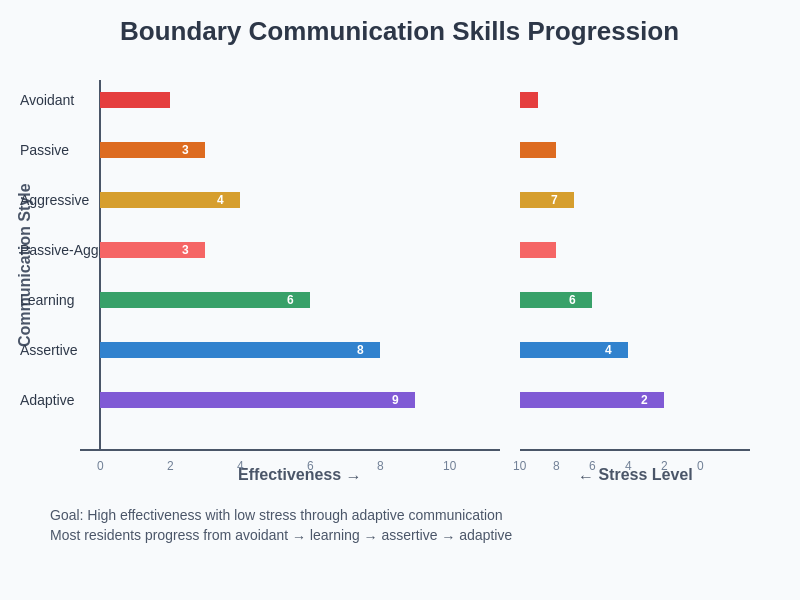
The mental health improvements experienced by residents who develop effective boundary-setting skills extend far beyond improved sharehouse relationships to encompass better stress management, increased self-confidence, and enhanced overall life satisfaction. Making friends through Tokyo sharehouse communities explores how healthy boundaries actually facilitate deeper, more authentic friendships.
Learning to advocate for personal needs without guilt or excessive anxiety reduces the chronic stress that often accompanies unclear or inconsistent boundary enforcement. This stress reduction contributes to better sleep quality, improved physical health, and enhanced emotional stability that benefits all areas of life.
The experience of successfully addressing conflicts and maintaining relationships despite disagreements builds resilience and confidence that helps residents handle future challenges with greater emotional stability and problem-solving effectiveness.
Residents often report feeling more authentic and self-aware after developing boundary-setting skills, as the process requires honest self-reflection about values, priorities, and non-negotiable requirements for personal well-being and life satisfaction.
The boundary-setting journey in sharehouses represents far more than learning to coexist with roommates. It constitutes a comprehensive education in self-advocacy, cultural competence, and interpersonal effectiveness that creates lasting improvements in residents’ personal and professional relationships. Those who embrace these learning opportunities often find that their sharehouse experience becomes one of the most transformative periods of their personal development, equipping them with essential life skills that enhance their success and satisfaction long after they move on to other living situations.
The residents who thrive in sharehouses and develop strong boundary-setting capabilities share common characteristics of openness to growth, willingness to engage with discomfort, and commitment to maintaining both individual needs and community harmony. These individuals recognize that temporary challenges in shared living environments provide valuable opportunities for skill development that benefit every aspect of their lives going forward.
Disclaimer
This article is for informational purposes only and does not constitute professional psychological or counseling advice. Individual experiences in sharehouse living vary significantly based on personal backgrounds, house dynamics, and cultural contexts. Readers experiencing significant stress or conflict in shared living situations should consider seeking professional guidance when appropriate. The boundary-setting strategies discussed may not be suitable for all cultural contexts or personal situations.