
The phenomenon of residents monopolizing entertainment systems in Tokyo sharehouses represents one of the most common sources of tension and conflict within shared living environments. This behavior pattern extends far beyond simple selfishness or inconsideration, encompassing complex psychological mechanisms, cultural differences, and systemic issues that require careful analysis to understand and address effectively. The impact of entertainment monopolization ripples through entire house communities, affecting social dynamics, resident satisfaction, and overall living quality in ways that often persist long after the immediate conflicts have been resolved.
Understanding why certain individuals gravitate toward monopolizing shared entertainment resources provides crucial insights into human behavior within communal living situations and offers pathways toward developing more effective management strategies. The complexity of this issue intersects with cultural expectations, personal backgrounds, social skills, and individual coping mechanisms that combine to create patterns of behavior that can either enhance or destroy community harmony within sharehouse environments.
The Psychology of Control and Comfort Zones
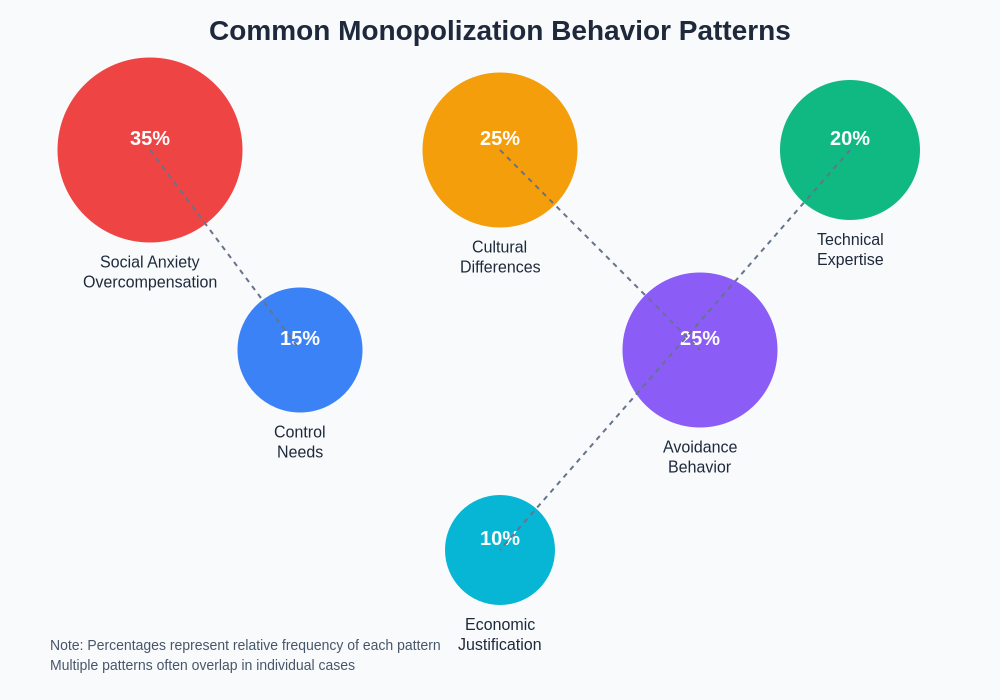
The fundamental drive to monopolize entertainment systems often stems from deep-seated psychological needs for control and security within unfamiliar living environments. Many residents who engage in this behavior are unconsciously attempting to establish territories of familiarity and comfort within spaces where they feel uncertain about their social standing or acceptance within the community. Making friends through Tokyo sharehouse communities reveals how social anxiety can manifest in territorial behaviors around shared resources.
The entertainment area typically serves as the primary social hub within sharehouses, making control over these systems particularly significant from a psychological perspective. Individuals who struggle with social integration may unconsciously use entertainment monopolization as a way to maintain proximity to social activity while avoiding the vulnerability of genuine interpersonal engagement. This creates a paradoxical situation where the desire for social connection drives behavior that ultimately alienates potential friends and community members.
Cultural backgrounds play significant roles in shaping expectations around shared resources and entertainment consumption patterns. Some residents come from family environments where entertainment systems were individual possessions rather than shared resources, making the transition to communal usage particularly challenging. Others may have experienced environments where claiming and maintaining control over resources was necessary for survival or social status, patterns that persist even when circumstances change dramatically.
The comfort zone aspect extends beyond simple resource control to encompass the entire entertainment experience, including content selection, volume levels, timing, and social interaction patterns. Residents who monopolize these systems often develop rigid routines and preferences that become increasingly difficult to modify as they become more entrenched in their established patterns.
Social Anxiety and Overcompensation Mechanisms
Many residents who monopolize entertainment systems are actually struggling with significant social anxiety that manifests as overcompensation through resource control. The entertainment area provides a socially acceptable reason to occupy central community spaces without requiring direct social engagement, allowing anxious individuals to maintain proximity to others while avoiding the stress of conversation or group interaction.
This overcompensation mechanism often involves claiming expertise or superior knowledge about entertainment systems, gaming, or media content as a way to establish social value and justify extended usage periods. The technical complexity of modern entertainment systems provides ample opportunity for individuals to position themselves as indispensable experts whose presence and control are necessary for proper system operation.
The timing patterns of monopolization frequently correlate with periods when other residents are most likely to be present and social, suggesting that the behavior serves multiple psychological functions simultaneously. Living with Japanese roommates in Tokyo sharehouses highlights how cultural communication differences can exacerbate social anxiety and lead to compensatory behaviors.
Language barriers and cultural differences can intensify social anxiety, particularly for international residents who may feel excluded from conversations or activities. Entertainment systems offer a universal language of visual and auditory content that transcends linguistic limitations, making them particularly attractive refuges for residents struggling with communication challenges.
The overcompensation extends to content selection, with monopolizing residents often choosing materials that showcase their cultural knowledge, language skills, or technical sophistication rather than content that would appeal to diverse community members. This pattern reinforces their sense of control while simultaneously alienating others who might otherwise engage with the entertainment experience.
Cultural Differences in Entertainment Consumption
Cultural backgrounds significantly influence expectations around entertainment consumption patterns, sharing behaviors, and appropriate usage etiquette in ways that can create substantial conflicts within diverse sharehouse communities. Residents from individualistic cultures may approach entertainment systems with assumptions about personal control and preference priority that clash dramatically with collectivist approaches emphasizing group harmony and consensus-building.
The concept of “taking turns” varies dramatically across cultures, with some backgrounds emphasizing strict rotation systems while others prioritize hierarchical access based on seniority, contribution, or social status. These fundamental differences in fairness concepts can lead to monopolization patterns that seem natural and appropriate to some residents while appearing selfish and inconsiderate to others.
Volume preferences, content appropriateness standards, and social interaction expectations during entertainment consumption reflect deep cultural programming that becomes particularly pronounced in shared living situations. Japanese sharehouse rules every foreigner should know explains how Japanese cultural norms around shared spaces often conflict with international residents’ expectations.
Some cultures emphasize entertainment as primarily social activities that should involve group participation and shared decision-making, while others view entertainment consumption as individual experiences that happen to occur in shared spaces. These fundamental philosophical differences about the purpose and nature of entertainment create ongoing tension when residents with different cultural backgrounds attempt to coexist around shared systems.
The timing and duration expectations for entertainment usage also reflect cultural programming, with some backgrounds emphasizing efficiency and brief usage periods while others prioritize relaxation and extended engagement. These temporal differences become particularly problematic when combined with different approaches to direct communication about preferences and conflicts.
Technical Knowledge as Social Currency
The complexity of modern entertainment systems creates opportunities for technically skilled residents to establish themselves as indispensable community members through their expertise and troubleshooting abilities. This technical knowledge often becomes social currency that justifies extended usage periods and preferential access to entertainment resources, creating power dynamics that can lead to monopolization patterns.
Residents who possess technical skills may unconsciously leverage their expertise to maintain control over entertainment systems by positioning themselves as necessary for proper operation, troubleshooting, and optimization. This creates dependency relationships where other residents feel unable to use systems independently, effectively surrendering their access rights in exchange for technical support.
The rapid evolution of entertainment technology means that technical knowledge requirements are constantly changing, providing ongoing opportunities for skilled residents to reinforce their indispensable status through updates, upgrades, and system modifications. How to find the perfect sharehouse in Tokyo discusses how technical amenities often become sources of house conflicts.
Gaming systems, streaming services, and smart home integration create particularly complex technical environments that can intimidate less technically skilled residents. The fear of causing damage or system malfunctions can lead to voluntary abdication of usage rights, creating vacuum situations that technically skilled residents fill by default.
The social dynamics around technical knowledge become particularly complex when cultural differences intersect with technical skills, as some residents may feel culturally obligated to defer to technical expertise while others may resent the implied hierarchy and dependency relationships that technical monopolization creates.
Avoidance of Direct Confrontation
Many residents who monopolize entertainment systems are actually avoiding potential confrontations and social conflicts by maintaining continuous control rather than engaging in negotiation or sharing discussions. This avoidance strategy reflects cultural programming, personality traits, and past experiences that have taught them that preventing conflicts is easier than resolving them once they arise.
The fear of being told “no” or facing rejection when requesting entertainment system access can drive preemptive monopolization behaviors where residents claim and maintain control to avoid the vulnerability of asking for permission or negotiating usage times. This creates self-fulfilling prophecy situations where monopolization behavior generates the very conflicts and resentments that residents were originally trying to avoid.
Language barriers can intensify confrontation avoidance, particularly for international residents who may lack the vocabulary or cultural understanding necessary to navigate complex negotiations about shared resources. How to handle roommate conflicts without moving out provides strategies for addressing these communication challenges.
The timing of monopolization often reflects strategic avoidance of peak usage periods when conflicts would be most likely to occur. Residents may establish early morning or late evening usage patterns that technically avoid direct confrontation while still monopolizing access during times when other residents might reasonably want to use entertainment systems.
Passive-aggressive communication patterns often develop around entertainment monopolization, with affected residents expressing frustration through indirect means rather than direct confrontation. This creates toxic communication cycles where problems escalate without direct addressing, leading to house-wide tension and relationship deterioration.
Individual Entertainment Preferences and Compatibility
Personal entertainment preferences often reflect deep aspects of identity, cultural background, and individual psychology that become particularly significant in shared living environments where compromise and negotiation are constantly required. Residents with strong preferences for specific content types, genres, or consumption patterns may monopolize systems to avoid exposure to entertainment choices that conflict with their values or comfort zones.
The generational divide in entertainment preferences creates particular challenges in sharehouses with diverse age ranges, as different generations often have completely different assumptions about appropriate content, volume levels, and social interaction patterns during entertainment consumption. These differences can lead to monopolization patterns where older or younger residents claim exclusive access rather than navigating complex negotiation processes.
Gaming preferences present unique challenges because different gaming styles, skill levels, and social expectations can make shared gaming experiences uncomfortable or exclusionary for some residents. Competitive gaming, cooperative experiences, and single-player content require different social dynamics that may not be compatible with diverse house communities.
Streaming service preferences, music choices, and movie genres often reflect personal identity and cultural background in ways that make compromise particularly difficult. Residents may monopolize systems to avoid the social discomfort of watching content that conflicts with their personal values or cultural sensitivities while simultaneously preventing others from accessing preferred entertainment options.
The temporal aspects of entertainment preferences, including ideal viewing times, session duration, and frequency patterns, often reflect work schedules, cultural programming, and individual circadian rhythms that may not align well with other residents’ needs and preferences.
Economic Factors and Perceived Ownership
Financial contributions to entertainment systems, streaming subscriptions, and gaming content often create perceived ownership rights that can justify monopolization behaviors in the minds of contributing residents. The complexity of determining fair usage allocation based on financial contribution creates ongoing tension and provides rationalization for extended usage periods.
Residents who pay for streaming services, gaming subscriptions, or entertainment content may feel entitled to preferential access or control over content selection, particularly when other residents are accessing paid services without contributing financially. Living costs in Tokyo sharehouses explained discusses how entertainment expenses can become sources of house conflicts.
The investment in gaming equipment, controllers, and accessories creates additional ownership complexity when personal property becomes integrated with shared entertainment systems. Residents may monopolize systems to protect their personal equipment or ensure proper usage, leading to access restrictions that affect entire house communities.
Subscription management often falls disproportionately on technically skilled or financially responsible residents, creating service dependencies that can justify monopolization as a form of subscription administration. The complexity of modern streaming services and gaming platforms makes this administrative burden substantial and ongoing.
Economic disparities between residents can create guilt, resentment, and compensation behaviors around entertainment usage, with some residents monopolizing systems to maximize value from their financial contributions while others may avoid usage due to inability to contribute financially.
House Rule Enforcement and System Abuse
The absence of clear, enforceable house rules around entertainment system usage creates power vacuums that certain residents fill through monopolization, effectively becoming self-appointed system administrators with undefined authority and responsibility. This informal rule-making process often lacks community input and creates arbitrary restrictions that serve individual preferences rather than community needs.
Enforcement mechanisms for entertainment system sharing are typically informal and depend on social pressure, direct confrontation, and house management intervention, creating situations where assertive residents can monopolize systems by simply ignoring social pressure and avoiding direct confrontation with affected community members.
The definition of “reasonable usage” varies dramatically between residents and often lacks specific guidelines around duration, frequency, peak hours, and content appropriateness. This ambiguity allows monopolizing residents to justify extended usage periods while claiming compliance with undefined community standards.
System abuse often involves technical manipulation, password control, or physical modifications that make independent usage difficult or impossible for other residents. These tactics create dependency relationships where monopolizing residents become gatekeepers for community entertainment access.
The escalation patterns around entertainment system conflicts often involve house management, property operators, and formal complaint processes that many residents prefer to avoid, creating situations where monopolization continues unchallenged due to the perceived hassle of formal intervention.
Social Hierarchy and Power Dynamics
Entertainment system control often becomes symbolic of broader social hierarchies within sharehouse communities, with monopolizing residents using entertainment access as a way to establish and maintain social dominance over other community members. This power dynamic extends beyond entertainment into other aspects of community life and shared resource allocation.
Length of residency, cultural background, language proficiency, and social connections within the house can all contribute to informal hierarchies that justify entertainment monopolization in the minds of dominant residents. Best Tokyo neighborhoods for sharehouse living discusses how social dynamics vary between different house communities.
The intersection of gender, age, and cultural background creates complex power dynamics around entertainment system usage, with some residents feeling entitled to preferential access based on demographic characteristics or social positioning within the house hierarchy.
Leadership roles in house activities, cleaning responsibilities, and community organization can create perceived authority over shared resources including entertainment systems. Residents who contribute significantly to house management may feel justified in claiming preferential entertainment access as compensation for their community service.
The exclusion patterns around entertainment often reflect broader social exclusion within house communities, with monopolizing residents using entertainment control as a tool for social gate-keeping and community boundary enforcement.
Impact on House Community Dynamics
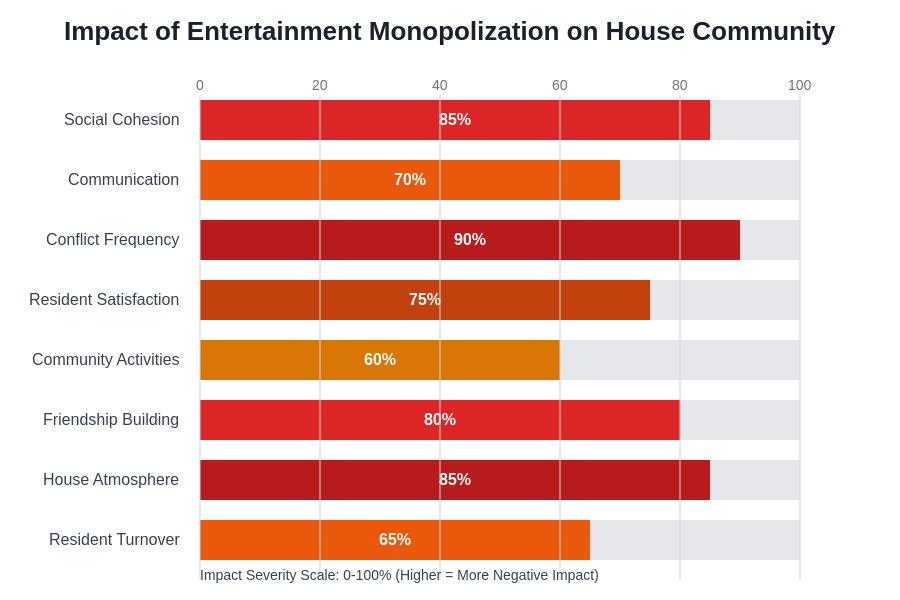
Entertainment system monopolization creates ripple effects throughout house communities that extend far beyond immediate access conflicts, affecting social cohesion, communication patterns, and overall living satisfaction for all residents. The presence of monopolizing behavior often indicates broader dysfunction in community communication and conflict resolution systems.
Social fragmentation frequently develops when entertainment areas become associated with tension and conflict, leading residents to avoid common areas and seek alternative entertainment options in private spaces. This reduction in spontaneous social interaction undermines community building and friendship development opportunities.
The resentment and frustration generated by entertainment monopolization often spreads to other aspects of shared living, creating general tension that affects kitchen usage, cleaning cooperation, and overall house atmosphere. Real stories from Tokyo sharehouse residents includes accounts of how entertainment conflicts escalate into broader house problems.
Communication breakdown often results from entertainment conflicts, with affected residents becoming generally less cooperative and communicative about all house matters. The failure to resolve entertainment sharing issues creates precedents for avoiding conflict resolution in other areas of shared living.
Community activities and social events become more difficult to organize when entertainment systems are monopolized, reducing opportunities for cultural exchange and friendship building that represent primary benefits of sharehouse living for many international residents.
The long-term effects of entertainment monopolization include increased resident turnover, reduced house satisfaction ratings, and difficulty attracting new residents due to negative community reputation and social dysfunction.
Prevention and Resolution Strategies
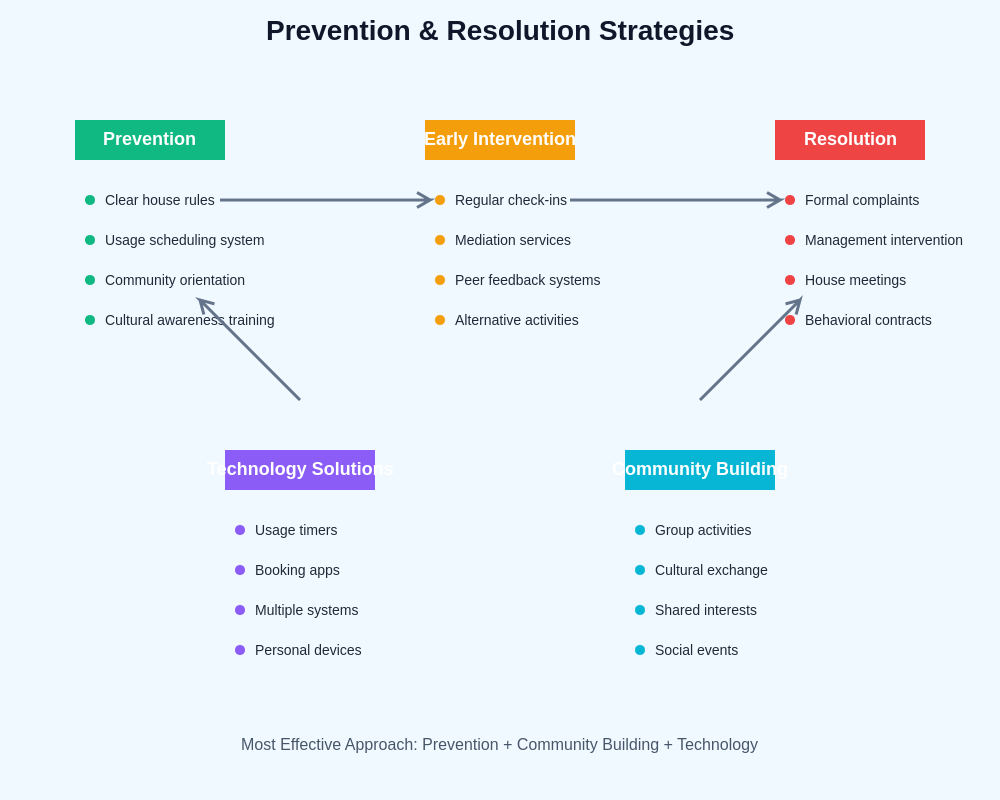
Effective prevention of entertainment monopolization requires proactive house rule development that addresses usage duration, scheduling systems, content appropriateness, and conflict resolution procedures before problems develop. Clear guidelines reduce ambiguity and provide frameworks for addressing monopolization when it occurs.
Technology solutions including usage timers, scheduling apps, and rotation systems can reduce the social negotiation burden while ensuring fair access to entertainment systems. These technical approaches work particularly well in houses with diverse cultural backgrounds where direct negotiation may be challenging.
Community meetings focused specifically on entertainment sharing allow residents to express preferences, establish consensus around usage patterns, and develop accountability systems that prevent monopolization. Regular check-ins ensure that agreements remain relevant as house dynamics and resident populations change.
Mediation services and house management intervention provide external authority for addressing monopolization when internal community processes fail. Having clear escalation procedures encourages early intervention before conflicts become entrenched and damage community relationships.
Education about cultural differences in entertainment consumption and sharing behaviors helps residents understand that monopolization may reflect cultural programming rather than intentional selfishness, creating opportunities for compromise and mutual understanding.
The development of alternative entertainment options and spaces reduces pressure on primary systems while providing outlets for residents with different preferences and usage patterns, minimizing conflicts while maintaining community harmony.
Understanding the complex motivations behind entertainment system monopolization provides essential insights for developing effective prevention and resolution strategies that address root causes rather than simply managing symptoms. The intersection of psychology, culture, and social dynamics in shared living environments requires nuanced approaches that balance individual needs with community welfare while maintaining the social benefits that make sharehouse living attractive for international residents in Tokyo.
Disclaimer
This article is for informational purposes only and does not constitute professional advice for resolving sharehouse conflicts. Individual situations may vary significantly based on specific house dynamics, cultural backgrounds, and personal circumstances. Readers should consider consulting with house management or mediation services for serious conflicts that affect living quality and community harmony.