The phenomenon of residents who never ask questions represents one of the most perplexing and potentially problematic aspects of sharehouse living in Tokyo. These individuals navigate their daily lives in shared spaces while maintaining complete silence about their confusion, concerns, or basic needs, creating a pattern of behavior that affects not only their own experience but also the broader community dynamics within the house. Understanding the complex psychological, cultural, and social factors that drive this behavior becomes essential for creating more inclusive and supportive living environments.
The silence of these residents often masks deeper struggles with adaptation, communication anxiety, and cultural adjustment that extend far beyond simple shyness or introversion. Living with Japanese roommates in Tokyo sharehouses reveals how cultural communication differences can create barriers that seem insurmountable to some residents, leading them to retreat into patterns of observation and assumption rather than direct inquiry.
Cultural Communication Barriers and Hierarchical Expectations
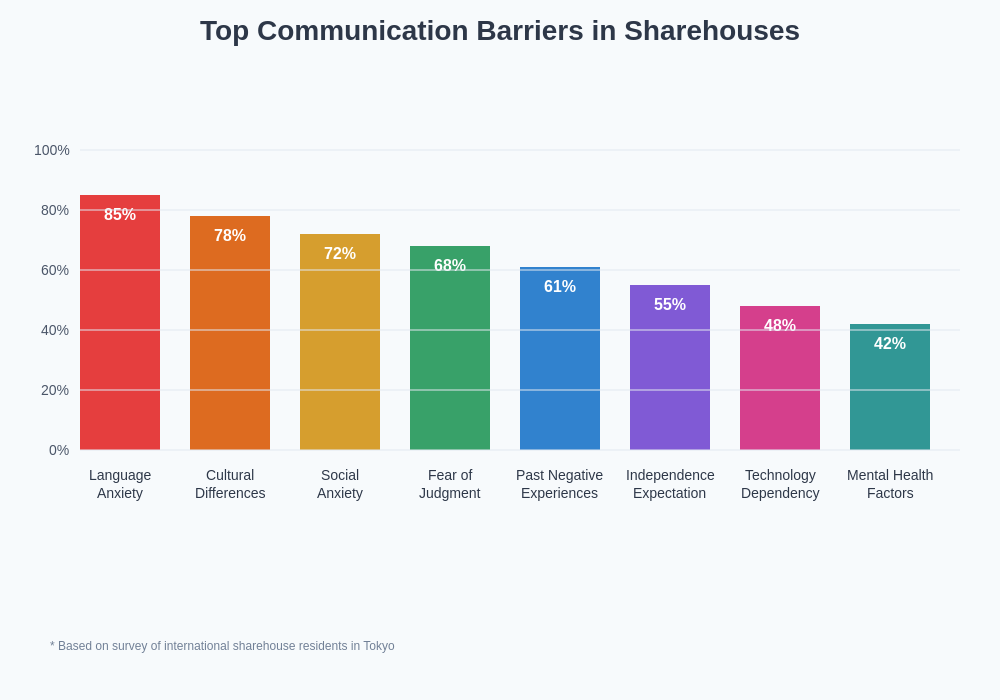
Japanese cultural norms around communication create particularly challenging environments for international residents who may not understand the subtle protocols that govern question-asking in social situations. The concept of reading the atmosphere and avoiding disruption of group harmony can leave newcomers feeling paralyzed about when, how, and to whom they should direct their inquiries about house rules, procedures, or daily life logistics.
The hierarchical nature of Japanese social interactions compounds this challenge, as residents often struggle to identify the appropriate person to approach with questions or concerns. Japanese sharehouse rules every foreigner should know highlights how unwritten expectations about seniority, age-based respect, and social positioning can create invisible barriers that prevent direct communication even in supposedly egalitarian shared living situations.
International residents frequently report feeling caught between their native communication styles and the perceived expectations of Japanese social etiquette, leading them to err on the side of caution by asking nothing rather than risk causing offense or revealing their ignorance about cultural norms. This self-imposed silence becomes a protective mechanism that ultimately isolates them from the very community support they need to thrive.
Language Anxiety and Fear of Linguistic Inadequacy
The fear of making grammatical mistakes, mispronouncing words, or failing to express complex concepts accurately creates powerful psychological barriers that prevent many residents from engaging in the questioning process that facilitates learning and integration. How language barriers complicate legal documents demonstrates how linguistic insecurity extends beyond casual conversation into crucial areas of daily life management.
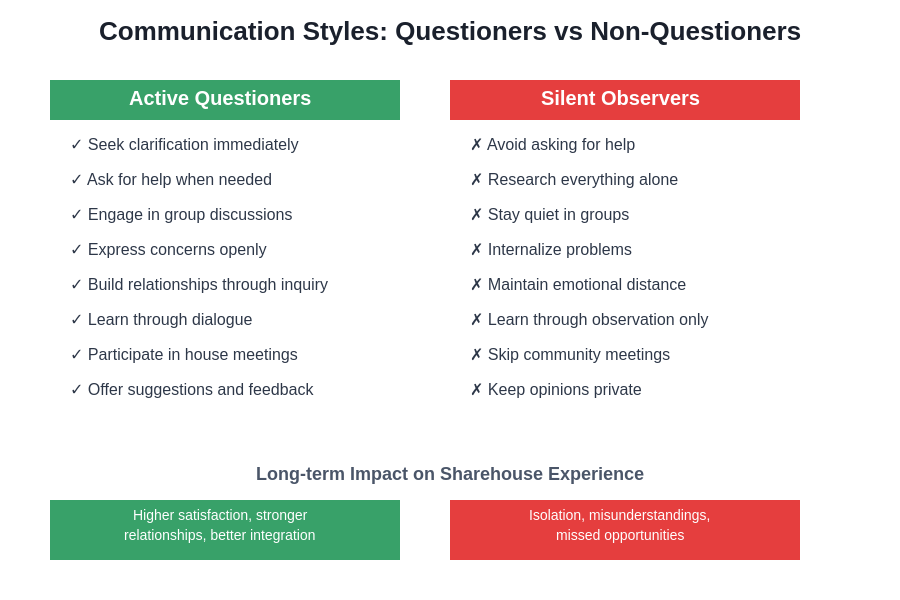
Many residents develop elaborate avoidance strategies to circumvent situations that might require them to ask questions, preferring to observe, guess, or simply go without understanding rather than expose their perceived linguistic limitations. This pattern becomes self-reinforcing as the lack of practice further erodes confidence and increases anxiety around verbal communication in group settings.
The perfectionist tendencies common among international residents studying or working in Japan exacerbate these language anxieties, as individuals who excel in academic or professional environments suddenly find themselves struggling with basic household communication. The gap between their intellectual capabilities and their perceived linguistic performance creates shame and embarrassment that drives them deeper into silence.
Social Anxiety and Fear of Standing Out
The desire to blend into group dynamics without causing disruption leads many residents to adopt observation-based learning strategies that avoid the vulnerability inherent in asking questions. How cultural differences affect friendship building explores how the fear of being perceived as needy, demanding, or culturally insensitive prevents authentic communication and relationship development.
Social anxiety in sharehouse environments becomes magnified by the constant presence of observers and the inability to retreat to completely private spaces when communication attempts go poorly. Residents who struggle with social confidence find the prospect of asking questions in front of multiple housemates particularly daunting, especially when they perceive other residents as more confident or culturally competent.
The multicultural nature of many Tokyo sharehouses adds another layer of complexity, as residents may feel pressure to demonstrate cultural adaptability and social competence to peers from various backgrounds. The fear of confirming stereotypes about their nationality or cultural background can create additional psychological pressure to appear self-sufficient and knowledgeable.
Past Negative Experiences and Communication Trauma
Previous experiences with dismissive responses, cultural misunderstandings, or language-based discrimination create lasting impacts that shape future communication patterns in shared living situations. Residents who have faced ridicule, impatience, or condescension when asking questions develop protective strategies that prioritize emotional safety over information gathering or community integration.
How to handle roommate conflicts without moving out addresses how unresolved communication difficulties can compound over time, creating cycles of avoidance and misunderstanding that become increasingly difficult to break. These patterns often trace back to early negative experiences that established questioning as a risky rather than beneficial behavior.
The cumulative effect of multiple small rejections or misunderstandings creates communication trauma that extends beyond the original incidents, leading residents to generalize their fear of negative responses across all potential questioning scenarios. This hypervigilance around social rejection prevents the natural learning process that occurs through trial and error in communication.
Independence Expectations and Self-Reliance Pressure
Cultural backgrounds that emphasize individual problem-solving and self-reliance create internal pressure to figure out sharehouse logistics independently rather than seek community support or guidance. How to find the perfect sharehouse in Tokyo shows how the initial selection process often attracts highly independent individuals who may struggle to transition from self-sufficiency to collaborative living.
The desire to be perceived as capable and mature residents drives some individuals to extreme measures of research and observation before they will consider asking direct questions about house procedures or social norms. This approach can lead to significant misunderstandings and missed opportunities for community connection while maintaining the appearance of competence and independence.
Professional backgrounds that reward self-directed problem-solving can create unrealistic expectations about adapting to shared living environments without external guidance or support. The transition from expert status in work environments to novice status in cultural and social situations proves particularly challenging for accomplished individuals who are unaccustomed to admitting knowledge gaps.
Technology Dependencies and Digital Communication Preferences
The generation that has grown up with instant access to information through search engines and digital resources often struggles with the interpersonal vulnerability required for face-to-face questioning in social environments. How to spot financial red flags in sharehouse contracts reveals how residents attempt to research everything online rather than engage with knowledgeable community members who could provide personalized guidance.
Digital communication preferences create additional barriers when questions require nuanced explanations or real-time clarification that text-based communication cannot adequately address. Residents who feel comfortable with written communication may avoid verbal questioning scenarios that could provide faster and more complete information.
The availability of translation apps and online resources creates a false sense of self-sufficiency that prevents residents from recognizing when direct human communication would be more effective for understanding cultural nuances and unwritten social expectations that cannot be googled or translated accurately.
Mental Health Factors and Emotional Overwhelm
Depression, anxiety, and adjustment disorders common among international residents create cognitive and emotional barriers that make the simple act of asking questions feel overwhelming and exhausting. Making friends through Tokyo sharehouse communities highlights how mental health challenges can prevent residents from accessing the social resources that could improve their overall adjustment and wellbeing.
The energy required for processing multiple cultural adjustments simultaneously can leave residents feeling too depleted to engage in additional social interactions that questioning requires. When basic daily functioning requires significant mental resources, the extra effort needed for community communication feels impossible to manage.
Perfectionist tendencies combined with adjustment stress create psychological states where asking questions feels like admitting failure or inadequacy rather than engaging in normal learning processes. The fear of appearing mentally or emotionally unstable prevents residents from seeking the clarification and support that could reduce their overall stress levels.
Gender and Cultural Power Dynamics
Gender-based communication styles and cultural expectations about assertiveness create additional barriers for residents from backgrounds where questioning authority figures or making demands on community resources conflicts with learned social behaviors. Understanding utility bills in Japanese sharehouses demonstrates how even basic informational needs can become complicated by perceived power imbalances and gender role expectations.
Women from cultures that discourage direct questioning of mixed-gender groups may struggle particularly with shared house dynamics that require assertive communication about personal needs and boundaries. Similarly, men from cultures that equate question-asking with weakness or incompetence may avoid seeking help even when struggling significantly with adaptation challenges.
Age-based hierarchies common in Asian cultures can prevent younger residents from questioning older housemates even when the older residents have less experience with specific aspects of sharehouse living or Japanese cultural norms. These dynamics create information gaps that perpetuate confusion and social isolation.
Economic Insecurity and Status Anxiety
Financial pressures and concerns about housing stability create additional psychological barriers to question-asking, as residents fear that admitting confusion or needing help might be perceived as indicators of unsuitability for continued residency. Living costs in Tokyo sharehouses explained reveals how economic vulnerability can affect social dynamics and communication patterns within shared living environments.
The desire to maintain good relationships with house managers and fellow residents for lease renewal or recommendation purposes can prevent honest communication about problems, confusion, or dissatisfaction with house policies and procedures. This economic dependency creates power imbalances that discourage authentic feedback and questioning.
Status anxiety related to visa requirements, employment stability, and academic performance adds additional layers of stress that make residents reluctant to draw attention to any perceived inadequacies or adjustment difficulties that questioning might reveal to community members who could potentially impact their professional or academic opportunities.
Breaking Through Communication Barriers
Understanding these complex barriers represents the first step toward creating more inclusive sharehouse environments that encourage healthy communication patterns and mutual support among residents from diverse backgrounds. Recognition that silence often masks legitimate struggles rather than contentment or competence enables more empathetic and proactive approaches to community building.
Best Tokyo neighborhoods for sharehouse living emphasizes how environmental factors and community culture can either support or inhibit healthy communication patterns, making the selection of supportive living situations crucial for residents who struggle with social anxiety or cultural adjustment challenges.
Creating structured opportunities for question-asking, such as regular house meetings, buddy systems for new residents, and anonymous feedback mechanisms, can provide alternative pathways for communication that feel safer and less vulnerable than spontaneous questioning in social situations.
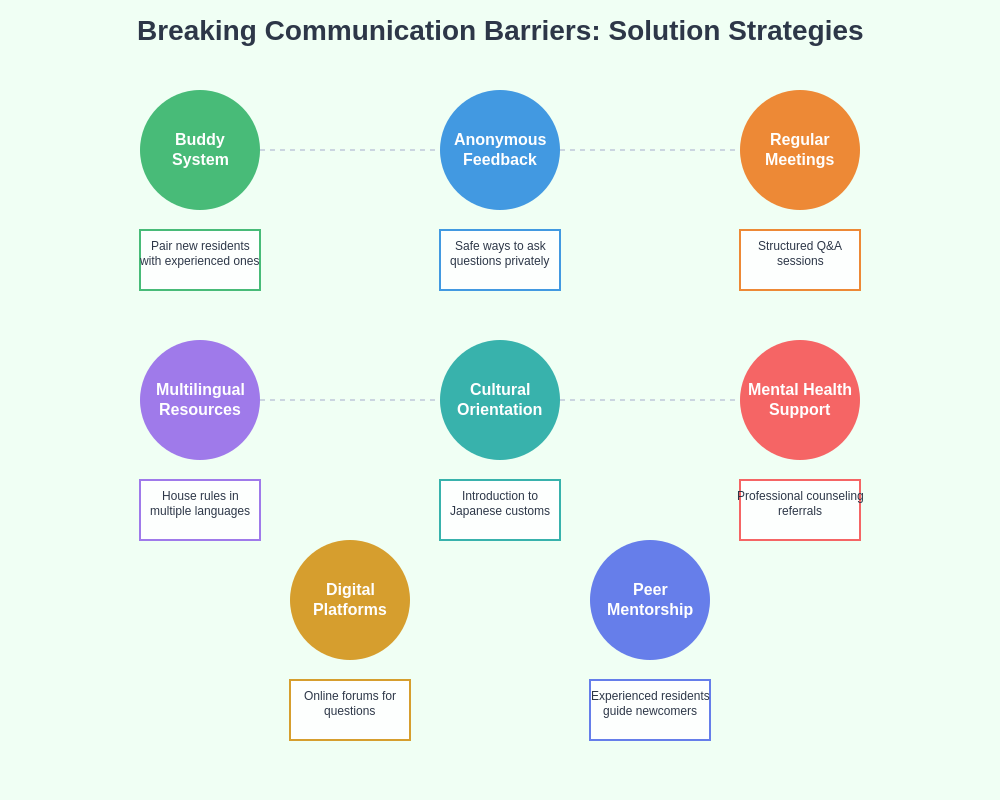
The development of cultural competency among all residents, including those from the host culture, enables more patient and supportive responses to questions that might seem obvious or repetitive but represent genuine attempts at adaptation and integration. Building communities that celebrate curiosity and learning rather than punishing ignorance creates environments where all residents can thrive.
Recognizing that the residents who never ask questions often need the most support and understanding represents a crucial shift in perspective that can transform sharehouse dynamics from exclusionary to genuinely inclusive, benefiting not only the silent residents but the entire community through increased empathy, patience, and cultural awareness.
Disclaimer
This article is for informational purposes only and does not constitute professional psychological or medical advice. The experiences and challenges described may vary significantly among individuals and cultural backgrounds. Readers experiencing significant mental health challenges or communication difficulties should consider consulting with qualified professionals for personalized support and guidance.