The sight of dirty dishes piling up in the shared kitchen sink represents one of the most universally frustrating experiences in sharehouse living, transcending cultural boundaries and creating tension that can poison even the most harmonious living environments. This persistent problem affects residents across Tokyo’s extensive sharehouse network, from budget accommodations in suburban areas to luxury co-living spaces in prime locations, revealing deeper issues about personal responsibility, cultural expectations, and the complex dynamics of shared living spaces.
Understanding why some residents consistently avoid their dish-cleaning responsibilities requires examining a complex web of psychological, cultural, and practical factors that extend far beyond simple laziness or inconsideration. The phenomenon touches on fundamental differences in upbringing, cultural norms around cleanliness and responsibility, and the way individuals adapt to shared living environments after years of independent or family-supported living arrangements.
The Psychology of Avoidance Behavior
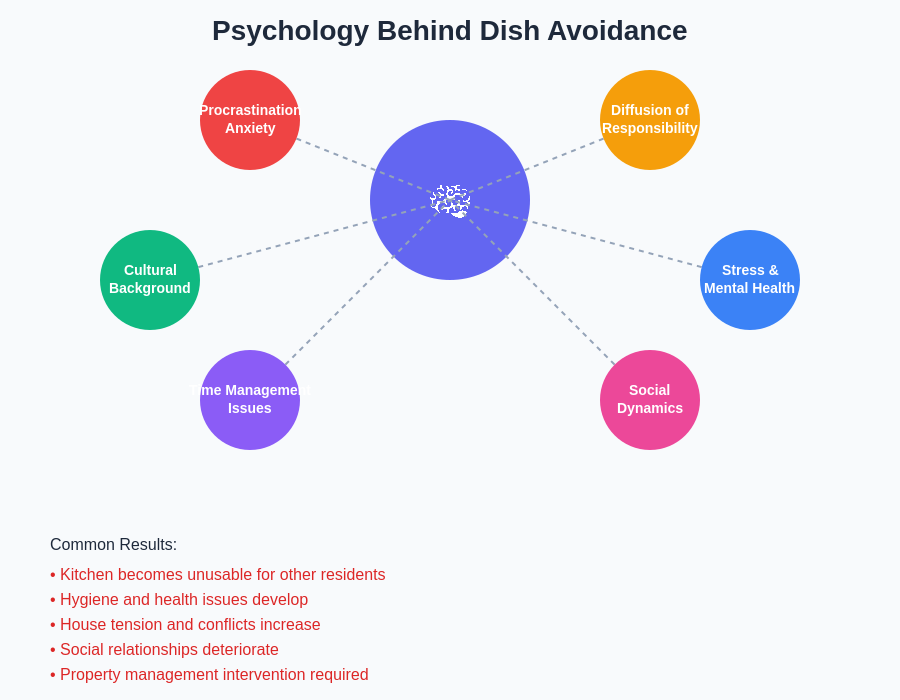
The consistent avoidance of dish cleaning often stems from deeper psychological patterns that residents may not even recognize in themselves. Many individuals develop sophisticated mental mechanisms that allow them to rationalize their behavior, creating elaborate justifications that protect their self-image while perpetuating the problem. Japanese sharehouse rules every foreigner should know outlines standard expectations, but psychological barriers often override explicit agreements and house rules.
Procrastination psychology plays a significant role in dish-related conflicts, with some residents experiencing genuine anxiety or overwhelm when faced with accumulated cleaning tasks. The longer dishes remain unwashed, the more daunting the task becomes, creating a vicious cycle where avoidance leads to greater accumulation, which in turn reinforces the avoidance behavior. This psychological pattern often develops during stressful periods such as job searches, academic pressures, or relationship difficulties, when mental energy becomes focused on other priorities.
The diffusion of responsibility phenomenon becomes particularly pronounced in larger sharehouses where residents can easily assume that someone else will eventually handle the cleaning. This psychological effect increases with house size, as individuals feel less personal accountability when surrounded by more potential dish-washers. The anonymity factor in larger living arrangements allows residents to avoid direct confrontation about their cleaning habits while maintaining plausible deniability about specific instances of neglect.
Cultural Background and Upbringing Influences
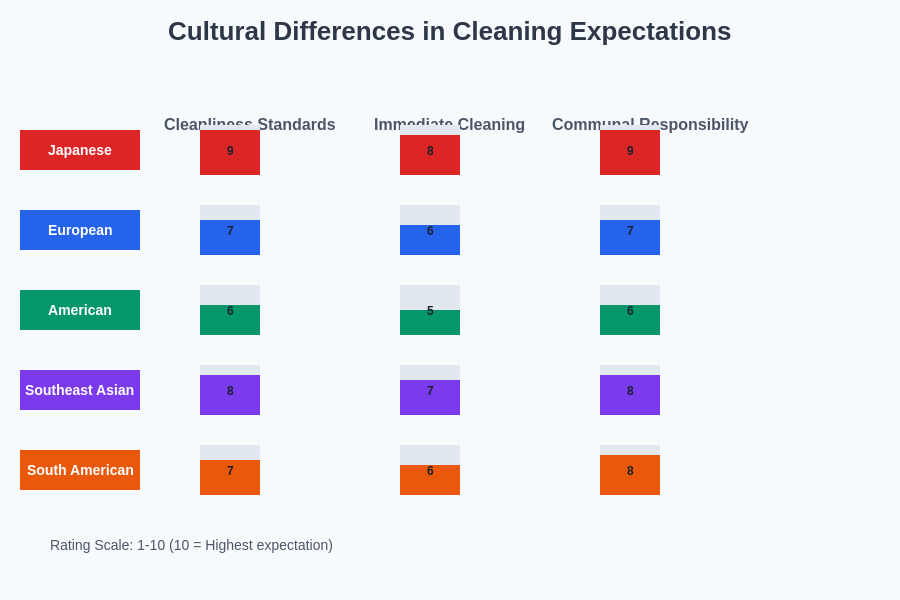
Cultural differences in household responsibility distribution create significant variations in dish-cleaning expectations and behaviors among international sharehouse residents. Many residents arrive from family environments where household tasks were handled by parents, domestic help, or specific family members, leaving them unprepared for the realities of shared domestic responsibilities. Living with Japanese roommates in Tokyo sharehouses explores how different cultural backgrounds create varying expectations around cleanliness and shared responsibilities.
Traditional gender role expectations from various cultures can create conflicts when residents encounter different household responsibility distributions than they experienced growing up. Some residents may have unconscious expectations that others will handle cleaning tasks, while different residents may feel equally justified in avoiding responsibilities they consider outside their cultural norms. These deeply ingrained patterns often persist despite conscious efforts to adapt to sharehouse living requirements.
Economic background differences also influence dish-cleaning behaviors, as residents from affluent families may lack practical experience with routine household maintenance tasks. The transition from environments with domestic help or parental support to completely independent living can be particularly challenging, creating a learning curve that affects multiple aspects of shared living beyond just dish cleaning.
Educational and professional backgrounds contribute to varying standards of acceptable cleanliness and organization, with some residents maintaining high standards in their personal spaces while showing less concern for shared areas. The compartmentalization of cleanliness standards reflects different priorities and values around public versus private space maintenance.
The Tragedy of the Commons in Shared Kitchens
Shared kitchen environments exemplify the classic “tragedy of the commons” problem, where individually rational behavior leads to collectively irrational outcomes that harm everyone’s living experience. Each resident benefits from using clean dishes and cooking equipment, but the individual cost of cleaning creates incentives for free-riding behavior that ultimately degrades the shared resource for everyone.
The absence of immediate personal consequences for leaving dirty dishes allows the behavior to persist without direct feedback, unlike situations where individuals face immediate inconvenience for their actions. Kitchen politics actually work in Japanese sharehouses examines how these dynamics play out in practice, but the fundamental economic incentive structure remains challenging regardless of house rules or social pressure.
Competition for limited kitchen resources creates additional pressures that can exacerbate dish-related conflicts, particularly during peak cooking times when clean equipment availability becomes critical. Residents who consistently leave dishes dirty effectively monopolize kitchen resources, forcing others to either clean borrowed items or find alternative cooking solutions that may be less convenient or more expensive.
The temporal mismatch between cooking convenience and cleaning responsibility creates natural incentives for procrastination, as the immediate benefits of cooking occur before the delayed costs of cleaning. This timing issue becomes more pronounced when residents have different schedules, energy levels, or social commitments that affect their willingness to handle immediate cleaning tasks.
Stress and Mental Health Factors
Mental health challenges significantly impact residents’ ability to maintain consistent cleaning habits, with depression, anxiety, and other conditions affecting motivation and energy levels required for routine household tasks. Real stories from Tokyo sharehouse residents reveals how personal struggles often manifest in deteriorating household contributions before residents feel comfortable discussing underlying issues.
Academic and professional stress can overwhelm residents’ capacity for household maintenance, creating periods where dish cleaning becomes a casualty of more pressing priorities. International residents face additional stressors related to language barriers, cultural adaptation, and visa-related concerns that can drain mental energy available for domestic responsibilities.
Social anxiety around confrontation may prevent residents from addressing dish-related issues directly, allowing problems to accumulate rather than resolving them through communication. The fear of being perceived as demanding or culturally insensitive can silence residents who would otherwise address cleaning issues promptly and effectively.
Seasonal affective patterns influence cleaning motivation, with some residents experiencing reduced energy and motivation during specific times of year that correspond with increased dish-related conflicts. Understanding these patterns helps explain why some residents have inconsistent cleaning habits rather than persistent avoidance.
Time Management and Schedule Conflicts
Different daily schedules among residents create natural conflicts around optimal dish-cleaning times, with some residents preferring immediate cleaning while others batch tasks for convenience. How commute times impact your quality of life explores how work schedules affect domestic routines, but the timing conflicts extend beyond simple availability issues.
Energy level variations throughout the day affect residents’ willingness to handle cleaning tasks, with some individuals functioning better during morning hours while others prefer evening activities. The mismatch between optimal cooking times and optimal cleaning times for different residents creates ongoing scheduling challenges that require negotiation and compromise.
Batch cooking strategies employed by busy residents can create temporary dish accumulation that appears problematic to housemates who prefer immediate cleaning, even when the cooking resident intends to clean everything at once. These different approaches to kitchen efficiency can create perception problems that fuel conflicts even when no actual negligence occurs.
Weekend versus weekday cleaning preferences reflect different lifestyle patterns and social commitments that affect when residents have time and energy available for household tasks. Understanding these temporal preferences helps explain apparent cleaning avoidance that may actually reflect scheduling incompatibilities rather than deliberate negligence.
Social Dynamics and Peer Pressure Effects
House social hierarchies influence cleaning behavior patterns, with newer residents often feeling uncertain about asserting cleaning expectations while established residents may feel entitled to relaxed standards. Making friends through Tokyo sharehouse communities discusses relationship building, but these dynamics also affect willingness to enforce household standards.
The presence of particularly clean or messy residents can establish house norms that influence everyone’s behavior, creating either positive peer pressure toward cleanliness or normalization of declining standards. These social contagion effects mean that individual residents’ habits significantly impact overall house culture around cleaning responsibilities.
Conflict avoidance strategies employed by conflict-averse residents can enable poor cleaning habits to persist unchallenged, as direct confrontation feels too uncomfortable despite growing frustration. The preference for harmony over accountability creates environments where problems fester rather than receiving prompt attention and resolution.
Group cooking activities and social meal preparation can either improve or worsen dish-related problems, depending on whether cleanup responsibilities are clearly established beforehand. How age differences impact sharehouse compatibility touches on generational differences in household responsibility expectations that affect group cooking dynamics.
Economic Incentives and Cost Considerations
The economic structure of sharehouse living often fails to provide adequate incentives for consistent cleaning behavior, as the costs of poor cleaning habits are distributed among all residents while the benefits of avoiding cleaning accrue to individual residents. How to spot financial red flags in sharehouse contracts covers financial issues, but rarely do contracts include specific penalties for cleaning violations.
Time opportunity costs affect residents’ cleaning decisions, with high-earning professionals or students with demanding schedules potentially viewing dish cleaning as economically inefficient compared to their other activities. This economic calculation becomes more pronounced when residents could theoretically hire cleaning services for less than their hourly earning potential.
The absence of individual accountability for shared cleaning costs means that residents who create more dishes don’t face proportional cleaning responsibility, creating moral hazard situations where the heaviest kitchen users have the least incentive to maintain cleanliness standards.
Deposit and damage fee structures typically don’t address ongoing cleaning issues, focusing instead on major damage or end-of-tenancy conditions that don’t capture the daily impact of poor cleaning habits on other residents’ quality of life.
Practical Solutions and Prevention Strategies
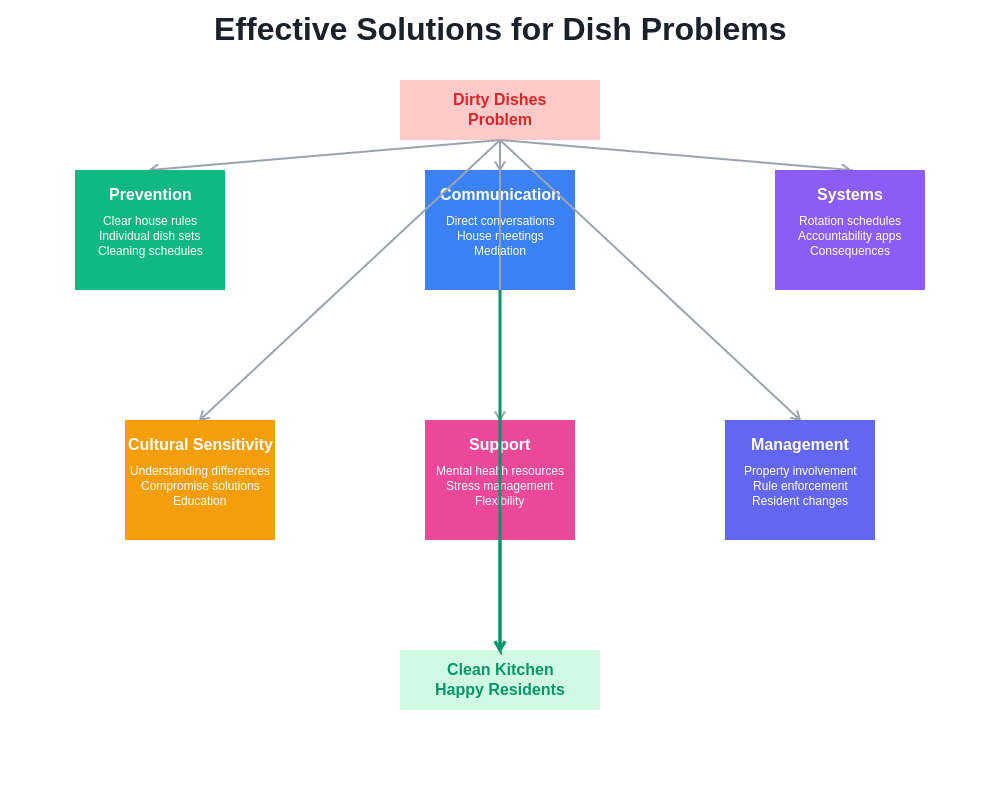
Establishing clear, specific cleaning protocols with immediate accountability measures helps prevent dish-related conflicts before they develop into major house issues. How to handle roommate conflicts without moving out provides conflict resolution strategies, but prevention through clear systems proves more effective than post-conflict mediation.
Individual dish ownership systems where each resident has designated plates, bowls, and utensils can eliminate confusion about cleaning responsibility while providing direct accountability for cleanliness standards. This approach requires initial investment and coordination but dramatically reduces disputes about whose dishes need cleaning.
Scheduled cleaning rotations with specific assignments and deadlines create shared responsibility systems that distribute workload fairly while ensuring consistent kitchen maintenance. The success of rotation systems depends on clear communication, reasonable expectations, and consistent enforcement of established schedules.
Technology solutions such as shared cleaning apps, reminder systems, and photographic documentation can help track cleaning compliance and provide objective evidence for addressing persistent problems. These tools work best when integrated into house rules from the beginning rather than introduced reactively after conflicts develop.
Long-term Impacts on House Dynamics
Persistent dish-related conflicts often escalate into broader relationship problems that affect overall house social dynamics, creating lasting tensions that extend far beyond kitchen cleanliness issues. How cleaning responsibilities create house drama explores how these conflicts develop, but the long-term impacts often prove more serious than the original cleaning disputes.
Residents who consistently avoid cleaning responsibilities may find themselves socially excluded from house activities and friendship formation, as other residents lose respect and trust in their consideration for shared living standards. This social isolation can create additional stress and resentment that further degrades house relationships.
The departure of frustrated residents due to cleaning conflicts represents a significant cost to house stability and community building, as turnover disrupts established relationships and requires ongoing adjustment to new residents with different cleaning standards and expectations.
Property management companies may eventually intervene in houses with persistent cleaning problems, implementing additional rules, fees, or resident restrictions that affect everyone’s living experience and autonomy. Understanding utility bills in Japanese sharehouses covers management relationships, but cleaning issues can trigger more invasive oversight that nobody desires.
The phenomenon of residents never cleaning their dishes reflects complex interactions between individual psychology, cultural background, social dynamics, and the structural challenges inherent in shared living arrangements. Understanding these underlying factors enables more effective prevention strategies and conflict resolution approaches that address root causes rather than just symptoms. Successful sharehouse communities develop clear expectations, fair accountability systems, and supportive environments that make cleaning responsibilities feel manageable rather than burdensome, creating positive feedback loops that benefit everyone’s living experience.
Disclaimer
This article is for informational purposes only and does not constitute professional advice regarding conflict resolution or housing arrangements. The situations described reflect common experiences in shared living environments, but individual circumstances may vary significantly. Readers should consider their specific living situations and local housing regulations when addressing cleaning-related conflicts. The effectiveness of suggested solutions may depend on house-specific factors, resident personalities, and management policies that differ between properties.