The phenomenon of adult residents living in sharehouses for extended periods without developing fundamental life skills presents a complex challenge that affects not only individual growth but also community dynamics and overall living quality. Despite being surrounded by opportunities for learning and development, certain residents remain dependent on others for basic tasks that most adults master during their transition to independence, creating frustration and imbalance within shared living environments.
Understanding why some individuals fail to acquire essential capabilities such as cooking, cleaning, financial management, and social communication requires examining psychological barriers, environmental factors, and cultural influences that perpetuate dependency and resistance to personal growth. The sharehouse environment, while offering potential for skill development through observation and necessity, sometimes inadvertently enables avoidance of responsibility and continued reliance on others for basic survival needs.
The Psychology of Learned Helplessness in Shared Living
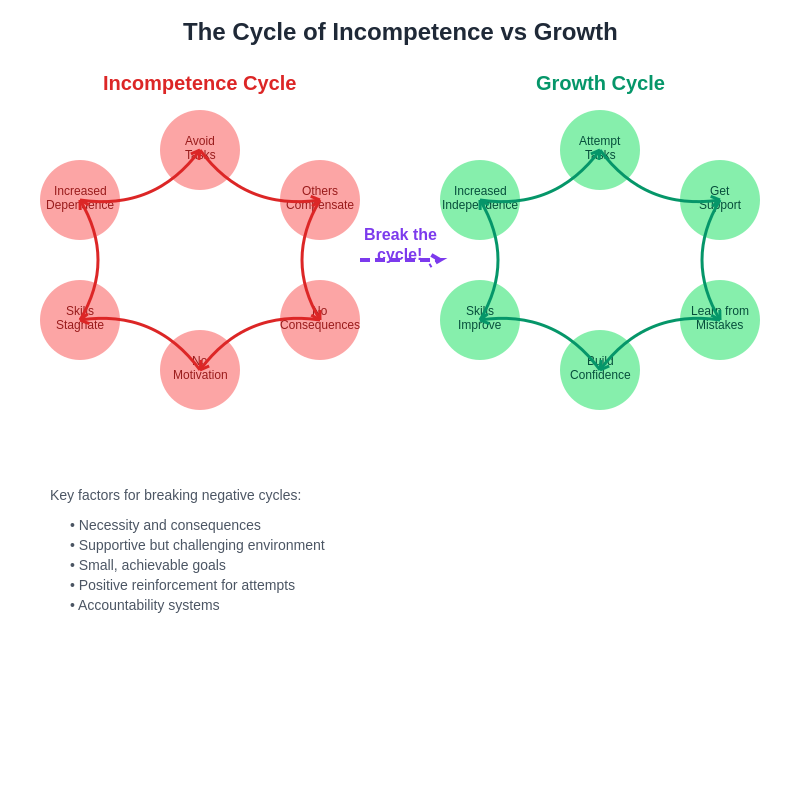
Learned helplessness represents one of the primary psychological mechanisms that prevents residents from developing essential life skills, particularly when living arrangements provide safety nets that eliminate immediate consequences for incompetence. When individuals discover that others will consistently handle tasks they avoid or perform poorly, the motivation to improve diminishes significantly, creating cycles of dependency that become increasingly difficult to break over time.
The sharehouse environment can inadvertently reinforce helpless behaviors through well-meaning roommates who step in to maintain cleanliness standards, ensure bills get paid, or provide meals when someone demonstrates inability or unwillingness to handle these responsibilities independently. Living with Japanese roommates in Tokyo sharehouses often involves cultural expectations of mutual assistance that can enable continued incompetence rather than encouraging skill development.
Psychological comfort zones expand to encompass the entire living situation when residents realize they can maintain acceptable living standards without personal effort or growth. The absence of immediate negative consequences creates false security that masks the long-term implications of skill deficits on personal development, career prospects, and relationship building both within and outside the sharehouse community.
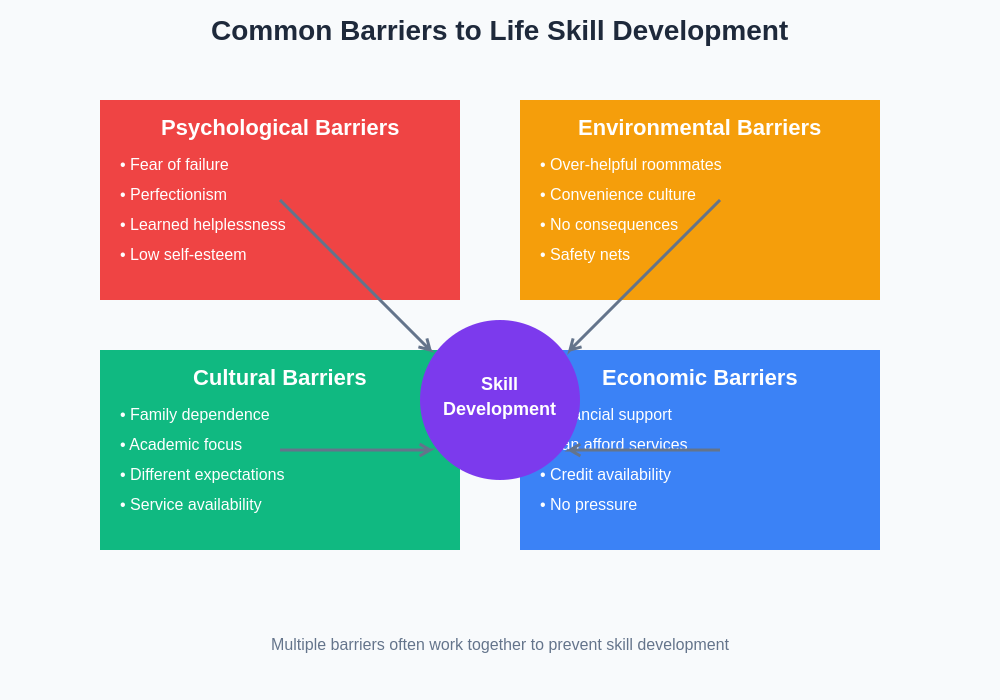
Fear of failure and perfectionism paradoxically contribute to skill avoidance, as individuals who have never learned basic competencies often develop anxiety about attempting tasks they perceive as simple or automatic for others. This creates avoidance behaviors that prevent the trial-and-error learning necessary for skill acquisition, particularly when surrounded by competent roommates whose abilities highlight personal deficiencies.
Cultural and Family Background Influences
Family dynamics and cultural upbringing significantly influence adult capacity for independent living, with some individuals arriving at sharehouses having never been required to develop basic self-care capabilities due to overprotective parenting or cultural norms that delay independence expectations. Japanese sharehouse rules every foreigner should know often assume basic competency levels that some residents lack due to different cultural preparation for independent living.
Socioeconomic backgrounds that provided extensive domestic support through hired help or family members can leave young adults unprepared for the realities of self-sufficiency, particularly when transitioning directly from dependent family situations to shared living arrangements without intermediate periods of complete independence. The assumption that basic skills develop naturally often proves false when examining residents who have never faced necessity-driven learning situations.
Cultural differences in independence expectations create varying comfort levels with dependency, as some backgrounds normalize extended family support and collective responsibility in ways that translate poorly to sharehouse living dynamics. Understanding these differences becomes crucial for addressing skill deficits without creating shame or cultural insensitivity that could further inhibit learning attempts.
Educational systems that prioritize academic achievement over practical life skills often produce individuals who excel in theoretical knowledge while lacking basic capabilities for daily living management. Student sharehouses near top Tokyo universities frequently house academically successful individuals who struggle with fundamental tasks outside their areas of expertise.
The Convenience Culture Trap
Modern convenience culture provides numerous alternatives to skill development that can perpetuate incompetence by offering easy solutions that require minimal effort or learning. Food delivery services, cleaning services, and digital payment systems remove the immediate necessity that historically drove skill acquisition, allowing individuals to maintain lifestyles without developing underlying capabilities.
The abundance of convenience options in urban environments like Tokyo creates opportunities for residents to avoid learning through outsourcing, particularly when financial resources permit continued reliance on external services rather than internal capability development. Living costs in Tokyo sharehouses explained often includes budgets that accommodate convenience services rather than encouraging self-sufficiency development.
Technology dependence can replace skill development when individuals rely exclusively on apps, devices, and automated systems for tasks that previous generations handled through learned competencies. While technology offers valuable tools, over-reliance can prevent the development of underlying understanding and problem-solving abilities that enable adaptation when technological solutions fail or become unavailable.
Instant gratification expectations fostered by digital culture conflict with the patience and persistence required for skill development, particularly when learning involves uncomfortable periods of incompetence before achieving basic proficiency. The contrast between immediate digital solutions and gradual skill building often leads to abandonment of learning attempts in favor of continued external dependence.
Social Dynamics and Enabling Behaviors
Sharehouse social dynamics often inadvertently support continued incompetence through enabling behaviors that arise from residents’ desires to maintain harmonious living environments and avoid confrontation about skill deficits. How to handle roommate conflicts without moving out becomes relevant when addressing skill-related issues that affect community living quality.
Competent residents frequently find it easier to handle tasks themselves rather than invest time and energy in teaching or requiring incompetent roommates to develop necessary skills, particularly when immediate cleanliness, safety, or bill payment issues require prompt resolution. This short-term problem-solving approach prevents long-term skill development while creating resentment and dependency patterns.
Conflict avoidance behaviors lead many residents to accommodate incompetence rather than address it directly, creating environments where skill deficits persist without consequence or motivation for improvement. The desire to maintain friendly relationships often overrides the necessity of requiring personal growth and responsibility from community members.
Peer pressure dynamics can work both positively and negatively, with some house cultures normalizing incompetence while others create expectations for growth and development. Making friends through Tokyo sharehouse communities often depends on contributing meaningfully to community life, which requires basic life skills.
Economic Factors and Financial Dependencies
Economic privilege can paradoxically hinder skill development when financial resources provide alternatives to personal competency, allowing individuals to maintain lifestyles through purchasing solutions rather than developing capabilities. How much Tokyo sharehouses really cost per month varies significantly based on whether residents rely on convenience services or personal skills for daily needs.
Family financial support that continues into adulthood can remove the economic pressure that traditionally motivates skill acquisition, particularly when parents or relatives provide ongoing assistance that eliminates consequences for incompetence. This external support can maintain dependency relationships that prevent natural development through necessity.
Employment situations that provide high income without requiring practical skills can create false confidence about life management capabilities while obscuring fundamental deficits in basic living competencies. Professional success in narrow areas often fails to translate to general life skills, creating individuals who excel in specific domains while struggling with elementary daily tasks.
Credit availability and financial instruments can temporarily mask the consequences of poor financial management skills, allowing individuals to maintain unsustainable spending patterns without developing budgeting, planning, or resource management capabilities that enable long-term stability and independence.
Psychological Barriers to Learning
Perfectionism and fear of judgment create significant barriers to skill development when individuals avoid attempting tasks due to anxiety about performing poorly in front of roommates or failing to meet perceived standards. The public nature of sharehouse living can intensify performance anxiety around basic tasks that others handle competently and automatically.
Identity protection mechanisms lead some residents to avoid skill development attempts that might reveal incompetence or challenge self-perceptions about their capabilities and intelligence. Maintaining an image of competence through avoidance becomes preferable to risking exposure of fundamental deficits in areas considered basic for adults.
Cognitive dissonance between self-perception and reality creates mental frameworks that rationalize continued incompetence through external attribution, blaming circumstances, cultural differences, or lack of proper instruction rather than acknowledging personal responsibility for skill development. Cultural differences that affect friendship building often provide convenient explanations for avoiding growth opportunities.
Depression and anxiety disorders can significantly impair motivation and energy for skill development, creating cycles where incompetence increases stress and mental health challenges, which further reduce capacity for learning and growth. Understanding these psychological factors becomes essential for addressing skill deficits with appropriate support and expectations.
The Role of Immediate vs Long-term Consequences
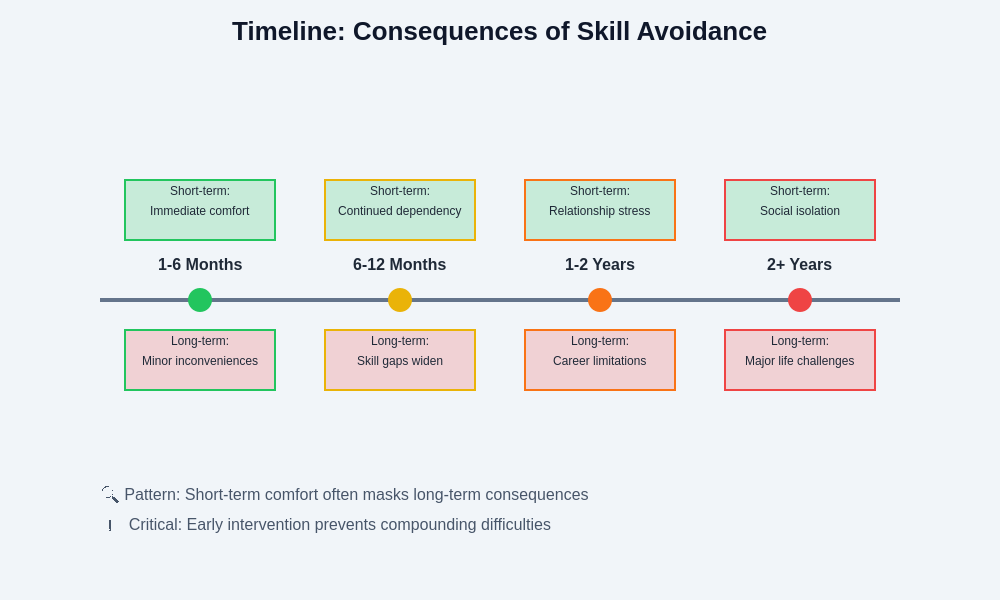
The absence of immediate negative consequences for incompetence in sharehouse settings allows skill deficits to persist without creating motivation for change, particularly when other residents compensate for individual shortcomings to maintain overall living quality. The delayed nature of long-term consequences makes them less psychologically compelling than immediate comfort and convenience.
Shared responsibility systems can diffuse individual accountability in ways that prevent natural learning through consequence, particularly when group approaches to problem-solving minimize personal ownership of specific skill areas. Understanding utility bills in Japanese sharehouses often involves shared management that can obscure individual financial responsibility.
Social safety nets within sharehouse communities provide security that reduces urgency for personal development, creating environments where incompetence becomes sustainable through community support rather than individual growth. While mutual aid represents positive community values, it can inadvertently prevent necessary personal development when applied without boundaries or expectations for reciprocity.
Future planning deficits prevent individuals from connecting current skill development with long-term life goals, career advancement, and relationship building opportunities that require basic competencies. The focus on immediate comfort and convenience often overshadows consideration of how current dependencies will affect future independence and success.
Breaking Cycles of Incompetence
Skill development requires structured approaches that break down complex tasks into manageable components while providing appropriate support and accountability systems that encourage growth without enabling continued dependence. How to find the perfect sharehouse in Tokyo should include consideration of house cultures that promote personal development rather than enabling dependency.
Creating necessity through gradual reduction of external support allows individuals to develop skills through experience while maintaining safety nets that prevent serious consequences during learning periods. This balanced approach requires careful calibration to provide sufficient challenge without overwhelming incompetent individuals with impossible expectations.
Mentorship and teaching opportunities within sharehouse communities can transform skill deficits into learning experiences that benefit both incompetent residents and those willing to share knowledge, creating positive community dynamics around growth and development rather than frustration and resentment about persistent incompetence.
Accountability systems that combine personal responsibility with community support create frameworks for sustainable skill development that address psychological barriers while maintaining expectations for growth and contribution to shared living environments. Real stories from Tokyo sharehouse residents often include examples of successful personal development through community support and individual commitment.
Long-term Implications and Community Impact
Persistent incompetence affects not only individual residents but entire sharehouse communities through increased workload distribution, reduced living quality, and social tensions that arise from unequal contribution to shared responsibilities. Living costs in Tokyo sharehouses explained often includes hidden costs associated with compensating for incompetent residents.
Career and relationship development suffers when basic life skills remain undeveloped, as professional advancement and personal relationships increasingly require demonstration of independence, responsibility, and competence in fundamental areas of daily living management. The sharehouse period often represents crucial years for establishing these foundational capabilities.
Mental health and self-esteem issues can develop or worsen when individuals recognize their incompetence but feel unable to address it effectively, creating cycles of shame, avoidance, and further dependency that become increasingly difficult to break as time passes and skill gaps widen relative to peers.
Community reputation and resident satisfaction decline in sharehouses where incompetence becomes normalized or tolerated, affecting the overall living experience for all residents and potentially creating environments that attract or enable continued problematic behaviors rather than promoting growth and positive community development.
The challenge of addressing persistent incompetence in sharehouse settings requires understanding the complex interplay of psychological, cultural, economic, and social factors that create and maintain skill deficits in adult residents. Effective interventions must address underlying causes while creating supportive yet challenging environments that promote genuine development rather than continued dependence on others for basic survival needs.
Disclaimer
This article is for informational purposes only and does not constitute professional psychological or medical advice. Individual circumstances vary significantly, and persistent difficulties with basic life skills may indicate underlying mental health conditions that require professional support. Readers should approach these topics with sensitivity and seek appropriate professional guidance when needed. The examples provided are general observations and may not apply to all sharehouse situations or residents.