The phenomenon of residents choosing isolation within sharehouses presents a fascinating paradox in communal living environments designed specifically for social interaction and cultural exchange. While sharehouses traditionally attract individuals seeking community connections and shared experiences, a significant subset of residents deliberately maintains distance from their housemates, creating invisible boundaries within shared spaces that serve crucial psychological and practical functions in their daily lives.
Understanding why some residents gravitate toward isolation requires examining complex interplay between personality traits, cultural backgrounds, life circumstances, and individual coping mechanisms that influence social behavior in shared living environments. These choices often reflect deeper needs for privacy, control, and emotional regulation that supersede the conventional expectations of communal living arrangements.
The Psychology Behind Social Withdrawal in Shared Spaces
The decision to maintain isolation within sharehouses stems from fundamental psychological needs that vary significantly among individuals, particularly those navigating the stress of living in foreign cultural environments. How cultural differences affect friendship building explores how diverse backgrounds can create barriers that some residents find overwhelming rather than enriching.
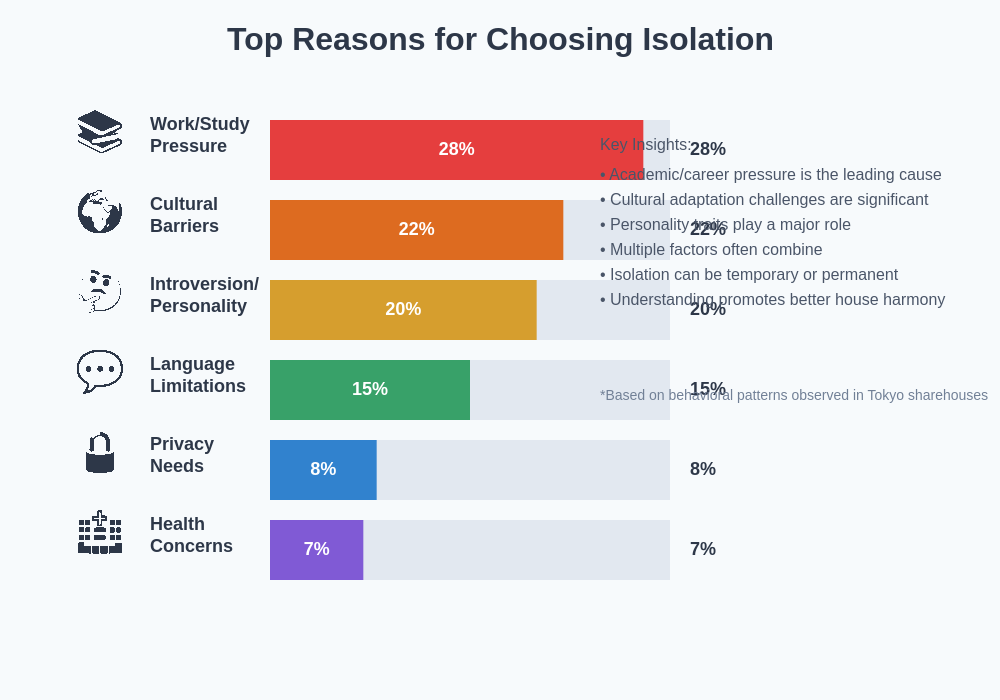
Introversion plays a central role in isolation preferences, as individuals with introverted personalities require solitude to recharge their emotional and mental energy after social interactions. The constant presence of housemates in common areas can create persistent low-level stress for introverts who need quiet spaces to process experiences and maintain psychological equilibrium throughout demanding daily routines.
Cultural adaptation stress compounds these natural tendencies toward solitude, particularly for international residents who experience continuous cognitive load from navigating language barriers, social customs, and professional expectations. The sharehouse environment, while supportive, can become another source of social pressure that exhausted individuals choose to minimize through strategic avoidance of common areas and group activities.
Mental health considerations significantly influence isolation preferences, as residents dealing with anxiety, depression, or adjustment disorders may find social interactions emotionally taxing rather than restorative. How mental health support varies in sharehouses highlights how different environments accommodate residents with varying psychological needs and social comfort levels.
Work and Study Pressures Creating Social Distance
Professional and academic demands often necessitate isolation strategies among sharehouse residents who prioritize career advancement or educational achievement over social connections. The intense work culture prevalent in many industries requires individuals to dedicate extensive time and mental energy to professional responsibilities, leaving limited capacity for maintaining meaningful social relationships with housemates.
Graduate students and researchers frequently exhibit isolation behaviors driven by demanding academic schedules, thesis deadlines, and the solitary nature of scholarly work that requires extended periods of focused concentration. How academic deadlines affect house mood examines how study pressures influence social dynamics and individual withdrawal patterns within shared living environments.
Remote work arrangements have paradoxically increased isolation tendencies among some residents who spend entire days within their private rooms, using sharehouse spaces primarily for basic needs rather than social interaction. The blurred boundaries between work and living spaces create situations where professional obligations supersede community engagement, leading to natural withdrawal from household social structures.
Career transition periods often trigger temporary isolation behaviors as individuals focus intensively on job searching, skill development, or professional networking activities that require privacy and concentrated effort. The stress associated with career uncertainty can make social interactions feel burdensome rather than supportive, prompting residents to retreat into private spaces for emotional protection.
Cultural and Language Barriers Fostering Withdrawal
Language limitations create significant barriers to meaningful social interaction that push some residents toward isolation as a defense mechanism against embarrassment, frustration, or miscommunication. How language barriers prevent deep friendships explores how communication difficulties can lead to social withdrawal rather than continued attempts at connection.
Cultural misunderstandings and different social expectations can create uncomfortable situations that some residents prefer to avoid entirely rather than navigate repeatedly. The emotional labor required to constantly explain cultural practices, defend personal choices, or adapt to unfamiliar social norms can become exhausting for individuals who choose isolation as a preservation strategy.
Shame or self-consciousness about language abilities, cultural knowledge, or social skills can drive residents to minimize interactions where these perceived deficiencies might be exposed. The fear of judgment or ridicule from housemates creates anxiety that some individuals manage through strategic avoidance rather than gradual skill building through practice.
Different concepts of privacy and personal space across cultures can lead to conflicts that some residents resolve through withdrawal rather than negotiation. How personal space needs vary dramatically examines how cultural differences in spatial expectations influence social behavior and isolation preferences.
Economic Motivations and Practical Considerations
Financial constraints often drive isolation behaviors among residents who view sharehouses primarily as affordable accommodation rather than social opportunities. These economically motivated residents may limit participation in group activities, shared meals, or entertainment expenses to maintain strict budget discipline, creating natural distance from more socially active housemates.
The temporary nature of many sharehouse arrangements influences some residents to avoid deep social connections that might complicate future moving decisions or create emotional attachments that interfere with practical housing choices. How to calculate your true living costs reveals how financial planning considerations can override social motivations in housing decisions.
Part-time work schedules and irregular employment patterns can create practical barriers to social participation that evolve into habitual isolation behaviors. Residents working night shifts, weekend jobs, or multiple part-time positions may find their schedules incompatible with typical household social rhythms, leading to natural separation from community activities.
Visa restrictions and employment limitations can create stress and uncertainty that some residents manage through social withdrawal rather than explaining complex legal situations to curious housemates. The vulnerability associated with precarious legal status can motivate isolation as a protective mechanism against unwanted attention or questions.
Age and Life Stage Differences
Generational gaps within sharehouses can create social divisions that lead some residents, particularly older individuals, to prefer isolation rather than attempting to bridge significant age-related differences in interests, communication styles, and lifestyle preferences. How age differences impact sharehouse compatibility explores how these dynamics influence social interaction patterns.
Life stage misalignments between residents focused on different priorities such as career establishment, family planning, or retirement preparation can create natural distances that some individuals prefer to maintain rather than navigate through forced social interactions. The energy required to find common ground across vastly different life circumstances can feel overwhelming for residents dealing with their own transition challenges.
Professional maturity levels and workplace experience differences can create uncomfortable social dynamics where some residents feel either patronized or responsible for mentoring others, leading to withdrawal as a strategy for avoiding these complex interpersonal situations that blur boundaries between personal and professional relationships.
Different social energy levels and entertainment preferences across age groups can result in isolation by older or younger residents who find household activities either too intense or insufficiently stimulating for their needs and interests.
Past Traumatic Experiences and Trust Issues
Previous negative experiences with roommates or shared living situations can create lasting reluctance to engage socially within new sharehouse environments. Residents who have experienced theft, betrayal, harassment, or conflict in previous living arrangements may develop protective isolation behaviors as a coping mechanism against potential future problems.
Trust issues stemming from cultural shock, discrimination experiences, or social rejection can lead some residents to preemptively withdraw rather than risk additional emotional harm through attempted friendships or community participation. How discrimination laws apply to sharehouse selection addresses some systemic issues that can create defensive behaviors.
Social anxiety disorders and past bullying experiences can make group interactions feel threatening rather than enjoyable, pushing affected residents toward isolation as a means of emotional self-preservation. The courage required to repeatedly engage with new people can feel overwhelming for individuals with histories of social trauma.
Family or relationship problems can create emotional states where residents need solitude to process difficult situations without the added complexity of maintaining social facades or explaining personal struggles to relatively unfamiliar housemates.
Digital Technology and Virtual Social Connections
The availability of digital communication platforms allows some residents to maintain rich social lives through online connections while minimizing face-to-face interactions within their physical living environment. Video calls with family and friends in home countries can fulfill social needs more satisfactorily than attempting to build relationships with culturally different housemates.
Gaming communities and virtual social networks provide structured social interactions that some residents prefer over the unpredictable dynamics of sharehouse relationships. How gaming communities have different sleep schedules examines how digital social preferences can create physical isolation within shared living spaces.
Social media engagement and online content creation can consume significant time and energy that might otherwise be directed toward household social activities. The dopamine rewards from virtual interactions can reduce motivation for investing in more challenging face-to-face relationship building with housemates.
Remote social activities such as online classes, virtual meetups, or digital hobby groups can provide social fulfillment while allowing residents to maintain privacy and control over their social environment in ways that sharehouse interactions cannot offer.
Health and Medical Privacy Concerns
Chronic illness management often requires privacy and routine predictability that communal living can disrupt, leading some residents to minimize social interactions to maintain necessary health routines without scrutiny or unwanted advice from well-meaning housemates. How illness spreads faster in sharehouses highlights health considerations that influence social behavior.
Mental health medication schedules and therapy appointments can create needs for privacy that some residents protect through social withdrawal rather than disclosure of personal medical information to housemates. The stigma associated with mental health treatment can motivate isolation behaviors as a protective strategy.
Dietary restrictions related to medical conditions can make shared meals and kitchen interactions complicated, leading some residents to develop solitary eating habits and kitchen usage patterns that minimize questions and social pressure around food choices.
Sleep disorders and irregular sleep patterns required for health management can create schedule conflicts with typical household social activities, resulting in natural isolation patterns that prioritize health needs over community participation.
Personal Growth and Self-Discovery Phases
Some residents consciously choose isolation periods as part of personal development journeys that require introspection, meditation, or focused self-work that social interactions might interrupt or complicate. These intentional solitude phases serve important psychological functions for individuals navigating major life transitions or personal growth processes.
Creative pursuits and artistic endeavors often require solitary work environments that some residents prioritize over social activities, viewing their sharehouse room as a studio or workspace rather than simply a bedroom within a social community. The protection of creative energy and inspiration can motivate temporary or permanent isolation behaviors.
Spiritual practices and religious observances may create needs for privacy and quiet that conflict with typical sharehouse social rhythms, leading some residents to withdraw during specific periods or maintain general distance to accommodate their spiritual requirements.
Learning new skills or languages through intensive self-study can require focused concentration and practice time that social residents achieve through strategic isolation from household distractions and social obligations.
Practical Strategies for Healthy Isolation
Understanding that isolation preferences can be legitimate and healthy helps create sharehouse environments that accommodate diverse social needs without judgment or pressure for universal participation in community activities. How to handle roommate conflicts without moving out provides insights into managing different social expectations within shared living spaces.
Successful isolation within sharehouses requires clear communication about boundaries and preferences to prevent misunderstandings or hurt feelings among more socially oriented housemates. Explaining personal needs without extensive justification helps maintain household harmony while protecting individual well-being.
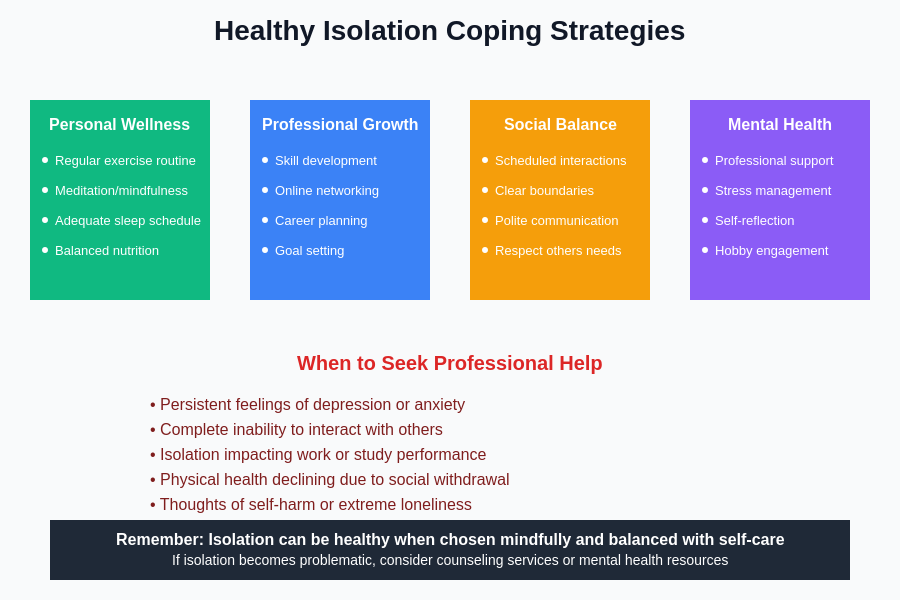
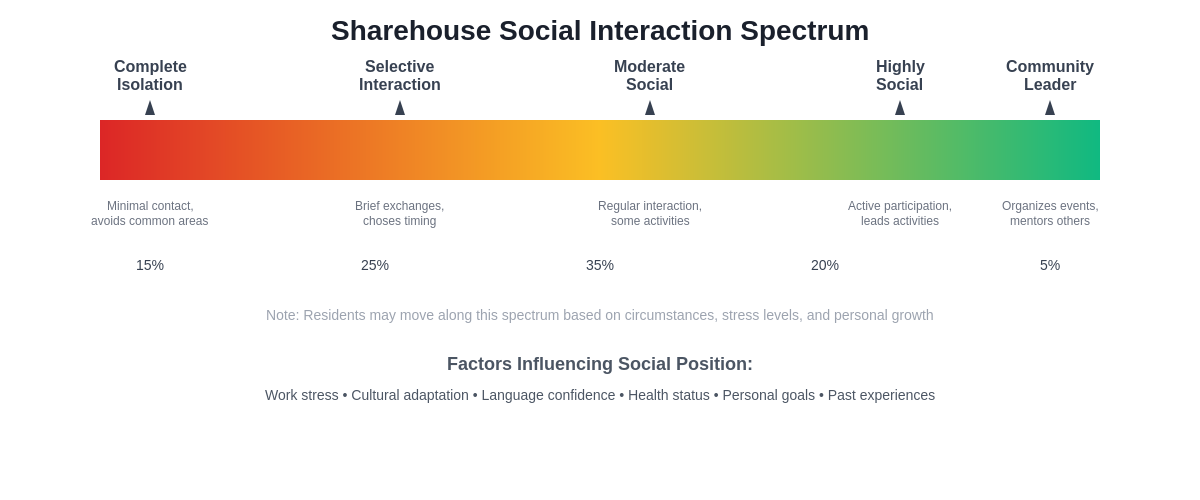
Creating structured opportunities for minimal social interaction such as brief kitchen encounters or polite greetings allows isolated residents to maintain basic courtesy and household functionality without committing to extensive social engagement that might feel overwhelming or inappropriate for their current needs.
Seasonal or periodic evaluation of isolation needs helps residents adjust their social engagement levels based on changing circumstances, stress levels, work demands, or personal growth phases that might require different balances between solitude and community participation.
The recognition that isolation preferences within sharehouses reflect diverse individual needs rather than antisocial behavior helps create more inclusive and understanding living environments where all residents can thrive according to their authentic social and emotional requirements. Healthy sharehouse communities accommodate various social styles while maintaining basic respect and functional cooperation among all residents.
Disclaimer
This article is for informational purposes only and does not constitute professional psychological or medical advice. Individual social needs vary significantly, and residents experiencing persistent social withdrawal should consider consulting mental health professionals if their isolation significantly impacts their well-being or daily functioning. Sharehouse dynamics are complex, and what works for one individual may not be suitable for others.