The phenomenon of premium brand preference among sharehouse residents in Tokyo reveals fascinating insights into consumer psychology, cultural identity formation, and social dynamics within shared living environments. Despite the budget-conscious nature that typically drives individuals toward communal housing, many residents consistently choose higher-priced products across various categories, from personal care items to electronics and clothing. Understanding these preferences provides valuable perspectives on how modern international communities navigate identity, status, and quality considerations while living in Japan’s expensive urban environment.
The complexity of brand choice decisions in sharehouse settings extends far beyond simple price comparisons, encompassing cultural background influences, peer pressure dynamics, quality expectations, and long-term value calculations that often justify higher initial investments. These preferences frequently create interesting tensions within house communities, where residents with varying financial capabilities and cultural attitudes toward consumption must coexist in shared spaces while making individual purchasing decisions that affect group dynamics.
Cultural Identity and Brand Symbolism in Shared Spaces
Living in a sharehouse environment intensifies the symbolic meaning of personal possessions and brand choices, as residents navigate the delicate balance between expressing individual identity and fitting into communal living spaces. Living with Japanese roommates in Tokyo sharehouses often exposes international residents to different consumption patterns and brand loyalties that influence their own purchasing decisions over time.
Premium brands serve as cultural anchors for many international residents who find themselves disconnected from familiar shopping environments and social circles. The recognizable logos, consistent quality standards, and global availability of luxury brands provide psychological comfort and continuity in an otherwise foreign consumer landscape. This emotional attachment to familiar premium brands often outweighs rational cost-benefit analyses, particularly during the initial adjustment period when residents seek stability and familiarity.
Japanese brand culture places significant emphasis on quality, craftsmanship, and attention to detail, influencing both local and international residents to reconsider their relationship with premium products. The exposure to Japanese premium brands known for exceptional quality creates new appreciation for higher-priced items that demonstrate superior functionality, durability, and aesthetic appeal compared to budget alternatives commonly available in other markets.
Social signaling through brand choices becomes particularly complex in multicultural sharehouse environments where residents come from vastly different economic backgrounds and cultural contexts. Premium brand preferences often reflect attempts to communicate social status, professional success, or cultural sophistication to housemates who may interpret these signals differently based on their own cultural frameworks and economic experiences.
Quality Justification and Long-term Value Perception
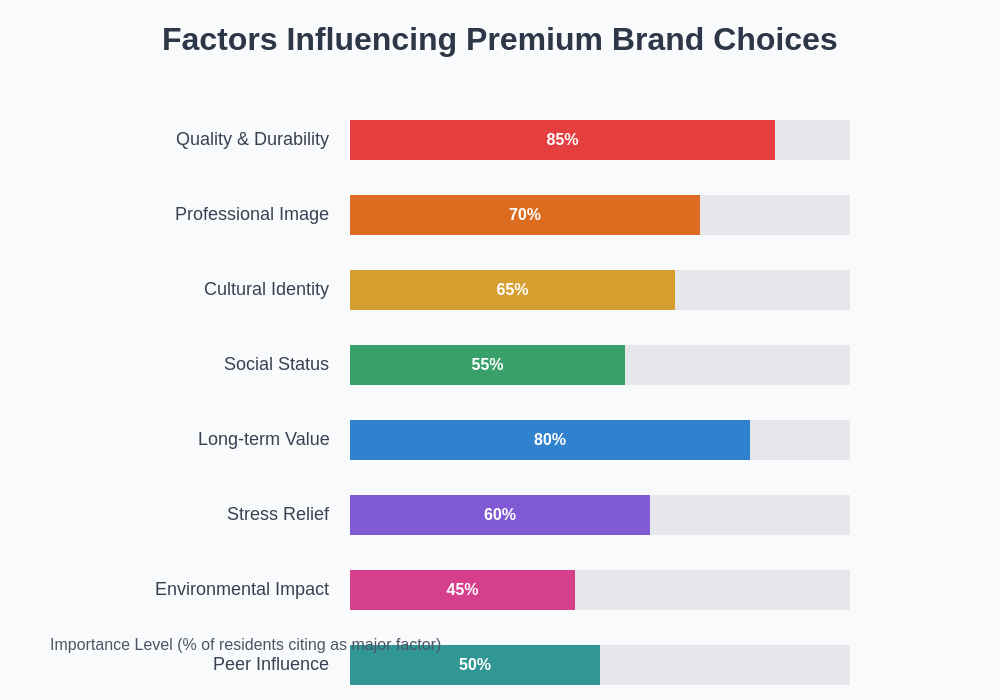
The pursuit of premium brands among cost-conscious sharehouse residents often stems from sophisticated cost-per-use calculations that prioritize long-term value over immediate savings. How to budget realistically for sharehouse living requires understanding how quality investments can actually reduce overall expenses through improved durability, performance, and satisfaction levels.
Electronics represent a particularly clear example of premium brand justification, where higher initial costs translate into superior performance, longer lifespan, and better resale value that ultimately provides better economic outcomes than cheaper alternatives. Residents frequently discover that premium laptops, smartphones, and kitchen appliances maintain functionality and value throughout their stay in Japan, while budget options require replacement or repair that exceeds the original price difference.
Personal care and cosmetic products demonstrate another area where premium brand preferences reflect quality considerations rather than pure status seeking. The superior formulations, ingredient quality, and effectiveness of higher-priced beauty products often justify their cost through better results, reduced skin sensitivity, and longer-lasting effects that make them more economical on a per-use basis.
Clothing and fashion items from premium brands typically offer better materials, construction quality, and timeless designs that maintain appearance and functionality through frequent use and washing cycles common in sharehouse environments. The durability advantage becomes particularly important when residents have limited storage space and must rely on a smaller wardrobe that receives more intensive use than typical home-based clothing collections.
Social Dynamics and Peer Influence Effects
The sharehouse environment creates unique social pressures and opportunities for brand preference development through daily exposure to housemates’ consumption choices and lifestyle demonstrations. Making friends through Tokyo sharehouse communities often involves sharing experiences with different products and brands that influence individual purchasing decisions over time.
Communal kitchen and bathroom spaces become inadvertent showrooms where residents continuously observe and evaluate the performance, aesthetics, and user experience of various brand choices made by their housemates. This constant exposure to premium products in use creates opportunities for residents to experience quality differences firsthand, often leading to gradual shifts toward higher-quality brands even among initially budget-focused individuals.
The social aspect of consumption becomes amplified in sharehouse settings where residents frequently share products, discuss purchases, and seek recommendations from housemates with different cultural backgrounds and expertise areas. These informal product demonstrations and testimonials carry significant weight in brand preference formation, often overcoming initial price resistance through direct experience of superior performance or quality.
Group purchasing dynamics occasionally emerge around premium brands, where residents coordinate bulk orders or share expensive items that individual budget constraints might otherwise prohibit. These collaborative consumption patterns allow budget-conscious residents to access premium brands through cost-sharing arrangements that maintain individual preferences while respecting financial limitations.
Professional Image and Career Considerations
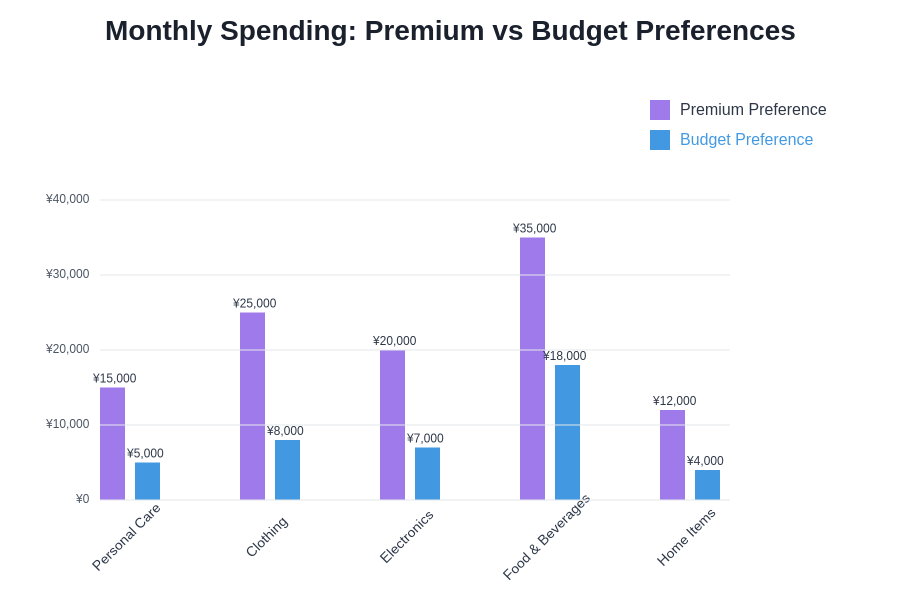
Career advancement considerations significantly influence premium brand preferences among working professionals living in sharehouses, particularly in image-conscious industries where personal presentation directly impacts professional opportunities. Business district sharehouses near Tokyo Station attract residents who understand the importance of maintaining professional appearances through quality clothing, accessories, and grooming products.
The competitive Tokyo job market places considerable emphasis on attention to detail and quality presentation, making premium brand choices strategic career investments rather than frivolous spending. Professional clothing from established brands communicates competence, attention to quality, and cultural awareness that can influence hiring decisions, client relationships, and promotion opportunities in ways that justify higher clothing expenditures.
Technology products represent another category where premium brand choices reflect professional requirements rather than personal preferences. High-quality laptops, tablets, and smartphones enable more effective remote work capabilities, professional video conferencing, and reliable performance that directly impacts career productivity and advancement opportunities for sharehouse residents working in competitive fields.
Grooming and personal care products from premium brands often provide superior performance under the stress and demands of Tokyo’s professional environment, maintaining appearance quality throughout long work days and humid weather conditions that challenge budget alternatives. The reliability and effectiveness of premium products become particularly valuable for residents who cannot afford grooming failures during important professional interactions.
Stress Relief and Lifestyle Enhancement Benefits
Premium brand consumption often serves important psychological functions for sharehouse residents dealing with the stresses of international living, career building, and cultural adaptation in Tokyo’s demanding environment. How stress management techniques become necessary includes understanding how quality products contribute to daily comfort and mental well-being.
Luxury food and beverage items provide accessible indulgences that offer psychological comfort and familiar flavors from home countries without requiring significant lifestyle changes or major financial commitments. Premium coffee, tea, chocolate, and specialty foods create moments of pleasure and normalcy that help residents cope with cultural stress and homesickness more effectively than budget alternatives.
High-quality bedding, bath products, and personal comfort items become particularly important in shared living environments where residents have limited control over common area aesthetics and comfort levels. Premium personal items create private sanctuaries of quality and comfort within otherwise utilitarian sharehouse rooms, providing psychological benefits that justify higher costs.
Exercise and wellness products from premium brands often deliver superior performance that encourages consistent use and better health outcomes, contributing to overall quality of life improvements that extend far beyond the product’s immediate function. The reliability and effectiveness of quality fitness equipment, supplements, and wellness products support healthy lifestyle maintenance that becomes crucial for managing sharehouse living stress.
Cultural Adaptation and Local Brand Discovery
The Tokyo consumer environment exposes international residents to Japanese premium brands and quality standards that often exceed their previous experiences with luxury products in home countries. Understanding utility bills in Japanese sharehouses introduces residents to Japanese attention to detail that extends across all consumer categories.
Japanese premium brands in categories such as skincare, stationery, kitchenware, and electronics demonstrate quality levels and design sophistication that create new appreciation for craftsmanship and attention to detail. These discoveries often shift residents’ entire approach to consumption, placing greater value on quality and design excellence rather than price optimization alone.
The seasonal nature of Japanese consumer culture introduces residents to premium seasonal products and limited edition items that provide unique experiences unavailable in other markets. These exclusive access opportunities create emotional connections to premium brands that extend beyond rational quality evaluations, building brand loyalty through memorable experiences and cultural participation.
Local premium food and beverage brands offer authentic cultural experiences that budget alternatives cannot replicate, making higher prices worthwhile for residents seeking genuine cultural immersion and appreciation. The educational and experiential value of premium local products often justifies costs through cultural learning and authentic experience acquisition.
Economic Rationalization and Investment Thinking
Many sharehouse residents develop sophisticated economic frameworks for justifying premium brand purchases through investment thinking that considers total cost of ownership, opportunity costs, and value optimization rather than simple price comparisons. Living costs in Tokyo sharehouses explained requires understanding how quality investments affect overall financial outcomes.
The concept of cost-per-wear for clothing items demonstrates how premium brands can provide better economic value through durability, versatility, and timeless styling that extends useful life far beyond cheaper alternatives. Residents often discover that investing in fewer, higher-quality pieces provides better wardrobe functionality and lower total costs compared to frequent replacement of budget items.
Resale value considerations make premium brand purchases more attractive for residents with temporary living situations who can recover significant portions of their initial investments through second-hand sales when departing Japan. The strong secondary market for premium brands in Tokyo creates liquidation opportunities that effectively subsidize the cost of using quality products during residency periods.
Technology depreciation patterns favor premium brands that maintain performance and value longer than budget alternatives, making higher initial investments economically rational for residents who rely heavily on electronic devices for work and communication. The reliability and longevity advantages of premium technology brands often provide better total economic outcomes despite higher purchase prices.
Environmental Consciousness and Sustainability Factors
Growing environmental awareness among international residents drives premium brand preferences toward companies with demonstrated sustainability commitments, ethical manufacturing practices, and environmental responsibility initiatives. How sustainability values affect household consumption patterns reflects changing priorities that influence brand selection beyond traditional quality and price considerations.
Premium brands increasingly offer superior environmental performance through reduced packaging waste, sustainable materials, ethical sourcing, and corporate responsibility programs that align with residents’ values and environmental consciousness. These additional benefits justify higher costs for environmentally aware consumers who consider broader impacts beyond immediate product functionality.
The durability advantages of premium brands align with sustainability goals by reducing consumption frequency, packaging waste, and disposal requirements compared to cheaper alternatives that require more frequent replacement. This environmental consideration provides additional justification for higher upfront costs among residents who prioritize ecological responsibility.
Local premium brands often demonstrate stronger environmental stewardship and community responsibility compared to international budget alternatives, making them attractive choices for residents who want to support local economies and environmental initiatives while living in Japan.
Group Dynamics and House Culture Influence
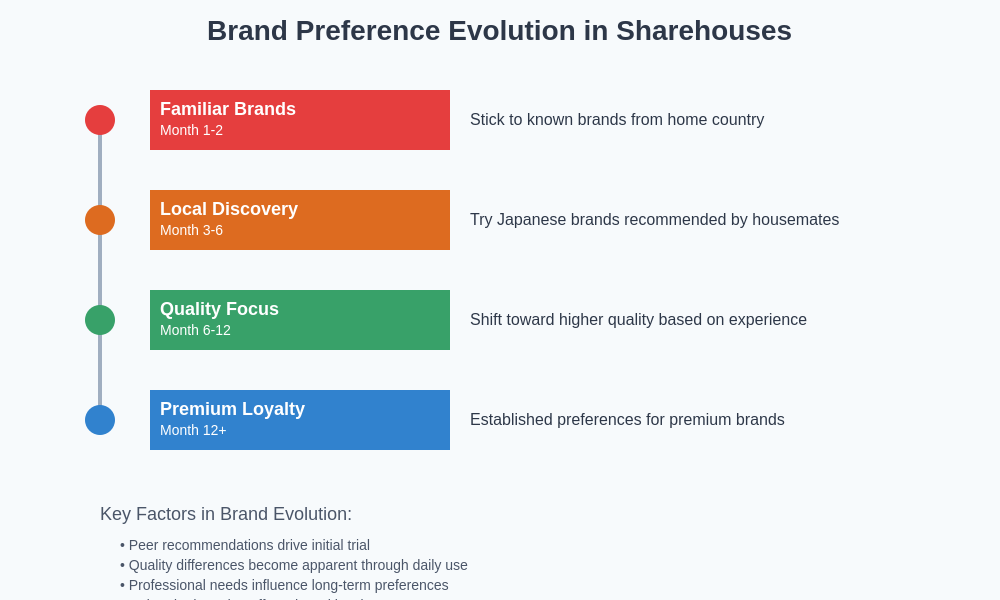
Different sharehouses develop distinct cultural attitudes toward consumption and brand preferences based on resident demographics, house rules, and informal social norms that emerge within each community. How cultural differences affect friendship building includes understanding how consumption choices impact social relationships and community harmony.
Houses with predominantly professional residents often develop cultures that normalize or encourage premium brand consumption as part of maintaining professional standards and supporting career advancement goals. These environments create social pressure toward quality consumption that influences individual brand choices through peer expectations and professional image requirements.
International houses with diverse cultural representation expose residents to premium brands from different countries and cultural contexts, creating opportunities for brand discovery and cross-cultural consumption education that broadens perspectives on quality and value across different market segments.
The sharing economy within sharehouses sometimes extends to premium products, where residents coordinate access to expensive items through borrowing arrangements, group purchases, or rotating ownership that makes premium brands more accessible while maintaining individual preferences and quality standards.
Understanding premium brand preferences among sharehouse residents reveals complex interactions between cultural identity, economic rationalization, social dynamics, and lifestyle aspirations that extend far beyond simple status seeking or financial irresponsibility. These consumption patterns reflect sophisticated decision-making processes that balance multiple factors including quality, durability, professional requirements, emotional well-being, and cultural adaptation needs within the unique context of international shared living in Tokyo.
The phenomenon demonstrates how shared living environments can both constrain and enable premium consumption through social influences, economic pressures, and cultural exposure that shapes individual brand preferences in unexpected ways. Recognition of these dynamics helps explain apparent contradictions between budget-conscious housing choices and premium brand preferences while providing insights into modern consumer behavior in multicultural urban environments.
Disclaimer
This article is for informational purposes only and does not constitute financial or consumer advice. Individual consumption choices should be based on personal financial circumstances, needs, and values. The observations presented reflect general trends and may not apply to all sharehouse residents or living situations. Readers should make independent evaluations of products and brands based on their specific requirements and financial capabilities.