The push toward sustainable living practices in Tokyo sharehouses often encounters unexpected resistance from residents who seemingly have little to lose from adopting more environmentally friendly behaviors. This resistance manifests in various forms, from passive non-compliance with recycling rules to active opposition against energy-saving measures, creating tension within communities that are otherwise harmonious. Understanding the complex psychological, cultural, and practical factors that drive this resistance becomes essential for sharehouse managers and environmentally conscious residents who want to create positive change without fragmenting their living communities.
Environmental resistance in shared living spaces represents more than simple stubbornness or lack of environmental awareness. The phenomenon involves deeply rooted behavioral patterns, cultural conditioning, and practical concerns that intersect with the unique dynamics of international co-living environments. Japanese sharehouse rules every foreigner should know often include environmental guidelines that can feel overwhelming to newcomers already adjusting to numerous cultural expectations and daily routine changes.
The Psychology of Change Resistance
Human beings possess an inherent tendency toward maintaining familiar patterns and routines, particularly during periods of significant life transition such as moving to a new country or adapting to shared living arrangements. For many international residents in Tokyo sharehouses, the daily challenges of language barriers, cultural adaptation, and social integration create cognitive overload that makes additional changes feel burdensome rather than beneficial.
The concept of change fatigue explains why residents who are already expending considerable mental energy adapting to Japanese society may unconsciously resist environmental initiatives that require learning new systems, remembering additional rules, or modifying established habits. This psychological phenomenon becomes particularly pronounced when environmental changes are perceived as imposed rather than collaboratively developed, triggering defensive responses that protect existing coping mechanisms.
Individual personality types also significantly influence environmental change acceptance, with some residents naturally gravitating toward innovation and improvement while others prefer stability and predictability. How different learning styles clash in sharehouse environments often extends to environmental learning, where visual learners may need different information presentation than auditory or kinesthetic learners to understand and embrace new practices.
Cultural Background Influences
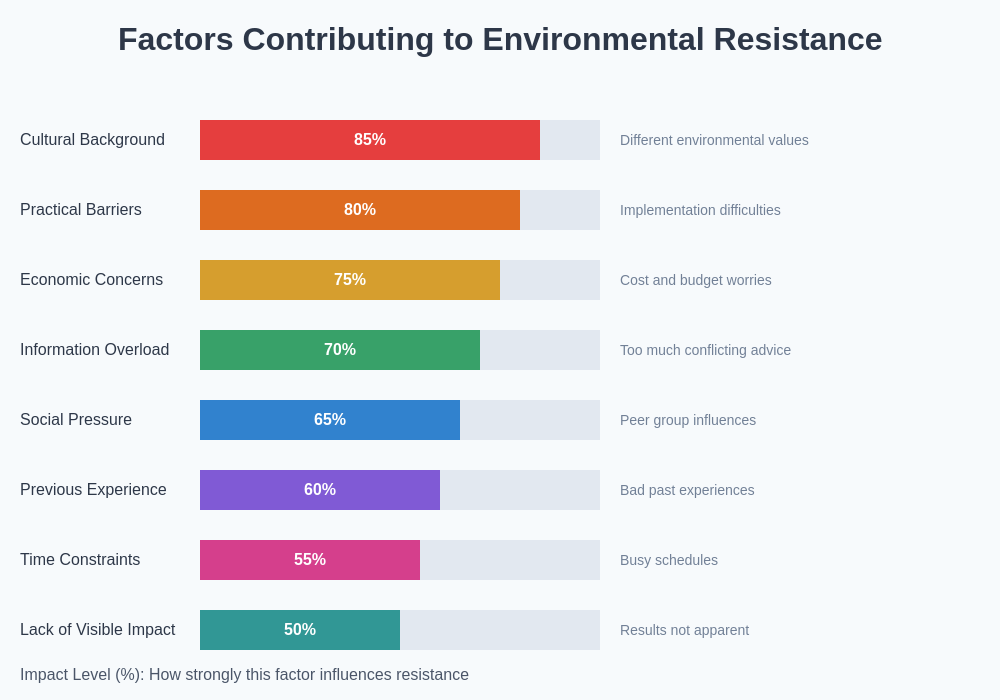
The environmental attitudes and practices that residents bring from their home countries create complex dynamics when implementing sharehouse sustainability initiatives. Some cultures emphasize individual convenience and efficiency over collective environmental responsibility, while others prioritize community harmony over personal environmental values, leading to conflicts that extend beyond simple rule compliance.
Western individualistic cultures may resist environmental changes that feel like restrictions on personal freedom, while residents from collectivist cultures might comply outwardly while harboring private resentment about imposed changes that weren’t democratically decided. How cultural differences affect friendship building often includes disagreements about environmental priorities and the appropriate balance between personal comfort and ecological responsibility.
Economic background differences also influence environmental attitudes, as residents from countries where environmental consciousness represents luxury rather than necessity may struggle to understand why basic conservation measures matter when utilities and resources seem abundant and affordable. Living costs in Tokyo sharehouses explained rarely emphasize the long-term environmental costs that don’t appear in monthly bills but affect community sustainability.
Practical Implementation Barriers
Many environmental initiatives fail in sharehouses not due to philosophical opposition but because of poorly designed implementation systems that create practical difficulties for residents managing busy schedules and multiple responsibilities. Complex recycling systems with unclear categorization rules, inconvenient composting procedures, or energy-saving measures that interfere with essential daily activities generate resistance based on legitimate usability concerns rather than environmental hostility.
Language barriers compound practical difficulties when environmental guidelines are primarily available in Japanese or use technical terminology that non-native speakers struggle to understand accurately. How language barriers complicate legal documents extends to environmental policy documents that residents may misinterpret or ignore due to comprehension difficulties.
Physical infrastructure limitations in older sharehouse buildings can make environmental compliance genuinely difficult or impossible, creating frustration among well-intentioned residents who want to participate but cannot due to structural constraints. Inadequate storage space for recyclables, insufficient natural lighting for energy conservation, or poor ventilation that requires increased air conditioning use represent systemic issues that individual behavioral changes cannot address.
Economic Concerns and Cost Sensitivity
Financial considerations often drive environmental resistance when residents perceive green initiatives as expensive additions to already tight budgets or when cost savings are not immediately apparent or fairly distributed among housemates. How much Tokyo sharehouses really cost per month demonstrates the financial pressures that make residents cautious about any changes that might increase their living expenses.
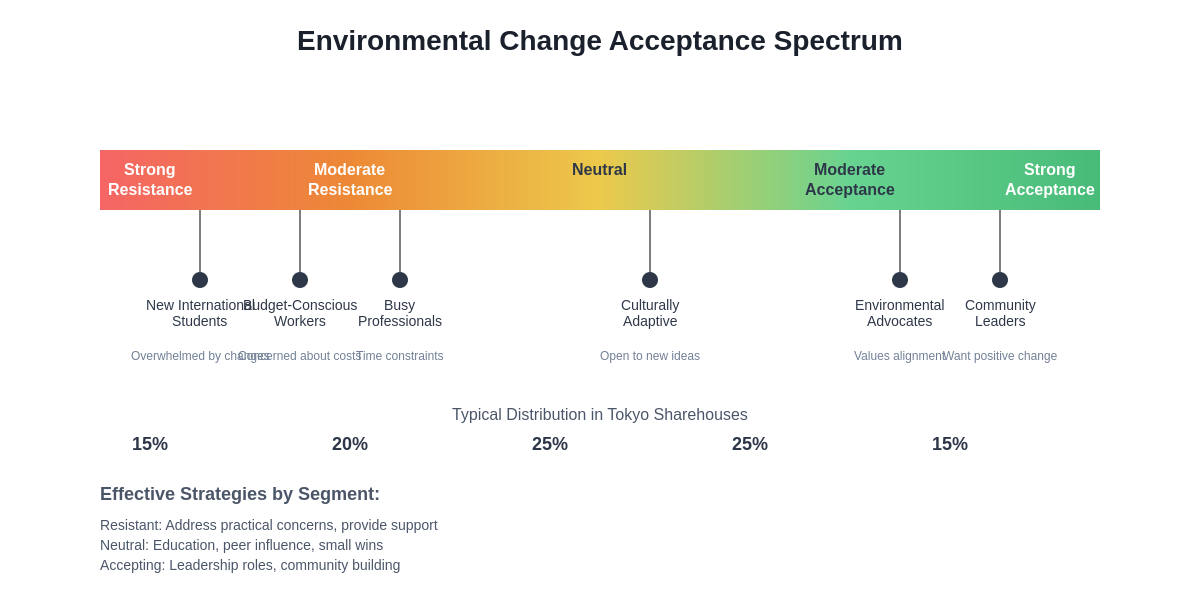
International students and working holiday visa holders operating on limited budgets may resist purchasing eco-friendly products that cost more upfront, even when long-term savings are explained, because their financial planning horizons are necessarily short-term focused. The disconnect between individual costs and community benefits creates particular tension when environmental initiatives require personal investment for collective gain.
Utility bill sharing arrangements can create perverse incentives where individual conservation efforts don’t translate into personal savings, reducing motivation for energy-saving behaviors. Understanding utility bills in Japanese sharehouses reveals how billing structures can either encourage or discourage environmental consciousness depending on how costs are allocated among residents.
Social Dynamics and Peer Pressure
The social environment within sharehouses significantly influences individual willingness to embrace environmental changes, with peer attitudes and behaviors creating powerful conformity pressures that can either support or undermine sustainability initiatives. When influential residents or social leaders within the house express skepticism about environmental measures, their attitudes often spread throughout the community regardless of the measures’ actual merit or effectiveness.
How social hierarchies develop naturally in sharehouse communities affects environmental policy acceptance, as residents may align their environmental attitudes with those of higher-status housemates rather than making independent judgments based on personal values or rational analysis.
Group dynamics also create situations where environmental enthusiasm from some residents triggers backlash from others who feel judged, pressured, or excluded from environmental decision-making processes. The perception of environmental advocacy as elitist or culturally insensitive can generate resistance that has little to do with actual environmental positions but reflects broader social tensions within the living community.
Information Overload and Decision Fatigue
Modern environmental consciousness requires processing vast amounts of often contradictory information about product choices, consumption patterns, and behavioral changes, creating cognitive overload that can paralyze decision-making rather than inspire action. Residents already managing the complexities of international living may experience decision fatigue that makes environmental choices feel overwhelming rather than empowering.
The proliferation of environmental advice, from minimizing plastic use to optimizing energy consumption, can create analysis paralysis where residents avoid making any changes rather than risk making imperfect choices. How stress management techniques become necessary often includes managing the anxiety that comes from feeling unable to meet increasing environmental expectations while maintaining daily functionality.
Conflicting environmental messages from different sources, changing scientific understanding, and evolving best practices create confusion that some residents resolve by disengaging from environmental considerations entirely rather than continuously updating their knowledge and behaviors to match current recommendations.
Previous Negative Experiences
Many residents carry environmental resistance from previous living situations where green initiatives were poorly implemented, unfairly enforced, or used as pretexts for controlling behavior rather than genuine ecological improvement. These negative associations can create skepticism toward new environmental proposals regardless of their actual design or implementation quality.
Past experiences with environmental policies that were abandoned after initial enthusiasm, inconsistently enforced, or that created more problems than they solved generate cynicism about new initiatives. How conflict resolution styles differ by culture includes different approaches to addressing environmental disagreements that may remind residents of previous unpleasant conflicts.
Residents who have experienced environmental shaming, been blamed for collective failures, or witnessed environmental initiatives used to mask other problems may approach new proposals with defensive attitudes that protect them from repeating negative experiences, even when current proposals are genuinely different and better designed.
Lack of Visible Impact
Environmental resistance often stems from the perceived disconnect between individual actions and measurable environmental outcomes, particularly in urban environments where the effects of personal behavioral changes are not immediately visible or quantifiable. Residents may struggle to maintain motivation for conservation efforts when they cannot see direct evidence that their sacrifices are making meaningful differences.
The abstract nature of many environmental benefits, such as reduced carbon footprints or decreased waste generation, makes it difficult for residents to feel personally connected to the outcomes of their efforts. How individual environmental choices affect groups demonstrates the challenge of making collective environmental impact visible and meaningful at the individual level.
Time delays between environmental actions and visible results create particular difficulties for residents who are accustomed to immediate feedback in other areas of their lives, leading to frustration and eventual disengagement when environmental efforts don’t produce quickly apparent improvements.
Competing Priorities and Time Constraints
Busy residents managing work, study, social obligations, and personal responsibilities may resist environmental changes that require additional time investment, even when they intellectually support environmental goals. The perception that environmental compliance will add complexity or time requirements to already crowded schedules creates practical resistance regardless of environmental values.
How work location should influence sharehouse choice reflects the time pressures that make residents prioritize convenience and efficiency over environmental considerations when these goals conflict with immediate practical needs.
Professional and academic deadlines can create temporary periods where residents abandon environmental practices in favor of expedient solutions, leading to inconsistent compliance that undermines community environmental efforts and creates guilt or defensiveness about perceived failures.
Strategies for Addressing Resistance
Effective environmental change implementation requires understanding and addressing the root causes of resistance rather than simply providing more information or increasing pressure for compliance. Successful strategies typically involve collaborative design processes that include resistant residents in problem-solving rather than treating them as obstacles to overcome.
Creating opt-in rather than mandatory environmental programs allows residents to engage at their comfort level while building positive experiences that may lead to increased participation over time. Pilot programs and gradual implementation schedules reduce the overwhelming aspects of environmental changes while providing opportunities to refine systems based on resident feedback.
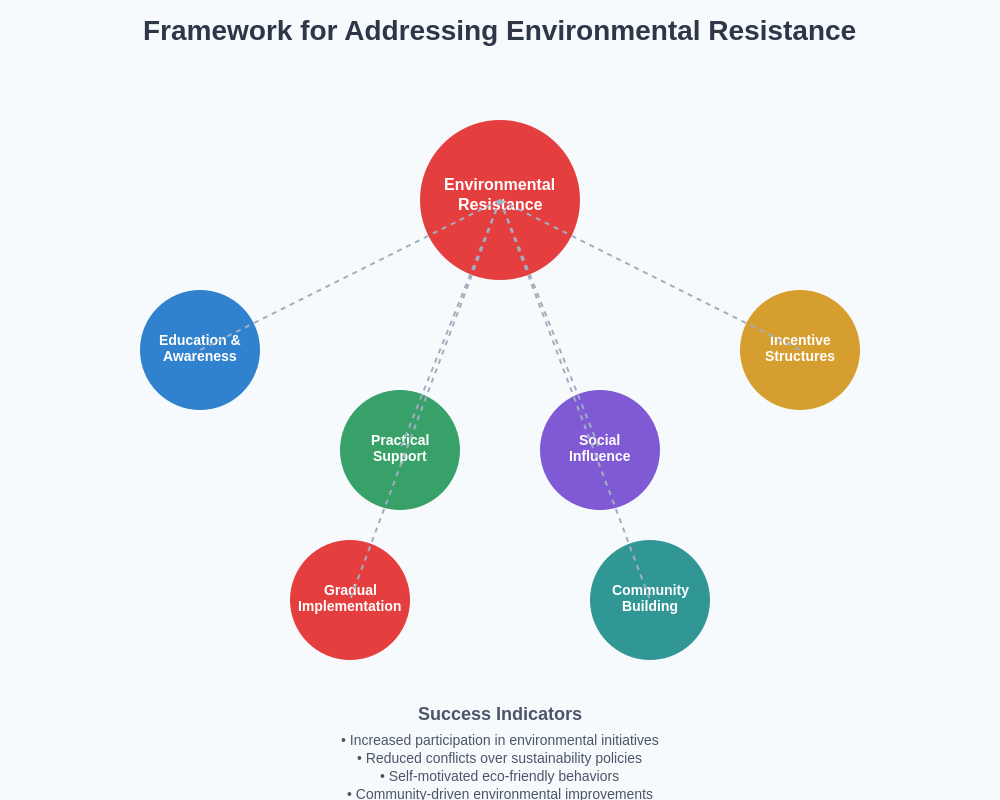
Connecting environmental goals to existing resident priorities, such as cost savings, health benefits, or community building, creates multiple motivations for participation beyond pure environmental consciousness. Making friends through Tokyo sharehouse communities can include environmental projects that serve social functions while achieving sustainability goals.
Building Environmental Community
Long-term environmental success in sharehouses requires creating positive associations with sustainability efforts through community building, celebration of achievements, and recognition that environmental progress involves gradual cultural change rather than immediate behavioral transformation. Successful environmental communities develop their own traditions, shared values, and mutual support systems that make participation rewarding beyond environmental outcomes.
Education programs that respect cultural differences and provide practical, actionable information in accessible formats help reduce resistance based on misunderstanding or information barriers. How cultural sensitivity develops through daily interaction includes learning to present environmental information in culturally appropriate ways that honor different value systems while promoting common goals.
Regular evaluation and adjustment of environmental initiatives based on resident feedback ensures that programs remain relevant, practical, and effective while demonstrating responsiveness to legitimate concerns that may initially appear as resistance but actually represent valuable insights for improvement.
Understanding environmental resistance in sharehouses requires recognizing the complex interplay of psychological, cultural, practical, and social factors that influence individual and collective behavior change. Rather than viewing resistance as simple opposition to environmental values, successful environmental advocates learn to address underlying concerns while creating supportive community conditions that make sustainable living feel natural, rewarding, and socially connected rather than burdensome or isolating.
Disclaimer
This article is for informational purposes only and does not constitute professional advice on conflict resolution or environmental management. The dynamics described may vary significantly between different sharehouses, cultures, and individual circumstances. Readers should consider their specific situations and consult with relevant professionals when implementing environmental initiatives in shared living environments.