The practice of some sharehouses temporarily restricting or banning sick residents from common areas represents a complex intersection of public health concerns, legal boundaries, and community welfare considerations that has become increasingly prominent in Tokyo’s shared living landscape. This controversial policy approach reflects the unique challenges faced by high-density living environments where individual health decisions can significantly impact entire communities of residents sharing kitchens, bathrooms, and recreational spaces.
Understanding these policies requires examining the multifaceted considerations that drive sharehouse operators to implement such measures, including liability concerns, resident safety obligations, business continuity requirements, and the complex legal framework governing tenant rights versus community health protection in Japan’s rental housing market.
The Health Crisis Context in Shared Living
The emergence of sick resident restrictions in sharehouses stems from fundamental challenges inherent in high-density shared living arrangements where individual health incidents can rapidly escalate into community-wide health crises affecting dozens of residents simultaneously. Understanding why illness spreads faster in sharehouses becomes crucial for comprehending the rationale behind these seemingly harsh policies.
Sharehouses typically feature shared kitchens, bathrooms, and common areas that create multiple daily touchpoints where infectious diseases can transmit between residents through contaminated surfaces, airborne particles, and close personal contact during routine activities. The international nature of many Tokyo sharehouses compounds these risks, as residents may carry different immunities and health practices from their home countries, creating unpredictable health vulnerability patterns within communities.
The economic implications of widespread illness outbreaks in sharehouses extend beyond individual resident discomfort to encompass significant business disruption, emergency medical response coordination, and potential legal liability for operators who fail to adequately protect resident health and safety. These considerations drive many operators toward preventive policies that prioritize community health over individual convenience during illness episodes.
Legal Framework and Tenant Rights
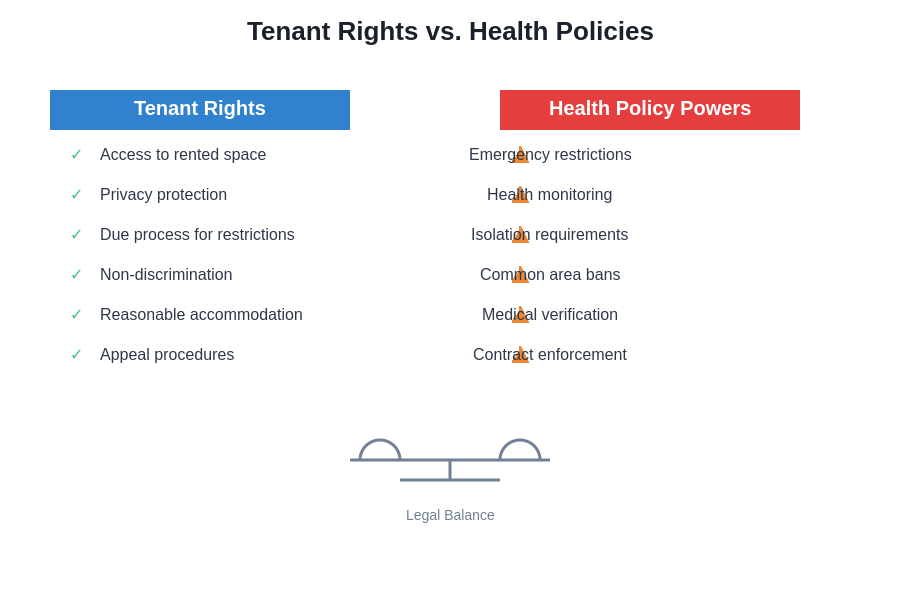
The legal landscape surrounding sick resident restrictions operates within a complex framework of Japanese tenant protection laws, public health regulations, and contractual agreements that often create ambiguous zones where operator policies may conflict with fundamental tenant rights. Understanding how legal disputes get resolved in sharehouses provides essential context for navigating these challenging situations.
Japanese rental law generally prohibits landlords from arbitrarily restricting tenant access to their rented premises, but sharehouses operate under unique legal structures that often classify residents as licensees rather than traditional tenants, potentially reducing certain legal protections. This classification allows operators greater flexibility in implementing community health policies that might be legally questionable in conventional rental arrangements.
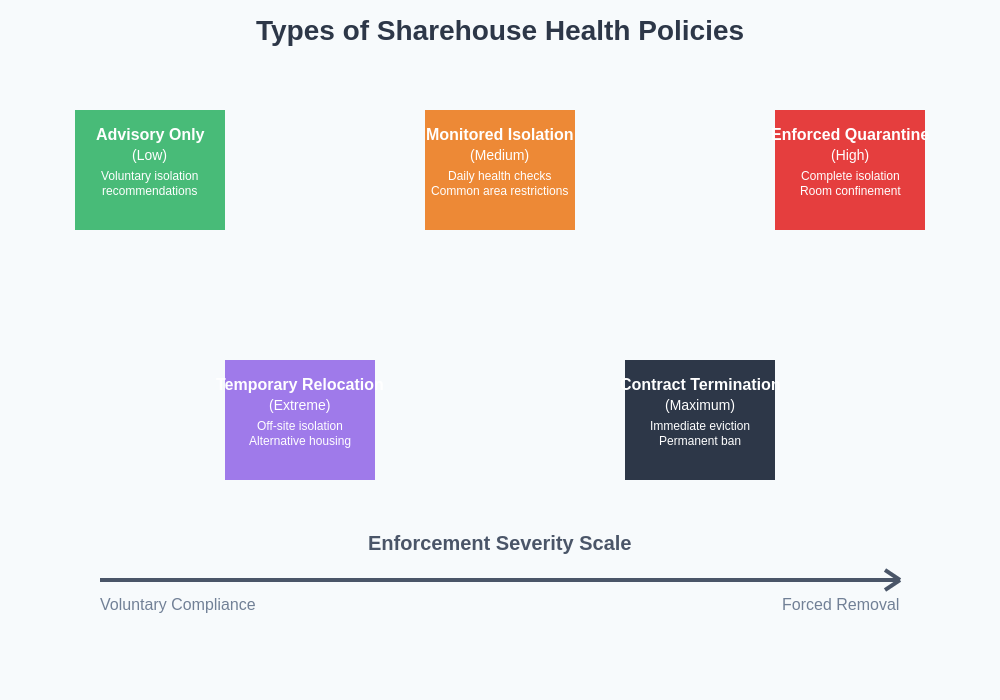
The enforcement mechanisms for sick resident restrictions vary significantly between operators, ranging from voluntary compliance requests to formal written notices, temporary access restrictions, and in extreme cases, contract termination procedures. Understanding these escalation procedures and your rights at each stage becomes essential for residents facing health-related restrictions or disputes.
Contract language regarding health policies often includes broad discretionary powers for operators to implement emergency health measures, but the specific interpretation and enforcement of these clauses may be subject to legal challenge if they appear to violate fundamental tenant rights or discriminate against residents based on health status.
Business Operations and Liability Concerns
Sharehouse operators face significant liability exposure when residents become ill within their properties, particularly if other residents subsequently contract similar illnesses that can be traced to inadequate health safety measures or negligent community health management. Understanding what security deposits actually cover in sharehouses often reveals that health-related damages and disruptions may not be financially protected through standard deposit arrangements.
The business continuity implications of widespread illness outbreaks can devastate sharehouse operations through simultaneous resident departures, negative reputation impacts, increased cleaning and sanitization costs, and potential regulatory scrutiny from local health authorities. These factors incentivize operators to implement aggressive preventive measures that may appear harsh but serve to protect overall community stability.
Insurance considerations play crucial roles in shaping health policies, as many commercial property insurance policies exclude coverage for losses related to infectious disease outbreaks or may require specific preventive measures to maintain coverage validity. Operators who fail to implement reasonable health safety protocols may find themselves financially exposed to significant liability claims from affected residents.
The financial costs associated with professional deep cleaning, medical consultation, emergency accommodations for displaced residents, and potential legal fees can quickly exceed the monthly revenue from affected properties, creating strong economic incentives for strict preventive health policies regardless of their impact on individual resident convenience.
Community Health Protection Strategies
The implementation of sick resident restrictions represents one component of broader community health protection strategies that sharehouse operators employ to maintain safe living environments for all residents while minimizing business disruption and liability exposure. Understanding why first aid training should be mandatory highlights the comprehensive approach needed for effective health crisis management.
Isolation protocols typically involve temporary restrictions on common area access, mandatory room quarantine periods, enhanced cleaning requirements for personal spaces, and coordination with local health authorities when infectious diseases are suspected or confirmed. These measures aim to contain potential outbreaks while maintaining essential services and community functions for healthy residents.
Communication strategies during health incidents require balancing transparency about health risks with privacy protection for affected residents, creating complex information management challenges that can significantly impact community trust and cooperation. Effective protocols establish clear communication channels, regular health updates, and transparent decision-making processes that help maintain community cohesion during stressful health incidents.
Support systems for isolated residents may include meal delivery services, medical consultation assistance, emergency contact coordination, and temporary accommodation arrangements that demonstrate operator commitment to resident welfare while maintaining necessary health safety boundaries.
Cultural and International Perspectives
The acceptance and effectiveness of sick resident restrictions vary significantly based on cultural backgrounds and health practices that international residents bring from their home countries, creating complex cross-cultural dynamics that can either support or undermine community health policies. Understanding how cultural differences affect friendship building provides insights into how health policy enforcement intersects with community relationships.
Different cultural approaches to illness management, personal responsibility, and community welfare create varying levels of compliance and cooperation with health restrictions, requiring operators to develop culturally sensitive implementation strategies that acknowledge diverse perspectives while maintaining consistent policy enforcement. Some cultures emphasize individual resilience and continued activity during minor illnesses, while others prioritize community protection through strict isolation practices.
Communication challenges during health incidents become particularly complex in international sharehouses where language barriers, cultural misunderstandings, and different medical terminology can impede effective policy implementation and resident cooperation. Clear, multilingual communication protocols become essential for successful health policy enforcement.
The perception of fairness and reasonableness in health policy enforcement often depends on residents’ previous experiences with health management in their home countries, creating potential conflicts between operator policies and resident expectations that require careful cultural sensitivity and clear explanation of Japanese health regulations and community standards.
Alternative Approaches and Best Practices
Progressive sharehouse operators have developed alternative approaches to sick resident management that balance community health protection with resident rights and dignity, demonstrating that strict bans may not represent the only effective strategy for health crisis management. Understanding how medical emergencies are handled provides examples of comprehensive health support systems.
Graduated response protocols allow operators to implement proportionate measures based on illness severity, transmission risk, and community impact rather than applying blanket restrictions to all health incidents. These systems might include voluntary isolation for minor illnesses, supported quarantine for moderate concerns, and formal restrictions only for serious infectious disease risks.
Enhanced facility design and management can reduce transmission risks through improved ventilation systems, increased sanitization protocols, physical distancing modifications in common areas, and individual room amenities that reduce dependence on shared facilities during illness episodes. These infrastructure improvements may reduce the perceived need for strict resident restrictions.
Collaborative health management approaches involve residents in policy development, health monitoring, and community support systems that create shared responsibility for health safety rather than top-down enforcement of restrictions. These models often achieve better compliance and community satisfaction while maintaining effective health protection.
Economic Implications for Residents
The financial impact of sick resident restrictions extends beyond immediate inconvenience to encompass significant economic consequences that can affect residents’ ability to work, study, and maintain their financial obligations during illness episodes. Understanding how living costs increase during emergencies reveals the broader financial implications of health-related disruptions.
Work and income disruption during enforced isolation periods can create severe financial hardship for residents whose employment depends on physical presence, client meetings, or flexible work arrangements that become impossible during quarantine restrictions. Freelancers, service industry workers, and students with part-time employment face particular vulnerability to income loss during health incidents.
Additional costs associated with meal delivery, medical consultation, emergency supplies, and alternative accommodation arrangements can create unexpected financial burdens that exceed many residents’ emergency fund capacity. These costs often fall entirely on affected residents rather than being supported by sharehouse operators or insurance coverage.
The timing of illness incidents relative to rent payment schedules, work deadlines, and study obligations can create cascading financial and academic consequences that extend far beyond the immediate health concern, potentially affecting residents’ long-term housing stability and career prospects.
Enforcement Mechanisms and Resident Response
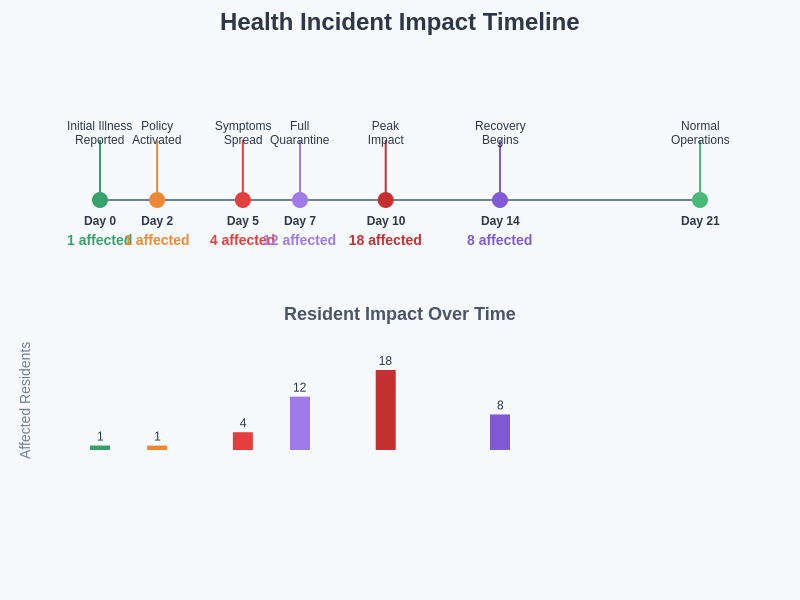
The practical enforcement of sick resident restrictions involves complex monitoring systems, compliance verification procedures, and escalation protocols that can significantly impact the daily experience of both affected residents and the broader community. Understanding how house rules get misinterpreted provides context for policy implementation challenges.
Monitoring systems may include regular health check-ins, temperature screening, symptom reporting requirements, and observation of resident behavior patterns that raise privacy concerns and create potential conflicts between health protection and personal autonomy. These systems require careful balance between effective health monitoring and respect for resident privacy rights.
Compliance verification often relies on resident self-reporting and community monitoring that can create social tensions, trust issues, and potential discrimination against residents who appear unwell or come from backgrounds associated with health risks. The effectiveness of these systems depends heavily on community cooperation and cultural sensitivity in implementation.
Escalation procedures for non-compliance with health restrictions can range from informal warnings and increased monitoring to formal written notices, temporary access restrictions, and ultimate contract termination. Understanding these procedures and available appeal processes becomes crucial for residents facing health-related policy enforcement.
Long-term Community Impact
The implementation of sick resident restrictions creates lasting effects on community dynamics, trust relationships, and social cohesion that extend far beyond individual health incidents and can fundamentally alter the character and appeal of sharehouse living experiences. Understanding how community integration develops over time provides perspective on these long-term community effects.
Trust erosion between residents and management often results from perceived unfairness, inadequate communication, or heavy-handed enforcement of health policies, creating ongoing tension that can affect resident satisfaction, community participation, and long-term housing stability. These trust issues may persist long after specific health incidents are resolved.
Social stratification within communities can develop when health policies create perceived divisions between compliant and non-compliant residents, healthy and vulnerable populations, or residents from different cultural backgrounds with varying health practices. These divisions can undermine the inclusive, supportive community atmosphere that many residents seek in sharehouse living.
The precedent-setting nature of health policy enforcement affects resident expectations and behavior patterns regarding future health incidents, community cooperation, and individual responsibility for community welfare. Harsh or unfair enforcement may reduce future cooperation and increase resident resistance to reasonable health measures.
Future Trends and Policy Evolution
The evolution of sick resident policies reflects broader trends in public health awareness, legal frameworks, and community living standards that will likely continue shaping sharehouse operations and resident experiences in coming years. Understanding how policy changes affect long-term residents provides insight into ongoing policy development trends.
Technology integration in health monitoring and policy enforcement may include automated health screening systems, digital health reporting platforms, and smart building technologies that enable more sophisticated and less intrusive health management approaches. These developments could reduce reliance on restrictive policies while maintaining effective health protection.
Legal framework evolution will likely address current ambiguities in tenant rights, operator responsibilities, and health policy enforcement boundaries as more health-related disputes reach formal resolution through courts and regulatory agencies. These developments may establish clearer standards for reasonable health policies and enforcement procedures.
Industry standardization efforts may emerge as sharehouse operators, resident advocacy groups, and regulatory agencies collaborate to develop best practice guidelines that balance health protection with resident rights and community welfare. These standards could reduce policy variation and improve predictability for both operators and residents.
The ongoing impact of global health awareness and pandemic preparedness will likely maintain focus on community health protection while encouraging more sophisticated, respectful, and effective approaches to health crisis management that avoid the harsh restrictions that have characterized some operators’ policies during recent health challenges.
Disclaimer
This article is for informational purposes only and does not constitute legal or medical advice. Health policies in sharehouses vary significantly between operators and may change based on local regulations, health circumstances, and legal developments. Residents should carefully review their specific contracts and consult with appropriate professionals regarding their rights and obligations during health incidents. The information provided reflects current understanding of common practices and may not apply to all situations or locations.