The phenomenon of academic pressure among students living in Tokyo sharehouses represents a complex intersection of cultural expectations, social dynamics, and educational demands that can significantly impact mental health and overall well-being. Understanding the multifaceted nature of these pressures becomes crucial for students, educators, and sharehouse communities seeking to create supportive environments that foster both academic excellence and personal growth.
Academic pressure in sharehouse environments extends far beyond traditional classroom stress, encompassing social comparison, cultural adaptation challenges, and the unique dynamics that emerge when ambitious students from diverse backgrounds share living spaces. The intensity of these pressures often surprises newcomers who expect shared living to provide relief from academic stress rather than amplify it through constant exposure to high-achieving peers and competitive atmospheres.
Cultural Context and Educational Expectations
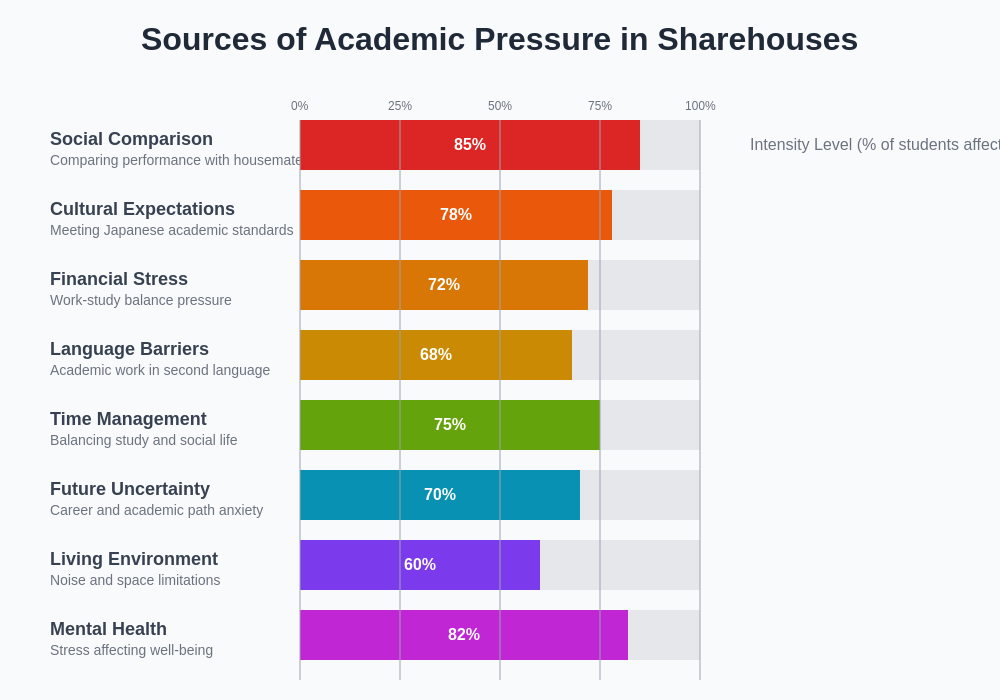
The Japanese educational system creates a foundation of intense academic competition that permeates every aspect of student life, including residential choices and social interactions within sharehouses. Students entering this environment encounter deeply ingrained cultural values that prioritize academic achievement, creating an atmosphere where educational success becomes intertwined with personal worth and social acceptance.
International students living in student sharehouses near top Tokyo universities often experience culture shock when confronted with the relentless pace and high expectations that characterize Japanese academic culture. The pressure to conform to these standards while maintaining their own cultural identity creates additional layers of stress that can compound academic challenges.
The concept of “gaman” or enduring hardship with patience becomes particularly relevant in sharehouse settings where students witness their peers pushing through extreme fatigue, social isolation, and financial constraints in pursuit of academic goals. This cultural norm can create pressure to suppress personal struggles and maintain appearances of success even when experiencing significant difficulties.
Traditional family expectations regarding educational achievement often intensify when students live independently in sharehouses, as parents and relatives monitor academic progress more closely through regular communication and financial support contingent on maintaining high grades. The visibility of academic performance within sharehouse communities can amplify these family pressures through peer awareness and social dynamics.
Social Comparison and Competitive Dynamics
The concentration of high-achieving students within sharehouses creates an environment of constant social comparison that can escalate academic pressure to unhealthy levels. Students find themselves continuously measuring their performance against housemates who may excel in different areas, leading to feelings of inadequacy and imposter syndrome that affect both academic performance and mental health.
Living arrangements that promote transparency about academic activities, such as shared study spaces and common areas where students discuss coursework, assignments, and career prospects, can inadvertently create competitive atmospheres that elevate stress levels. Making friends through Tokyo sharehouse communities becomes complicated when academic competition interferes with genuine relationship building.
The diversity of academic programs and institutions represented within sharehouses can create complex hierarchies based on university rankings, program prestige, and perceived career prospects. Students attending less prestigious institutions or pursuing non-traditional academic paths may experience increased pressure to justify their choices and prove their worth within these social contexts.
Graduate students and undergraduates living together often create additional pressure dynamics, as younger students feel compelled to match the research productivity and academic sophistication of their older housemates. The visibility of graduate student workloads and research demands can create unrealistic expectations for undergraduate academic performance and time management.
Financial Stress and Academic Performance
The intersection of financial constraints and academic pressure creates particularly challenging situations for students in Tokyo sharehouses, where the high cost of living demands careful budget management that can conflict with educational priorities. Students often face difficult choices between purchasing necessary academic materials, participating in educational opportunities, and meeting basic living expenses.
Part-time work obligations necessary to afford sharehouse living can significantly impact academic performance while creating additional pressure to maintain high grades despite reduced study time. Living costs in Tokyo sharehouses explained demonstrates how financial pressures can indirectly amplify academic stress through time constraints and energy depletion.
Scholarship requirements and financial aid conditions often depend on maintaining specific grade point averages, creating high-stakes academic pressure where poor performance can result in immediate financial consequences. The visibility of financial struggles within sharehouse communities can compound stress when students feel judged for their economic circumstances or academic performance.
International students face additional financial pressures related to visa requirements, currency exchange fluctuations, and family financial sacrifices that can create guilt and pressure to achieve exceptional academic results to justify these investments. The cost of academic failure extends beyond personal disappointment to include significant financial implications for families and future opportunities.
Language Barriers and Academic Challenges
Students pursuing education in Japan while living in sharehouses often encounter significant language barriers that create additional academic pressure beyond typical coursework demands. The necessity of mastering academic Japanese while maintaining performance in challenging subjects can overwhelm students who underestimate the linguistic demands of higher education.
Research requirements, academic writing standards, and classroom participation expectations in Japanese universities can pose particular challenges for international students who must navigate complex academic concepts in a second language. Living with Japanese roommates in Tokyo sharehouses can provide language practice opportunities but may also create pressure to demonstrate fluency and cultural understanding.
The academic writing process becomes significantly more challenging when students must translate complex ideas between languages while meeting stringent formatting and stylistic requirements. Thesis writing, research proposals, and academic presentations require sophisticated language skills that can take years to develop, creating sustained pressure throughout academic programs.
Group projects and collaborative assignments can create anxiety for students who worry about their language abilities affecting team performance and peer relationships. The pressure to contribute meaningfully while managing language limitations can lead to social isolation and increased academic stress.
Time Management and Study Environment Challenges
The shared nature of sharehouse living creates unique time management challenges that can amplify academic pressure through conflicts between personal study needs and community obligations. Students must navigate varying schedules, noise levels, and space availability while maintaining consistent study routines necessary for academic success.
Common study areas in sharehouses can become sources of stress when multiple students compete for quiet spaces during exam periods or when different study habits and preferences clash. The lack of private, dedicated study spaces can force students to adapt their learning styles or seek alternative arrangements that may not be optimal for their academic performance.
Social obligations within sharehouse communities can create pressure to participate in group activities, meals, and social events even when academic deadlines demand focused study time. How to handle roommate conflicts without moving out becomes relevant when academic priorities conflict with social expectations.
Sleep schedules become particularly challenging when students with different academic demands and study habits share living spaces. The pressure to maintain quiet hours while accommodating diverse schedules can create tension and affect sleep quality, which directly impacts academic performance and stress levels.
Technology and Academic Resource Limitations
Internet connectivity and computer access limitations in sharehouses can create additional academic pressure when students depend on digital resources for research, online coursework, and communication with professors and classmates. Bandwidth limitations during peak usage times can interfere with critical academic activities and create stress during important deadlines.
The lack of specialized academic software or equipment in sharehouse environments may require students to spend additional time and money accessing university resources or finding alternative solutions for technical requirements. This can create pressure to complete work within limited timeframes or invest in expensive technology beyond typical student budgets.
Digital privacy concerns in shared internet environments can affect students’ comfort with conducting sensitive academic research or accessing personal academic records. The need to protect intellectual property and maintain academic integrity while sharing digital resources creates additional considerations and potential stress points.
Video conferencing and online class participation can become challenging in sharehouses with thin walls and active common areas, creating pressure to find quiet spaces or schedule academic activities around housemate activities. The visibility of online academic performance to housemates can add social pressure to these already stressful situations.
Mental Health and Support System Challenges
The isolation that can result from intense academic pressure often becomes more pronounced in sharehouse settings where students may feel obligated to maintain appearances of success and competence. The pressure to seem academically successful while struggling with mental health challenges can prevent students from seeking necessary support and exacerbate existing difficulties.
Cultural differences in discussing mental health and academic struggles can create barriers to building supportive relationships within sharehouse communities. Students from cultures where academic failure carries significant shame may find it particularly difficult to acknowledge struggles or seek help from housemates and friends.
The lack of professional mental health resources specifically designed for students in sharehouse environments can leave individuals without appropriate support systems during critical periods. Understanding utility bills in Japanese sharehouses and other practical concerns can seem overwhelming when combined with academic pressure and mental health challenges.
Sleep disruption, irregular eating patterns, and reduced physical activity often result from intense academic pressure and can create cycles of declining mental health that further impair academic performance. The visibility of these struggles to housemates can create additional shame and pressure to hide difficulties.
Academic Identity and Future Uncertainty
Students in sharehouses often experience pressure related to academic identity formation and career uncertainty that becomes amplified through constant exposure to peers with seemingly clear academic and professional trajectories. The process of discovering academic interests and career goals can feel rushed when surrounded by focused, high-achieving students with established plans.
Impostor syndrome becomes particularly acute in sharehouse environments where students regularly observe the academic work and achievements of their peers, leading to feelings of inadequacy and questions about belonging in their academic programs. The pressure to justify academic choices and demonstrate worthiness can interfere with genuine learning and exploration.
Career anxiety becomes magnified when students compare their job search progress, internship opportunities, and professional development activities with housemates pursuing similar or different career paths. How to find perfect sharehouse tokyo decisions often reflect career considerations that add pressure to academic choices.
The visibility of academic setbacks, such as failed exams, rejected applications, or program changes, within sharehouse communities can amplify feelings of failure and create pressure to quickly recover or overcompensate through increased academic intensity.
Seasonal and Cyclical Pressure Patterns
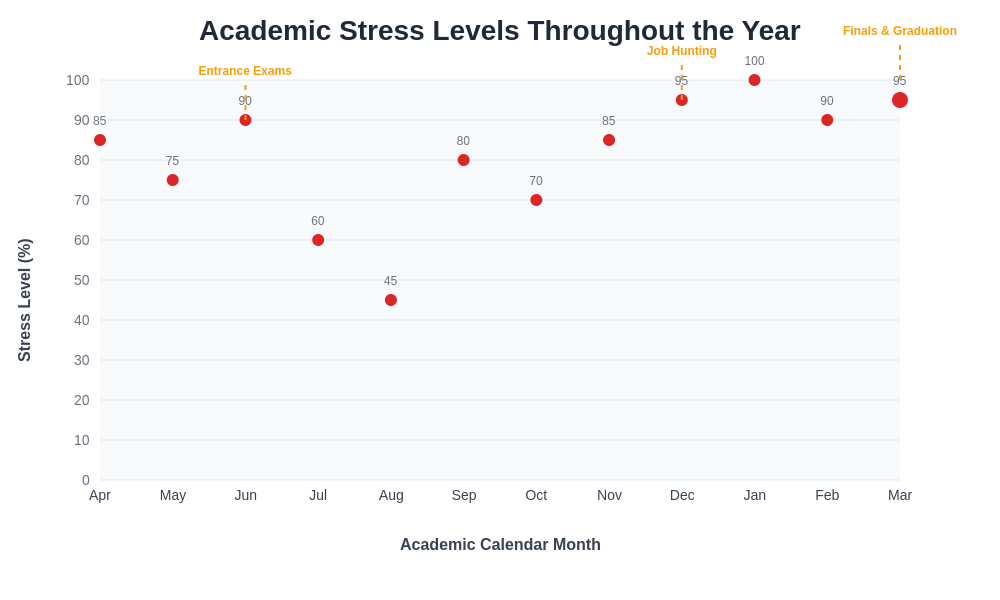
Academic pressure in sharehouses often follows predictable seasonal patterns that can create sustained periods of elevated stress for entire communities. Entrance exam seasons, application deadlines, and graduation periods create house-wide atmospheres of tension that affect even students not directly involved in these activities.
The Japanese academic calendar creates unique pressure points that may not align with international students’ home country schedules, creating additional complexity and stress when managing multiple academic systems and expectations. Tokyo vs osaka sharehouses for international students may offer different seasonal pressure patterns.
Summer research opportunities, study abroad applications, and internship competitions create concentrated periods of intense competition and pressure that can strain relationships and create lasting stress within sharehouse communities. The visibility of application outcomes and selections can create winners and losers dynamics that affect community cohesion.
End-of-semester periods bring concentrated stress as multiple students simultaneously face final exams, project deadlines, and grade anxieties while sharing limited study resources and dealing with heightened emotions throughout the living community.
Coping Strategies and Community Solutions
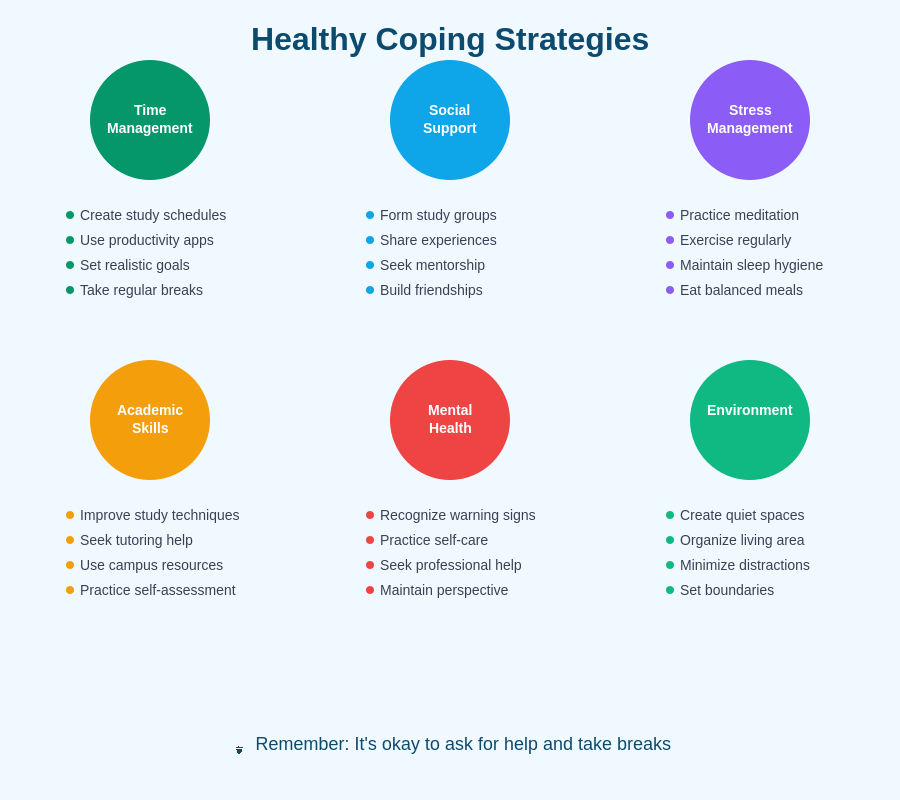
Successful management of academic pressure in sharehouse environments requires intentional community building and mutual support systems that acknowledge the challenges while promoting healthy academic competition and collaboration. Students who thrive in these environments often develop sophisticated strategies for managing social comparison and maintaining perspective on academic achievements.
Creating designated quiet study hours and shared academic resources can help reduce some environmental stressors while promoting collaborative rather than competitive academic culture. Japanese sharehouse rules every foreigner should know should include guidelines for supporting academic success.
Peer support networks within sharehouses can provide valuable academic assistance, emotional support, and perspective during challenging periods when professional resources may be unavailable or culturally inappropriate. The development of study groups and academic accountability partnerships can transform competitive dynamics into collaborative support systems.
Regular community discussions about academic pressure and mental health can normalize these struggles and create opportunities for sharing coping strategies and resources. The establishment of house policies that prioritize student well-being alongside academic achievement can create healthier environments for all residents.
Understanding and addressing academic pressure in sharehouse environments requires recognizing the complex interplay of cultural, social, financial, and personal factors that contribute to student stress. While these living arrangements offer valuable opportunities for cultural exchange and community building, they also present unique challenges that require thoughtful consideration and proactive support systems to ensure positive outcomes for all residents.
Disclaimer
This article is for informational purposes only and does not constitute professional mental health or academic advice. Students experiencing significant academic pressure or mental health challenges should seek appropriate professional support. The experiences described may vary significantly based on individual circumstances, cultural backgrounds, and specific sharehouse environments. Readers should prioritize their mental health and seek help when needed.