Academic isolation among students living in sharehouses represents a profound and often overlooked challenge that affects educational performance, mental well-being, and long-term career prospects in ways that extend far beyond simple social discomfort. This phenomenon manifests through complex interactions between individual personality traits, cultural expectations, environmental factors, and systemic educational pressures that create barriers to meaningful academic engagement and intellectual community participation.
The experience of academic isolation in sharehouse environments often contradicts initial expectations of collaborative learning and intellectual stimulation that many students anticipate when choosing shared living arrangements. Understanding the multifaceted nature of this isolation helps identify practical solutions and support systems that can transform potentially detrimental living situations into environments that foster both academic excellence and personal growth.
Understanding the Academic Isolation Phenomenon
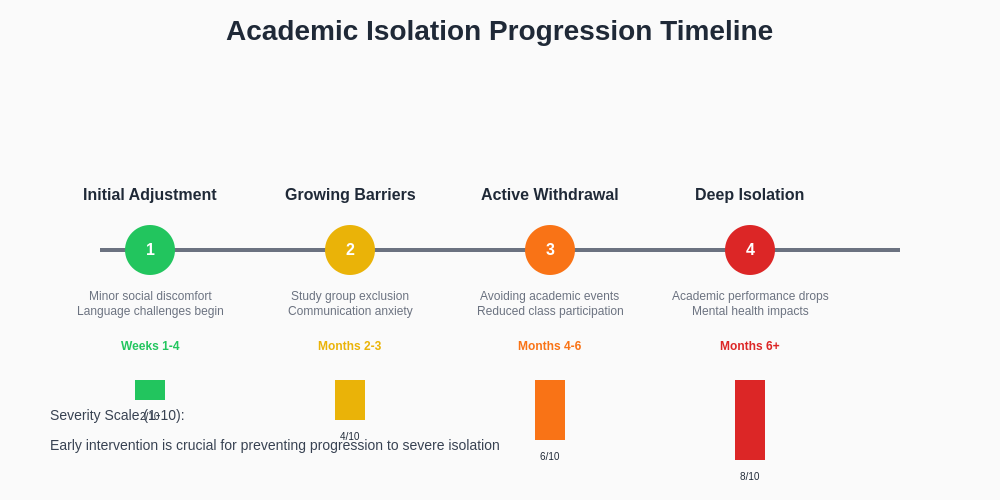
Academic isolation in sharehouse settings emerges from a complex interplay of factors that create barriers between students and their educational communities, manifesting as feelings of disconnection from academic peers, reduced engagement with learning materials, and diminished motivation for intellectual pursuits. This isolation often develops gradually, beginning with minor social adjustments and evolving into significant psychological barriers that impact academic performance and personal development.
The phenomenon differs substantially from general social isolation because it specifically affects educational engagement and academic identity formation. Students experiencing academic isolation may maintain active social lives while simultaneously feeling disconnected from their educational pursuits and intellectual communities. Student sharehouses near top Tokyo universities often concentrate students from diverse academic backgrounds, which can either enhance or exacerbate feelings of academic disconnection depending on house dynamics and individual circumstances.
Research indicates that academic isolation frequently correlates with decreased academic performance, reduced class participation, and lower completion rates for degree programs. The psychological impact extends beyond immediate educational outcomes, affecting long-term career trajectories, professional network development, and personal confidence in academic and professional settings.
Language Barriers and Communication Challenges
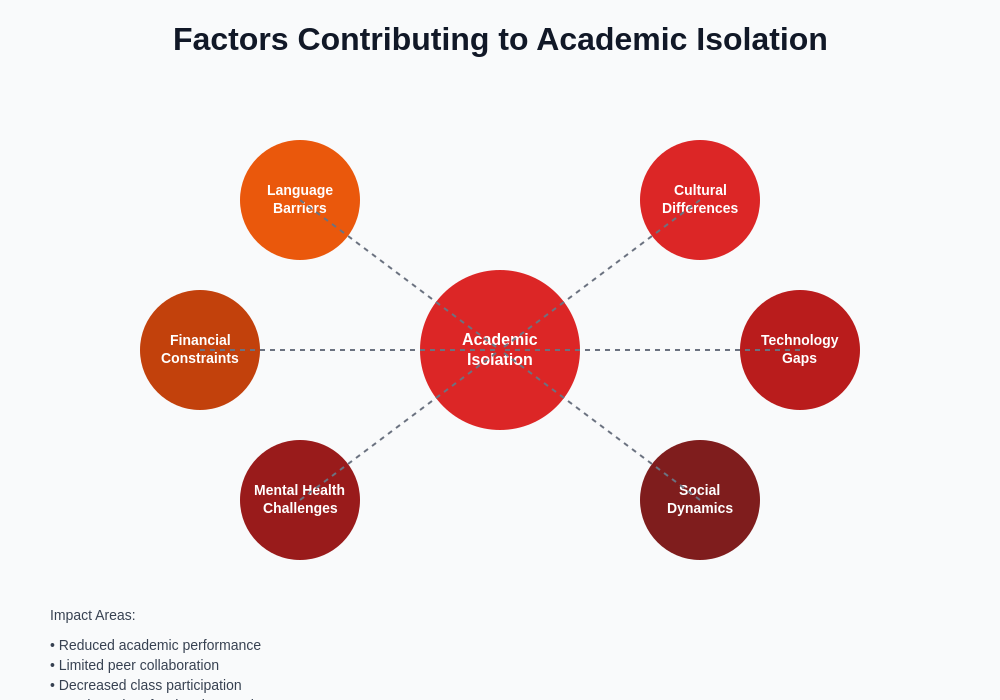
Language proficiency limitations create significant barriers to academic engagement for international students living in Tokyo sharehouses, particularly when house communities include both native Japanese speakers and international residents with varying levels of language competency. These communication challenges extend beyond basic conversational difficulties to encompass complex academic discourse, cultural references, and nuanced discussions that form the foundation of meaningful intellectual exchange.
Students with limited Japanese language skills often find themselves excluded from spontaneous academic discussions, study group formations, and informal learning opportunities that naturally emerge in sharehouse environments. Living with Japanese roommates in Tokyo sharehouses can provide valuable language learning opportunities, but the academic pressure to maintain high performance while simultaneously developing language skills creates additional stress that can lead to social withdrawal and academic isolation.
The challenge becomes particularly acute during examination periods, group project assignments, and thesis preparation phases when academic collaboration becomes essential for success. Students who struggle with academic Japanese often resort to isolation rather than risk embarrassment or misunderstanding, creating self-perpetuating cycles of academic disconnection that worsen over time.
Communication anxiety extends to interactions with professors, teaching assistants, and academic advisors, limiting access to crucial academic support systems and mentorship opportunities. This linguistic isolation affects not only immediate academic performance but also long-term research opportunities, graduate school prospects, and professional network development within Japanese academic institutions.
Cultural Academic Expectations and Pressure Systems
Japanese academic culture emphasizes hierarchical relationships, group harmony, and indirect communication styles that can create significant challenges for international students accustomed to different educational approaches and social interactions. These cultural differences often manifest as academic isolation when students struggle to navigate unspoken rules, social expectations, and behavioral norms that govern academic relationships and learning environments.
The concept of “reading the air” (kuuki wo yomu) becomes particularly relevant in academic settings where students must interpret subtle social cues, understand implied expectations, and respond appropriately to maintain group harmony while pursuing individual academic goals. Japanese sharehouse rules every foreigner should know often reflect broader cultural patterns that influence academic interactions and can help students understand these complex social dynamics.
Academic pressure systems in Japanese universities often emphasize collective achievement and group consensus over individual expression and critical thinking, creating challenges for students from educational backgrounds that prioritize independent thought and vocal participation. This cultural mismatch can lead to feelings of academic inadequacy and intellectual isolation when students struggle to adapt their learning styles and participation patterns to meet Japanese academic expectations.
The sempai-kohai (senior-junior) relationship system within Japanese academic institutions creates additional layers of complexity for international students who may not understand these hierarchical dynamics or feel comfortable navigating age-based authority structures that influence study group formation, research opportunities, and academic mentorship access.
Social Dynamics and Academic Peer Integration
Sharehouse social dynamics significantly influence academic integration opportunities and can either facilitate or hinder the formation of meaningful academic relationships among resident students. Houses with diverse academic disciplines often struggle to create cohesive study environments where students from different fields can find common ground for intellectual exchange and mutual academic support.
The formation of academic cliques within sharehouses frequently excludes students who don’t fit established social patterns, creating insider-outsider dynamics that affect access to study groups, assignment collaboration, and informal academic mentoring relationships. Making friends through Tokyo sharehouse communities becomes particularly challenging when social networks align primarily with academic hierarchies and disciplinary boundaries rather than personal compatibility and shared interests.
Competition for limited study spaces, noise conflicts during examination periods, and disagreements over academic prioritization versus social activities create tension that can fragment academic communities within sharehouses. Students who prioritize academic achievement may find themselves isolated from housemates who emphasize social experiences and cultural exploration over educational pursuits.
The temporal mismatch between different academic schedules, semester systems, and examination periods creates practical barriers to academic collaboration and peer support systems. Students following different academic calendars often find themselves out of sync with house rhythms and unable to participate in group study sessions or academic support networks when they most need assistance.
Environmental Factors and Study Space Limitations
Physical environment constraints within sharehouses significantly impact students’ ability to maintain academic focus and engage in meaningful intellectual pursuits, particularly when shared living spaces prioritize social interaction over individual study needs. Limited private study areas, inadequate lighting, poor acoustics, and insufficient storage for academic materials create ongoing stress that can contribute to academic withdrawal and isolation.
Noise pollution from social activities, entertainment systems, and general household operations disrupts concentration and forces students to seek alternative study locations, often resulting in disconnection from house communities and reduced opportunities for spontaneous academic collaboration. How noise pollution affects sleep quality extends beyond rest disruption to impact cognitive function and academic performance during study sessions.
The lack of dedicated academic spaces within many sharehouses forces students to conduct all intellectual work within their private rooms, creating psychological associations between personal retreat and academic engagement that can reinforce social isolation patterns. Students who require collaborative work environments or group study sessions often must seek external locations, further disconnecting them from their immediate living communities.
Technology infrastructure limitations, including insufficient internet bandwidth, limited electrical outlets, and inadequate workspace ergonomics, create additional barriers to effective academic engagement and can contribute to frustration and academic withdrawal when technical difficulties consistently interfere with learning activities.
Financial Constraints and Academic Resource Access
Economic limitations significantly impact students’ ability to access academic resources, participate in educational activities, and maintain the technological infrastructure necessary for modern academic success. Living costs in Tokyo sharehouses explained reveals how housing expenses can consume substantial portions of student budgets, leaving limited resources for textbooks, research materials, and educational technology.
Students facing financial constraints often cannot afford the latest software, hardware, or subscription services that facilitate academic collaboration and research, creating technological divides that contribute to academic isolation. The inability to participate in study abroad programs, academic conferences, or supplementary educational opportunities due to financial limitations further restricts intellectual community engagement and professional network development.
Part-time work obligations necessary to meet living expenses often conflict with optimal study schedules and academic community participation, forcing students to choose between financial stability and academic engagement. How academic deadlines affect house mood demonstrates how economic pressures compound academic stress and can create house dynamics that further isolate struggling students.
The hidden costs of academic success, including specialized software licenses, laboratory fees, field trip expenses, and professional development opportunities, create ongoing financial pressure that can force students to limit their academic engagement and miss crucial learning experiences that contribute to intellectual community membership.
Psychological Factors and Mental Health Impacts
Mental health challenges both contribute to and result from academic isolation, creating complex feedback loops that can significantly impact educational outcomes and personal well-being. Anxiety, depression, and stress-related disorders often manifest as academic withdrawal, reduced class participation, and avoidance of intellectual challenges that require social interaction or peer collaboration.
Imposter syndrome becomes particularly pronounced in sharehouse environments where students constantly compare themselves to housemates’ academic achievements, career prospects, and intellectual capabilities. This psychological phenomenon can lead to academic self-sabotage and social withdrawal as students attempt to avoid situations where they might reveal perceived inadequacies or intellectual limitations.
The pressure to maintain academic performance while navigating complex social dynamics, cultural adaptation challenges, and financial constraints creates chronic stress that affects cognitive function, memory retention, and creative thinking capabilities. How stress management techniques become necessary for maintaining both academic performance and psychological well-being in challenging living situations.
Social comparison behaviors intensified by close proximity to academic peers can trigger or exacerbate existing mental health conditions, particularly when students observe housemates’ academic successes while struggling with their own educational challenges. The constant exposure to others’ achievements through shared living spaces can create persistent feelings of inadequacy and intellectual isolation.
Technology and Digital Divide Issues
Digital literacy gaps and technology access limitations create significant barriers to academic engagement in modern educational environments where online collaboration, digital research, and technology-mediated learning have become standard expectations. Students with limited technical skills or outdated equipment often find themselves excluded from digital academic communities and collaborative platforms that facilitate peer interaction and knowledge sharing.
The assumption of universal technology proficiency in academic settings can isolate students who lack experience with specialized software, online learning platforms, or digital collaboration tools. How smart home features change daily routines illustrates how technology integration affects living environments, but similar digital divides impact academic communities when students cannot effectively participate in technology-dependent learning activities.
Internet connectivity issues, device compatibility problems, and software licensing restrictions within sharehouse environments can prevent students from accessing essential academic resources and participating in online learning communities. These technical barriers often compound existing social and cultural challenges to create multiple layers of academic isolation.
The rapid pace of technological change in educational settings requires continuous learning and adaptation that can overwhelm students already struggling with academic and cultural adjustment challenges. Students who fall behind in digital literacy development may find themselves increasingly isolated from academic communities that rely heavily on technology-mediated communication and collaboration.
Coping Strategies and Support System Development
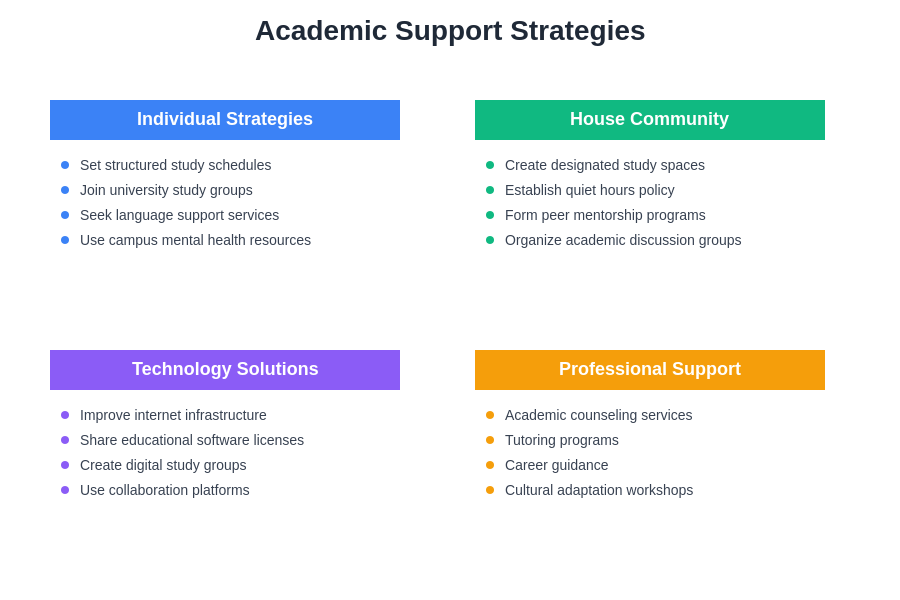
Effective academic isolation intervention requires comprehensive approaches that address both individual psychological factors and systemic environmental challenges within sharehouse communities. Proactive communication strategies, including regular house meetings focused on academic support and collaborative study space management, can help create more inclusive academic environments that benefit all residents.
Establishing formal mentorship programs that pair experienced students with newcomers provides structured support systems that transcend cultural and linguistic barriers while creating opportunities for meaningful academic relationship development. Real stories from Tokyo sharehouse residents often highlight successful peer support strategies that have helped students overcome academic isolation challenges.
Creating designated study areas, implementing noise management policies during examination periods, and establishing technology sharing protocols can address environmental factors that contribute to academic isolation. These structural changes require community agreement and ongoing maintenance but can significantly improve academic engagement opportunities for all residents.
Professional counseling services, academic tutoring programs, and language support resources provide external intervention options for students experiencing severe academic isolation. Building connections with university support services and community organizations creates safety nets that extend beyond immediate sharehouse communities to provide comprehensive assistance during challenging academic periods.
Long-term Implications and Recovery Pathways
Academic isolation during university years can have lasting impacts on career development, professional networking, and lifelong learning attitudes that extend far beyond immediate educational outcomes. Students who experience prolonged academic isolation may develop negative associations with intellectual pursuits, collaborative learning, and academic communities that affect their professional development and continuing education participation throughout their careers.
Recovery from academic isolation requires deliberate effort to rebuild confidence in academic abilities, develop effective study strategies, and create meaningful intellectual relationships that support ongoing learning and professional growth. How to handle roommate conflicts without moving out provides frameworks for addressing interpersonal challenges that often underlie academic isolation experiences.
The development of resilience, cultural adaptability, and cross-cultural communication skills through overcoming academic isolation challenges can ultimately strengthen students’ academic and professional capabilities. Many students who successfully navigate these difficulties develop enhanced empathy, problem-solving abilities, and cultural competency that benefit their future academic and career pursuits.
Long-term support systems, including alumni networks, professional associations, and continued mentorship relationships, help maintain academic engagement and intellectual community connections beyond university completion. These ongoing relationships provide resources for career development, continuing education opportunities, and professional networking that can offset negative impacts from early academic isolation experiences.
Understanding and addressing academic isolation among students in sharehouse environments requires comprehensive approaches that acknowledge the complex interplay of cultural, social, psychological, and environmental factors that contribute to these challenges. Through proactive intervention strategies, supportive community development, and individual resilience building, it becomes possible to transform potentially isolating experiences into opportunities for personal growth, academic achievement, and meaningful intellectual community engagement that benefits students throughout their educational and professional journeys.
Disclaimer
This article is for informational purposes only and does not constitute professional psychological or educational advice. Academic isolation experiences vary significantly among individuals, and specific circumstances may require personalized intervention strategies. Students experiencing severe academic or social isolation should consult with qualified mental health professionals, academic advisors, and support services available through their educational institutions. The strategies mentioned may not be suitable for all situations and should be adapted to individual needs and circumstances.