The academic performance disparity among students living in Tokyo sharehouses reveals complex underlying factors that extend far beyond individual talent or effort. While some students consistently excel in their studies and achieve remarkable academic success, others struggle to maintain even basic performance standards despite similar educational backgrounds and apparent dedication. Understanding these disparities requires examining the intricate relationship between living environments, social dynamics, and educational outcomes that characterize the modern sharehouse experience.
The phenomenon of academic advantages in sharehouse settings encompasses multiple dimensions including physical environment quality, social support networks, cultural capital access, and resource availability that collectively influence educational outcomes. These factors often operate subtly and unconsciously, creating invisible barriers and opportunities that can dramatically alter the trajectory of a student’s academic career without their full awareness of the underlying mechanisms at work.
Environmental Factors That Create Academic Disparities
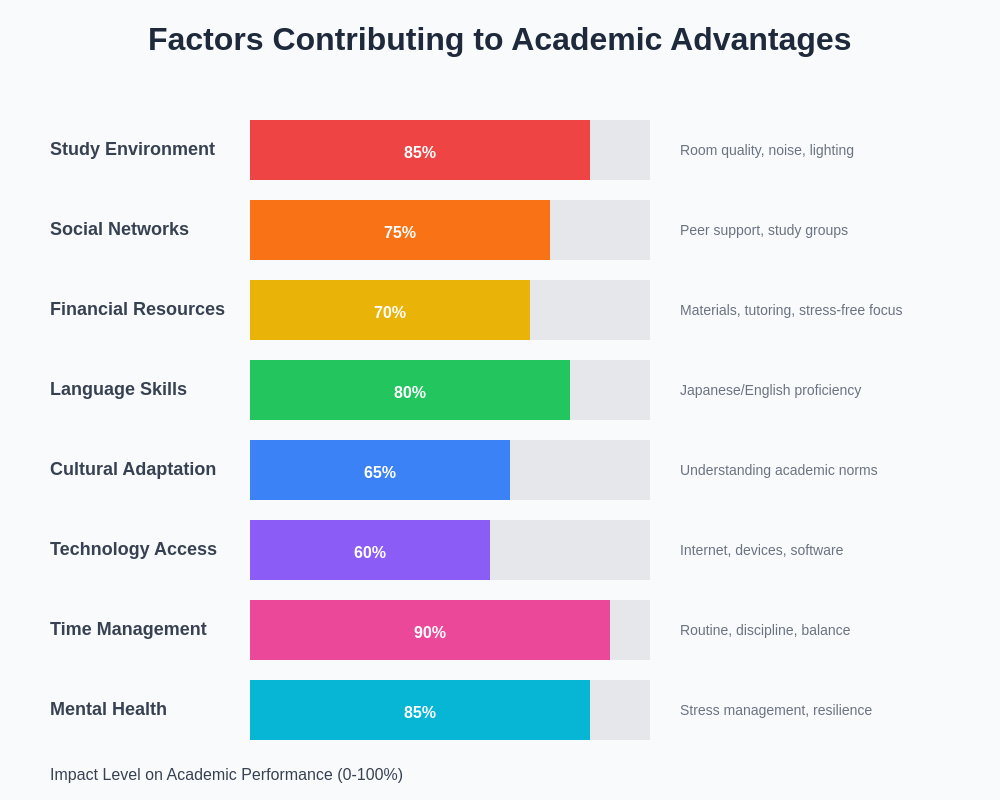
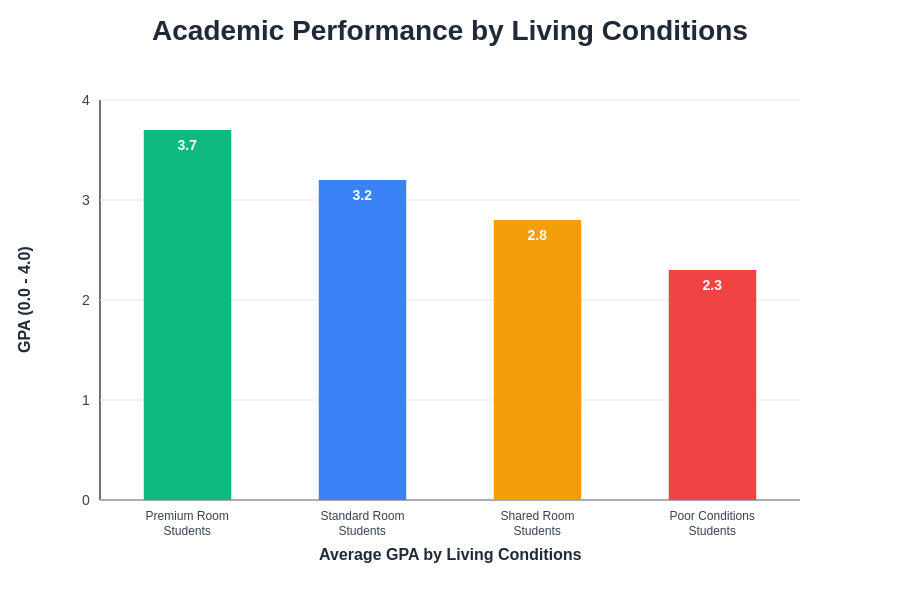
The physical environment within a sharehouse plays a fundamental role in determining academic success, with seemingly minor differences in room quality, noise levels, and study space availability creating significant impacts on learning outcomes. Students who secure rooms with optimal natural lighting, proper ventilation, and adequate space for study materials consistently demonstrate higher academic performance compared to those relegated to cramped, poorly lit, or noisy accommodations.
Student sharehouses near top Tokyo universities often exhibit stark contrasts in room quality and amenities that directly correlate with academic achievement patterns. Premium rooms with dedicated study areas, ergonomic furniture, and climate control systems provide substantial advantages that extend beyond mere comfort to impact cognitive function, concentration ability, and overall learning capacity.
The acoustic environment represents another critical factor, as students in quieter sections of sharehouses experience fewer interruptions and can maintain deeper focus during study sessions. Chronic exposure to noise pollution from common areas, neighboring rooms, or street traffic creates cumulative stress that impairs memory consolidation, reduces attention span, and ultimately undermines academic performance through physiological and psychological pathways.
Access to reliable internet connectivity, adequate electrical outlets, and proper study lighting varies significantly within individual sharehouses, creating technological advantages for some students while forcing others to adapt to suboptimal conditions that hinder their ability to complete assignments, participate in online learning, and access educational resources effectively.
Social Capital and Network Effects
The social composition of a sharehouse dramatically influences academic outcomes through peer effects, collaborative learning opportunities, and access to academic support networks that can either accelerate or impede educational progress. Students who find themselves surrounded by academically motivated peers benefit from positive social pressure, study group formation, and knowledge sharing that enhances their own learning experience.
Making friends through Tokyo sharehouse communities reveals how academic networking develops naturally within certain house environments while remaining elusive in others. Students with strong social connections often gain access to study materials, exam preparation resources, and insider knowledge about professors and courses that provide substantial competitive advantages.
Cultural capital differences among residents create invisible hierarchies that affect academic outcomes through differential access to educational resources, mentorship opportunities, and academic guidance. Students from families with higher educational attainment or professional backgrounds often possess implicit knowledge about academic systems, study strategies, and career planning that they share selectively within their social circles.
The formation of study groups and academic collaborations tends to follow existing social patterns within sharehouses, potentially excluding students who lack strong interpersonal skills, language proficiency, or cultural familiarity. These exclusions compound over time, creating widening gaps in academic support and collaborative learning opportunities that significantly impact long-term educational outcomes.
Language and Communication Advantages
Linguistic competency in both Japanese and English creates substantial academic advantages for students who can effectively navigate multiple educational contexts and access diverse learning resources. Students with superior language skills can engage more deeply with course materials, participate actively in classroom discussions, and build stronger relationships with professors and classmates.
Living with Japanese roommates in Tokyo sharehouses provides insights into how language immersion opportunities vary dramatically between different house configurations. Students who live alongside native Japanese speakers gain continuous language practice and cultural knowledge that translates directly into academic advantages in Japanese university settings.
The ability to code-switch between formal academic language and casual conversational styles gives certain students significant advantages in both classroom settings and informal study environments. These linguistic flexibilities enable more effective communication with professors, better integration into academic communities, and enhanced access to educational opportunities that require strong communication skills.
Written communication skills particularly impact academic success through their influence on assignment quality, research paper effectiveness, and examination performance. Students with superior writing abilities consistently achieve higher grades while also developing stronger relationships with faculty members who recognize and reward clear, articulate academic expression.
Financial Resources and Educational Support
Economic advantages manifest in numerous ways that directly impact academic performance, from access to premium study materials and technology to the ability to focus on studies without financial stress or part-time employment obligations. Students with adequate financial support can invest in educational resources, attend supplementary classes, and participate in academic activities without concerning themselves with immediate economic survival.
How much Tokyo sharehouses really cost per month demonstrates how housing costs consume varying proportions of student budgets, with some students able to afford premium accommodations while others struggle with basic living expenses. These financial disparities create cascading effects on academic performance through stress levels, time allocation, and resource availability.
The ability to purchase textbooks, software licenses, and educational technology provides immediate academic advantages that compound over time as students build comprehensive learning resource libraries. Financial constraints force some students to rely on outdated materials, shared resources, or suboptimal alternatives that limit their educational development and competitive positioning.
Access to professional tutoring, test preparation services, and academic coaching represents another dimension of financial advantage that can dramatically improve academic outcomes. Students with financial resources can address learning deficiencies quickly and systematically while those without such access may struggle indefinitely with foundational knowledge gaps.
Time Management and Lifestyle Factors
The structure of daily life within sharehouses varies dramatically based on individual circumstances, house rules, and social dynamics that can either support or undermine effective time management and academic focus. Students who establish consistent routines and maintain disciplined study schedules typically achieve better academic outcomes than those whose lives are characterized by irregularity and distraction.
Japanese sharehouse rules every foreigner should know illustrates how house policies and cultural expectations can either facilitate or complicate academic scheduling and study routines. Some houses maintain quiet hours and study-friendly environments while others prioritize social activities and entertainment that compete with academic priorities.
Sleep quality and circadian rhythm management significantly impact cognitive function, memory consolidation, and academic performance, with students in quieter, more regulated house environments experiencing better rest and consequently superior academic outcomes. Chronic sleep disruption from noise, irregular schedules, or social pressures creates cumulative deficits that undermine learning capacity and academic achievement.
The balance between social engagement and academic focus represents a critical challenge that some students navigate more successfully than others. Students who develop effective boundary-setting skills and time allocation strategies maintain academic performance while participating in social activities, whereas others struggle to manage competing demands effectively.
Technology Access and Digital Literacy
Digital competency and technology access create substantial academic advantages in modern educational environments where online learning, digital research, and technological proficiency are increasingly essential for academic success. Students with superior technical skills and access to current technology platforms can engage more effectively with educational content and demonstrate higher academic performance.
The quality of internet connectivity, device availability, and software access varies significantly within sharehouse environments, creating technological disparities that directly impact academic outcomes. Students with reliable, high-speed internet and current devices can participate fully in online learning while those with limited technological resources face continuous barriers to educational engagement.
Digital literacy encompasses not only technical skills but also information evaluation, online research methodology, and digital communication competencies that influence academic performance across multiple dimensions. Students with strong digital skills can efficiently locate and evaluate academic resources while those with limited technological proficiency struggle with basic research and information management tasks.
The integration of technology into study routines and academic workflows provides efficiency advantages that compound over time, enabling some students to accomplish more in less time while maintaining higher quality outcomes. Students who effectively leverage educational technology tools consistently outperform peers who rely on traditional study methods exclusively.
Cultural Adaptation and Academic Integration
The process of cultural adaptation within Japanese educational systems creates differential academic outcomes based on students’ cultural flexibility, social awareness, and institutional navigation skills. Students who quickly understand and adapt to Japanese academic culture consistently achieve better results than those who struggle with cultural adjustment throughout their educational experience.
How cultural differences affect friendship building explores how social integration impacts academic success through peer relationships, study group participation, and access to informal academic support networks. Students who successfully navigate cultural differences build stronger academic communities that enhance their educational outcomes.
Understanding implicit academic expectations, communication styles, and assessment criteria provides substantial advantages for students who can decode these cultural elements quickly and effectively. Students who remain confused by cultural academic norms consistently underperform despite having strong intellectual capabilities and study habits.
The ability to build relationships with Japanese professors and classmates creates access to academic opportunities, research possibilities, and career guidance that significantly impact long-term educational and professional outcomes. Students who develop strong cross-cultural relationship skills consistently access better academic opportunities and support systems.
Psychological Resilience and Stress Management
Mental health and psychological resilience play crucial roles in academic performance, with students who maintain emotional stability and effective stress management consistently achieving better educational outcomes than those who struggle with psychological challenges. The sharehouse environment can either support or undermine mental health through social dynamics, living conditions, and stress factors.
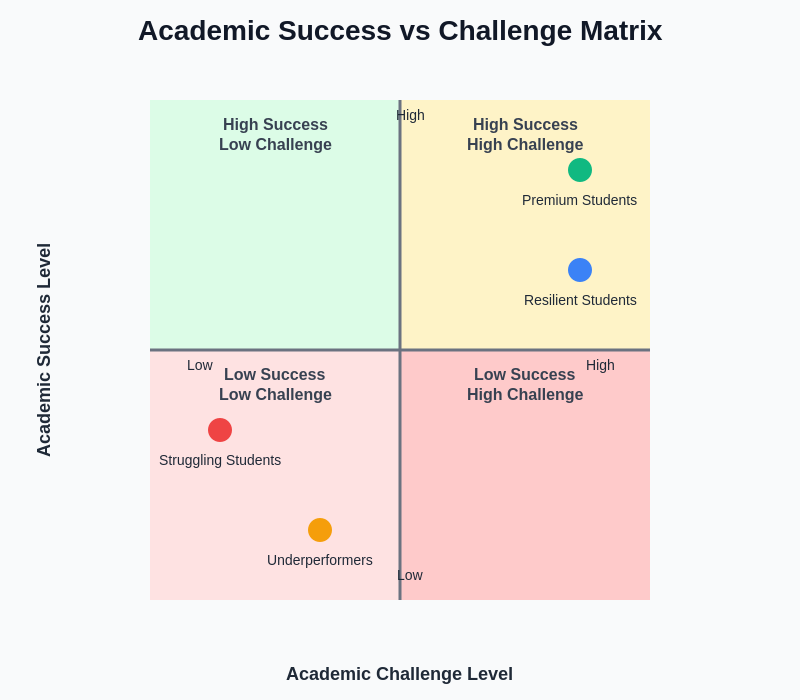
The development of coping strategies and emotional regulation skills enables some students to maintain academic performance despite facing significant challenges, while others become overwhelmed by relatively minor stressors that derail their educational progress. These psychological differences often correlate with previous life experiences, family support systems, and personal development opportunities.
Social support availability within sharehouses varies dramatically based on house culture, resident personalities, and community dynamics that can either provide emotional sustenance or exacerbate stress and isolation. Students who access strong social support networks demonstrate greater resilience and sustained academic performance over time.
The stigma surrounding mental health and academic struggles varies across cultural backgrounds and house environments, with some students receiving understanding and support while others face judgment or isolation that compounds their difficulties and undermines their academic recovery efforts.
Long-term Strategic Thinking and Planning
Academic success often correlates with strategic thinking abilities and long-term planning skills that enable students to make decisions that optimize their educational outcomes over extended periods. Students who develop comprehensive academic strategies and maintain long-term perspective consistently outperform those who focus exclusively on immediate academic demands.
How to find perfect sharehouse tokyo demonstrates how initial housing decisions can impact entire academic careers through their effects on study environment, social networks, and resource access. Students who make strategic housing choices based on academic priorities create foundations for sustained educational success.
The ability to anticipate academic challenges, plan resource allocation, and develop contingency strategies provides substantial advantages during periods of increased academic demand or unexpected difficulties. Students with strong planning skills maintain academic performance during challenging periods while others experience significant disruptions.
Career planning integration with academic decision-making enables some students to optimize their educational choices for long-term professional success, while others make decisions based on immediate preferences that may not align with their ultimate career objectives. This strategic thinking disparity creates cascading advantages that extend far beyond the immediate academic environment.
Understanding the complex factors that create academic advantages in sharehouse environments empowers students to make more informed decisions about their living situations, study strategies, and social engagement patterns. While not all advantages can be easily replicated or accessed, awareness of these dynamics enables students to maximize their available resources and minimize the impact of disadvantageous circumstances on their academic outcomes.
The recognition that academic success results from multiple interacting factors rather than individual merit alone can help create more equitable educational environments and support systems that address systemic barriers to academic achievement. By understanding these underlying mechanisms, students, educators, and housing providers can work together to create more supportive and academically conducive living environments for all residents.
Disclaimer
This article is for informational purposes only and does not constitute academic or professional advice. Academic performance depends on numerous individual and environmental factors that may vary significantly between students and situations. The observations presented are based on general patterns and should not be used to make assumptions about individual students or specific sharehouse environments. Readers should consult with educational advisors and consider their unique circumstances when making academic and housing decisions.