
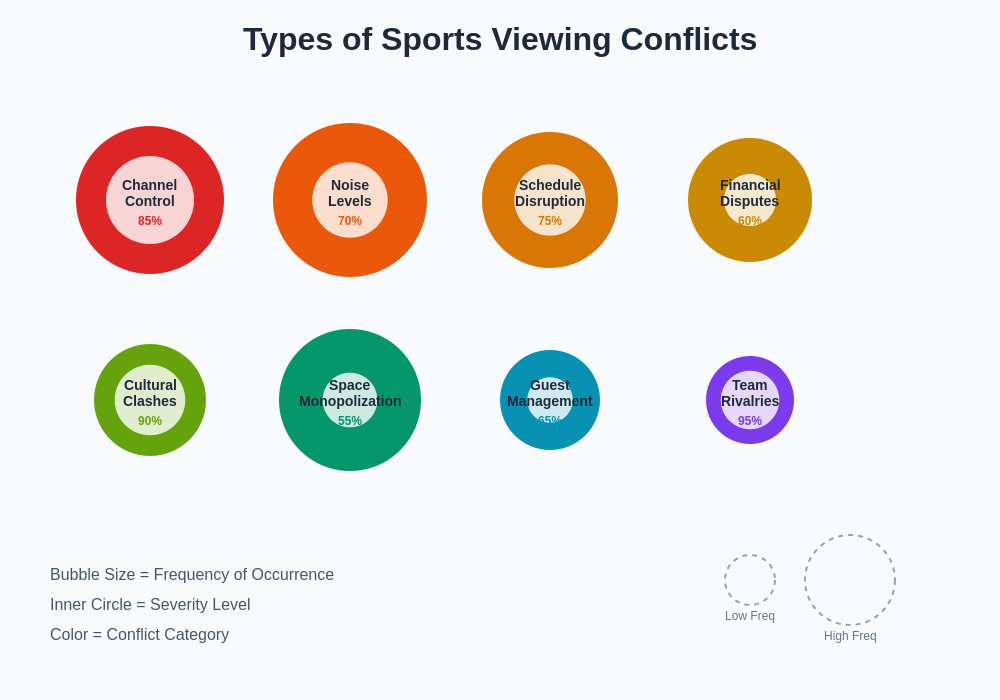
Sports viewing represents one of the most unexpectedly divisive forces in sharehouse living environments, transforming otherwise harmonious communities into battlegrounds of passionate allegiances and cultural misunderstandings. The intensity of emotions surrounding favorite teams, traditional rivalries, and viewing preferences creates complex social dynamics that can either strengthen bonds between residents or generate lasting tensions that affect every aspect of shared living experiences.
The phenomenon extends far beyond simple disagreements about which channel to watch, encompassing deep-rooted cultural identities, childhood memories, and personal values that residents often underestimate when entering shared living arrangements. Understanding these dynamics becomes crucial for maintaining peaceful coexistence and building stronger communities that can accommodate diverse sporting passions while preserving mutual respect and friendship among housemates.
The Psychology Behind Sports Fanaticism
Sports fanaticism operates on psychological levels that transcend rational thought, tapping into fundamental human needs for belonging, identity, and tribal connection that have evolved over millennia of social development. The emotional investment in sports teams often begins in childhood through family traditions, geographic loyalties, and formative experiences that become integral parts of personal identity and self-concept.
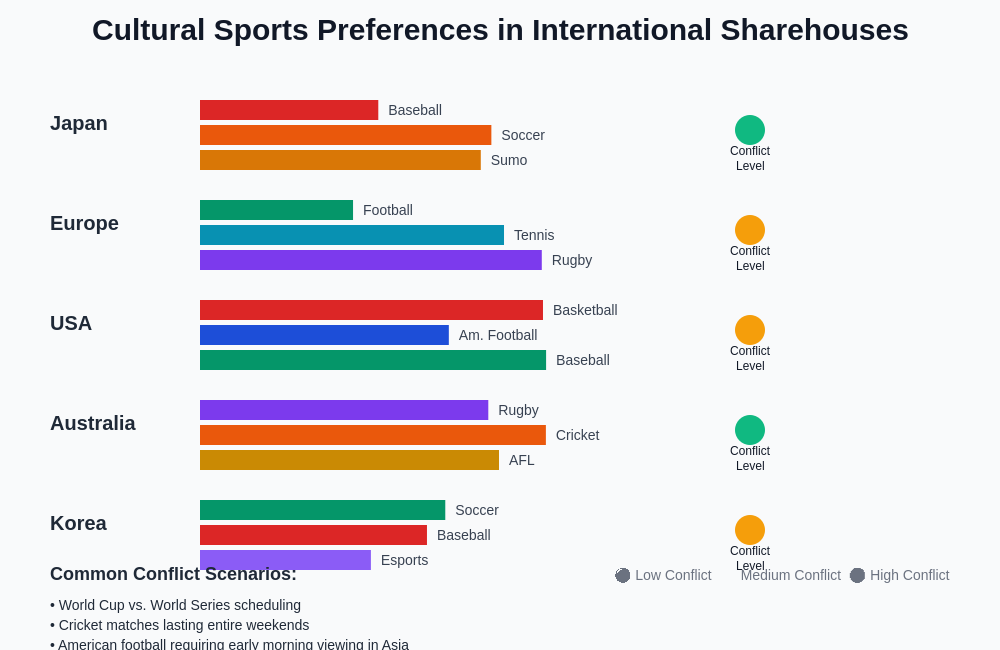
Living with Japanese roommates in Tokyo sharehouses reveals how deeply ingrained cultural sporting traditions can create unexpected friction when international residents encounter Japan’s unique baseball culture, sumo wrestling devotion, and soccer enthusiasm that differs dramatically from Western sporting priorities and viewing habits.
The neurochemical responses triggered by sports viewing mirror those experienced during actual physical competition, releasing dopamine during victories and cortisol during defeats in ways that create genuine physiological stress and euphoria. These biological reactions explain why seemingly rational individuals can become emotionally volatile during crucial games, making compromises and rational discussions nearly impossible during high-stakes sporting events.
Team loyalty often becomes intertwined with personal identity in ways that make criticism of preferred teams feel like personal attacks, leading to defensive behaviors and irrational arguments that can permanently damage relationships between otherwise compatible roommates. This psychological phenomenon creates situations where logical discussions about television scheduling or volume levels become emotionally charged confrontations about respect, consideration, and fundamental values.
Cultural Sporting Traditions and International Conflicts
International sharehouses become melting pots where diverse sporting cultures collide, often revealing how deeply national and regional identities are embedded in athletic preferences and viewing behaviors. European residents may prioritize football matches that occur during inconvenient hours for Asian time zones, while American residents might demand access to basketball or American football that holds little interest for other international housemates.
The scheduling conflicts become particularly intense during major international competitions such as the World Cup, Olympics, or regional championships when multiple sporting events compete for limited television time and communal space access. Cultural differences that affect friendship building explores how these entertainment preferences reflect deeper cultural values and communication styles that can either enhance or hinder relationship development.
Japanese sporting culture presents unique challenges for international residents who may not understand the significance of high school baseball tournaments, professional baseball season rhythms, or the ceremonial aspects of sumo wrestling that command devoted attention from local residents. The reverence and quiet observation expected during certain Japanese sporting events contrasts sharply with the boisterous celebration styles common in Western sporting cultures.
Religious and cultural observances further complicate sporting schedules when residents have conflicting priorities between important matches and cultural or spiritual obligations. Friday evening games may conflict with religious observances, while traditional holiday sporting events might clash with family obligations or work commitments that vary significantly across different cultural backgrounds.
Television and Entertainment System Monopolization
The practical aspects of sports viewing create immediate conflicts over shared entertainment resources, with passionate fans often claiming exclusive access to television systems during crucial games or extended tournament periods. Entertainment choices that exclude others examines how sporting event scheduling can monopolize common areas for hours or entire days, preventing other residents from accessing shared spaces and entertainment systems.
Premium sports packages and streaming subscriptions represent significant financial investments that create additional tensions when residents disagree about shared expenses or access privileges. Some residents may refuse to contribute to sports channel subscriptions they never use, while passionate fans argue that communal entertainment budgets should prioritize their viewing needs and preferences.
The volume levels required for exciting sports viewing often exceed comfortable limits for residents engaged in other activities such as studying, working from home, or relaxing with different entertainment preferences. These conflicts become particularly problematic during international games or playoffs when viewing parties extend late into evening hours, affecting sleep schedules and daily routines of non-participating housemates.
Multiple screen solutions and individual streaming devices can reduce some conflicts but may create new tensions around internet bandwidth usage, especially during peak viewing times when multiple high-definition streams strain shared network infrastructure. Technical solutions often fail to address underlying social dynamics and respect issues that make sports viewing such a divisive force in communal living environments.
Social Viewing Dynamics and Peer Pressure
Sports viewing often transforms from individual entertainment into mandatory social activities that create pressure for participation and enthusiasm that some residents may find uncomfortable or overwhelming. Social events that become obligatory discusses how communal sports viewing can evolve into expected house activities that make non-participants feel excluded or unwelcome in their own living spaces.
The emotional intensity of group sports viewing can make casual observers feel obligated to demonstrate enthusiasm and team loyalty they may not genuinely feel, creating artificial social dynamics and potential resentment toward both the sports culture and participating residents. These pressures can be particularly challenging for residents who have no interest in sports but feel compelled to participate to maintain social standing within the house community.
Viewing parties and game-day celebrations often expand beyond current residents to include friends, colleagues, and extended social networks that transform quiet living spaces into crowded entertainment venues. The guest management and social dynamics become complex when different residents invite competing fan groups or when visitor behavior affects house rules and community standards.
Cultural differences in appropriate celebration behaviors create additional friction when residents have different expectations about acceptable noise levels, alcohol consumption, and emotional expression during sporting events. What constitutes normal fan behavior varies dramatically across cultures and can make some residents uncomfortable with the intensity and duration of sports-related celebrations.
Financial Disputes Over Sports Entertainment
The cost of sports entertainment creates multiple layers of financial tension within sharehouse communities, from basic cable subscriptions to premium sports packages that can significantly increase monthly entertainment budgets. Shared expense apps create new problems reveals how sports-related costs become particularly contentious when residents disagree about the value and necessity of expensive sports programming.
Pay-per-view events and special sporting occasions can cost substantial amounts that passionate fans expect to share among all residents, regardless of their interest or participation in viewing. These expectations create awkward situations where non-fans feel pressured to contribute to entertainment they actively avoid, while fans argue that communal expenses should cover major sporting events regardless of individual preferences.
Food and beverage costs associated with sports viewing parties add another layer of financial complexity, particularly when traditional game-day foods and alcoholic beverages significantly exceed normal household food budgets. The expectation for elaborate spreads and party supplies can strain house finances and create resentment among residents who prefer simpler, more cost-effective entertainment options.
Equipment purchases such as larger televisions, sound systems, and furniture arrangements optimized for sports viewing represent significant investments that may not align with other residents’ priorities or aesthetic preferences. These decisions affect the entire house but are often driven by the most passionate sports fans, potentially creating lasting dissatisfaction among residents who prefer different common area configurations.
Noise and Schedule Disruptions
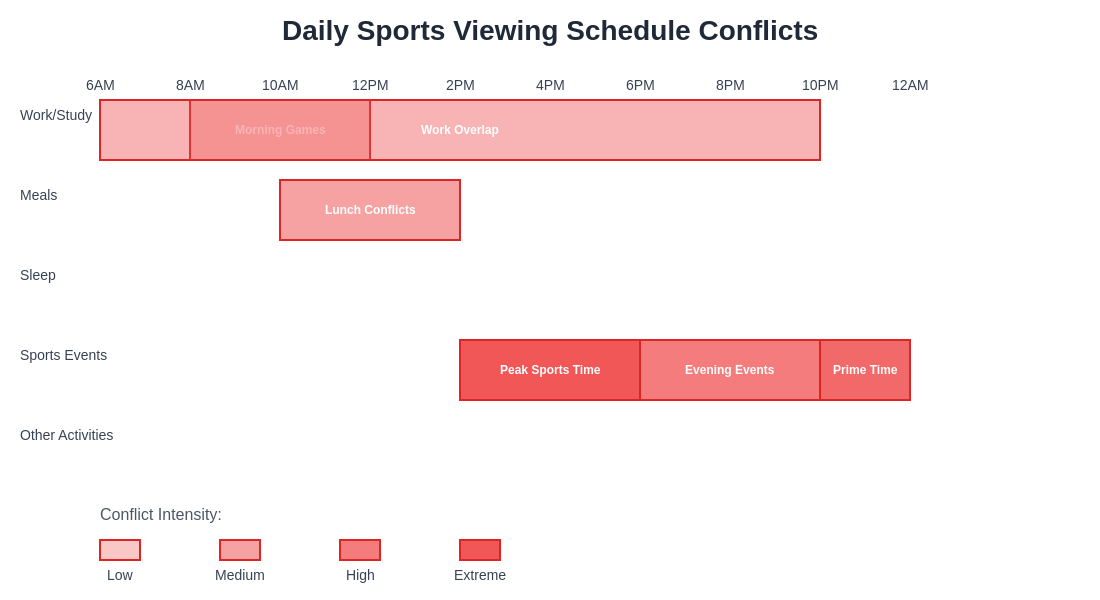
Sports events operate on schedules that rarely accommodate normal household routines, creating conflicts between passionate viewers and residents who maintain regular sleep schedules, work commitments, or study requirements. Sleep quality suffers in shared environments examines how irregular sports viewing schedules can disrupt entire household rhythms and create lasting tension between entertainment and practical living needs.
International sporting events often occur during inconvenient hours due to time zone differences, leading to early morning or late-night viewing sessions that affect neighboring residents through noise, light, and activity disruptions. Champions League matches, NBA games, or cricket tournaments may require viewing at hours that conflict with work schedules and sleep patterns of non-participating residents.
The emotional volume fluctuations during exciting sports moments create unpredictable noise patterns that are more disruptive than consistent background sounds, making it difficult for other residents to concentrate on work, study, or relaxation activities. Sudden cheering, groaning, and commentary can interrupt phone calls, video conferences, or quiet activities in ways that create ongoing frustration and resentment.
Weekend sports viewing often claims entire days of common area usage, preventing other residents from accessing shared spaces for their own entertainment, social activities, or relaxation needs. The monopolization of communal areas becomes particularly problematic during tournament seasons when multiple games per day create extended periods of limited space access for non-viewing residents.
Gender and Sports Culture Dynamics
Traditional sports culture often carries gender assumptions and social dynamics that can create uncomfortable situations for residents who don’t conform to expected participation patterns or enthusiasm levels. Gender-specific sharehouses have different rules explores how sports viewing can reveal or reinforce gender stereotypes and social expectations that affect house harmony and individual comfort levels.
Female residents may feel excluded from male-dominated sports viewing culture or pressured to demonstrate knowledge and enthusiasm they may not possess, while male residents who lack sports interest might face social pressure or judgment about their masculinity and social participation. These dynamics create artificial social hierarchies based on sports knowledge and enthusiasm rather than personal compatibility and mutual respect.
Mixed-gender sports viewing can sometimes devolve into situations where sports become vehicles for inappropriate social behavior, competitive displays of knowledge, or exclusionary conversations that make some residents uncomfortable in their own living spaces. The combination of alcohol, emotional intensity, and group dynamics can create environments where normal social boundaries become blurred or ignored.
Cultural differences in gender roles and sports participation create additional complexity when residents from different backgrounds have varying expectations about appropriate behavior, participation levels, and social dynamics during sporting events. These cultural misunderstandings can create lasting tensions that extend far beyond individual sporting events.
Technology and Streaming Conflicts
Modern sports viewing involves complex technology requirements including high-speed internet, multiple streaming subscriptions, and specialized equipment that can strain household resources and create technical disputes among residents. Internet data limits affect monthly usage reveals how sports streaming can consume enormous amounts of bandwidth that affects other residents’ internet usage and monthly costs.
Different streaming platforms and regional restrictions create situations where residents must navigate multiple subscriptions, VPN services, and technical workarounds to access preferred sporting content. The complexity and cost of these solutions often fall disproportionately on the most technically savvy residents, creating imbalances in effort and financial responsibility for shared entertainment access.
Device compatibility and screen sharing create additional technical challenges when multiple residents want to access different sporting events simultaneously or when international residents require specific regional access for their preferred sports content. The proliferation of personal devices and streaming accounts can reduce some conflicts but may create new issues around account sharing, password management, and usage monitoring.
Smart TV interfaces and streaming navigation become points of contention when different residents have varying comfort levels with technology and different preferences for interface complexity and content organization. Simple channel-changing disputes evolve into complex technical discussions about user accounts, content recommendations, and system optimization that can frustrate less technically oriented residents.
Resolution Strategies and House Harmony
Successful management of sports viewing conflicts requires proactive communication, clear house rules, and creative solutions that accommodate diverse interests while maintaining respect and consideration for all residents. How to handle roommate conflicts without moving out provides frameworks for addressing entertainment disputes before they escalate into serious relationship problems or living situation changes.
Scheduling systems and advance communication can help prevent conflicts by allowing residents to plan around major sporting events and negotiate usage of common areas and entertainment systems. Digital calendars, house meeting discussions, and informal communication channels enable residents to coordinate their entertainment needs while respecting others’ schedules and space requirements.
Financial solutions such as proportional cost-sharing based on usage levels, separate entertainment budgets for different interest groups, or individual subscription management can address monetary disputes while ensuring that all residents have access to their preferred entertainment options. These approaches require clear agreements and ongoing communication but can eliminate many sources of financial tension.
Alternative viewing arrangements including separate spaces for sports viewing, headphone usage during late hours, and rotation systems for prime television access can provide technical solutions that accommodate different preferences without creating winner-and-loser dynamics. These solutions require compromise and flexibility from all residents but can preserve both individual entertainment freedom and communal harmony.
Long-term Community Building Through Sports
Despite the potential for conflict, shared sports viewing can also serve as powerful community-building activities that create lasting bonds between residents and enhance the overall sharehouse experience. Making friends through Tokyo sharehouse communities demonstrates how common interests, including sports enthusiasm, can facilitate deeper relationships and cultural exchange among international residents.
Cultural education through sports viewing provides opportunities for residents to learn about each other’s backgrounds, national traditions, and cultural values in engaging and memorable ways. Explaining the significance of traditional sporting events, sharing cultural foods during games, and teaching sports rules can create positive cultural exchange experiences that enhance mutual understanding and respect.
Organized viewing events and tournaments can transform potential sources of conflict into collaborative activities that bring residents together around shared excitement and friendly competition. Fantasy leagues, prediction contests, and themed parties can channel competitive energy into positive social activities that strengthen rather than divide house communities.
The intensity and emotional investment that make sports viewing potentially divisive also create opportunities for authentic connection and shared experience that can deepen friendships and create lasting memories among residents who learn to navigate these dynamics successfully.
Sports viewing in sharehouse environments represents a microcosm of broader cultural negotiation and community building challenges that arise when diverse individuals attempt to create harmonious shared living spaces. The passionate emotions and cultural significance attached to sporting traditions can create significant conflicts but also provide opportunities for deeper understanding, creative problem-solving, and stronger community bonds when approached with respect, communication, and willingness to compromise. Success in managing these dynamics often determines the overall quality of sharehouse living experiences and the lasting relationships that residents build during their time in shared accommodation.
Disclaimer
This article is for informational purposes only and reflects general observations about sports viewing in shared living environments. Individual experiences may vary significantly based on cultural backgrounds, personal preferences, and specific house dynamics. Readers should approach sports-related conflicts with open communication, respect for different perspectives, and willingness to find mutually acceptable solutions. The effectiveness of suggested strategies may depend on specific circumstances and the personalities involved in each living situation.