The initial month of sharehouse living in Tokyo presents a perfect storm of psychological, cultural, and practical challenges that can dramatically elevate stress levels for even the most prepared international residents. This period represents far more than simple accommodation adjustment; it encompasses a complete restructuring of daily routines, social dynamics, and cultural understanding that can overwhelm newcomers who underestimate the emotional complexity of shared living in a foreign environment.
Understanding why stress intensifies during this critical adjustment period enables better preparation and more effective coping strategies that can transform what often becomes a traumatic experience into a manageable transition toward successful long-term sharehouse living. The convergence of multiple stressors during the first month creates compound effects that can significantly impact mental health, decision-making capabilities, and overall satisfaction with the sharehouse experience.
The Cultural Shock Amplification Effect
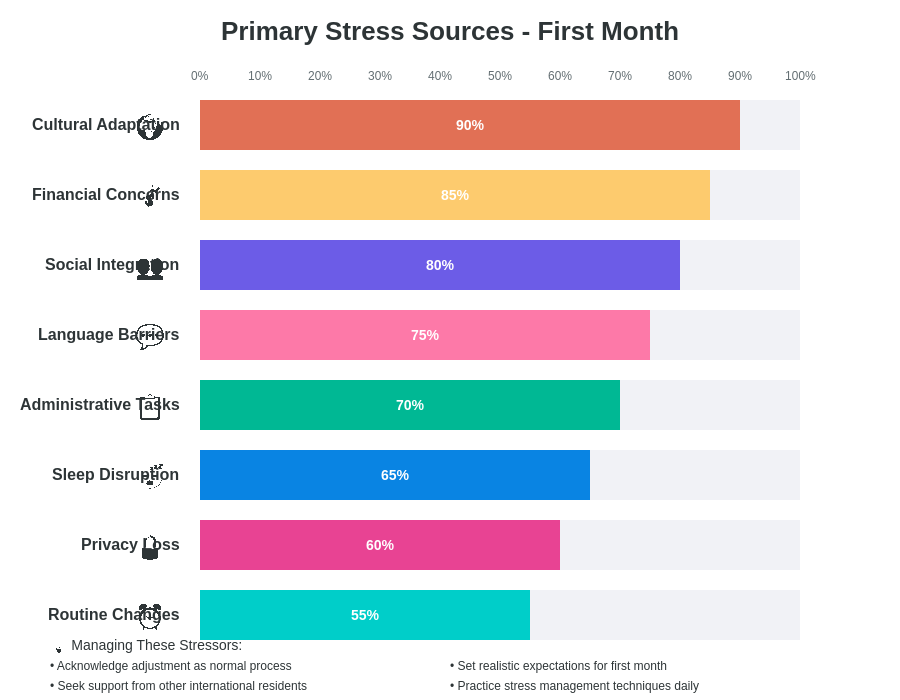
Cultural adaptation in sharehouse environments accelerates the typical culture shock timeline, compressing months of gradual adjustment into weeks of intensive daily interactions with unfamiliar social norms, communication styles, and behavioral expectations. Japanese sharehouse rules every foreigner should know becomes essential reading, but theoretical knowledge cannot fully prepare residents for the emotional impact of constant cultural navigation in intimate living spaces.
The intensity of cultural differences becomes magnified in shared living situations where privacy disappears and every action carries social implications that may conflict with previously established personal habits and cultural conditioning. Simple activities like cooking, cleaning, and personal hygiene routines suddenly require careful consideration of cultural appropriateness and community impact, creating mental fatigue from constant self-monitoring and behavioral adjustment.
Language barriers compound cultural stress by limiting effective communication about concerns, preferences, and boundaries, often resulting in misunderstandings that escalate minor issues into significant conflicts. The cognitive load of processing both verbal and non-verbal communication in a second language while simultaneously navigating cultural expectations creates sustained mental exhaustion that accumulates throughout the first month.
Financial Anxiety and Hidden Cost Discovery
The financial reality of sharehouse living often diverges significantly from initial budget projections, with hidden costs and unexpected expenses emerging throughout the first month that can destabilize carefully planned financial frameworks. How much Tokyo sharehouses really cost per month provides general guidance, but individual experiences frequently exceed these estimates due to personal preferences, social pressures, and unforeseen circumstances.
Initial setup costs continue accumulating beyond move-in day as residents discover essential items not provided by the sharehouse, replacement needs for damaged or inadequate furnishings, and social expenses associated with community integration activities. Currency exchange fluctuations, international transfer fees, and delayed salary payments can create cash flow problems that generate significant anxiety during an already stressful adjustment period.
The social pressure to participate in group activities, shared meals, and community events adds unexpected social expenses that budget-conscious residents may struggle to afford while maintaining financial stability. Understanding utility bills in Japanese sharehouses becomes crucial as consumption patterns during the adjustment period often exceed normal usage levels due to extended time spent at home and increased comfort-seeking behaviors.
Social Integration Pressure and Isolation Paradox
The expectation to rapidly integrate into established social dynamics creates intense pressure that paradoxically can lead to social withdrawal and increased isolation during the crucial first month when community connections are most needed. Making friends through Tokyo sharehouse communities requires time and emotional energy that stressed newcomers often lack during their initial adjustment phase.
Existing residents may have already formed tight-knit social groups with established inside jokes, shared experiences, and communication patterns that can make newcomers feel excluded despite well-intentioned inclusion attempts. The effort required to decode social hierarchies, understand group dynamics, and find appropriate ways to contribute to community life creates cognitive overload alongside other adjustment challenges.
Personality mismatches with housemates become apparent during intensive daily interactions, but the constraints of lease agreements and limited alternative housing options can trap residents in incompatible living situations that generate ongoing stress throughout the first month. Living with Japanese roommates in Tokyo sharehouses involves cultural adaptation that extends beyond language to encompass fundamentally different approaches to conflict resolution, personal space, and social interaction.
Daily Routine Disruption and Control Loss
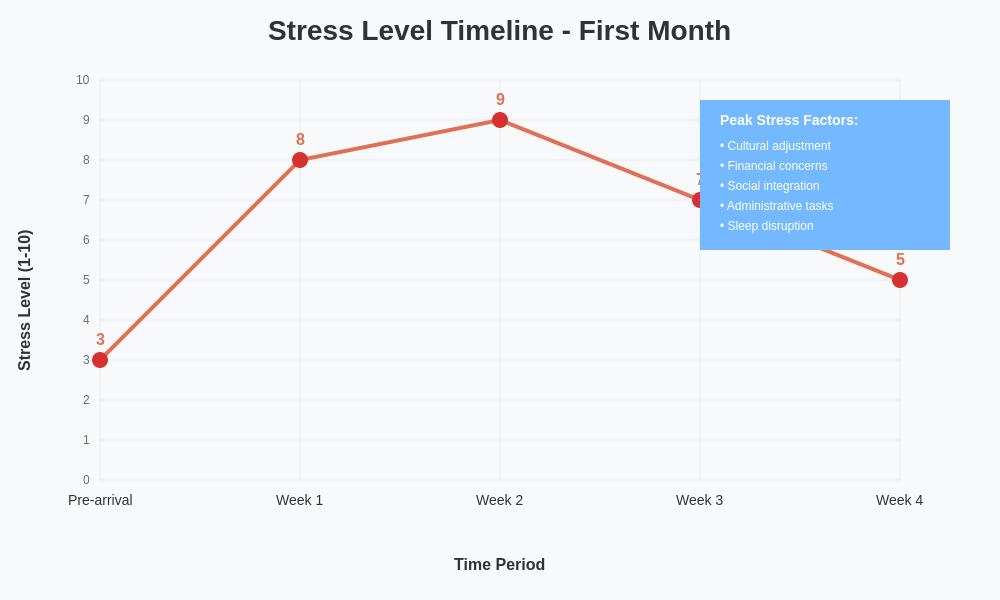
The loss of familiar routines and personal control over environment and schedule creates ongoing stress that accumulates throughout the first month as residents struggle to establish new patterns that accommodate shared living constraints. Simple activities like morning bathroom routines, meal preparation timing, and sleep schedules require constant negotiation and adjustment that can feel overwhelming when combined with other transition challenges.
Shared kitchen politics emerge as major stress sources when multiple residents compete for limited cooking space and equipment during peak meal times, forcing hungry newcomers to either skip meals or wait extended periods that disrupt established eating patterns. How kitchen politics actually work in japanese sharehouses reveals complex dynamics that first-month residents often navigate poorly due to incomplete understanding of unwritten rules and hierarchies.
Privacy limitations in shared living spaces eliminate the ability to retreat completely from social interaction during times when solitude becomes necessary for emotional regulation and stress recovery. The constant awareness of others’ presence and activities prevents full relaxation and contributes to accumulated tension that can manifest as irritability, sleep disruption, and decision-making difficulties.
Administrative Overwhelm and Bureaucratic Stress
The Japanese administrative system requires extensive documentation and procedural compliance that can overwhelm international residents during their first month when energy and attention are already divided among numerous adaptation challenges. What documents you need for Tokyo sharehouse applications represents only the beginning of ongoing administrative requirements that continue throughout the initial settlement period.
Alien registration procedures, bank account establishment, phone service activation, and insurance enrollment create a cascade of appointments and paperwork that must be completed while simultaneously adjusting to new living arrangements and work or study responsibilities. Language barriers complicate these processes significantly, often requiring multiple visits and extensive preparation that consume time and mental energy needed for other adjustment activities.
Misunderstanding administrative requirements or making procedural errors can create cascading problems that affect visa status, financial services access, and basic daily functioning, generating anxiety that persists throughout the first month as residents navigate correction processes. The fear of making mistakes in unfamiliar systems adds additional stress to routine administrative tasks that would be simple in one’s home country.
Sleep Disruption and Physical Health Impact
Sleep quality deteriorates significantly during the first month due to environmental factors, stress-related insomnia, and schedule disruptions that create a negative feedback loop affecting mood regulation, cognitive function, and stress management capabilities. How sleep quality suffers in shared environments becomes immediately relevant as new residents discover the challenges of sleeping in unfamiliar environments with different noise levels, lighting conditions, and neighbor activities.
Jet lag effects for international arrivals compound sleep disruption problems, extending the adjustment period and interfering with the body’s natural stress recovery mechanisms that typically occur during quality rest periods. The combination of physical and emotional exhaustion creates vulnerability to illness and mood disorders that can significantly impact first-month experiences.
Dietary changes and irregular eating patterns common during the adjustment period affect energy levels and mood stability, contributing to increased stress sensitivity and reduced resilience for handling daily challenges. The physical impact of sustained stress during the first month can create health problems that persist beyond the initial adjustment period if not properly addressed.
Expectation Reality Gap and Disappointment Management
Pre-arrival expectations about sharehouse living often fail to align with actual experiences, creating disappointment and disillusionment that generate additional stress during a period when emotional resilience is already compromised. Marketing materials and online reviews may not adequately convey the daily realities of shared living, leading to unrealistic expectations about privacy, cleanliness, social dynamics, and overall quality of life.
The romanticized vision of international friendship and cultural exchange can clash with the mundane realities of shared chores, personality conflicts, and practical limitations that define daily sharehouse life. Real stories from Tokyo sharehouse residents provides authentic perspectives, but individual experiences vary significantly based on house dynamics, personal compatibility, and external circumstances.
Comparison with previous living arrangements or alternative housing options can generate regret and second-guessing during difficult moments in the first month when adjustment challenges feel overwhelming. The inability to immediately change housing situations due to lease constraints and limited alternatives can create feelings of trapped helplessness that amplify stress levels.
Work and Study Performance Impact
Professional and academic performance often suffers during the first month as residents struggle to balance adjustment demands with existing responsibilities, creating additional stress about career or educational progress. How commute times impact work performance becomes relevant as new residents navigate unfamiliar transportation systems while managing other adjustment challenges.
Concentration difficulties from sleep disruption, cultural stress, and environmental distractions can affect work quality and academic achievement during a critical period when good performance is essential for establishing positive relationships with employers or educational institutions. The pressure to maintain professional standards while managing personal adjustment creates competing demands for time and energy that can feel overwhelming.
Language challenges in professional or academic settings compound general communication stress, particularly when presentation skills, written communication, or technical vocabulary become essential for success. The cognitive load of processing information in a second language while managing stress from housing adjustment can significantly impact performance levels.
Technology and Communication Barriers
Internet connectivity issues, different phone systems, and unfamiliar technology platforms create additional frustration during a period when reliable communication becomes essential for managing other adjustment challenges. How internet data limits affect your monthly usage highlights practical concerns that can affect both professional responsibilities and personal communication needs.
Social media and communication app differences can create isolation from home country support networks precisely when emotional support becomes most crucial for managing first-month stress. Time zone differences complicate scheduling calls with family and friends, reducing access to familiar emotional support systems during challenging adjustment periods.
Banking technology, payment systems, and online service platforms operate differently in Japan, creating frustration and delays in managing financial responsibilities and daily transactions. The learning curve for essential technology systems adds cognitive load during an already overwhelming adjustment period.
Effective Stress Management Strategies
Recognizing stress escalation patterns enables proactive intervention before anxiety becomes overwhelming and impacts long-term sharehouse satisfaction and mental health outcomes. Establishing consistent daily routines within the constraints of shared living provides stability anchors that reduce uncertainty and increase sense of control during chaotic adjustment periods.
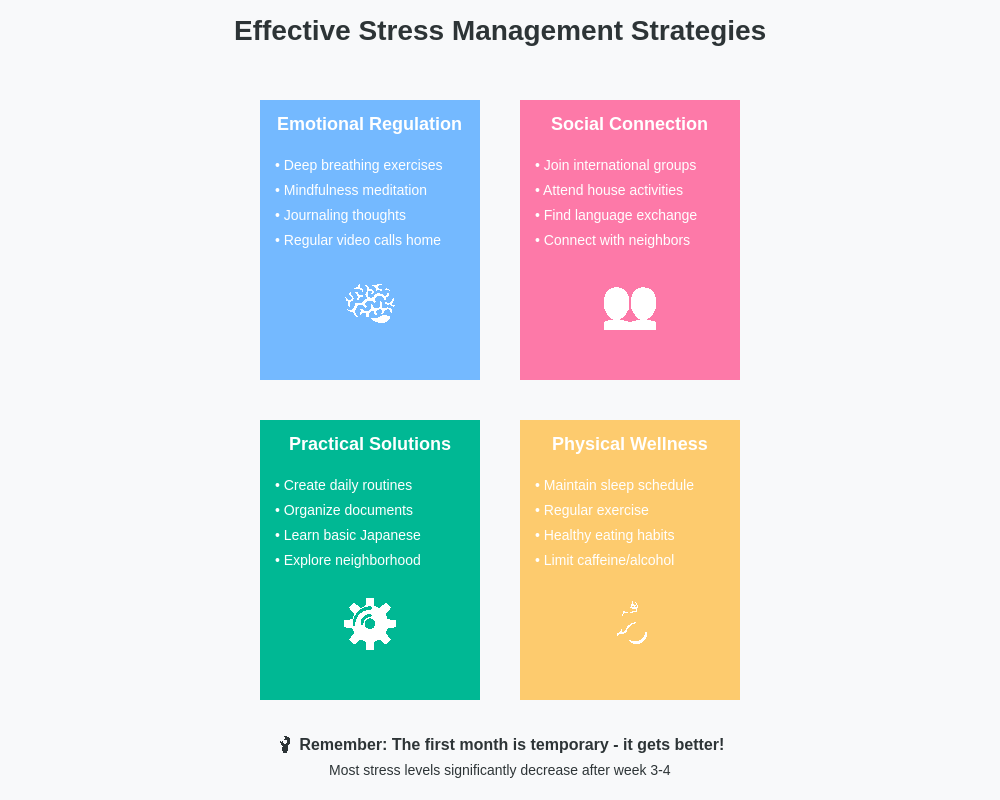
Creating designated private time and space within shared environments becomes essential for emotional regulation and stress recovery, even when complete privacy is not possible. Setting realistic expectations about adjustment timelines and accepting temporary discomfort as normal reduces self-criticism and performance pressure that can amplify stress levels.
Building gradual social connections rather than forcing immediate deep friendships allows organic relationship development that feels less pressured and more sustainable. Seeking support from international student services, expatriate communities, and mental health resources provides professional guidance for managing adjustment challenges effectively.
The first month of sharehouse living represents a temporary but intense adjustment period that tests resilience and adaptation skills while providing opportunities for personal growth and cultural understanding. Understanding the complexity of stressors involved enables better preparation and more compassionate self-evaluation during this challenging but ultimately rewarding transition period. Success requires patience, realistic expectations, and proactive stress management rather than attempting to eliminate all sources of adjustment difficulty.
Disclaimer
This article is for informational purposes only and does not constitute professional mental health or medical advice. Stress levels and adjustment experiences vary significantly between individuals based on personal circumstances, cultural background, and specific sharehouse environments. Readers experiencing severe stress or mental health concerns should consult with qualified healthcare professionals. The strategies mentioned may not be suitable for all situations or individuals.