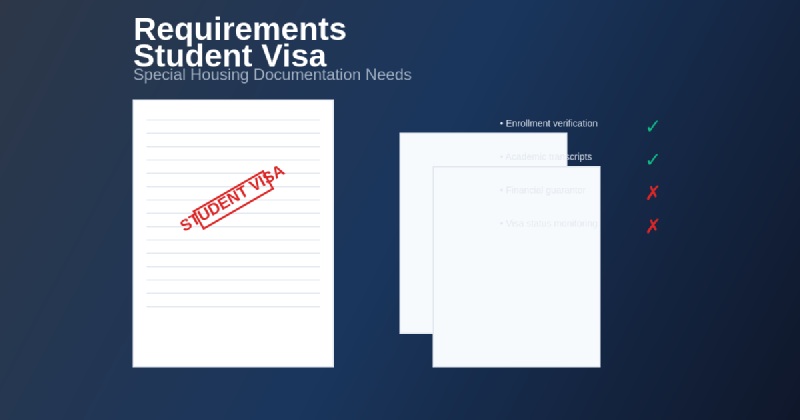
Student visa holders in Japan face a complex web of additional requirements and verification processes when seeking sharehouse accommodation that fundamentally differ from those imposed on other visa categories. These distinctive requirements stem from immigration regulations, landlord risk assessment policies, and the inherent temporary nature of student status, creating unique challenges that can significantly complicate the housing search process for international students pursuing education in Japan.
The intersection of immigration law, property management policies, and educational institution requirements creates a multilayered approval process that student visa holders must navigate successfully to secure appropriate accommodation. Understanding these requirements and their underlying rationale empowers students to prepare effectively and increases their chances of securing desirable living arrangements while avoiding common pitfalls that often derail housing applications.
Legal Framework Governing Student Housing
Japanese immigration law establishes specific parameters that affect how student visa holders can engage in rental agreements, with particular emphasis on status verification, activity restrictions, and residence reporting obligations. The student visa category inherently carries temporal limitations that create perceived instability from property management perspectives, leading to enhanced scrutiny during application processes.
Student visa status requires ongoing enrollment verification and academic progress monitoring that can affect housing eligibility throughout the tenancy period. Student sharehouses near top Tokyo universities often implement specialized verification procedures that account for these unique legal requirements while maintaining compliance with immigration reporting obligations.
The residence registration system requires student visa holders to maintain accurate address records with both immigration authorities and educational institutions, creating additional administrative burdens that must be coordinated with sharehouse management. Changes in academic status, visa renewal processes, and potential graduation timelines all introduce variables that property managers must consider when evaluating long-term rental commitments.
Financial Verification Challenges for Students
Student visa holders typically face more stringent financial verification requirements due to their reliance on family support, scholarship funding, or limited part-time employment income that creates unique documentation challenges. Traditional income verification methods designed for full-time employees often prove inadequate for student financial situations, requiring alternative verification approaches.
Scholarship documentation, bank statements from overseas accounts, and parental guarantor arrangements become essential components of the financial verification process. Living costs in Tokyo sharehouses explained provides context for understanding why property managers require comprehensive financial documentation from student applicants who may lack traditional employment income streams.
The seasonal nature of student income, including tuition payment schedules and potential gaps between academic terms, creates additional complexity in demonstrating financial stability. International money transfer documentation and currency exchange considerations further complicate the financial verification process for students whose primary funding sources originate outside Japan.
Work hour restrictions imposed on student visa holders limit earning potential and create uncertainty around income stability that property managers must factor into their risk assessments. Part-time work permits and employment documentation requirements add another layer of verification that distinguishes student applications from other visa categories.
Educational Institution Documentation Requirements
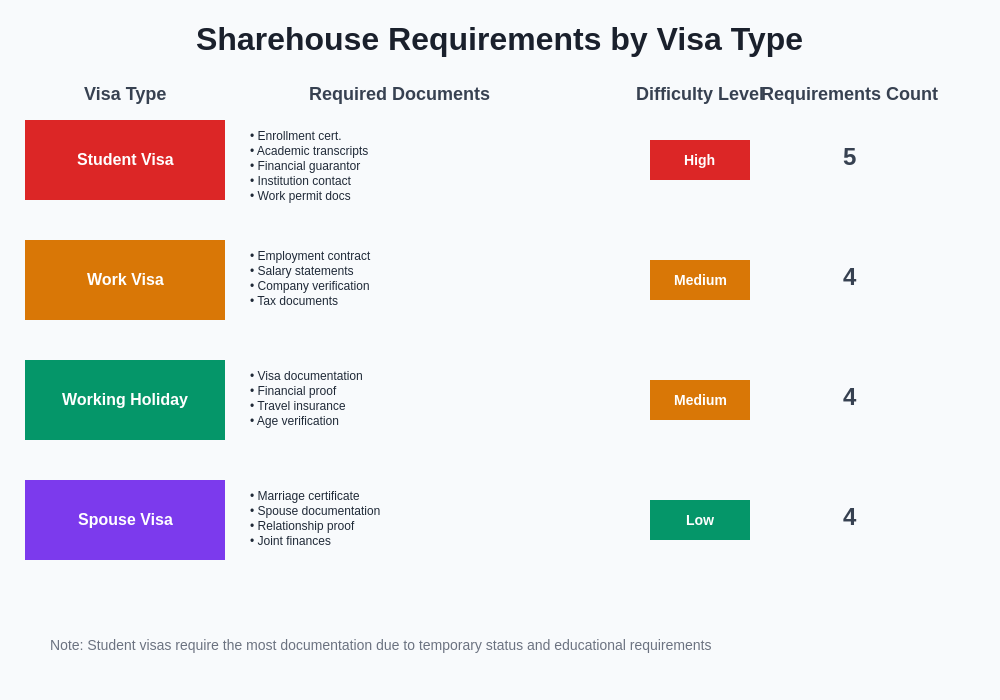
Enrollment verification through official transcripts, registration certificates, and institutional correspondence becomes mandatory for student visa sharehouse applications, creating documentation requirements that other visa categories do not face. Educational institutions often provide specialized housing support services that interface with sharehouse operators, but these relationships can create additional bureaucratic layers.
Academic calendar considerations affect lease timing and renewal negotiations, as student housing needs often align with semester schedules rather than traditional rental cycles. How to find perfect sharehouse tokyo addresses some of these timing challenges, though student-specific considerations require additional planning and flexibility.
Language school enrollment verification involves different documentation standards compared to university enrollment, with varying levels of institutional support and recognition among sharehouse operators. The perceived stability and legitimacy of different educational institutions can significantly influence application approval rates and available housing options.
Grade performance requirements occasionally factor into housing eligibility, particularly for sharehouses that cater specifically to academic communities or maintain partnerships with educational institutions. Academic standing verification may be required for lease renewals or continued residency approval in education-focused housing environments.
Guarantor and Support System Requirements
Student visa holders frequently face enhanced guarantor requirements that may include both Japanese residents and international family members, creating complex verification processes that span multiple countries and legal systems. Japanese sharehouse rules every foreigner should know touches on some guarantor considerations, though student-specific requirements often exceed standard policies.
Educational institutions sometimes serve as institutional guarantors or provide guarantor services, but these arrangements involve additional fees and bureaucratic processes that must be coordinated with housing applications. The availability and terms of institutional guarantor services vary significantly between universities, language schools, and other educational providers.
Family guarantor arrangements require international documentation verification, including income statements, relationship verification, and sometimes legal translations that create time-consuming and expensive preparation processes. The acceptability of overseas guarantors varies significantly between sharehouse operators, with some requiring exclusively Japanese-resident guarantors.
Emergency contact systems and support networks become particularly important for student visa holders due to their potential isolation from family support systems and limited local connections. Sharehouse operators often require detailed emergency contact information and support system documentation that exceeds requirements for other resident categories.
Visa Status Monitoring and Reporting Obligations
Sharehouse operators must maintain awareness of student visa renewal schedules and potential status changes that could affect tenancy eligibility, creating ongoing administrative burdens that distinguish student residents from other categories. Immigration reporting requirements may involve sharehouse management in status verification processes that create additional compliance obligations.
Academic progression monitoring becomes relevant for housing eligibility in cases where student status depends on satisfactory academic performance or continued enrollment. Graduation timelines and post-graduation visa transitions create planning requirements that affect lease terms and renewal negotiations for student residents.
Part-time work authorization verification may be required periodically throughout the tenancy, particularly if housing costs depend on demonstrated earning capacity or if work hour violations could affect visa status. The complexity of work permission regulations creates ongoing verification requirements that other visa categories typically do not face.
Address change reporting requirements create coordination obligations between students, educational institutions, immigration authorities, and sharehouse management that must be maintained throughout the residency period. Failure to maintain proper address registration can affect both visa status and housing eligibility, creating interconnected compliance requirements.
Risk Assessment from Property Management Perspectives
Property managers typically view student visa holders as higher-risk tenants due to temporary status, limited local experience, and potential for sudden status changes that could affect payment ability or residency eligibility. How to spot financial red flags in sharehouse contracts explores some risk factors, though student-specific considerations involve additional complexity.
Graduation timelines create natural tenancy endpoints that may not align with property management preferences for long-term stable occupancy. The predictable but variable nature of student housing needs creates planning challenges for operators who must balance student accommodation with broader resident community stability.
Language barriers and cultural adaptation challenges associated with student visa holders may require additional management support and intervention, increasing operational costs that property managers factor into application evaluation processes. The learning curve associated with Japanese living customs and housing expectations often requires additional patience and support from management teams.
Peer influence and group dynamics among student residents can create unique management challenges, particularly in sharehouses with high concentrations of international students who may lack experience with Japanese housing norms. Social integration requirements and community management become more complex with student populations who are simultaneously adapting to new cultural and educational environments.
Specialized Documentation and Verification Processes
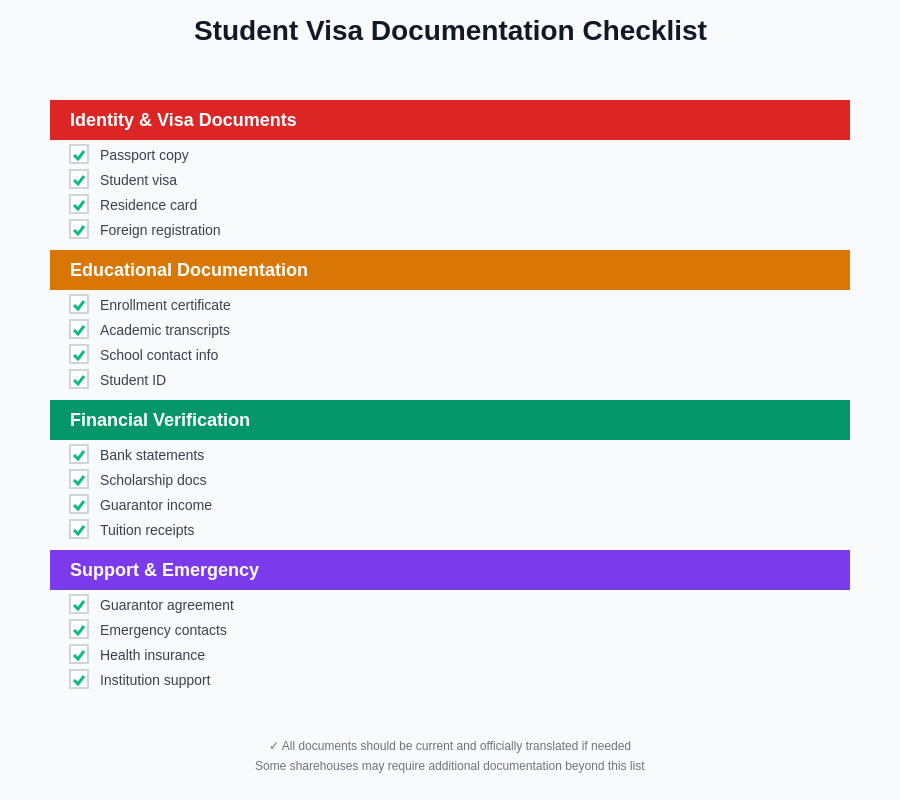
Student visa applications often require additional documentation layers including academic transcripts, enrollment verification letters, scholarship award documentation, and educational institution contact information that create comprehensive verification requirements. What documents you need for Tokyo sharehouse applications provides baseline documentation guidance, though student requirements typically exceed standard lists.
Language proficiency verification may be required to ensure students can understand housing agreements, house rules, and emergency procedures, particularly in sharehouses that do not provide multilingual support services. Academic English proficiency does not necessarily translate to practical Japanese housing vocabulary understanding, creating additional assessment requirements.
Academic schedule documentation helps property managers understand occupancy patterns, potential extended absences for holidays or research activities, and graduation timelines that affect long-term planning. The seasonal nature of academic calendars creates occupancy prediction challenges that differ from traditional employment-based housing patterns.
Previous housing experience verification becomes particularly important for student visa holders who may lack rental history or references from previous landlords, requiring alternative verification methods such as institutional references or family housing history documentation.
Insurance and Liability Considerations
Student visa holders may face enhanced insurance requirements due to limited local support systems and potential inexperience with Japanese emergency procedures and healthcare systems. Understanding utility bills in Japanese sharehouses touches on some insurance considerations, though student-specific coverage requirements often involve additional complexity.
Health insurance verification through educational institutions or national health insurance enrollment creates additional documentation requirements that must be maintained throughout the residency period. Changes in insurance status due to academic status changes or graduation transitions require ongoing verification and potential coverage adjustments.
Liability insurance considerations become more complex for student visa holders who may engage in academic activities, research projects, or cultural events that create unique risk profiles. Educational institution insurance coverage may interact with housing insurance requirements in complex ways that require careful coordination and verification.
Emergency medical contact information and healthcare access verification become particularly important for student residents who may lack familiarity with Japanese healthcare systems and emergency procedures. Language barriers in medical emergencies create additional liability considerations that property managers must address through enhanced support systems.
Impact on Housing Options and Pricing
Student visa requirements often limit available housing options to operators who specialize in international student accommodation or have experience managing the additional verification and support requirements. Best tokyo neighborhoods for sharehouse living discusses various neighborhood options, though student-specific housing tends to concentrate in areas with educational institution access.
Pricing structures for student-accessible sharehouses may include additional fees for enhanced support services, guarantor arrangements, or administrative processing that reflects the additional management complexity. The limited supply of student-friendly housing can create premium pricing that reflects both enhanced services and limited competition among suitable properties.
Lease term flexibility becomes crucial for student housing needs, but this flexibility often comes at premium pricing due to the planning uncertainty it creates for property managers. Standard rental cycles may not accommodate academic calendars, requiring specialized lease structures that command higher rates.
Community composition in student-accessible sharehouses often features higher concentrations of international residents and shorter average tenancy periods that create different social dynamics and community management approaches. These specialized environments require different management strategies and support systems that affect overall operational costs and pricing structures.
Strategies for Successful Student Applications
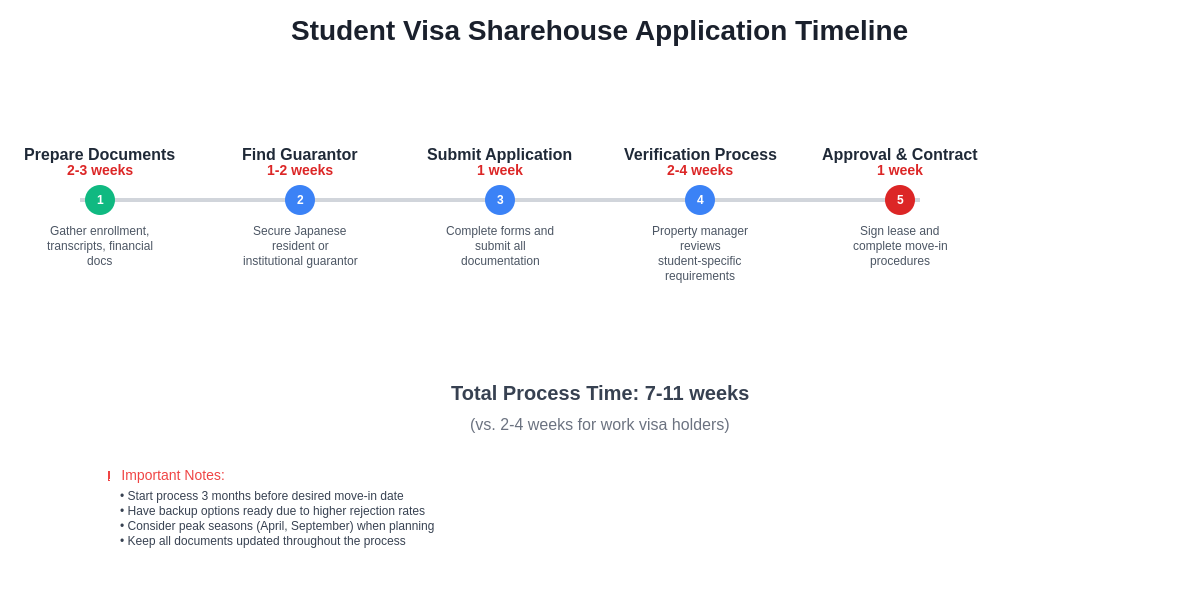
Preparation strategies for student visa holders must account for longer processing times, additional documentation requirements, and the need for enhanced financial verification that exceeds standard application procedures. How to handle roommate conflicts without moving out provides some general guidance, though student-specific preparation requires additional considerations.
Educational institution resources including housing offices, international student services, and alumni networks can provide valuable guidance and sometimes direct assistance with sharehouse applications. These institutional resources often maintain relationships with student-friendly housing operators and can provide recommendations or referrals that improve application success rates.
Timing considerations become particularly important for student applications due to academic calendar constraints and the additional processing time required for enhanced verification procedures. Early application submission and flexible move-in timing can significantly improve options and reduce competition pressure during peak student housing seasons.
Professional consultation with immigration specialists or educational institution advisors can help students understand the full scope of requirements and prepare comprehensive application packages that address all verification needs. The investment in professional guidance often pays dividends through improved application success rates and reduced processing delays.
The complexity of student visa sharehouse requirements reflects the intersection of immigration policy, educational regulations, and property management risk assessment that creates unique challenges for international students seeking accommodation in Japan. Understanding these requirements and preparing accordingly enables students to navigate the housing market more effectively while building the documentation foundation necessary for successful applications.
Success in securing appropriate sharehouse accommodation as a student visa holder requires patience, thorough preparation, and realistic expectations about the additional time and effort required compared to other visa categories. The investment in understanding and meeting these requirements pays long-term dividends through access to stable, appropriate housing that supports academic success and cultural integration throughout the educational experience in Japan.
Disclaimer
This article is for informational purposes only and does not constitute legal or immigration advice. Student visa requirements and sharehouse policies are subject to change, and individual circumstances may affect specific requirements. Readers should consult with educational institutions, immigration specialists, and housing operators for current and specific guidance related to their situations. The effectiveness of strategies mentioned may vary depending on individual circumstances, institutional policies, and current market conditions.