The Japanese academic system presents a complex landscape of challenges that can overwhelm even the most dedicated international students, creating barriers that extend far beyond simple language difficulties into deep-rooted cultural, methodological, and systemic differences that fundamentally alter the educational experience. These struggles often catch students unprepared, despite their academic success in their home countries, leading to frustration, isolation, and sometimes academic failure that could have been prevented with proper understanding and preparation.
The intersection of academic expectations, cultural norms, and linguistic demands creates a perfect storm of difficulties that can derail even the most promising academic careers, making it essential for prospective students to understand these challenges before embarking on their educational journey in Japan. The impact of these struggles extends beyond academic performance to affect mental health, social integration, and long-term career prospects, making comprehensive preparation and support systems crucial for student success.
Language Barriers Beyond Basic Communication
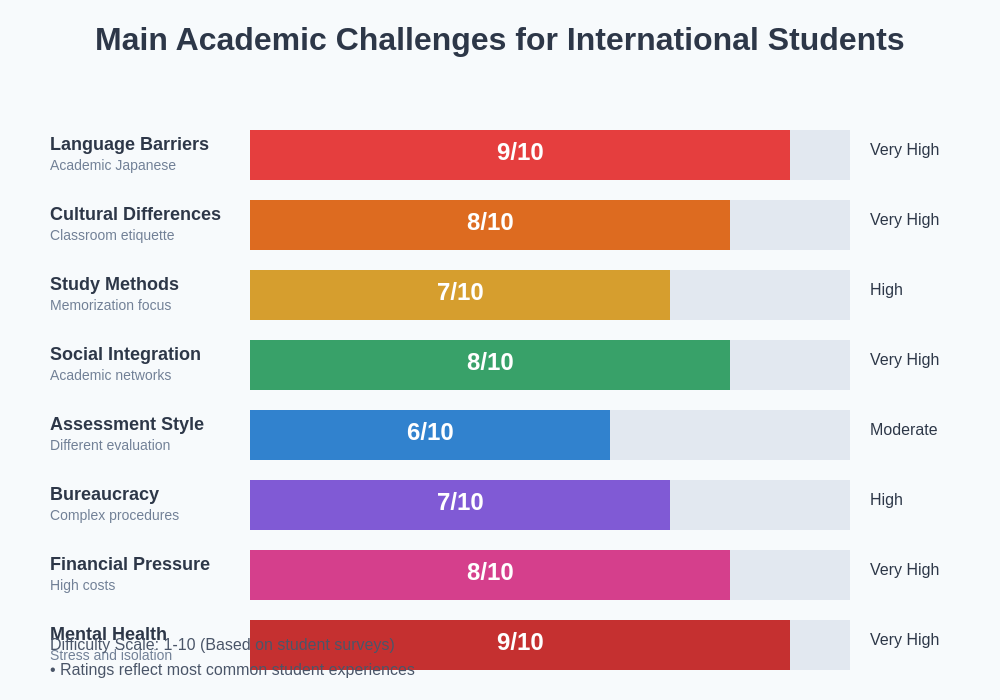
The linguistic challenges faced by international students in Japanese academia extend far beyond conversational Japanese proficiency, encompassing specialized academic vocabulary, formal writing conventions, and nuanced communication styles that are rarely addressed in standard language courses. Academic Japanese requires mastery of complex grammatical structures, technical terminology specific to each field of study, and an understanding of implicit communication patterns that native speakers take for granted.
Student sharehouses near top Tokyo universities often become crucial support networks where students can practice academic Japanese and share learning strategies, though the linguistic challenges remain formidable even with peer support. The transition from basic conversational skills to academic proficiency represents a significant leap that many students underestimate during their preparation phase.
Reading comprehension in academic contexts involves not only understanding individual words and grammar but also grasping cultural references, implied meanings, and the subtle hierarchical relationships embedded in Japanese academic discourse. Students frequently find themselves spending hours deciphering single paragraphs that would take minutes to understand in their native language, creating time management issues that compound academic stress and reduce overall performance quality.
Writing academic papers in Japanese presents additional challenges related to structure, formality levels, and citation conventions that differ significantly from Western academic traditions. The expectation for indirect communication, proper use of honorific language, and adherence to Japanese rhetorical patterns can confuse students accustomed to direct, thesis-driven writing styles common in Western educational systems.
Cultural Misunderstandings in Academic Settings
Japanese academic culture operates on implicit understanding of hierarchical relationships, group dynamics, and behavioral expectations that are never explicitly taught but are assumed to be understood by all participants. International students often struggle with the concept of reading the atmosphere, understanding when to speak or remain silent, and navigating the complex social dynamics that influence academic interactions and evaluation processes.
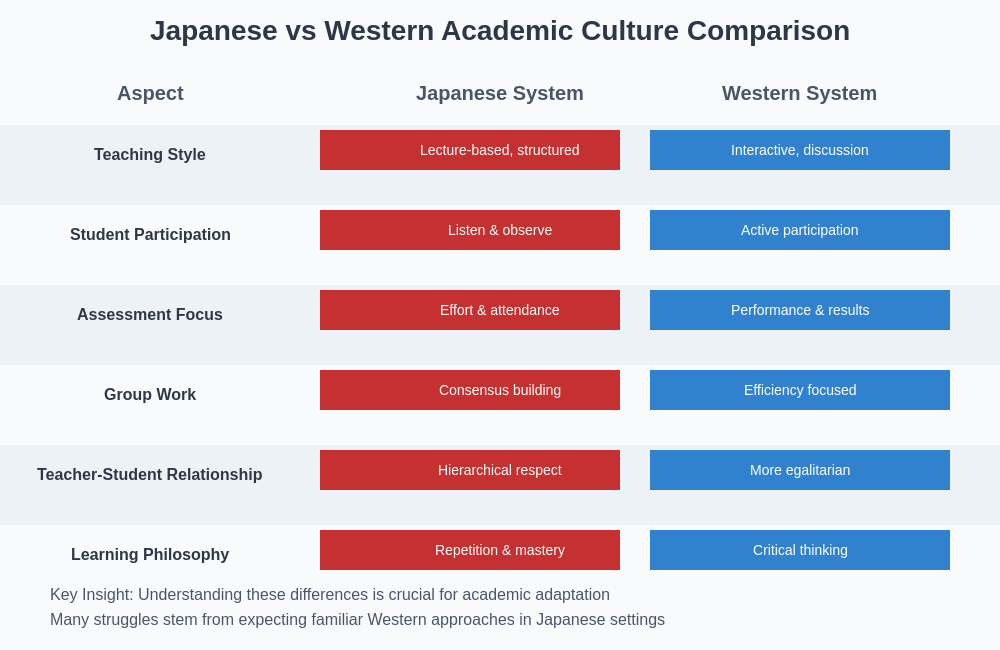
The relationship between students and professors in Japan follows strict hierarchical protocols that emphasize respect, deference, and formal distance, contrasting sharply with the more egalitarian teacher-student relationships common in many Western educational systems. Students from cultures that encourage questioning authority and engaging in debate may find themselves inadvertently violating cultural norms that can negatively impact their academic standing and social acceptance.
Living with Japanese roommates in Tokyo sharehouses provides valuable cultural learning opportunities, but the academic environment requires additional layers of cultural competency that extend beyond daily social interactions. The emphasis on group harmony and consensus-building in Japanese academic settings can frustrate students accustomed to individual achievement and competitive academic environments.
Participation expectations in Japanese classrooms often emphasize listening and observation over active verbal participation, which can disadvantage international students who come from educational backgrounds that value vocal engagement and critical questioning. The concept of saving face and avoiding public disagreement creates additional barriers for students who are accustomed to academic discourse that includes debate, challenge, and open intellectual conflict.
Divergent Learning Methodologies and Study Approaches
Japanese educational methodology emphasizes repetition, memorization, and gradual mastery through consistent practice, contrasting with Western approaches that often prioritize critical thinking, creativity, and immediate application of concepts. This fundamental difference in learning philosophy can create confusion and frustration for international students who have developed different study habits and expectations for academic engagement.
The Japanese concept of effort over ability means that academic success is often measured by the amount of time and dedication invested rather than natural talent or innovative thinking. Students from educational backgrounds that celebrate quick learning and intellectual shortcuts may struggle to adapt to the patient, methodical approach that Japanese academia values and rewards.
How academic deadlines affect house mood illustrates how the intensive study culture impacts student life beyond the classroom, creating stress that permeates all aspects of daily living. The expectation for students to maintain consistent effort throughout the semester, rather than cramming before examinations, requires significant adjustment in study habits and time management approaches.
Group projects and collaborative learning in Japanese academic settings follow different protocols than those familiar to many international students, with emphasis on consensus-building, equal participation, and harmony maintenance that can slow decision-making processes and frustrate students accustomed to efficiency-driven teamwork. The role of senpai-kohai relationships in academic group work adds another layer of complexity that international students must navigate while trying to contribute meaningfully to academic projects.
Assessment and Evaluation Differences
The Japanese academic evaluation system relies heavily on factors that may be unfamiliar or uncomfortable for international students, including class attendance, participation style, and demonstration of effort rather than solely focusing on examination performance or assignment quality. This holistic approach to assessment can disadvantage students who excel in testing situations but struggle with the cultural aspects of classroom participation and social integration.
Written examinations in Japanese universities often test memorization and application of specific methodologies rather than creative problem-solving or original thinking, requiring study approaches that international students may find tedious or intellectually limiting. The emphasis on reproducing learned material exactly as taught can conflict with educational backgrounds that encourage critical analysis and independent interpretation of academic content.
Why academic pressure varies by nationality reflects how different cultural backgrounds influence students’ ability to adapt to Japanese assessment methods and academic expectations. Students from highly competitive academic environments may struggle with the collaborative and process-oriented evaluation methods used in many Japanese institutions.
Oral presentations and classroom discussions require not only language proficiency but also cultural understanding of appropriate communication styles, body language, and interaction patterns that can significantly impact evaluation outcomes. The indirect communication style preferred in Japanese academic settings can make it difficult for international students to express their ideas clearly or demonstrate their knowledge effectively.
Social Integration and Academic Networks
Academic success in Japanese universities often depends heavily on informal networks, study groups, and social relationships that provide access to crucial information about assignments, examination expectations, and academic opportunities. International students frequently find themselves excluded from these networks due to language barriers, cultural differences, and the natural tendency for domestic students to form relationships with peers who share similar backgrounds and communication styles.
The sempai-kohai system that pervades Japanese academic institutions creates mentorship opportunities and information sharing networks that can be difficult for international students to access or navigate effectively. Understanding how to approach senior students appropriately, what questions are acceptable to ask, and how to reciprocate assistance requires cultural knowledge that many international students lack.
Making friends through Tokyo sharehouse communities can provide some social support, but academic networks require different types of relationships and interactions that extend beyond casual friendship into professional and educational collaboration. The importance of after-class socializing, drinking parties, and informal gatherings in building academic relationships may be unfamiliar or uncomfortable for students from different cultural backgrounds.
Research opportunities, internships, and academic recommendations often depend on personal relationships with professors and senior students, making social integration crucial for academic advancement. International students who struggle to build these relationships may find themselves at significant disadvantages when seeking research positions, graduate school recommendations, or career opportunities that depend on academic connections.
Administrative and Bureaucratic Challenges
Navigating Japanese university bureaucracy requires understanding complex procedures, documentation requirements, and communication protocols that are rarely explained clearly to international students. The emphasis on proper forms, sequential approval processes, and adherence to specific timelines can create obstacles for students unfamiliar with Japanese administrative culture.
What documents you need for Tokyo sharehouse applications provides insight into Japanese documentation requirements, but academic bureaucracy involves additional layers of complexity related to visa status, academic standing, and institutional policies that can significantly impact student success.
Communication with university staff often requires formal language skills and cultural understanding that exceed general conversational ability, making it difficult for international students to resolve problems, seek clarification, or access available support services. The reluctance to ask questions repeatedly or to admit confusion can lead to misunderstandings that compound academic difficulties.
Registration procedures, course selection systems, and academic planning processes often lack English language support or clear explanations, forcing international students to navigate complex systems without adequate guidance. The assumption that all students understand implicit procedures and unwritten rules can create significant disadvantages for those unfamiliar with Japanese educational culture.
Financial and Practical Pressures
The high cost of education and living expenses in Japan creates additional stress for international students who must balance academic demands with part-time work requirements and financial constraints. Living costs in Tokyo sharehouses explained demonstrates how housing expenses alone can consume a significant portion of student budgets, forcing difficult choices between academic focus and financial survival.
Visa restrictions on working hours limit international students’ ability to earn sufficient income, creating constant financial pressure that can interfere with academic concentration and success. The need to maintain academic performance while managing financial stress often leads to exhaustion and burnout that further complicates academic achievement.
Scholarship opportunities and financial aid programs often require academic performance levels that may be difficult to maintain while adjusting to Japanese academic culture, creating a cycle where financial stress impacts academic performance, which in turn affects financial support availability. The competition for limited financial resources adds another layer of pressure to an already challenging academic environment.
Technology and Digital Learning Gaps
Japanese educational technology systems often operate in Japanese language only, creating barriers for international students who must navigate online learning platforms, assignment submission systems, and communication tools without adequate language support. The integration of technology into academic work requires not only technical skills but also reading comprehension that many international students find challenging.
Digital literacy expectations may differ significantly from students’ home countries, with different software preferences, communication protocols, and technical requirements that create additional learning curves beyond academic content. The assumption that all students are familiar with Japanese digital platforms and online etiquette can disadvantage international students who must simultaneously master technology and academic content.
How digital entertainment replaces social interaction illustrates broader technology integration challenges that can impact academic collaboration and social learning opportunities essential for academic success in Japanese universities.
Online collaboration tools and digital communication platforms require understanding of Japanese communication etiquette and technical vocabulary that can create barriers to effective participation in group projects and class discussions. The rapid pace of technological change in educational settings means that international students must continuously adapt to new systems while managing their primary academic responsibilities.
Mental Health and Psychological Stress
The combination of academic pressure, cultural adjustment, language barriers, and social isolation creates significant mental health challenges for international students in Japanese academia. The stigma surrounding mental health discussions in Japanese culture can prevent students from seeking help or acknowledging their struggles, leading to escalation of problems that could be addressed with appropriate support.
Academic perfectionism combined with cultural pressure to avoid causing trouble or admitting difficulties can trap international students in cycles of stress and isolation that negatively impact both academic performance and personal well-being. The expectation to maintain harmonious relationships while struggling with fundamental academic challenges creates additional psychological pressure that can be overwhelming.
Why academic achievements create social pressure explores how success expectations from family, peers, and institutional sources can compound stress levels for international students already facing significant adaptation challenges. The pressure to succeed academically while maintaining positive cultural integration can create impossible standards that lead to anxiety and depression.
Support systems for international students often focus on practical matters like visa requirements and housing rather than the psychological challenges of academic and cultural adaptation. The lack of culturally sensitive mental health resources can leave students without adequate support for managing the complex emotional challenges of studying in a foreign academic system.
Strategies for Academic Success and Adaptation
Successful navigation of Japanese academia requires proactive preparation, cultural learning, and development of specific skills that extend beyond traditional academic preparation. Students who invest time in understanding Japanese educational culture, building language skills specific to their field of study, and developing relationships with both domestic and international students often experience better academic outcomes and greater satisfaction with their educational experience.
How to handle roommate conflicts without moving out demonstrates conflict resolution skills that translate to academic settings where cultural misunderstandings and communication challenges require diplomatic solutions and cultural sensitivity. The ability to navigate interpersonal challenges becomes crucial for academic collaboration and relationship building.
Language preparation should focus specifically on academic Japanese rather than general conversational skills, including field-specific vocabulary, formal writing conventions, and presentation skills that will be essential for academic success. Students who begin this preparation before arriving in Japan often experience smoother transitions and better academic outcomes than those who attempt to develop these skills while managing full academic workloads.
Building cultural competency through observation, mentorship relationships, and gradual integration into Japanese social and academic networks requires patience and persistence but provides essential support for long-term academic success. Understanding that cultural adaptation is a gradual process rather than an immediate achievement helps students maintain realistic expectations and continue working toward integration despite initial challenges and setbacks.
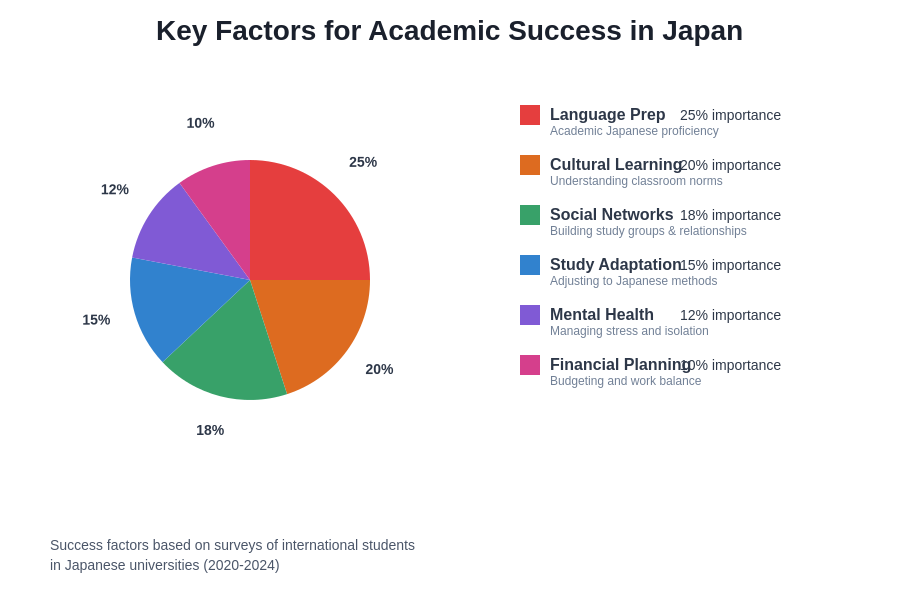
The path to success in Japanese academia requires recognition that academic achievement depends not only on intellectual capability but also on cultural understanding, social integration, and adaptation to fundamentally different educational approaches and expectations. Students who embrace this complexity and prepare comprehensively for the multifaceted challenges of Japanese academic life position themselves for rewarding educational experiences that extend far beyond traditional academic outcomes to include personal growth, cultural competency, and international perspective that benefit their entire professional and personal development.
Disclaimer
This article is for informational purposes only and does not constitute professional academic or psychological advice. Individual experiences in Japanese academia may vary significantly based on specific institutions, programs, and personal circumstances. Students experiencing academic difficulties should consult with their institution’s international student services and consider professional support when needed. The challenges described may not apply to all students or all academic programs in Japan.