The phenomenon of spontaneous study group formation in academic sharehouses represents one of the most fascinating aspects of student co-living environments, where educational necessity meets social dynamics to create powerful collaborative learning ecosystems. These naturally occurring academic partnerships transcend simple convenience arrangements, evolving into sophisticated support networks that fundamentally enhance both individual learning outcomes and collective intellectual development across diverse academic disciplines and cultural backgrounds.
Understanding why these organic academic communities emerge so consistently in student housing environments reveals deeper insights into human learning psychology, social cohesion mechanisms, and the environmental factors that foster intellectual collaboration. The unique combination of shared living spaces, common academic pressures, and peer accessibility creates ideal conditions for educational partnerships that often prove more effective than formally structured academic support systems.
The Psychology of Proximity and Academic Collaboration
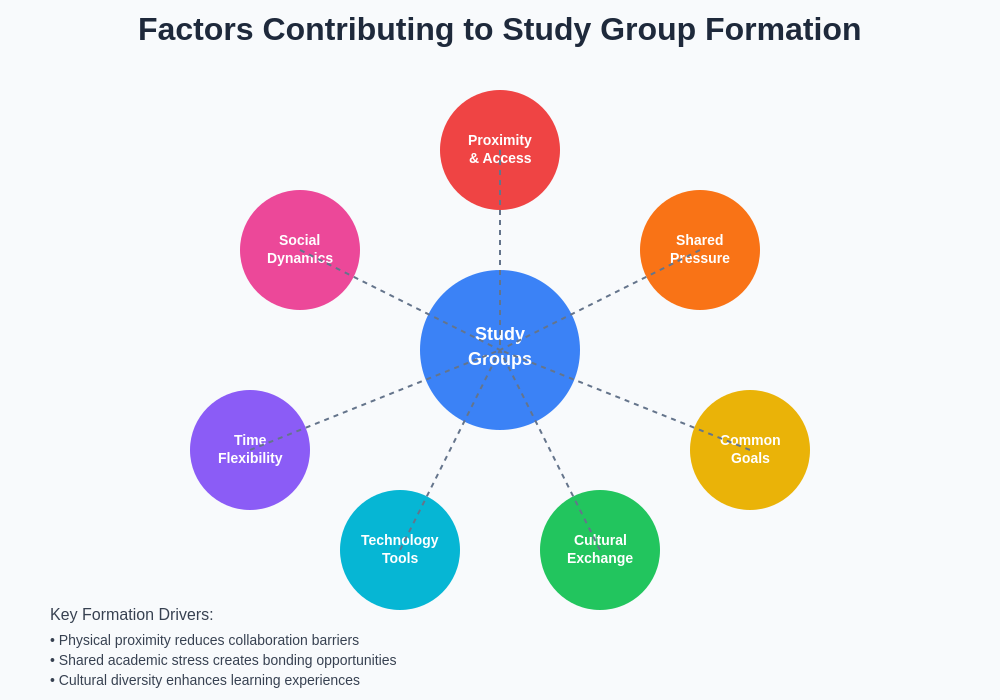
The fundamental principle of propinquity plays a crucial role in study group formation within academic sharehouses, where physical proximity naturally increases interaction frequency and familiarity between residents who share similar educational goals and challenges. Student sharehouses near top Tokyo universities demonstrate how geographical clustering around academic institutions creates concentrated environments where study-focused residents gravitate toward mutual support systems.
The psychological concept of social facilitation becomes particularly relevant in shared living environments where academic activities become visible and normalized parts of daily routine. When residents observe others engaging in studying behaviors, it creates both motivation through social modeling and opportunities for spontaneous collaboration when challenging academic material requires additional perspectives or explanations.
Cognitive load theory suggests that collaborative learning environments can reduce individual mental processing demands by distributing complex academic tasks across multiple participants, making difficult concepts more manageable through shared intellectual resources. The accessibility of potential study partners within the same living space eliminates many barriers that typically prevent study group formation in traditional academic settings, such as scheduling coordination difficulties and transportation logistics.
The mere exposure effect demonstrates that increased familiarity with housemates leads to greater comfort levels in academic vulnerability situations, such as admitting confusion about coursework or seeking help with challenging concepts. This psychological foundation enables the trust necessary for effective collaborative learning relationships that extend beyond superficial academic transactions.
Shared Academic Pressure and Mutual Support Systems
The intensity of academic life creates natural bonding opportunities between students who experience similar stress patterns, deadlines, and educational challenges within their shared living environment. How academic deadlines affect house mood illustrates how collective academic pressure can either create tension or foster collaborative support, depending on house culture and resident attitudes toward mutual assistance.
Examination periods particularly demonstrate the power of shared academic stress in driving study group formation, as residents facing similar time pressures and performance anxiety naturally seek comfort and practical support from others experiencing comparable challenges. The availability of immediate emotional and academic support during high-stress periods creates lasting collaborative relationships that extend beyond crisis situations.
The phenomenon of academic contagion occurs when the studying behaviors and academic dedication of some residents inspire similar commitment levels among others, creating positive feedback loops that elevate overall house academic performance. This creates environments where academic excellence becomes a shared value rather than an individual pursuit, fostering natural study group development.
Peer accountability mechanisms emerge organically when residents observe each other’s academic habits and progress, creating informal systems of mutual encouragement and gentle pressure that help maintain consistent study schedules and academic commitment levels. These accountability structures often prove more effective than formal academic support systems because they operate continuously within the living environment.
Environmental Factors That Foster Collaborative Learning
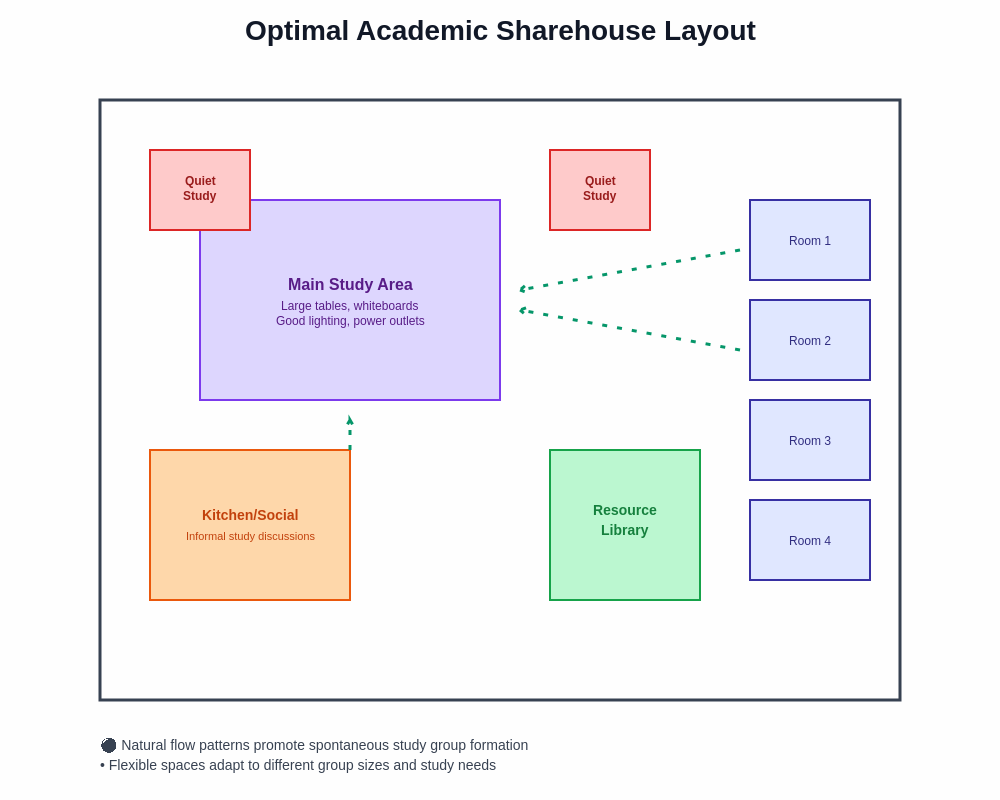
The physical design and layout of academic sharehouses significantly influence study group formation patterns, with common areas that accommodate multiple students working simultaneously naturally becoming hubs for collaborative academic activities. How academic pressure varies by nationality reveals how different cultural approaches to academic work can create complementary study environments when diverse residents share learning spaces.
Noise management becomes a crucial factor in academic houses, where the balance between maintaining quiet study environments and allowing collaborative discussion requires careful negotiation and house rule development. Successful academic sharehouses often develop sophisticated systems for designating quiet study times and collaborative learning periods that accommodate different learning styles and academic needs.
The availability of shared academic resources such as reference materials, technology, and study supplies creates natural opportunities for interaction and collaboration when residents need to access or share these resources. Many academic houses develop informal libraries and resource-sharing systems that become focal points for academic interaction and study group formation.
Flexible space usage allows common areas to transform between social and academic functions, enabling spontaneous study sessions to emerge from casual conversations and social interactions. The ability to quickly reorganize shared spaces for group study activities removes logistical barriers that might otherwise prevent collaborative learning opportunities.
Cultural Exchange Through Academic Collaboration
International academic sharehouses create unique opportunities for cross-cultural learning that extends beyond formal academic subjects to include diverse educational methodologies, cultural perspectives on learning, and varied approaches to academic problem-solving. Living with Japanese roommates in Tokyo sharehouses demonstrates how cultural diversity in academic environments can enhance learning experiences through exposure to different educational traditions and study techniques.
Language exchange naturally occurs within multicultural study groups, where residents studying in non-native languages receive practical language support while offering expertise in their areas of academic specialization. These language-academic partnerships create mutually beneficial relationships that strengthen both linguistic abilities and subject matter comprehension.
Different cultural approaches to academic collaboration, from individualistic study traditions to group-oriented learning cultures, create learning opportunities when diverse methodologies are shared and integrated within study group activities. Residents often report that exposure to varied study techniques and academic perspectives significantly improves their own learning effectiveness.
The informal nature of sharehouse study groups allows for cultural learning that extends beyond academic content to include understanding of different educational systems, academic expectations, and professional preparation approaches that vary across international educational traditions.
Technology Integration in Modern Study Groups
Digital collaboration tools have transformed how study groups operate within academic sharehouses, enabling both in-person and virtual study sessions that can accommodate different schedules and learning preferences. How digital entertainment replaces social interaction highlights the challenge of balancing technology use with meaningful face-to-face academic collaboration.
Shared digital resources, including online study materials, collaborative documents, and educational applications, create new opportunities for ongoing academic support that extends beyond scheduled study sessions. Many academic houses develop shared digital libraries and resource collections that become valuable assets for all residents.
Online communication platforms enable continuous academic support and question-answering between formal study sessions, creating 24/7 academic support networks within the house community. These digital extensions of in-person study groups provide flexibility while maintaining the personal connections that make collaborative learning effective.
The integration of educational technology with physical study spaces allows for multimedia learning experiences that combine the benefits of digital resources with the social dynamics of face-to-face collaboration, creating rich learning environments that accommodate diverse learning styles and preferences.
Social Dynamics and Academic Hierarchy Management
Study group formation in academic sharehouses requires navigation of potential academic hierarchy issues, where differences in academic level, field of study, or academic performance could create power imbalances that inhibit effective collaboration. How age differences impact sharehouse compatibility explores how demographic differences can influence academic collaboration dynamics.
Successful academic houses develop informal systems for managing academic expertise sharing that value different types of knowledge and learning contributions, creating inclusive environments where all residents can participate meaningfully in collaborative learning activities regardless of their academic level or field of study.
The rotation of academic leadership roles within study groups helps prevent the development of rigid hierarchies while ensuring that residents with particular expertise can contribute their knowledge effectively. This democratic approach to academic collaboration fosters environments where teaching and learning become reciprocal processes.
Conflict resolution skills become particularly important in academic collaboration settings, where disagreements about study methods, academic interpretations, or time management can affect both learning outcomes and living relationships. Houses that develop effective conflict resolution mechanisms tend to maintain more stable and productive study group dynamics.
Time Management and Scheduling Coordination
The logistics of coordinating study group schedules within shared living environments requires sophisticated time management skills and communication systems that accommodate diverse academic schedules, course loads, and personal commitments. How university schedules affect sharehouse rhythms examines how academic calendars influence overall house dynamics and scheduling patterns.
Flexible scheduling approaches that can accommodate both planned study sessions and spontaneous collaborative learning opportunities prove most effective in academic sharehouses, where rigid scheduling often conflicts with the dynamic nature of academic workloads and social living arrangements.
The development of house-wide academic calendars that track major deadlines, examination periods, and academic events helps residents coordinate their study group activities while being mindful of individual academic pressures and time constraints.
Balancing group study commitments with individual academic needs requires clear communication about availability, academic priorities, and personal study preferences to ensure that collaborative learning enhances rather than interferes with individual academic success.
Subject-Specific Collaboration Patterns
Different academic disciplines tend to generate distinct patterns of study group formation and collaboration styles within sharehouses, with STEM subjects often requiring problem-solving focused groups while humanities subjects may emphasize discussion-based collaborative learning approaches. How different education systems affect expectations reveals how varied academic backgrounds influence collaboration preferences and expectations.
Interdisciplinary study groups that bring together students from different academic fields often prove particularly valuable for developing critical thinking skills and gaining exposure to diverse analytical approaches that enrich understanding of complex topics and real-world applications.
Language learning study groups represent particularly common and effective collaborative arrangements in international sharehouses, where native speakers of different languages can provide mutual language instruction while working on their respective academic subjects.
Research-focused collaboration often emerges in graduate student sharehouses, where residents may share research methodologies, provide feedback on academic projects, and offer expertise in specialized areas that benefit multiple residents’ academic work.
Long-term Academic and Social Benefits
The study groups that form naturally in academic sharehouses often create lasting professional networks and friendships that extend far beyond the immediate shared living period, providing ongoing academic support and career development opportunities. Making friends through Tokyo sharehouse communities demonstrates how academic collaboration can evolve into meaningful long-term relationships.
Academic skill development through peer collaboration often proves more comprehensive than formal classroom instruction, as students learn not only academic content but also study strategies, time management techniques, and collaborative work skills that benefit their entire educational and professional careers.
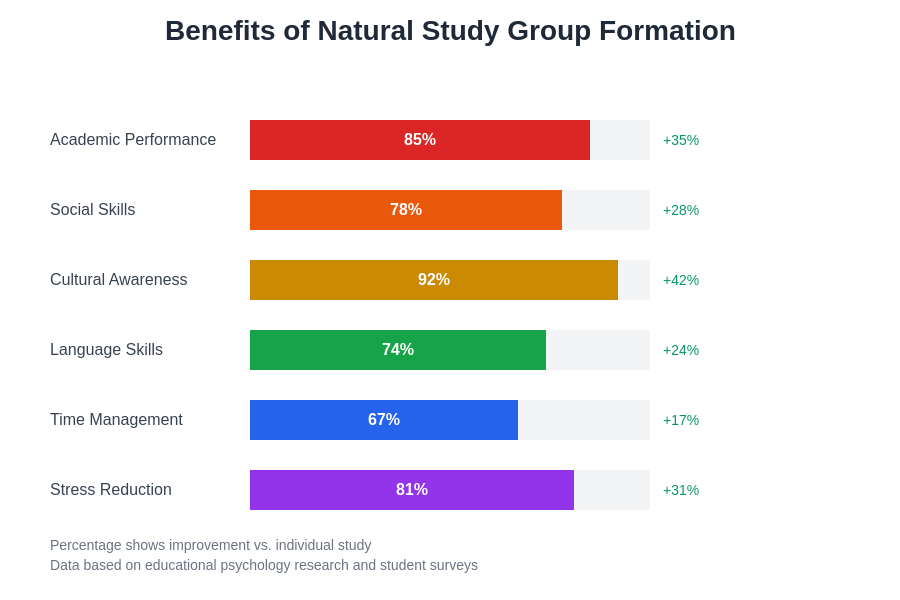
The confidence building that occurs through successful academic collaboration in low-pressure, supportive environments helps students develop presentation skills, academic discussion abilities, and intellectual confidence that serves them well in formal academic and professional settings.
Cross-cultural competence developed through international academic collaboration becomes increasingly valuable in globalized academic and professional environments, where the ability to work effectively with diverse teams represents a crucial career skill.
The natural formation of study groups in academic sharehouses demonstrates the power of environmental design and social proximity in fostering educational collaboration that enhances both individual academic outcomes and collective learning experiences. These organic academic communities represent one of the most valuable aspects of student co-living arrangements, creating supportive learning environments that extend far beyond simple accommodation provision to encompass comprehensive educational and personal development opportunities.
Understanding and nurturing the conditions that support natural study group formation can help academic institutions, housing providers, and students themselves create more effective collaborative learning environments that harness the power of peer education and social learning to achieve superior academic outcomes while building lasting professional and personal relationships.
Disclaimer
This article is for informational purposes only and reflects general observations about academic collaboration in shared living environments. Individual experiences may vary based on specific house dynamics, academic programs, and personal preferences. The effectiveness of study groups depends on various factors including participant commitment, compatible learning styles, and appropriate subject matter. Readers should consider their own academic needs and learning preferences when engaging in collaborative study arrangements.