The arrival of summer in Japan brings with it one of the country’s most cherished cultural phenomena: matsuri, or traditional festivals that transform quiet neighborhoods into vibrant celebration zones filled with music, fireworks, food stalls, and thousands of participants. For international residents living in Tokyo sharehouses, this festive season presents a unique challenge that extends far beyond simple noise complaints, fundamentally disrupting sleep patterns and creating complex social dynamics within shared living spaces that can affect everything from work performance to interpersonal relationships.
The intersection of Japan’s festival culture with modern urban living creates a fascinating case study in how cultural traditions adapt to contemporary housing arrangements, particularly affecting the growing population of international residents who may be experiencing these intense seasonal celebrations for the first time. Understanding the multifaceted impact of summer festivals on sleep schedules requires examining not only the immediate acoustic disruptions but also the broader cultural expectations, social pressures, and physiological effects that combine to create a uniquely challenging period for sharehouse communities.
The Cultural Significance of Summer Festivals in Japan
Japan’s summer festival season represents far more than simple entertainment, embodying centuries of cultural tradition that connects communities through shared celebration, religious observance, and collective memory that transcends individual convenience or personal schedules. These festivals serve as vital social anchors that strengthen neighborhood bonds, provide economic opportunities for local businesses, and maintain cultural continuity across generations, making them deeply embedded in the fabric of Japanese society in ways that newcomers often struggle to fully comprehend.
The temporal concentration of festivals during summer months reflects historical agricultural cycles, religious calendar observances, and practical considerations related to weather conditions that made outdoor celebrations most feasible and enjoyable for participants. Living with Japanese roommates in Tokyo sharehouses often provides valuable cultural context that helps international residents understand the profound significance these events hold for local communities.
Modern festival celebrations maintain traditional elements while adapting to urban constraints, creating events that can span multiple days and extend well into the night hours when most residents expect quiet residential environments. The commitment to preserving cultural authenticity often takes precedence over noise ordinances or individual comfort considerations, reflecting deeply held values about community participation and cultural preservation that shape how these events are planned and executed.
Acoustic Impact and Noise Patterns During Festival Season
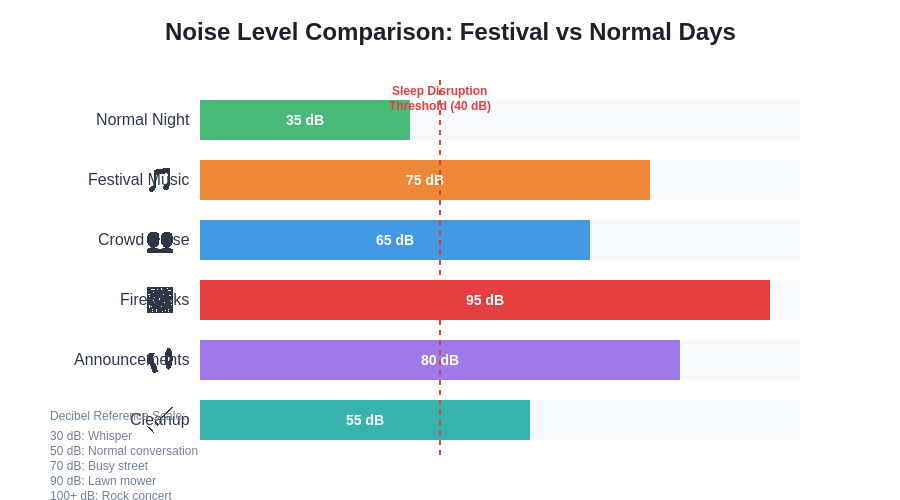
The sound profile of summer festivals creates a complex acoustic environment that extends far beyond simple volume measurements, encompassing traditional music instruments, amplified announcements, crowd noise, fireworks, and generator-powered equipment that combine to create persistent background noise lasting many hours beyond official event schedules. Understanding these sound patterns helps residents anticipate disruption levels and plan accordingly for sleep management during festival periods.
Traditional festival music often features taiko drums, flutes, and cymbals that produce low-frequency sounds capable of traveling significant distances and penetrating building materials more effectively than higher-frequency noises, making them particularly disruptive to sleep patterns even for residents living several blocks away from actual festival locations. The rhythmic, repetitive nature of festival music can be especially problematic for sensitive sleepers who find themselves unable to tune out predictable sound patterns.
Sound amplification systems used for announcements, music playback, and crowd management typically operate at volume levels designed to be heard over ambient crowd noise, resulting in acoustic output that far exceeds normal neighborhood sound levels and continues well into evening hours when residents expect quiet environments conducive to rest and relaxation. Understanding noise complaints in Tokyo sharehouses provides context for managing sound-related conflicts during festival season.
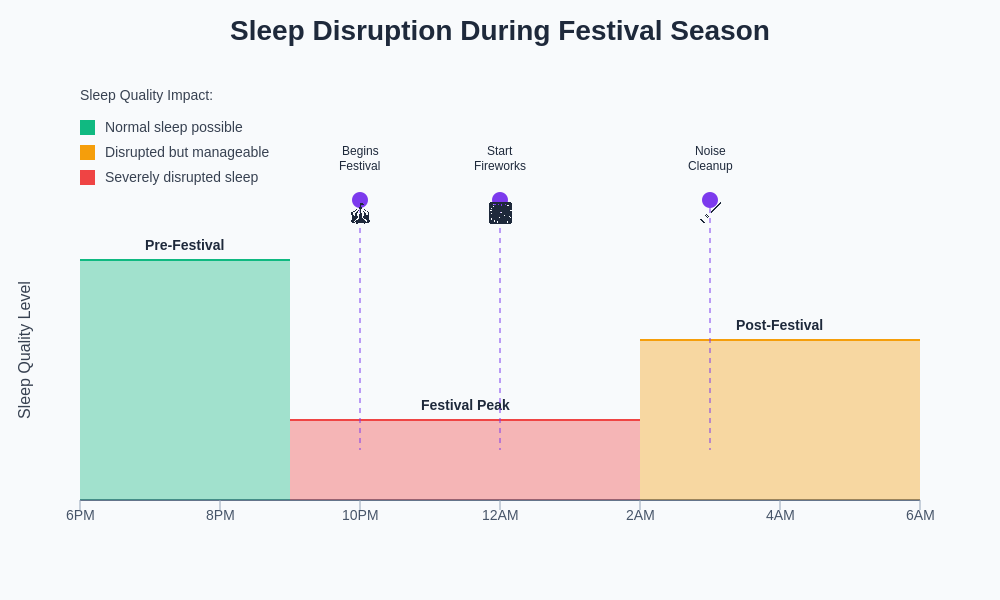
The irregular timing and unpredictable duration of festival activities make it particularly difficult for residents to adapt their sleep schedules in advance, as events may run later than scheduled, experience weather-related delays, or include spontaneous celebrations that extend well beyond official closing times announced in advance.
Sleep Physiology and Festival Disruption Patterns
The physiological impact of festival noise on sleep quality extends beyond simple awakening events, affecting multiple sleep stages and circadian rhythm regulation in ways that can compound over the extended festival season to create cumulative sleep debt and associated health consequences. Understanding these biological mechanisms helps explain why festival season affects some residents more severely than others and why recovery periods may extend well beyond the actual events.
Light sleep stages, which typically occur during the first few hours after falling asleep, are particularly vulnerable to acoustic disruption, meaning that even residents who successfully fall asleep before festival noise begins may experience fragmented sleep architecture that prevents proper rest and recovery. The unpredictable timing of loud sounds like fireworks creates startle responses that trigger stress hormone release, further complicating the ability to return to deep sleep states.
REM sleep, crucial for cognitive function and emotional regulation, requires sustained quiet periods to develop properly, making it especially susceptible to the intermittent noise patterns typical of festival environments where periods of relative quiet are suddenly interrupted by loud announcements, music, or crowd reactions. Why sleep quality suffers in shared environments explores how communal living amplifies these sleep disruption challenges.
Circadian rhythm disruption occurs when irregular light and sound patterns interfere with natural melatonin production and internal clock regulation, effects that can persist for several days after individual festival events and accumulate over the course of the entire summer season to create significant sleep debt and associated performance impairments.
Social Dynamics and Community Expectations
The social environment within sharehouses during festival season becomes particularly complex as residents navigate between their individual sleep needs and cultural expectations for community participation, creating tensions that can affect house harmony and interpersonal relationships long after the festivals themselves have concluded. These dynamics are further complicated by varying levels of cultural familiarity and different personal tolerance levels for noise and disruption.
Japanese residents may feel social pressure to participate in local festivals or at least demonstrate understanding and acceptance of the celebratory atmosphere, while international residents might prioritize their sleep schedules and work obligations over cultural participation, creating potential friction within mixed-nationality living arrangements. Making friends through Tokyo sharehouse communities explores how these cultural differences can be navigated constructively.
House rules regarding noise complaints, window closure, and participation in festival activities may require negotiation and compromise as residents balance individual needs with community harmony, particularly when some residents work early shifts or have important commitments during festival periods. The temporary nature of festival disruptions often leads to informal accommodation arrangements that may not adequately address the needs of all residents.
Community participation expectations can create additional stress for residents who feel obligated to join festival activities despite their preference for quiet evenings, leading to social exhaustion that compounds the sleep disruption effects and creates a challenging cycle of fatigue and social obligation that extends throughout the festival season.
Economic and Practical Considerations
The financial implications of festival-related sleep disruption extend beyond immediate discomfort to affect work performance, productivity levels, and long-term career development for residents whose jobs require consistent alertness and cognitive function. How shift work schedules affect roommate relations provides context for managing work-life balance during disruptive periods.
Healthcare costs may increase during festival season as residents experience stress-related symptoms, seek sleep aids, or require medical attention for anxiety and exhaustion-related conditions that develop when chronic sleep disruption combines with the social pressures of adapting to unfamiliar cultural environments. The temporary nature of these issues often leads residents to avoid seeking proper medical support.
Transportation complications during festival periods can affect residents’ ability to escape noisy neighborhoods or attend work consistently, as public transportation systems experience crowding and schedule modifications that make normal commuting routines unreliable. How transportation strikes disrupt daily life offers strategies for managing disrupted mobility during challenging periods.
Property values and rental desirability may fluctuate based on proximity to regular festival locations, affecting long-term housing decisions for residents who discover they cannot tolerate seasonal noise disruptions and need to relocate to quieter neighborhoods that may be less convenient or more expensive year-round.
Adaptation Strategies and Practical Solutions
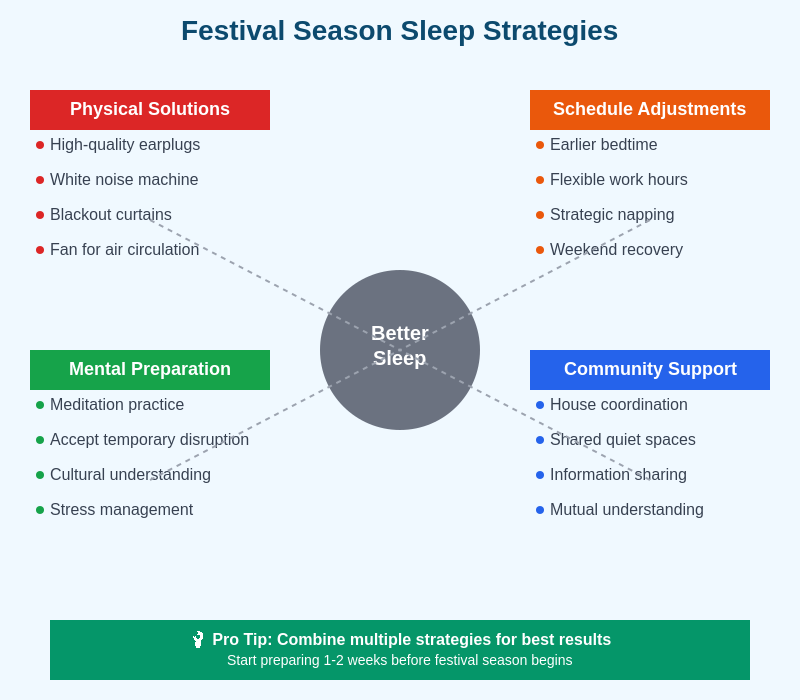
Successful adaptation to festival season requires proactive planning and flexible strategies that address both immediate sleep protection needs and longer-term community integration goals, allowing residents to maintain their health and well-being while respecting cultural traditions and community expectations. Effective approaches typically involve combining multiple techniques rather than relying on single solutions.
Physical noise reduction methods include investing in high-quality earplugs, white noise machines, or noise-canceling headphones that can provide some acoustic relief without requiring cooperation from neighbors or festival organizers who are unlikely to modify their activities for individual residents’ comfort. Why noise canceling becomes essential equipment explores these technological solutions in detail.
Schedule adjustment strategies involve temporarily modifying sleep and work routines to accommodate festival timing, such as going to bed earlier when possible, planning lighter work schedules during peak festival periods, or arranging to stay elsewhere during the most disruptive events when feasible and financially practical.
Communication with housemates about festival expectations and mutual support systems can help create collaborative approaches to managing the challenges, such as sharing information about festival schedules, coordinating quiet space usage, or developing temporary house rules that help everyone manage the disruption more effectively.
Health and Wellness Management During Festival Season
Maintaining physical and mental health during extended periods of sleep disruption requires intentional strategies that address both the immediate effects of poor sleep and the cumulative stress of adapting to unfamiliar cultural environments during what should be restful periods. Why stress management techniques become necessary provides comprehensive approaches to wellness maintenance during challenging periods.
Nutritional support becomes particularly important when sleep disruption affects metabolism and immune function, with residents needing to pay extra attention to hydration, vitamin intake, and meal timing to compensate for the physiological stress of irregular sleep patterns and maintain energy levels throughout the festival season.
Exercise routines may require adjustment to account for changed sleep schedules and reduced recovery capacity, with residents often finding that gentler activities like walking or stretching are more appropriate than intense workouts when dealing with chronic fatigue and disrupted rest patterns that affect physical performance and injury risk.
Mental health monitoring becomes crucial as the combination of sleep deprivation, cultural adjustment stress, and social pressure can contribute to anxiety, depression, or emotional instability that may persist beyond the festival season if not addressed proactively through stress management techniques, social support, or professional counseling when necessary.
Long-term Adaptation and Cultural Integration
The process of adapting to festival season sleep disruptions often serves as a broader initiation into Japanese community life, teaching international residents valuable lessons about cultural flexibility, community participation, and the balance between individual needs and collective traditions that extends well beyond sleep schedule management to influence overall integration success.
Developing tolerance for temporary inconvenience in service of cultural participation can strengthen relationships with Japanese neighbors and housemates while providing deeper understanding of the social values that prioritize community celebration over individual comfort, lessons that prove valuable in many aspects of daily life in Japan.
How cultural adaptation happens gradually explores how these seasonal challenges contribute to broader cross-cultural competency development and social integration that benefits residents long after they’ve mastered festival season sleep management techniques.
Seasonal planning skills developed through managing festival disruptions often transfer to other aspects of life in Japan, where various cultural events, weather patterns, and social obligations create predictable periods of adjustment that require flexible thinking and proactive preparation rather than reactive problem-solving approaches.
Building Resilience and Community Support
The shared experience of festival season challenges often strengthens sharehouse communities as residents develop mutual understanding, collaborative problem-solving skills, and cultural empathy that enhances overall living harmony and creates lasting friendships based on successfully navigating difficult situations together.
Support network development during challenging periods like festival season creates valuable relationships that extend beyond housing arrangements to provide professional connections, cultural guidance, and social opportunities that enrich the overall experience of living in Japan and contribute to successful long-term integration.
How conflict resolution abilities improve demonstrates how managing festival season challenges builds communication skills and cultural competency that benefit residents in many areas of personal and professional life throughout their time in Japan.
The resilience developed through successfully managing festival season sleep disruptions contributes to overall confidence in handling other cultural challenges and unexpected situations that arise during international living experiences, creating a foundation for thriving rather than merely surviving in unfamiliar environments.
Understanding why summer festivals affect sleep schedules in Tokyo sharehouses reveals the complex intersection of cultural traditions, urban living challenges, and international community dynamics that characterize modern life in Japan’s capital city. While the immediate discomfort of disrupted sleep is undeniable, the broader lessons learned through navigating these seasonal challenges often prove invaluable for personal growth, cultural understanding, and community integration that extends far beyond the summer months. Success lies not in avoiding the disruption entirely, but in developing flexible strategies that honor both personal needs and cultural traditions while building the resilience and cultural competency that transform temporary challenges into valuable learning experiences.
Disclaimer
This article is for informational purposes only and does not constitute professional medical or cultural advice. Sleep disruption effects and cultural experiences may vary significantly among individuals. Readers experiencing chronic sleep problems should consult healthcare professionals. Festival schedules, noise levels, and community expectations may change based on local circumstances and regulations.