The seemingly simple act of sharing taxi costs among sharehouse residents has evolved into one of the most persistent sources of financial tension and social discord within Tokyo’s co-living communities. What begins as a practical solution for late-night transportation quickly transforms into a complex web of unequal contributions, forgotten debts, and mounting resentments that can permanently damage relationships and disrupt household harmony. Understanding these complications becomes essential for anyone navigating the intricate social dynamics of shared living in Japan’s capital city.
The convenience of splitting taxi fares masks underlying issues that extend far beyond simple arithmetic, encompassing cultural differences in payment expectations, varying financial circumstances among residents, and the absence of standardized systems for tracking and settling group transportation expenses. These complications often escalate during peak transportation periods when alternative options become limited and the pressure to share rides intensifies among housemates seeking cost-effective solutions.
The Mathematics of Unequal Sharing
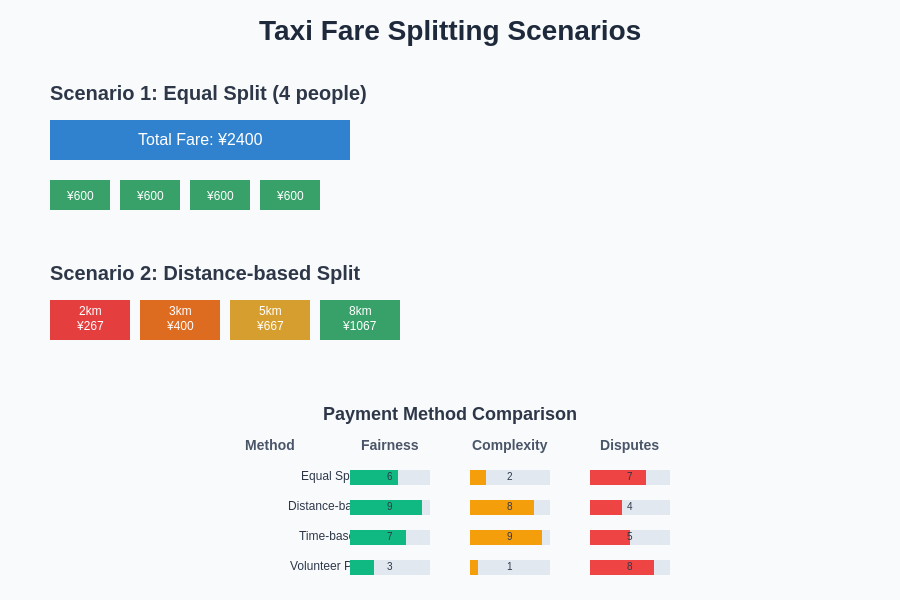
Taxi fare splitting rarely involves equal distances or destinations, creating immediate complications when residents attempt to fairly distribute costs among passengers with different drop-off locations. The assumption that splitting a fare equally among all passengers represents fairness quickly breaks down when analyzing actual distance traveled, time spent in the vehicle, and individual benefit received from the shared transportation arrangement.
Distance-based calculations become particularly complex when multiple passengers have destinations that create inefficient routing patterns, where some residents benefit from direct routes while others endure lengthy detours that significantly increase both travel time and total fare costs. Understanding how transportation costs impact entertainment budgets reveals how these seemingly minor expenses can accumulate into substantial monthly financial burdens for residents operating on tight budgets.
The temporal aspect of taxi sharing adds another layer of complexity, as residents who require earlier drop-offs often bear disproportionate costs relative to their actual usage time, while those traveling to the final destination receive maximum value from the shared fare arrangement. These mathematical inequities create ongoing sources of tension that compound over multiple shared rides and eventually manifest as significant financial disputes.
Currency exchange considerations further complicate calculations for international residents who may prefer to settle debts in their home currencies or lack sufficient Japanese yen for immediate payment, creating temporary debt arrangements that often extend far beyond intended durations and accumulate into substantial outstanding balances.
Cultural Payment Expectations and Misunderstandings
Japanese social customs surrounding group payments operate according to unspoken rules and cultural expectations that international residents often struggle to understand or navigate successfully. The concept of reciprocal generosity, where residents alternate covering shared expenses, conflicts with more transactional approaches preferred by residents from cultures emphasizing immediate and precise financial settlements.
Senpai-kohai dynamics within sharehouses can create uncomfortable situations where newer or younger residents feel obligated to accept financial arrangements that disadvantage them, while senior residents may unconsciously expect preferential treatment in expense sharing scenarios. Living with Japanese roommates in Tokyo sharehouses explores how these cultural hierarchies influence daily financial interactions and decision-making processes.
The timing of payment discussions reveals significant cultural variations, with some residents expecting immediate settlement upon reaching destinations, while others prefer delayed payment arrangements that allow for careful calculation and consideration of all expenses. These different expectations often lead to awkward conversations and misunderstandings that persist long after the transportation event has concluded.
Gender-based payment expectations add additional complexity, particularly in mixed-gender sharehouses where cultural backgrounds may influence assumptions about who should pay for shared transportation, leading to uncomfortable situations and potential discrimination issues that affect household relationships and social dynamics.
Technology Solutions and Their Limitations
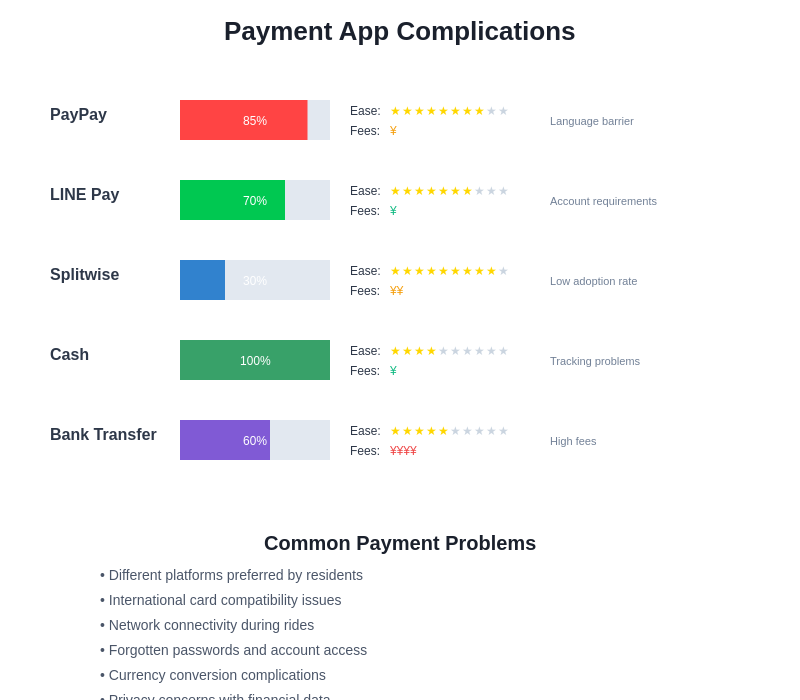
Digital payment applications and expense-splitting platforms promise to streamline taxi cost sharing, but their implementation within sharehouse communities often creates new problems while failing to address underlying social and cultural issues. Popular applications like PayPay, LINE Pay, and international platforms such as Splitwise each carry different user adoption rates, technical limitations, and cultural acceptance levels among diverse resident populations.
The requirement for all participants to maintain active accounts on the same platform creates barriers for residents who prefer alternative payment methods or lack access to specific financial services due to visa restrictions, banking limitations, or personal privacy preferences. How banking fees add up for foreign residents examines how these platform requirements can create additional financial burdens through transaction fees and currency conversion costs.
Internet connectivity and smartphone battery limitations often prevent real-time payment processing during transportation events, forcing residents to rely on verbal agreements and manual tracking systems that increase opportunities for miscommunication and forgotten obligations. The complexity of these digital solutions can actually discourage participation in shared transportation arrangements, leading to increased individual costs and reduced social cohesion.
Platform compatibility issues between different operating systems, regional restrictions, and varying security requirements create additional barriers that prevent seamless expense sharing and often result in residents reverting to cash-based systems with their inherent tracking and verification challenges.
Cash Flow and Immediate Payment Pressures
The expectation for immediate payment settlement creates significant stress for residents operating with limited cash reserves or those whose financial resources are temporarily committed to other obligations. Late-night transportation scenarios often coincide with periods when ATM access becomes limited, forcing residents to accumulate debt that extends beyond comfortable repayment timelines.
International residents frequently maintain lower cash reserves due to reliance on electronic payment methods more common in their home countries, creating situations where they cannot immediately settle transportation debts even when willing to do so. How to budget realistically for sharehouse living provides insights into managing these unexpected expense fluctuations and maintaining adequate cash flow for group activities.
The social pressure to participate in shared transportation arrangements can lead residents to accept financial obligations they cannot comfortably fulfill, creating cycles of debt and repayment that strain both personal finances and interpersonal relationships within the household community. These pressures often intensify during social events and group activities when opting out of shared transportation may result in social isolation.
Emergency transportation situations, such as medical needs or safety concerns, further complicate payment discussions as the immediate priority of reaching destinations conflicts with careful financial planning and equitable cost distribution among participants.
Record Keeping and Memory-Based Disputes
The absence of standardized record-keeping systems for shared transportation expenses creates ongoing disputes as residents rely on memory and informal tracking methods to manage accumulated debts and credits. Different residents employ varying approaches to expense documentation, from detailed smartphone notes to casual mental tracking, leading to incompatible record systems and conflicting recollections of payment obligations.
The cumulative nature of transportation debts means that small discrepancies in record-keeping compound over time, eventually resulting in significant disagreements about outstanding balances that can damage relationships and create lasting tensions within household communities. How shared expense apps create new problems explores how even technological solutions can introduce additional complications and disputes.
Memory decay regarding specific transportation events makes accurate reconstruction of payment obligations increasingly difficult over time, particularly when multiple shared rides occur in close succession during social events or busy periods. The emotional context surrounding transportation events, such as celebrations or emergency situations, can further distort recollections and complicate accurate financial accounting.
Different cultural approaches to documentation and informal agreements create additional complications when residents from precise record-keeping backgrounds interact with those preferring more casual financial arrangements, leading to mismatched expectations and ongoing disputes about payment tracking responsibilities.
Social Dynamics and Relationship Strain
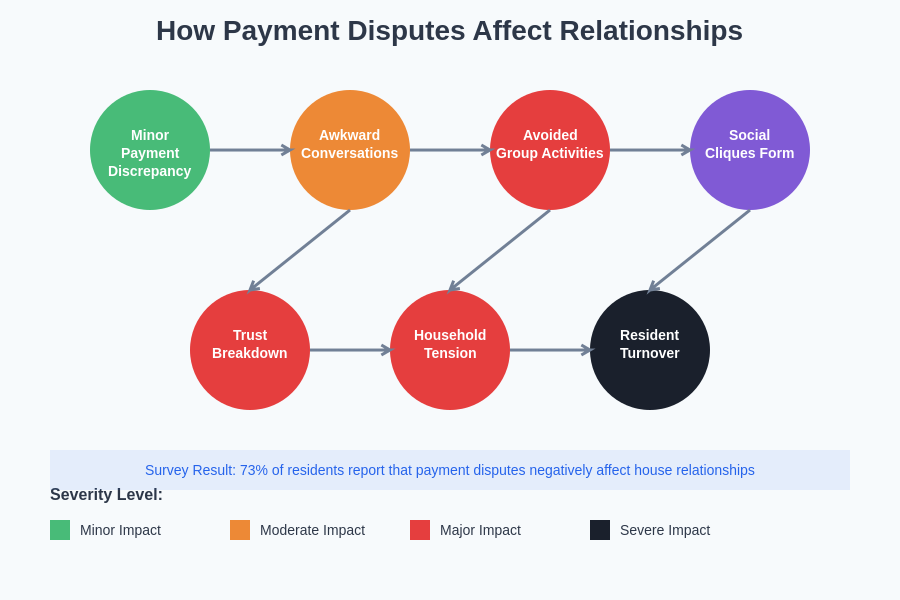
Taxi sharing payment complications extend far beyond financial considerations to fundamentally alter social dynamics and friendship patterns within sharehouse communities. Residents who consistently benefit from favorable payment arrangements may be perceived as taking advantage of others, while those who frequently contribute more than their fair share often develop resentment that affects all household interactions.
The formation of transportation cliques based on compatible payment preferences can create social divisions within sharehouses, where residents selectively include or exclude others from shared rides based on past payment experiences rather than social compatibility or friendship bonds. Making friends through Tokyo sharehouse communities examines how financial disputes can undermine the primary social benefits of shared living arrangements.
Power dynamics emerge when certain residents control transportation decisions, such as choosing taxi companies, routes, or payment methods, creating situations where others feel pressured to accept unfavorable arrangements to maintain social inclusion and household harmony. These dynamics often reflect broader patterns of influence and control within household communities.
Conflict avoidance behaviors lead many residents to absorb unfair transportation costs rather than address payment inequities directly, creating patterns of silent resentment that eventually manifest as broader relationship problems and reduced participation in household activities and social events.
Impact on Late-Night Social Activities
The complications surrounding taxi fare splitting significantly affect residents’ willingness to participate in late-night social activities, cultural events, and entertainment opportunities that require shared transportation arrangements. The anticipation of payment disputes and financial stress can discourage participation in group activities, reducing the social benefits that attract many people to sharehouse living arrangements.
Event planning becomes increasingly complex when organizers must consider transportation payment logistics alongside activity coordination, often leading to simplified but less optimal solutions that may exclude residents with different financial circumstances or payment preferences. Dating while living in Tokyo sharehouses explores how these transportation complications can affect personal relationships and social opportunities.
The timing of payment discussions during social events can disrupt the natural flow of activities and create awkward moments that detract from enjoyment and relationship building. Many residents report that transportation payment stress negatively affects their ability to relax and enjoy social experiences with housemates.
Safety considerations become compromised when payment disputes discourage residents from accepting shared transportation during potentially dangerous situations, such as late-night returns from unfamiliar areas or emergency evacuation scenarios where personal safety should take precedence over financial concerns.
Alternative Transportation and Cost Avoidance
The complications associated with taxi fare splitting drive many residents toward alternative transportation solutions that may be less convenient, more time-consuming, or potentially less safe than shared taxi arrangements. Increased reliance on late-night train services, despite limited schedules and crowded conditions, reflects residents’ preferences for avoiding group payment complications even at the cost of comfort and convenience.
Solo transportation choices result in higher individual costs but eliminate the social and financial stress associated with group payment arrangements, leading to reduced household interaction and missed opportunities for relationship building during travel time. How commute times impact work performance examines how transportation decisions affect broader aspects of residents’ lives and wellbeing.
The development of alternative transportation strategies, such as bicycle usage, walking groups, or individual ride-sharing arrangements, reflects residents’ adaptations to avoid taxi splitting complications while maintaining mobility and social participation. These solutions often require additional planning and coordination but provide greater financial predictability and control.
Emergency transportation situations become particularly problematic when residents’ avoidance of group payment complications prevents them from accessing the most appropriate transportation options during time-sensitive or safety-critical scenarios.
Long-term Financial and Social Consequences
The cumulative effect of ongoing taxi splitting disputes extends beyond immediate transportation costs to affect residents’ overall financial planning, social relationships, and satisfaction with sharehouse living arrangements. Persistent payment complications can lead to broader financial management problems as residents struggle to track and budget for unpredictable group expenses.
Housing stability becomes threatened when transportation payment disputes escalate into more serious conflicts that affect residents’ ability to maintain positive relationships with housemates and household management. How to handle roommate conflicts without moving out provides strategies for addressing these issues before they reach critical levels.
The reputation effects of payment disputes can follow residents to new housing arrangements, as negative references and community discussions about financial reliability affect future sharehouse applications and social integration opportunities. These long-term consequences often exceed the immediate financial amounts involved in transportation disputes.
Career and academic performance may suffer when transportation payment stress affects residents’ ability to participate in professional networking events, academic conferences, or social activities that contribute to personal and professional development opportunities.
The seemingly simple decision to share taxi costs reveals the complex intersection of financial management, cultural understanding, technological adaptation, and social dynamics that characterize modern sharehouse living in Tokyo. Successful navigation of these challenges requires proactive communication, clear expectation setting, and systematic approaches to expense tracking that prioritize both financial fairness and relationship preservation. Understanding these complications helps residents develop strategies that maintain the social benefits of shared living while minimizing the financial stress and interpersonal conflicts that can undermine the sharehouse experience.
Disclaimer
This article is for informational purposes only and does not constitute financial or legal advice. Transportation payment arrangements and dispute resolution methods may vary based on individual circumstances, cultural backgrounds, and local regulations. Readers should establish clear agreements and seek appropriate guidance when managing shared expenses in communal living situations. The effectiveness of suggested strategies may vary depending on specific household dynamics and resident relationships.