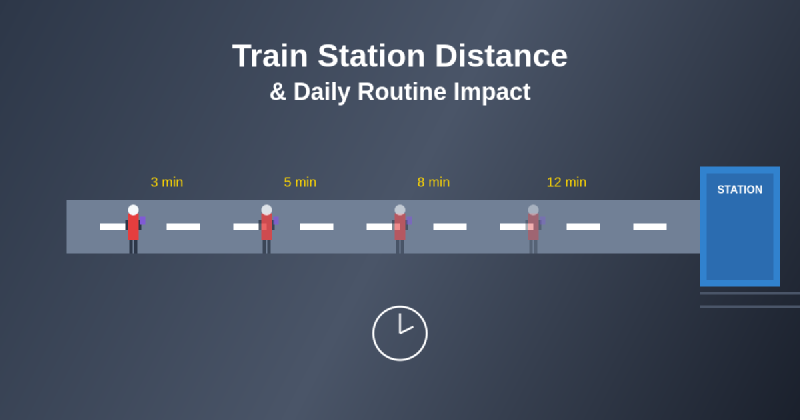
The distance between your sharehouse and the nearest train station fundamentally shapes every aspect of daily life in Tokyo, creating ripple effects that extend far beyond simple commute considerations. This seemingly straightforward geographic factor influences everything from your morning routine timing to late-night social decisions, career opportunities, and long-term lifestyle satisfaction in ways that many international residents fail to anticipate during their initial housing search.
Understanding the profound impact of train station proximity enables informed decision-making that aligns housing choices with personal priorities, work requirements, and social preferences while avoiding the daily frustrations and limitations that result from underestimating transportation accessibility in one of the world’s most transit-dependent cities.
The Mathematics of Daily Commute Impact
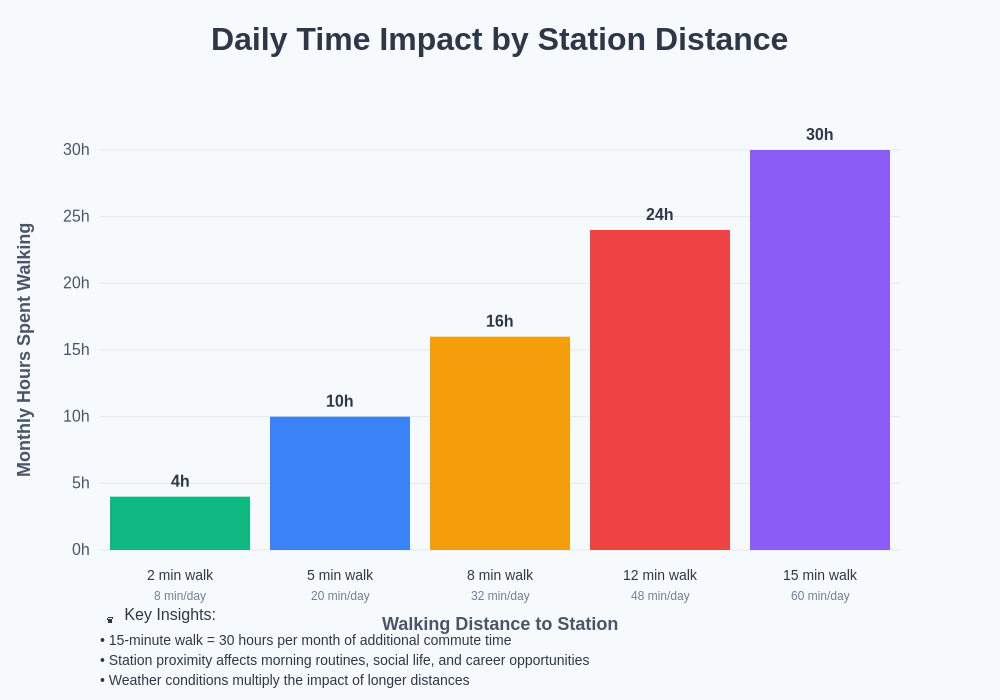
Every additional minute of walking distance to your nearest train station compounds throughout the day, creating cumulative time costs that transform seemingly minor location differences into significant lifestyle impacts. How commute times impact your quality of life demonstrates how these incremental differences accumulate into substantial monthly time investments that affect personal productivity and stress levels.
A sharehouse located ten minutes from the station versus one located three minutes away creates a fourteen-minute daily difference in walking time alone. Over the course of a month, this translates to approximately seven hours of additional walking time, not accounting for weather conditions, luggage carrying, or physical fatigue that can extend these durations significantly during actual daily use.
The compounding effect becomes more pronounced when considering round-trip calculations and multiple daily journeys for work, errands, social activities, and weekend exploration. How work location should influence sharehouse choice explores how employment location creates specific transportation requirements that multiply the importance of strategic location selection.
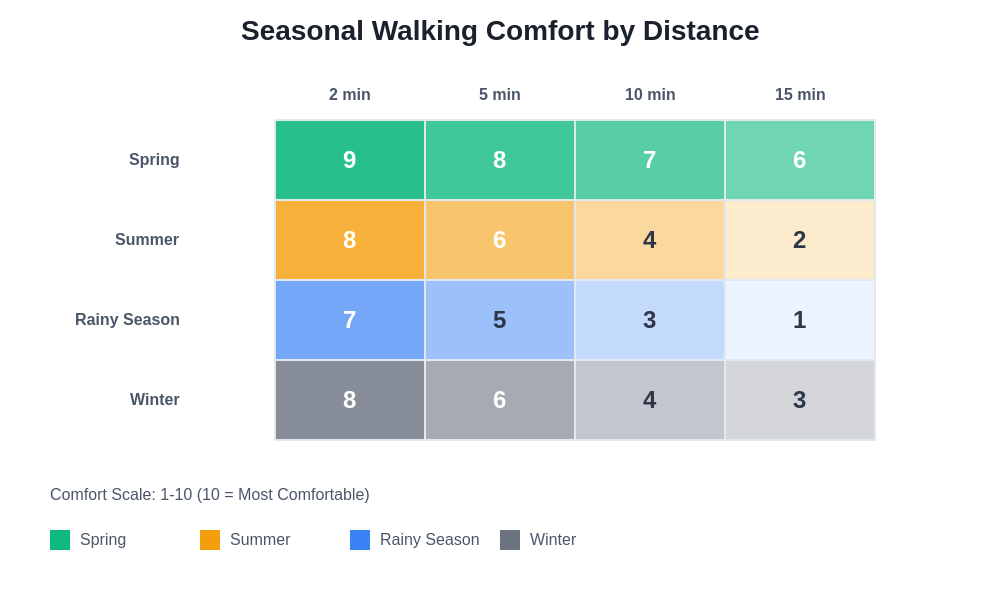
Weather conditions in Tokyo significantly amplify the impact of station distance, with summer heat, winter cold, and frequent rainfall periods creating additional challenges for longer walking distances. Umbrella management, seasonal clothing adjustments, and physical comfort considerations transform routine walks into more complex logistical challenges during adverse weather conditions.
Morning Routine Flexibility and Time Management
Train station proximity directly influences morning routine flexibility, determining whether residents can maintain relaxed preparation schedules or must adhere to rigid timing constraints that eliminate spontaneity and increase daily stress levels. Closer station access provides buffer time that accommodates unexpected delays, wardrobe changes, or impromptu breakfast decisions without jeopardizing punctuality.
The psychological impact of guaranteed timing versus uncertain travel duration affects sleep quality and morning anxiety levels, with distant stations requiring earlier wake-up times and more conservative time estimations that reduce overall sleep duration and recovery time. Why morning bathroom queues are inevitable in sharehouses highlights how shared living timing constraints interact with commute pressures to create additional morning challenges.
Station distance influences breakfast options and eating habits, with longer walks encouraging portable food choices over sit-down meals, affecting nutrition quality and social dining opportunities within the sharehouse community. Convenience store proximity often correlates with station distance, creating additional considerations for meal planning and daily necessities acquisition.
Emergency timing situations such as oversleeping, unexpected weather, or transportation delays become more manageable with closer station access, providing recovery options that prevent minor morning disruptions from cascading into significant professional or academic consequences throughout the day.
Evening and Social Life Implications
The return journey distance significantly affects evening social participation, career networking opportunities, and spontaneous activity decisions that contribute to cultural immersion and relationship building during the Tokyo living experience. How late night transportation limits social life examines how train schedule constraints interact with walking distances to create complex social timing considerations.
After-work events, dinner invitations, and professional networking gatherings often extend beyond convenient transportation hours, making the final walking distance a crucial factor in participation decisions. Longer station walks discourage spontaneous social activities and create pressure to decline invitations that extend into late evening hours when fatigue compounds walking difficulty.
Weekend exploration and cultural activities become more accessible with shorter station distances, encouraging broader Tokyo discovery and reducing the mental friction associated with planning day trips or evening entertainment. How metro access impacts your social life demonstrates how transportation convenience affects social circle development and cultural engagement opportunities.
Late-night safety considerations vary significantly based on walking distance and neighborhood characteristics, with longer distances through less populated areas creating additional security concerns that may limit evening activity participation, particularly for solo travelers or those unfamiliar with local safety patterns.
Financial Implications Beyond Rent Savings
While distant sharehouses often advertise lower rent prices, the hidden transportation costs and time value calculations frequently eliminate apparent savings while reducing overall quality of life and convenience. Living costs in Tokyo sharehouses explained provides frameworks for evaluating total living costs beyond basic accommodation expenses.
Alternative transportation methods such as bicycle ownership, taxi usage during adverse weather, or premium transportation services become necessary supplements when station distances exceed comfortable walking thresholds, creating ongoing expenses that offset initial rent savings while adding complexity to daily logistics management.
Time value calculations reveal that longer daily walking distances translate into significant opportunity costs when considering potential earning capacity, study time, or personal development activities that could utilize the additional hours spent on extended commutes and station access walks throughout each month.
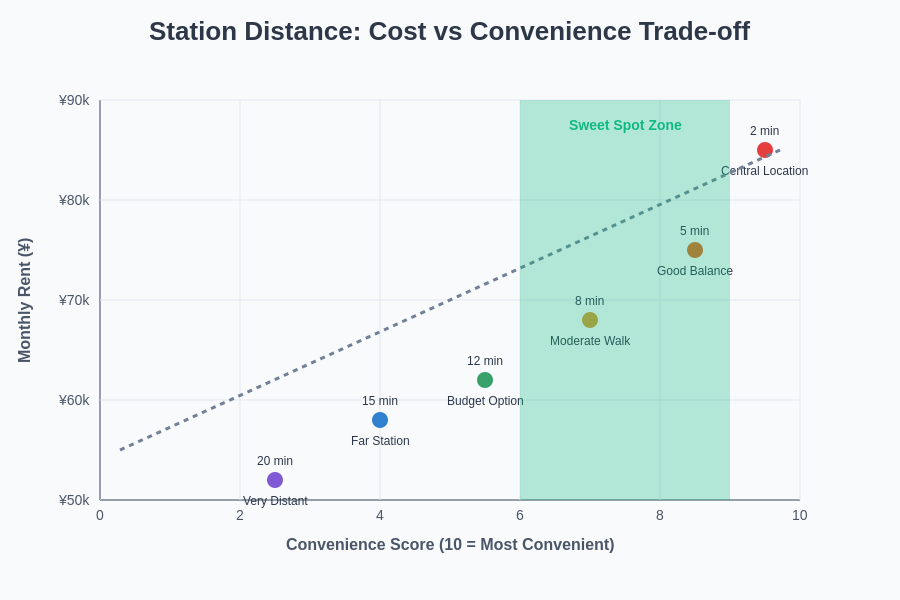
This analysis reveals the sweet spot where moderate station distances provide optimal balance between affordability and daily convenience, helping residents make informed decisions based on their priorities and budget constraints.
Food and convenience purchasing patterns shift based on station area commercial development, with more distant stations often lacking comprehensive shopping options that necessitate separate trips for daily necessities, increasing both time costs and transportation expenses for routine errands and meal planning.
Health and Physical Wellness Considerations
Daily walking distance to train stations provides consistent low-impact exercise that contributes to overall fitness levels and cardiovascular health, creating built-in activity requirements that support physical wellness goals without requiring dedicated gym time or structured exercise programs. How bicycle ownership affects daily routines explores alternative transportation methods that complement walking for health and convenience.
Extended walking distances during summer heat or winter cold create physical stress that can affect overall health, energy levels, and mood throughout the day, particularly for individuals unaccustomed to Tokyo’s climate extremes or those with physical limitations that make longer walks challenging or uncomfortable.
Luggage and package carrying becomes significantly more difficult with longer station distances, affecting shopping habits, travel planning, and daily errands in ways that may limit lifestyle choices or require additional delivery services to maintain convenience and comfort levels.
The cumulative physical impact of daily extended walking varies based on individual fitness levels, age, and health conditions, with some residents experiencing improved fitness while others may develop fatigue or physical discomfort that affects overall quality of life and daily energy availability.
Seasonal and Weather Adaptation Challenges
Tokyo’s distinct seasonal changes create varying challenges for station access that dramatically affect daily routine consistency and comfort levels throughout the year. Summer humidity and heat make longer walks physically demanding and require additional preparation time for cooling and clothing adjustments upon arrival at destinations.
Winter weather conditions including occasional snow, ice, and freezing temperatures extend walking times and create safety concerns that may necessitate alternative transportation methods or significant additional preparation time for protective clothing and careful navigation of potentially hazardous walking conditions.
Rainy season challenges multiply with distance, as umbrella management, waterproof clothing, and extended exposure to precipitation create discomfort and logistical complications that can make longer station walks particularly unpleasant and time-consuming during Tokyo’s extended wet periods.
Seasonal clothing adjustments affect walking comfort and speed, with winter layers requiring earlier departure times and summer heat necessitating cooling recovery periods, creating variable timing requirements that complicate schedule planning and routine consistency throughout the year.
Technology and Navigation Considerations
Station distance affects smartphone battery usage through increased GPS navigation, weather checking, and communication needs during extended walks, creating additional daily charging requirements and potential connectivity concerns during longer journey segments. How transportation apps change navigation habits examines how digital tools support transportation planning and execution.
Emergency communication capabilities become more critical with longer station distances, as extended walking periods in unfamiliar areas or during adverse conditions may require assistance coordination or location sharing that depends on reliable device functionality and battery management.
Navigation learning curves vary based on distance complexity, with longer routes requiring familiarity with multiple path options, shortcut alternatives, and landmark recognition that may take weeks or months to master, affecting confidence and timing consistency during the initial adjustment period.
Weather application dependency increases with station distance, as longer exposed walking periods require more detailed precipitation timing, temperature monitoring, and wind condition awareness to maintain comfort and appropriate preparation for variable outdoor conditions throughout the daily journey.
Career and Professional Development Impact
Station proximity affects punctuality reliability and professional image, with shorter distances providing greater timing control and reducing the risk of weather or transportation-related delays that can impact career advancement and workplace relationships. How commute times impact work performance explores the professional implications of transportation choices.
Networking event participation and after-work professional development opportunities become more accessible with convenient station access, enabling career growth activities that may be discouraged by lengthy return journeys during evening hours when fatigue and safety concerns compound transportation challenges.
Emergency work response capabilities vary significantly based on station distance, with shorter walks enabling faster response to urgent professional requirements or unexpected overtime demands that require flexible timing and reliable transportation access throughout extended work periods.
Business attire maintenance becomes more challenging with longer walking distances, particularly during adverse weather conditions that can affect professional appearance and require additional preparation time or clothing changes that complicate morning routines and professional presentation standards.
Long-term Lifestyle Adaptation Strategies
Successful adaptation to station distance requires realistic expectation setting and lifestyle modification strategies that align daily routines with transportation realities while maintaining personal comfort and satisfaction levels. How to find the perfect sharehouse in Tokyo provides comprehensive guidance for evaluating location factors during housing selection.
Equipment and preparation optimization including appropriate footwear, weather protection, and carrying solutions can significantly improve the daily experience of longer station walks while reducing physical discomfort and time requirements through strategic gear selection and routine refinement.
Alternative transportation integration such as bicycle ownership, train pass optimization, or strategic taxi usage can supplement walking distances during particular weather conditions or time constraints while maintaining overall cost-effectiveness and convenience throughout varying seasonal and schedule demands.
Community resource sharing within sharehouses can address some distance-related challenges through coordinated transportation, shared bicycle ownership, or group activity planning that reduces individual burden while building social connections and mutual support systems among residents.
The selection of train station distance represents a fundamental lifestyle choice that affects virtually every aspect of daily life in Tokyo, from basic time management and financial planning to social participation and career development opportunities. Understanding these multifaceted implications enables informed decision-making that prioritizes factors most important to individual circumstances while avoiding the common mistake of underestimating transportation convenience in urban Japan.
Why some areas have poor public transit access and how transportation accessibility affects housing choices provide additional insights into the complex relationship between location selection and daily quality of life in Tokyo’s extensive metropolitan area.
Disclaimer
This article is for informational purposes only and does not constitute professional advice regarding housing or transportation decisions. Station distances, transportation costs, and service reliability may vary significantly across different areas of Tokyo. Readers should conduct their own research and consider their specific circumstances when evaluating sharehouse locations. Individual experiences with commute distances may vary based on personal fitness levels, weather tolerance, and lifestyle preferences.