The transportation landscape in Japan presents a complex web of accessibility challenges for foreign residents that extend far beyond the well-known efficiency of public transit systems. While Tokyo’s trains and buses operate with remarkable precision and coverage, numerous transportation services maintain barriers that effectively exclude non-Japanese residents from accessing convenient mobility options that locals take for granted. These exclusions stem from a combination of legal requirements, business risk assessments, cultural assumptions, and technological limitations that create a two-tiered transportation ecosystem.
Understanding these exclusionary practices becomes essential for foreign residents navigating daily life in Japan, particularly those living in sharehouses where transportation flexibility can significantly impact quality of life and social opportunities. How commute times impact your quality of life demonstrates how transportation limitations affect broader living experiences, while the specific barriers faced by foreigners add additional layers of complexity to urban mobility in Japanese cities.
Documentation and Legal Requirements Creating Access Barriers
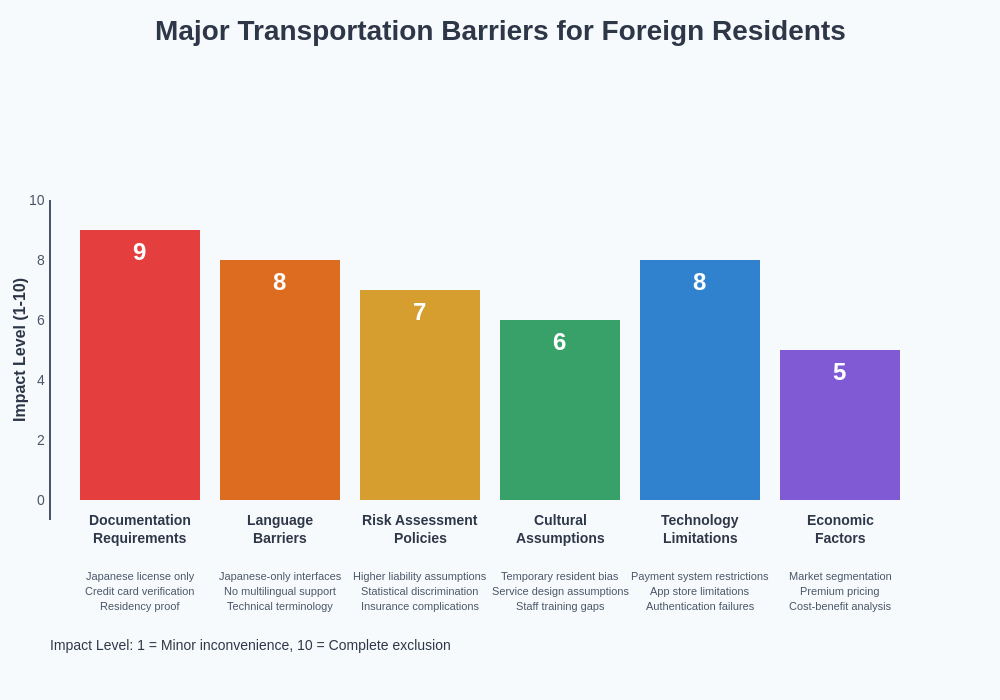
The foundation of transportation exclusion for foreigners often begins with documentation requirements that create insurmountable barriers for many international residents. Japanese driving licenses represent the most obvious example, where the conversion process from foreign licenses involves complex bureaucratic procedures that can take months to complete and require specific documentation that varies by country of origin.
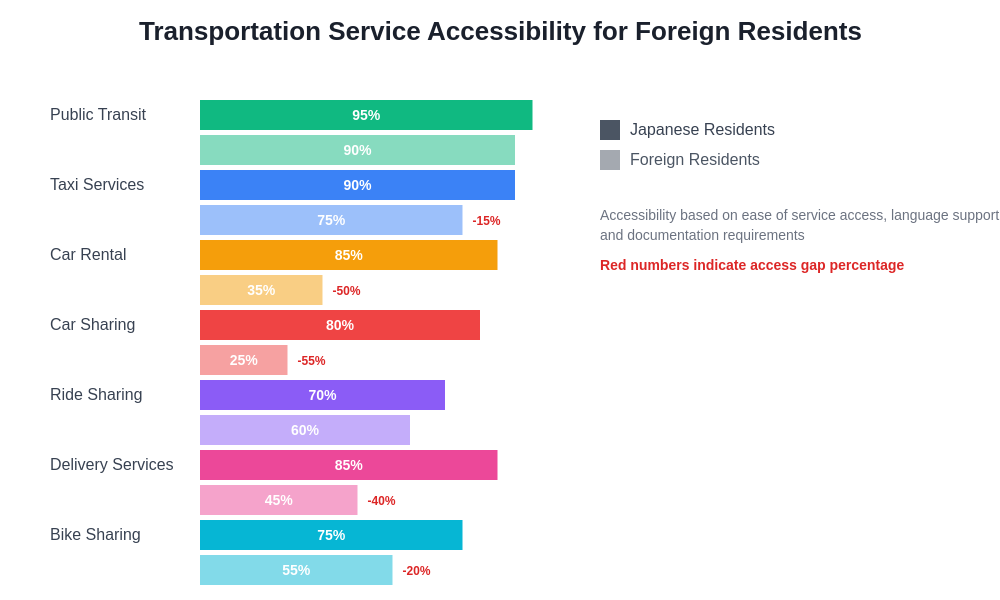
Car rental services frequently maintain policies that accept only Japanese licenses or international driving permits issued in conjunction with licenses from specific countries, effectively excluding residents who hold work visas or long-term residency status but lack the appropriate driving credentials. How car sharing works among sharehouse residents illustrates how these limitations affect shared living communities where transportation costs and accessibility become shared concerns.
The complexity extends beyond simple license recognition to include requirements for Japanese credit cards, bank accounts, and residency verification that create cascading barriers for accessing various transportation services. Many foreign residents discover that their international credentials, credit cards, and identification documents that work perfectly in other countries become insufficient for accessing basic transportation services in Japan.
Insurance requirements present another significant barrier, as many transportation services require specific types of coverage that foreign residents may not possess or understand. The intersection of insurance policies, liability concerns, and documentation requirements creates a web of exclusionary practices that effectively limit transportation options for international residents regardless of their legal status or financial capability.
Language Barriers and Communication Challenges
Language requirements in transportation services create practical barriers that extend beyond simple communication difficulties into fundamental access issues. Many car sharing services, ride booking platforms, and specialized transportation options operate exclusively in Japanese with customer service systems that cannot accommodate non-Japanese speakers effectively.
The digital transformation of transportation services has inadvertently created new forms of exclusion as mobile applications and online platforms become the primary access points for many services. How transportation apps change navigation habits explores how technology reshapes mobility patterns, but these benefits remain inaccessible to users who cannot navigate Japanese-language interfaces or complete complex registration processes.
Customer support systems often lack multilingual capabilities, creating situations where foreign residents cannot resolve issues, complete registrations, or access assistance when problems arise. Emergency situations become particularly problematic when language barriers prevent effective communication with transportation service providers during critical moments when alternative transportation becomes essential.
Technical terminology specific to transportation services, insurance policies, and legal agreements creates additional comprehension challenges that go beyond basic conversational Japanese ability. Many foreign residents with intermediate Japanese skills find themselves unable to understand the specific legal and technical language required for transportation service agreements and liability waivers.
Risk Assessment and Business Liability Concerns
Transportation companies often implement exclusionary policies based on risk assessment models that view foreign users as higher liability customers regardless of individual qualifications or experience. These business decisions reflect perceived risks related to communication difficulties, unfamiliarity with local traffic laws, and potential complications in accident resolution and insurance claims processing.
Car sharing and rental services frequently maintain internal policies that restrict access based on nationality or residency status, justified through statistical analysis of accident rates, payment defaults, and customer service costs. Why some residents never learn train routes demonstrates how transportation learning curves affect different user groups, but business policies often assume foreign users represent inherently higher risks.
Insurance companies play a significant role in shaping these exclusionary practices by offering different premium structures or coverage limitations for services that cater to foreign customers. The complex relationship between transportation providers and insurance companies creates incentive structures that encourage exclusion rather than accommodation of international users.
Liability concerns extend beyond operational risks to include challenges in pursuing legal remedies and collecting damages when problems arise. Transportation companies express concerns about jurisdictional issues, language barriers in legal proceedings, and difficulties in pursuing collections across international boundaries that influence their willingness to serve foreign customers.
Cultural Assumptions and Implicit Biases
Cultural assumptions about foreign residents’ ability to navigate Japanese transportation systems and follow local customs create implicit barriers that manifest in service design and customer interaction policies. Many transportation services operate under assumptions that foreign users require specialized support or present unique challenges that standard service models cannot accommodate effectively.
Service design often reflects cultural expectations about user behavior, payment methods, and interaction patterns that assume familiarity with Japanese social norms and business practices. How cultural differences affect friendship building explores how cultural assumptions impact social integration, while transportation exclusion represents a parallel phenomenon in commercial service provision.
Staff training and customer service protocols frequently lack preparation for serving international customers, creating uncomfortable interactions and service quality disparities that reinforce exclusionary practices. These cultural barriers manifest in everything from payment processing difficulties to misunderstandings about service terms and usage expectations.
Assumptions about temporary residency status lead many transportation providers to view foreign customers as short-term users who do not justify the investment in specialized services or accommodation measures. This perspective ignores the reality of long-term foreign residents who contribute to local communities and economy while facing ongoing transportation access limitations.
Technology Platform Limitations and Digital Exclusion
Modern transportation services increasingly rely on digital platforms that create new forms of exclusion through design choices that prioritize Japanese users. Mobile applications often require Japanese phone numbers, Japanese credit cards, and Japanese address formats that exclude foreign residents from completing registration processes.
Authentication systems frequently fail to recognize foreign identification documents, international credit cards, or non-Japanese phone numbers, creating technical barriers that prevent access regardless of user qualifications or payment capability. How digital nomads change sharehouse dynamics illustrates how technology shapes mobility patterns, but access to these technological solutions remains limited for many foreign residents.
Payment system integration presents ongoing challenges as many transportation platforms cannot process international payment methods or require specific Japanese financial services for account verification. The increasing digitization of transportation services inadvertently creates new barriers for foreign residents who cannot access the underlying financial and communication infrastructure.
Geographic restrictions in mobile applications often prevent foreign residents from downloading or using transportation apps due to app store regional limitations or IP address restrictions. These technical barriers create situations where willing and capable users cannot access services due to technological exclusion rather than policy decisions.
Economic Factors and Market Segmentation
Economic considerations drive many exclusionary practices as transportation companies focus on market segments that provide optimal revenue potential with minimal service complexity. Foreign residents often represent smaller market segments that require specialized support infrastructure without generating proportional revenue returns for service providers.
Cost structures for serving international customers include additional expenses for multilingual support, specialized documentation processing, and enhanced customer service capabilities that many transportation companies choose to avoid rather than accommodate. How transportation costs impact entertainment budgets demonstrates how transportation expenses affect broader lifestyle choices, while service exclusion forces foreign residents toward more expensive alternatives.
Market research and customer acquisition strategies often prioritize Japanese consumers with established credit histories, permanent addresses, and long-term residency patterns that align with business model assumptions about customer lifetime value and service utilization patterns. Foreign residents with temporary visas or uncertain residency timelines may be excluded based on business calculations about profitability and retention.
Pricing strategies for specialized services that accommodate foreign customers often include premium charges that reflect additional service costs, creating economic barriers that effectively exclude budget-conscious international residents from accessing convenient transportation options.
Alternative Transportation Networks and Workarounds
Foreign residents develop informal networks and alternative transportation strategies to navigate official exclusions from mainstream services. These parallel systems often involve higher costs, reduced convenience, and increased complexity but provide essential mobility options for excluded users.
Peer-to-peer transportation sharing among international communities creates unofficial networks that fill gaps left by exclusionary policies. Making friends through Tokyo sharehouse communities explores how social connections develop among foreign residents, with transportation sharing representing one practical manifestation of these community bonds.
International-focused transportation services and specialized companies that cater to foreign customers often charge premium prices while providing essential services that mainstream providers exclude. These niche markets demonstrate demand for inclusive transportation services while highlighting the limitations of mainstream service provision.
Technology solutions developed by and for international communities include translation tools, alternative payment systems, and specialized applications that help foreign residents navigate Japanese transportation systems. How translation apps help daily interactions illustrates how technology can bridge communication gaps in transportation and other service contexts.
Impact on Daily Life and Social Integration
Transportation exclusion affects foreign residents’ daily routines, social opportunities, and overall integration into Japanese society in ways that extend far beyond simple mobility limitations. Access to convenient transportation options influences employment opportunities, social connections, and participation in community activities that shape long-term residency experiences.
Professional opportunities become limited when transportation barriers prevent foreign residents from accessing job locations, attending networking events, or participating in business activities that require flexible mobility options. How work location should influence sharehouse choice demonstrates how transportation access affects housing decisions and career development for international residents.
Social isolation increases when transportation limitations prevent participation in activities, events, and gatherings that require access to specialized transportation services or travel to locations poorly served by public transit. The cumulative effect of transportation exclusion contributes to broader social segregation that limits cross-cultural interaction and community integration.
Emergency situations become more challenging when foreign residents cannot access transportation services during crises, medical emergencies, or unexpected circumstances that require immediate mobility solutions. How emergency communication plans often fail explores broader emergency preparedness challenges that intersect with transportation access limitations.
Regional Variations and Geographic Disparities
Transportation exclusion patterns vary significantly across different regions of Japan, with rural areas often presenting more severe limitations than urban centers where alternative options and competitive markets create more inclusive service provision. Why some areas have poor public transit access explores geographic transportation disparities that compound exclusion issues for foreign residents.
Tokyo and other major metropolitan areas offer more transportation alternatives and international-friendly services compared to smaller cities and rural regions where foreign residents may face complete exclusion from certain transportation modes. The concentration of international residents in major cities creates market incentives for inclusive services that do not exist in areas with smaller foreign populations.
Regional transportation companies and local service providers often maintain more restrictive policies than national operators, creating geographic variations in service accessibility that affect foreign residents differently depending on their location within Japan. These regional disparities influence housing choices and limit mobility between different areas of the country.
Cultural attitudes toward foreign residents vary regionally and influence the implementation of exclusionary policies at local levels, creating inconsistent access patterns that depend on local business practices and community attitudes rather than national policy frameworks.
Legal Framework and Discrimination Concerns
The legal environment surrounding transportation exclusion operates within complex frameworks that balance business autonomy with anti-discrimination principles, creating gray areas where exclusionary practices may be legally permissible despite their discriminatory effects. Understanding these legal boundaries helps foreign residents recognize their rights while acknowledging limitations in legal remedies.
Japanese discrimination law provides some protections for foreign residents but contains exceptions for business practices that can be justified through legitimate operational concerns. Transportation companies often structure their exclusionary policies to fall within legal boundaries while achieving practical exclusion of foreign customers.
International agreements and diplomatic considerations influence how transportation exclusion issues are addressed at policy levels, but practical enforcement and individual remedy options remain limited for affected foreign residents. How discrimination laws apply to sharehouse selection explores similar legal frameworks in housing contexts.
Consumer protection laws provide some recourse for discriminatory treatment but require significant time, expense, and language capability to pursue effectively. Most foreign residents lack the resources or knowledge necessary to challenge exclusionary practices through legal channels, allowing these practices to continue without meaningful accountability.
Future Trends and Potential Solutions
Technological advancement and increasing internationalization create pressures for more inclusive transportation services, while business innovation and competitive dynamics gradually expand access options for foreign residents. Understanding these trends helps predict future changes in transportation accessibility while identifying current opportunities for improved access.
Digital transformation initiatives increasingly include multilingual capabilities and international payment integration as standard features rather than specialized accommodations, suggesting gradual improvement in platform accessibility for foreign users. Market competition and technology standardization create incentives for inclusive design that benefit foreign residents without requiring specialized advocacy.
Regulatory changes and policy initiatives aimed at supporting international residents and tourism development may influence transportation service provision, creating new requirements or incentives for inclusive service design. Government initiatives to promote international competitiveness and social integration include transportation accessibility as a component of broader policy frameworks.
Business model innovation and market segmentation strategies may create new service categories that better accommodate foreign residents while generating profitable revenue streams. The growing international resident population and increasing global business activity create market opportunities for transportation services that prioritize inclusivity and accessibility.
The transportation exclusion experienced by foreign residents in Japan reflects broader challenges of social integration, business inclusivity, and cultural adaptation that affect multiple aspects of daily life beyond simple mobility concerns. Dating while living in Tokyo sharehouses and other social activities become more challenging when transportation barriers limit access to diverse social opportunities and community participation.
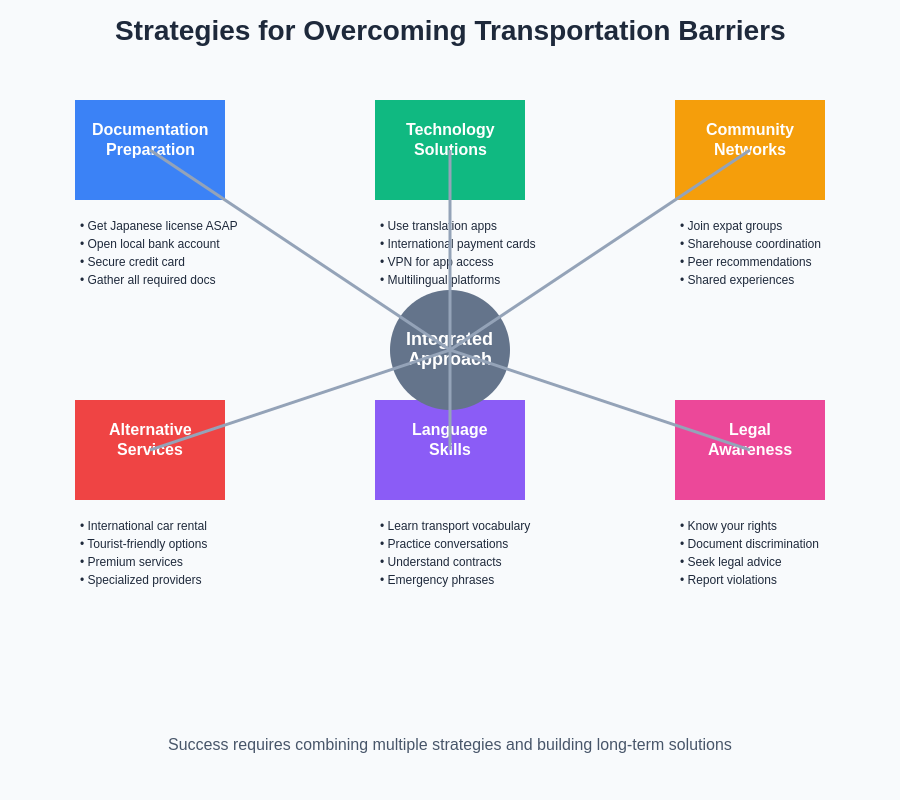
Understanding these exclusionary practices empowers foreign residents to develop effective strategies for navigating transportation limitations while advocating for more inclusive service provision. The intersection of legal, cultural, and economic factors that drive transportation exclusion requires comprehensive approaches that address multiple barriers simultaneously rather than focusing on individual issues in isolation.
Progress toward more inclusive transportation systems depends on continued advocacy, market pressure, technological advancement, and policy development that recognizes transportation access as essential for successful social integration and economic participation. Foreign residents who understand these systemic barriers can better navigate current limitations while contributing to positive change through their choices, feedback, and community engagement in addressing transportation accessibility challenges.
Disclaimer
This article is for informational purposes only and does not constitute legal advice. Transportation policies and accessibility may vary by region and service provider. The experiences described reflect common challenges reported by foreign residents but individual circumstances may differ. Readers should research current policies and consult relevant authorities when making transportation-related decisions. Discrimination laws and business practices continue to evolve, and specific situations may require professional legal guidance.