Television watching schedules represent one of the most underestimated yet persistent sources of conflict in Tokyo sharehouses, creating daily friction that can escalate into serious roommate disputes and fundamentally alter the harmony of shared living spaces. The seemingly simple act of watching television becomes complicated when multiple residents with different cultural backgrounds, work schedules, and entertainment preferences attempt to coexist around a single shared screen in common areas.
The complexity of managing television access in sharehouses extends far beyond basic scheduling logistics, encompassing cultural differences in entertainment consumption, varying noise tolerance levels, and fundamentally different approaches to shared resource management that reflect deeper philosophical differences about community living and personal space boundaries.
The Psychology Behind Entertainment Territory Wars
Television viewing in sharehouses becomes territorial behavior that triggers deep-seated psychological responses related to comfort, control, and belonging within shared living environments. The common room television often represents the primary entertainment hub where residents seek relaxation after stressful work or study periods, making access to this resource emotionally significant beyond its practical utility value.
Understanding how to handle roommate conflicts without moving out becomes essential when television disputes escalate into broader relationship problems that affect overall house harmony and individual well-being.
Cultural differences in entertainment consumption patterns create additional layers of complexity, particularly when residents from different countries have vastly different expectations about communal entertainment, volume levels, and appropriate viewing times. Japanese residents may prefer quieter viewing experiences during certain hours, while international residents might have different cultural norms around shared entertainment spaces.
The psychological impact of entertainment conflicts extends beyond immediate frustration, affecting residents’ sense of home comfort and their ability to decompress after demanding daily schedules. When television access becomes contentious, the shared living space loses its function as a retreat, forcing residents to seek entertainment alternatives that may be less satisfactory or more expensive.
Prime Time Competition and Work Schedule Misalignment
The convergence of multiple residents’ free time during evening hours creates inevitable competition for television access, particularly when popular shows air simultaneously or when residents have limited windows for entertainment consumption due to demanding work or study schedules. How shift work schedules affect roommate relations illustrates how varied professional commitments compound entertainment scheduling challenges.
Japanese television programming follows specific seasonal patterns and time slots that may not align with international residents’ entertainment preferences or viewing habits established in their home countries. This cultural programming divide creates situations where residents feel excluded from communal viewing experiences or frustrated by content choices that don’t match their interests or language capabilities.
Peak viewing hours typically coincide with dinner preparation and consumption times, creating additional logistical complications when kitchen activities interfere with living room entertainment or when cooking odors and sounds disrupt television viewing experiences. How cooking odors create cultural conflicts demonstrates how multiple common area activities can create cascading conflicts throughout shared spaces.
Working professionals with different industry schedules may have completely misaligned free time periods, leading to situations where early-rising residents want morning news access while night-shift workers prefer late-evening entertainment, creating 24-hour scheduling conflicts that seem impossible to resolve fairly.
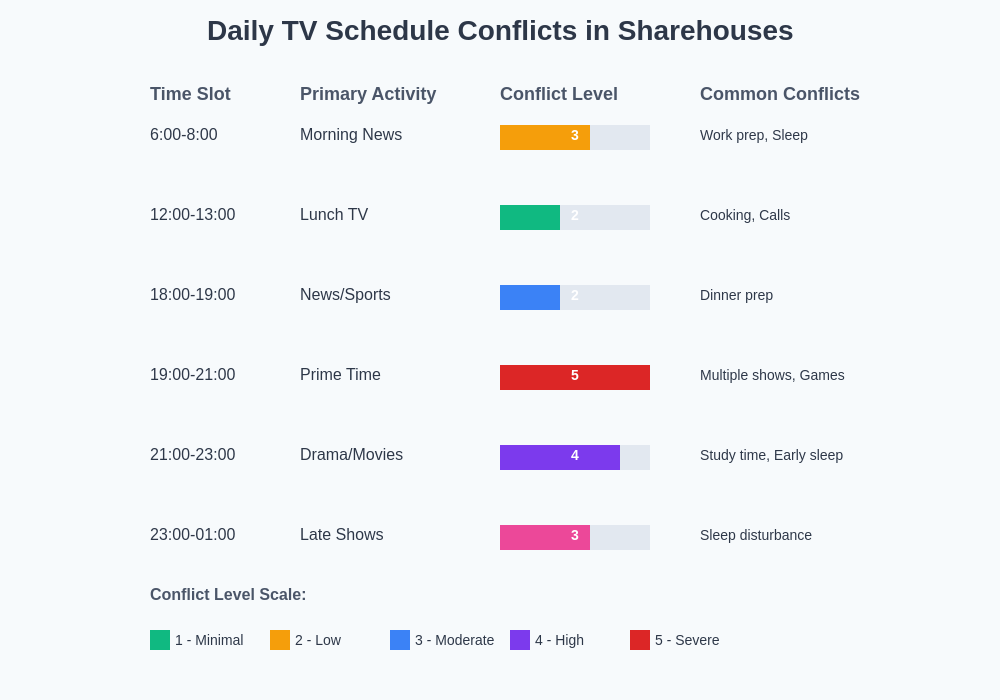
The intensity of conflicts varies throughout the day, with prime time hours showing the highest conflict levels when multiple entertainment preferences compete for limited television access during peak relaxation periods.
Cultural Programming Preferences and Language Barriers
The diversity of entertainment preferences within international sharehouses creates complex negotiations around programming choices that satisfy multiple cultural backgrounds and language capabilities simultaneously. Japanese television content may be incomprehensible to international residents who lack sufficient language skills, while foreign programming may be unavailable or require additional subscription services that create cost-sharing disputes.
How language barriers prevent deep friendships explores how entertainment language differences contribute to social isolation and reduced community bonding opportunities within sharehouses.
Streaming services and international content access become additional complications when residents have different subscription preferences, financial capabilities, or technical knowledge required to access desired programming. The proliferation of platform-specific content means that satisfying diverse entertainment preferences requires multiple expensive subscriptions that may exceed reasonable shared expense budgets.
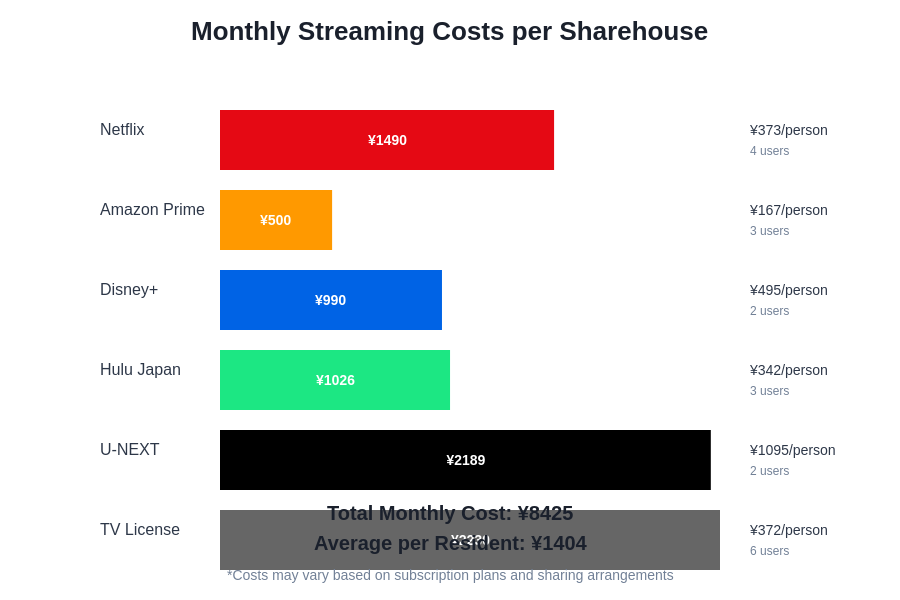
The financial burden of multiple streaming services can create significant budget strain for sharehouses, particularly when residents have different entertainment priorities and cost-sharing becomes contentious.
Cultural celebration periods such as major sporting events, holiday programming, or seasonal entertainment traditions create temporary but intense conflicts when residents prioritize different cultural events that occur simultaneously. World Cup matches, Olympic coverage, or major cultural festivals can dominate television schedules for extended periods, frustrating residents who don’t share these cultural interests.
Volume Control and Noise Sensitivity Disputes
Sound management around television viewing becomes particularly challenging in sharehouses where residents have different noise tolerance levels, sleep schedules, and cultural norms around appropriate volume levels for shared entertainment spaces. How noise complaints happen even in quiet sharehouses demonstrates how seemingly minor sound issues escalate into major conflicts.
Late-night television viewing creates conflicts with residents who have early morning commitments, while early morning news programs can disturb night-shift workers or students with irregular schedules. The thin walls and shared spaces typical in many Tokyo sharehouses amplify these volume-related tensions, making compromise difficult to achieve.
Headphone policies and personal device alternatives become contentious when they’re seen as antisocial behavior that undermines community building, yet unrestricted television audio creates legitimate noise complaints that affect residents’ sleep quality and daily performance. Finding balance between community entertainment and individual comfort proves challenging in practice.
Cultural differences in noise tolerance and community entertainment norms create situations where compromise solutions satisfy no one fully, leading to ongoing resentment and passive-aggressive behavior that affects broader house relationships beyond television-specific disputes.
Sports Events and Special Programming Conflicts
Major sporting events create particularly intense television scheduling conflicts because they occur at predetermined times, cannot be easily rescheduled, and often generate passionate emotional investment from fans who view missing live coverage as genuinely distressing experiences.
International sporting events such as World Cup matches, Olympic coverage, or major league championships can dominate television schedules for weeks, creating extended periods of scheduling tension that strain roommate relationships and limit access to regular programming preferences for non-sports enthusiasts.
How cultural festivals affect house activities shows how special programming periods create broader disruptions to normal sharehouse routines and social dynamics.
Different sports popularity across cultures means that residents may have completely incompatible sporting interests, with some prioritizing baseball coverage while others prefer soccer, basketball, or sports that receive limited Japanese television coverage. These preferences often align with cultural backgrounds, creating potential ethnic or national divisions within sharehouses.
Time zone differences for international sporting events can create conflicts over very early morning or late-night viewing that affects other residents’ sleep schedules, while recorded viewing alternatives may not provide the same satisfaction for sports fans who value live coverage and real-time social interaction.
Streaming Service Cost-Sharing Complications
The proliferation of streaming platforms creates complex financial negotiations around which services justify shared expense allocation and how to fairly distribute costs among residents with different entertainment consumption patterns and financial capabilities.
How shared streaming accounts work in practice explores the practical challenges of managing multiple platform subscriptions and account sharing policies that may violate service terms.
Different residents may prioritize different streaming platforms based on content preferences, language needs, or existing personal subscriptions, making consensus decisions about shared entertainment budgets difficult to achieve. Some residents may prefer premium services while others advocate for basic options, creating divisions around quality versus cost considerations.
Account management and password sharing create additional complications when residents move out, change their financial contributions, or when service providers implement stricter account sharing restrictions that limit simultaneous viewing across multiple devices or locations.
Technology Access and Equipment Disputes
Television equipment quality, remote control access, and technical setup decisions become sources of ongoing friction when residents have different expectations about entertainment technology and varying levels of technical expertise required for modern entertainment systems.
How smart home features change daily routines illustrates how technology integration affects shared living experiences and can create additional complexity in entertainment management.
Gaming console access creates additional scheduling conflicts when residents want to use shared television screens for gaming activities that exclude other residents from simultaneous entertainment consumption. Different gaming preferences and skill levels can create social hierarchies and exclusion patterns that affect broader house dynamics.
Remote control custody becomes surprisingly contentious when channel surfing behavior, volume adjustments, and input switching reflect different cultural approaches to shared resource management and consideration for others’ entertainment experiences.
Weekend and Holiday Programming Battles
Weekend television viewing patterns intensify conflicts because residents have more available free time and competing programming preferences coincide during peak leisure periods when relaxation and entertainment consumption naturally increase.
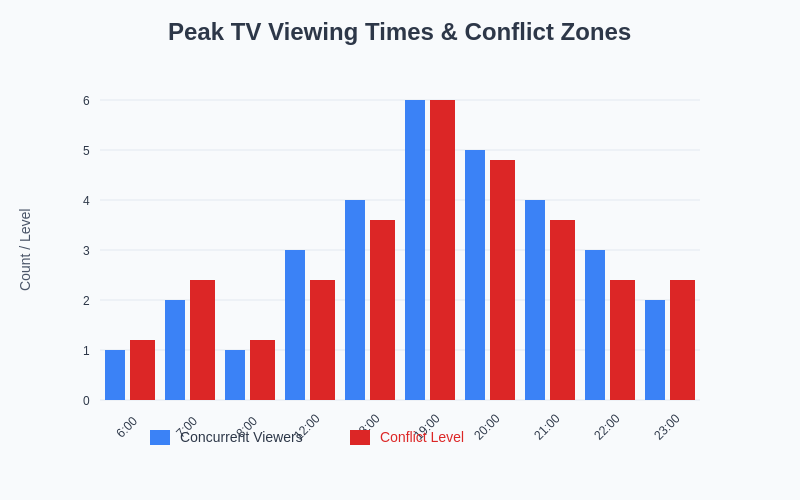
Evening hours consistently show the highest viewer competition and conflict potential, requiring careful scheduling coordination and compromise strategies to maintain household harmony during these critical entertainment periods.
Holiday programming schedules disrupt normal viewing routines and create temporary but intense conflicts over special event coverage, cultural celebrations, or seasonal programming that may have deep emotional significance for specific cultural groups within the sharehouse.
How holiday seasons increase homesickness demonstrates how entertainment choices during culturally significant periods can either alleviate or exacerbate feelings of cultural displacement among international residents.
Long weekend periods create extended scheduling pressure when residents have consecutive days off work or study commitments, leading to sustained competition for entertainment resources that can create lasting resentment if not managed diplomatically.
Quiet Hours and Community Viewing Etiquette
Establishing quiet hours around television viewing requires careful balance between community entertainment access and individual residents’ needs for peaceful environments during sleep, study, or work periods that may occur at non-traditional hours.
How conflict resolution styles differ by culture helps explain why television scheduling discussions can become complicated when residents have different approaches to negotiation, compromise, and community rule establishment.
Community viewing etiquette around commentary, reactions, and social interaction during programming creates additional complexity when residents have different cultural norms about appropriate behavior during shared entertainment experiences.
Phone usage during communal television viewing becomes contentious when some residents view it as antisocial behavior while others consider it normal multitasking that doesn’t detract from shared entertainment experiences.
Financial Implications of Entertainment Conflicts
Television-related conflicts can create broader financial disputes when residents consider alternative entertainment options such as personal televisions, upgraded streaming subscriptions, or entertainment activities outside the sharehouse that increase individual living costs.
How living costs in Tokyo sharehouses are explained provides context for how entertainment-related expenses fit into overall sharehouse budgeting decisions and cost-sharing negotiations.
Equipment upgrades, additional streaming services, or personal entertainment alternatives may seem like solutions but create financial inequality within sharehouses when some residents can afford these options while others cannot, potentially exacerbating social divisions.
Damage to shared entertainment equipment due to overuse, mishandling, or conflicts can create expensive replacement costs that require fair allocation among residents, particularly when responsibility for damage is disputed.
Long-term Relationship Impact and Resolution Strategies
Television scheduling conflicts often serve as proxies for deeper issues around respect, consideration, and community living philosophy that affect long-term roommate relationships and overall sharehouse harmony well beyond entertainment-specific disagreements.
Making friends through Tokyo sharehouse communities shows how shared entertainment experiences can either strengthen or weaken community bonds depending on how conflicts are managed and resolved.
Successful conflict resolution around television scheduling requires proactive communication, fair scheduling systems, and creative compromise solutions that acknowledge different residents’ legitimate entertainment needs while maintaining community cohesion and mutual respect.
The development of alternative entertainment strategies, such as personal viewing options, scheduled community viewing events, or rotation systems, can help reduce conflicts while preserving opportunities for shared entertainment experiences that contribute to positive house culture.
Understanding that television conflicts reflect broader community living challenges helps residents approach these disputes with appropriate perspective and develop conflict resolution skills that benefit all aspects of shared living experiences throughout their sharehouse tenure.
Disclaimer
This article is for informational purposes only and reflects common experiences in sharehouse living environments. Individual situations may vary significantly based on specific house rules, resident personalities, and cultural dynamics. Readers should communicate directly with housemates and property managers to establish fair entertainment sharing arrangements that work for their specific living situations.