When typhoon season arrives in Japan, the effectiveness of disaster preparedness depends significantly on how well sharehouse residents coordinate their emergency response efforts. The unique challenges of shared living environments during severe weather events require far more sophisticated planning and communication than individual apartment dwellers typically face. Understanding these coordination requirements becomes essential for protecting both personal safety and community well-being during Japan’s increasingly intense typhoon seasons.
The complexity of group coordination during typhoon preparedness extends beyond simple supply gathering to encompass communication protocols, resource sharing agreements, evacuation procedures, and post-storm recovery planning. Real stories from Tokyo sharehouse residents reveal how unprepared communities often face cascading problems during emergencies, while well-coordinated houses emerge from disasters with stronger bonds and improved safety systems.
Understanding Typhoon Risks in Shared Living Environments
Japanese sharehouses face unique vulnerabilities during typhoon events that individual residences rarely encounter, primarily due to the interconnected nature of shared infrastructure and the dependency on group decision-making for critical safety measures. The concentration of multiple residents in single buildings amplifies both resource needs and potential communication failures during emergency situations.
Building-specific risks vary dramatically based on construction age, location relative to flood zones, and structural integrity of shared facilities such as electrical systems, water supply, and emergency exits. Why some buildings lack proper ventilation becomes critically relevant during typhoons when proper air circulation and moisture control prevent secondary damage from humidity and water infiltration.
The geographical distribution of sharehouses across Tokyo and other major Japanese cities places many residents in areas with varying flood risks, wind exposure, and evacuation accessibility that require location-specific preparation strategies. Best Tokyo neighborhoods for sharehouse living considerations must include natural disaster vulnerability assessments that many residents overlook during their housing selection process.
International residents often lack familiarity with Japanese weather patterns, warning systems, and cultural approaches to disaster preparedness that can create dangerous gaps in household emergency readiness. The combination of language barriers and unfamiliarity with local emergency procedures significantly increases coordination challenges during high-stress typhoon situations.
Essential Elements of Group Emergency Planning
Effective typhoon preparedness in sharehouses requires systematic planning that addresses both individual needs and collective responsibilities through clearly defined roles, shared resources, and standardized communication protocols. The development of comprehensive emergency plans must account for varying levels of Japanese language proficiency, different cultural backgrounds, and diverse personal circumstances among residents.
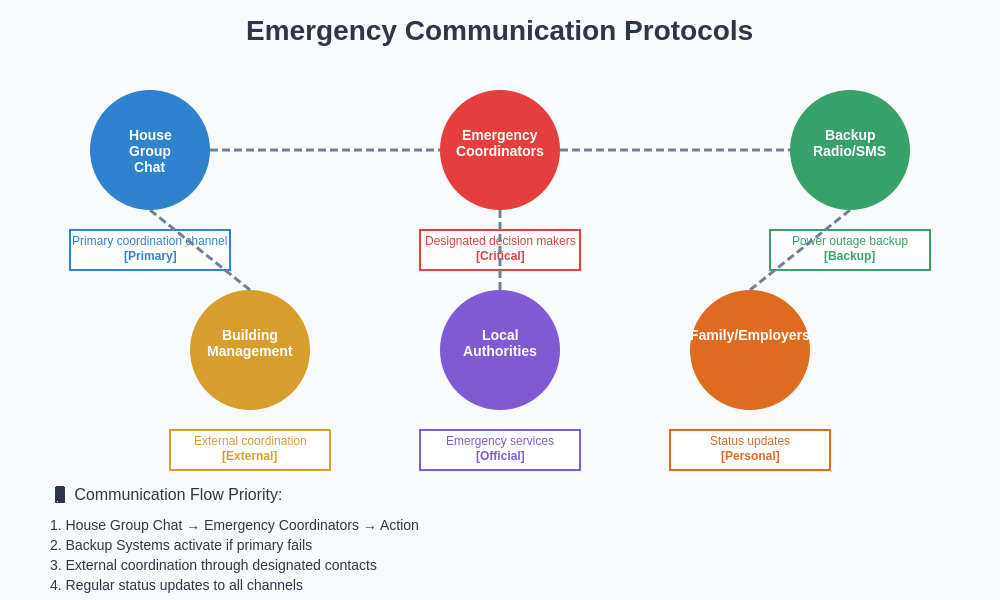
Emergency contact systems within sharehouses need redundant communication methods that function even when primary infrastructure fails, including designated emergency coordinators, backup communication devices, and predetermined check-in procedures. How emergency communication plans often fail highlights common weaknesses in sharehouse emergency protocols that can be addressed through systematic group planning.
Resource allocation planning requires detailed inventories of emergency supplies, clear agreements about shared versus personal emergency items, and fair distribution systems that prevent conflicts during crisis situations. The coordination of bulk purchasing for emergency supplies offers cost advantages while ensuring adequate preparation levels across all residents.
Evacuation procedures must account for the complexity of coordinating multiple residents with different mobility needs, language capabilities, and family obligations that may affect their ability to follow standard evacuation protocols. Why emergency evacuation plans are often unclear demonstrates how poor coordination leads to dangerous confusion during actual emergency situations.
Building Effective Communication Systems
Communication breakdowns during typhoon events can transform manageable situations into dangerous emergencies, making robust communication systems essential for successful group coordination in sharehouse environments. The establishment of multiple communication channels ensures information flow continues even when primary systems fail due to power outages or network disruptions.
Language diversity in international sharehouses requires communication protocols that accommodate varying Japanese proficiency levels while ensuring critical safety information reaches all residents clearly and promptly. Translation systems, multilingual emergency cards, and culturally appropriate communication methods help bridge language gaps during high-stress situations.
Real-time information sharing systems must provide updates on weather conditions, transportation status, utility outages, and safety concerns that affect all residents while avoiding information overload that can create panic or confusion. How cultural communication styles create misunderstandings becomes particularly relevant when coordinating emergency responses among diverse resident populations.
Technology-based communication solutions including group messaging apps, emergency alert systems, and backup communication devices provide essential redundancy while requiring coordinated setup and maintenance by all residents. The integration of multiple communication methods ensures information accessibility regardless of individual technology preferences or device availability.
Coordinating Resource Management and Sharing
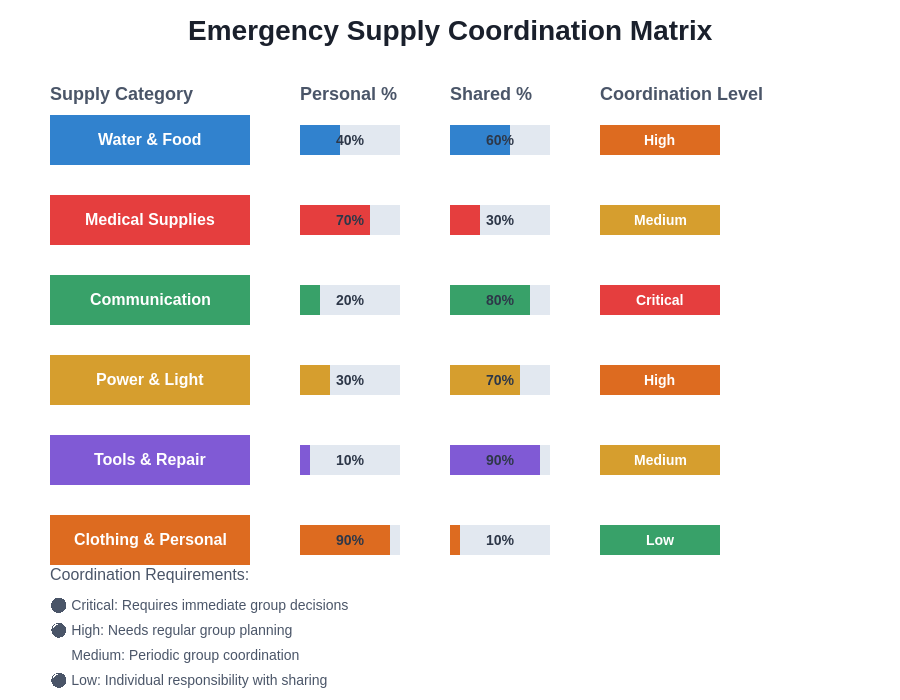
Typhoon preparedness resource management in sharehouses involves complex coordination of individual versus shared supplies, fair cost distribution, and equitable access during emergency situations that require advance planning and clear agreements among all residents. The efficiency of bulk purchasing and shared storage must balance cost savings with individual needs and preferences.
Emergency supply categories requiring group coordination include water storage systems, non-perishable food supplies, medical equipment, lighting and power solutions, and communication devices that benefit from standardized purchasing and maintenance. How group buying power reduces individual costs principles apply directly to emergency preparedness while ensuring adequate supplies for extended typhoon events.
Storage space allocation for emergency supplies requires systematic organization that provides rapid access during emergencies while preventing supplies from deteriorating or becoming inaccessible. The designation of emergency storage areas and clear labeling systems helps residents quickly locate needed items during high-stress situations.
Inventory management systems track supply expiration dates, usage during emergencies, and replacement needs that ensure continuous preparedness while preventing waste and unnecessary expense. Regular inventory checks and rotation schedules maintain supply freshness while familiarizing residents with available resources and their locations.
Establishing Clear Roles and Responsibilities
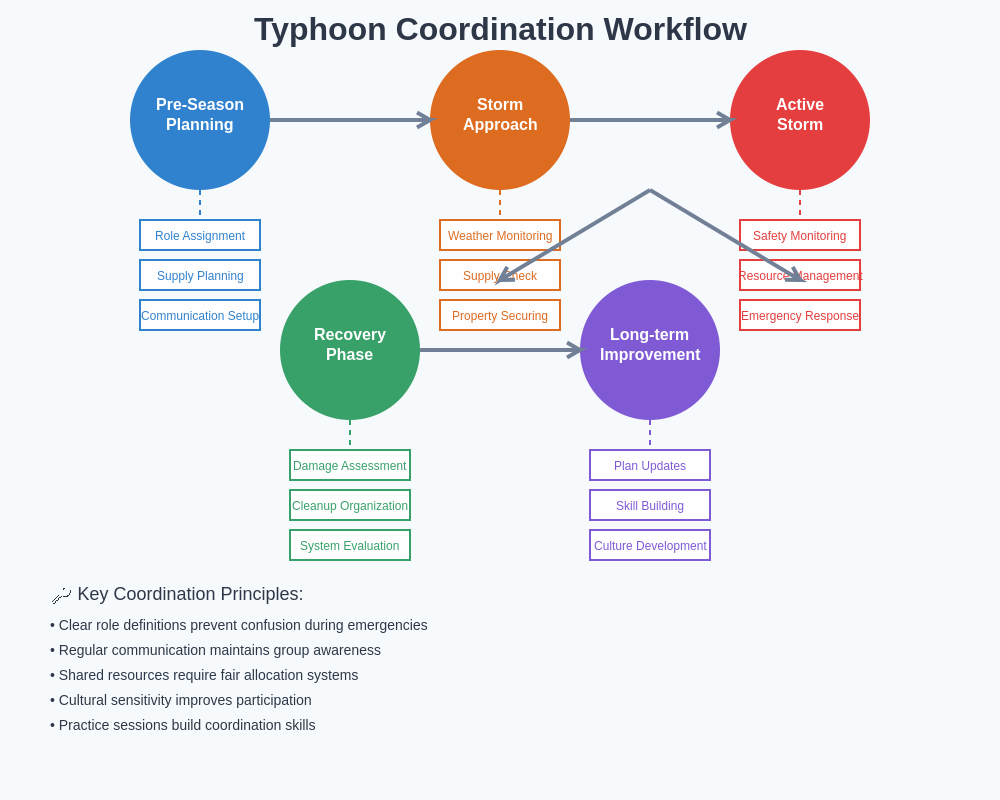
Successful typhoon preparedness coordination requires clearly defined roles that utilize individual residents’ skills and availability while ensuring all critical functions have designated responsible parties and backup coverage. The assignment of specific responsibilities prevents duplication of effort while ensuring comprehensive coverage of all necessary preparedness activities.
Leadership structure during emergencies must balance democratic decision-making with the need for rapid response that can save lives and prevent property damage. Why some residents become unofficial leaders provides insights into natural leadership emergence that can be channeled into effective emergency coordination systems.
Skill-based role assignments leverage residents’ professional backgrounds, language abilities, and personal experiences to maximize group preparedness effectiveness. Medical professionals, engineers, teachers, and others with relevant expertise can contribute specialized knowledge while learning from housemates with different skill sets.
Backup responsibility systems ensure continuity of essential functions when primary role holders are unavailable due to work obligations, travel, or other commitments that might coincide with typhoon events. Cross-training residents in multiple roles creates resilient emergency response capabilities that adapt to changing circumstances.
Managing Pre-Storm Preparation Activities
The coordination of pre-storm preparation activities requires systematic approaches that efficiently utilize available time while ensuring all critical tasks receive adequate attention from appropriate residents. The timing of preparation activities must account for weather forecasts, supply availability, and residents’ work schedules that may conflict with optimal preparation windows.
Property protection measures including securing loose items, protecting windows, checking drainage systems, and preparing backup power sources require coordinated effort and shared responsibility for common areas. Why some buildings lack environmental features becomes relevant when assessing building vulnerabilities that require resident-coordinated mitigation efforts.
Supply procurement coordination ensures adequate emergency supplies while preventing over-purchasing that wastes money and storage space. Group shopping trips and online ordering coordination can secure better prices while ensuring fair cost sharing among all residents.
Communication with external parties including building management, local authorities, family members, and employers requires coordination to prevent conflicting information and ensure all residents meet their external obligations while prioritizing safety. How emergency contact systems work in practice provides frameworks for managing external communication requirements.
During-Storm Coordination and Safety Protocols
Active typhoon periods demand heightened coordination as residents navigate changing conditions, resource consumption, and potential emergencies that require immediate collaborative response. The maintenance of communication and decision-making systems during power outages and extreme weather conditions tests the effectiveness of preparedness planning.
Safety monitoring systems require designated residents to track weather conditions, building integrity, utility status, and resident welfare through regular check-ins and observation protocols. The early identification of developing problems allows coordinated responses before situations become dangerous emergencies.
Resource management during extended typhoon events involves rationing shared supplies, coordinating cooking and eating arrangements, managing water usage, and maintaining sanitation standards under potentially degraded conditions. How water quality varies by building age becomes critical when normal water systems face typhoon-related disruptions.
Emergency response protocols for medical situations, structural damage, flooding, or other typhoon-related crises require clear procedures and designated responders who can act quickly while coordinating with appropriate authorities. The practice of emergency scenarios helps residents respond effectively under actual crisis conditions.
Post-Storm Recovery and Assessment
Recovery coordination following typhoon events involves systematic damage assessment, resource inventory, cleanup organization, and community healing that can strengthen sharehouse bonds while addressing immediate practical needs. The efficiency of recovery efforts often determines how quickly residents can return to normal routines and prevent secondary problems.
Damage assessment requires coordinated inspection of personal rooms, common areas, building systems, and surrounding property to identify problems requiring immediate attention versus those that can be addressed systematically. What security deposits actually cover in sharehouses becomes relevant when determining responsibility for typhoon-related damages.
Cleanup coordination organizes residents’ efforts efficiently while ensuring fair work distribution and safety during potentially hazardous cleanup activities. The organization of specialized cleanup tasks based on residents’ abilities and availability prevents injury while maximizing progress toward normalcy.
Recovery resource management includes food replacement, supply restocking, repair coordination, and insurance claim preparation that benefit from group coordination and shared information. Understanding utility bills in Japanese sharehouses provides context for understanding typhoon-related utility disruptions and recovery costs.
Building Long-term Preparedness Culture
Sustainable typhoon preparedness requires ongoing commitment from all residents to maintain emergency systems, update plans based on experience, and integrate new residents into established preparedness protocols. The development of preparedness culture transforms emergency planning from periodic activities into routine aspects of sharehouse life.
Regular preparedness activities including supply rotation, plan updates, skill development, and system testing ensure continuous readiness while building familiarity with emergency procedures among all residents. How residents develop better communication skills occurs naturally through consistent preparedness activities that require collaboration and clear communication.
Knowledge transfer systems help new residents quickly integrate into established emergency protocols while contributing their own skills and perspectives to improve overall preparedness. The documentation of successful preparedness practices and lessons learned from actual typhoon events creates institutional knowledge that benefits future residents.
Community building through preparedness activities strengthens relationships among residents while developing mutual trust and cooperation that benefits all aspects of sharehouse life. Making friends through Tokyo sharehouse communities often occurs through shared challenges and collaborative problem-solving during emergency preparation and response.
Overcoming Common Coordination Challenges
Coordination challenges in sharehouse typhoon preparedness often stem from cultural differences, varying commitment levels, resource conflicts, and communication barriers that require systematic approaches and ongoing attention from all residents. How conflict resolution styles differ by culture provides valuable insights for managing disagreements about preparedness priorities and responsibilities.
Motivation differences among residents can create unequal participation in preparedness activities that undermines overall effectiveness and creates resentment among more committed participants. The development of fair contribution systems and recognition of different forms of participation helps maintain group cohesion while ensuring adequate preparedness levels.
Resource conflicts over preparedness spending, storage space, and emergency supply access require clear agreements and dispute resolution procedures that maintain community harmony while protecting individual interests. The establishment of transparent decision-making processes helps prevent conflicts while ensuring fair treatment of all residents.
Cultural sensitivity in emergency planning acknowledges different cultural approaches to risk assessment, authority relationships, and community responsibility that can affect participation in group preparedness activities. Understanding and accommodating cultural differences strengthens overall coordination while respecting individual backgrounds and preferences.
The investment in coordinated typhoon preparedness ultimately pays dividends far beyond emergency response, creating stronger communities, improved communication skills, and enhanced mutual support that enriches daily sharehouse life. Residents who experience successful coordination during typhoon preparation often develop lasting friendships and improved conflict resolution abilities that benefit all aspects of shared living. The skills developed through emergency coordination translate into better cooperation on routine household management, creating positive cycles of community improvement and mutual support.
Disclaimer
This article is for informational purposes only and does not constitute professional emergency management or safety advice. Typhoon preparedness requirements may vary by location, building type, and local regulations. Readers should consult local authorities, building management, and professional emergency services for specific guidance relevant to their situation. The effectiveness of coordination strategies may vary depending on resident composition, building characteristics, and actual emergency conditions.