Living as a vegetarian in Tokyo sharehouses presents unique challenges that extend far beyond simple dietary preferences, creating complex social, cultural, and practical obstacles that can significantly impact daily life and community integration. The intersection of Japanese food culture, shared living dynamics, and individual dietary choices creates a particularly complicated environment where vegetarian residents often find themselves navigating unexpected limitations and compromises that weren’t apparent during their initial sharehouse search and decision-making process.
The challenges faced by vegetarian sharehouse residents in Tokyo reflect deeper cultural patterns and practical realities that influence everything from grocery shopping strategies to social participation in house activities. Understanding these limitations helps both prospective residents make informed decisions about their living arrangements and current residents develop effective coping strategies that maintain their dietary principles while fostering positive community relationships within their shared living environment.
Cultural Food Expectations in Japanese Society
Japanese food culture traditionally centers around ingredients and preparation methods that incorporate fish, meat, and animal-derived products as fundamental components rather than optional additions, creating an environment where vegetarian alternatives often feel like afterthoughts rather than legitimate culinary choices. Living with Japanese roommates in Tokyo sharehouses reveals how these cultural expectations can influence daily interactions and meal-sharing opportunities within international living communities.
The concept of vegetarianism in Japan differs significantly from Western interpretations, with many Japanese residents considering fish-based dishes as acceptable vegetarian options, leading to frequent misunderstandings and communication challenges when explaining dietary requirements to housemates, property managers, and local vendors. This cultural disconnect creates ongoing friction in shared living spaces where meal planning, grocery shopping, and cooking responsibilities require constant clarification and negotiation.
Traditional Japanese cooking techniques rely heavily on dashi broth made from bonito flakes or other fish-based ingredients, making seemingly vegetarian dishes contain hidden animal products that complicate ingredient identification and meal preparation in shared kitchens. How dietary restrictions complicate meal planning explores how these hidden ingredients create unexpected challenges for residents attempting to maintain strict vegetarian diets while participating in communal cooking activities.
The social aspect of food sharing in Japanese culture creates additional pressure for vegetarian residents who may feel excluded from traditional communal meals or obligated to compromise their dietary principles to maintain harmonious relationships with housemates who view food sharing as essential for community bonding and cultural exchange.
Limited Ingredient Availability and Shopping Constraints
Tokyo’s retail food landscape, while extensive and sophisticated, often prioritizes convenience foods, prepared meals, and traditional ingredients that cater to mainstream Japanese dietary preferences rather than specialized vegetarian requirements, creating significant challenges for residents who rely on specific plant-based proteins, alternatives, and specialty items that may be expensive, difficult to locate, or entirely unavailable in neighborhood stores.
How convenience store proximity affects daily costs highlights how sharehouse residents often depend on nearby convenience stores for daily food needs, but these establishments typically offer extremely limited vegetarian options beyond basic vegetables and rice, forcing residents to travel longer distances and spend additional time and transportation costs to access suitable ingredients for their dietary requirements.
Specialty vegetarian products such as plant-based meat alternatives, nutritional yeast, specific types of cheese alternatives, and protein-rich legumes often require visits to international supermarkets or specialized health food stores that may be located far from sharehouse neighborhoods, making regular shopping trips expensive and time-consuming endeavors that strain both budgets and daily schedules.
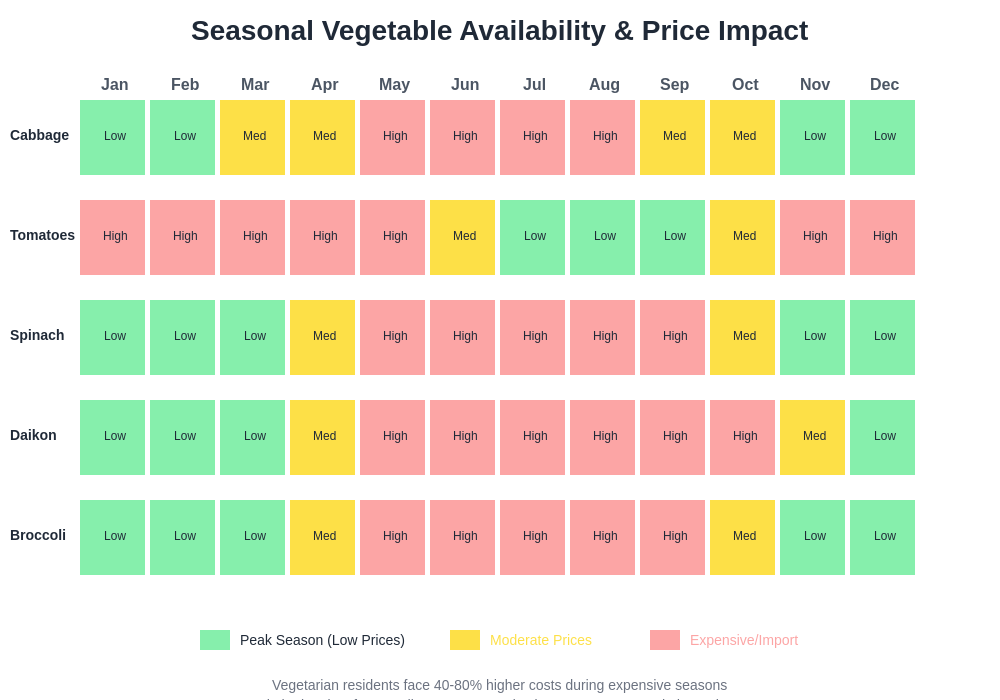
The seasonal availability of certain vegetables and the higher costs associated with organic or specialty produce create additional budget pressures for vegetarian residents who cannot rely on cheaper meat-based proteins that form the foundation of many housemates’ meal planning strategies. How bulk shopping changes in shared living demonstrates how group purchasing power often fails to benefit vegetarian residents whose ingredient needs differ significantly from the majority.
Language barriers compound shopping difficulties when ingredient labels, product descriptions, and staff communications require translation to identify suitable vegetarian options, particularly for processed foods where animal-derived ingredients may be listed using unfamiliar Japanese terminology that requires extensive research to understand completely.
Shared Kitchen Politics and Equipment Limitations
Shared kitchen environments in Tokyo sharehouses create complex dynamics around equipment usage, storage space allocation, and cooking time scheduling that particularly disadvantage vegetarian residents whose meal preparation often requires longer cooking times, specialized equipment, and different storage requirements compared to conventional Japanese meal preparation methods that emphasize quick cooking techniques and minimal ingredient lists.
Kitchen politics actually work in Japanese sharehouses reveals how competing demands for prime cooking times, refrigerator space, and popular equipment create ongoing tensions that can marginalize residents with specialized dietary needs who require extended preparation periods for legume cooking, vegetable processing, and meal batch preparation that supports their nutritional requirements.
Cross-contamination concerns create additional complications in shared cooking spaces where the same cutting boards, knives, pans, and cooking surfaces are used for both meat and vegetarian preparation, requiring vegetarian residents to either compromise their standards, invest in personal equipment sets, or engage in extensive cleaning protocols that may irritate housemates who view such precautions as excessive or unnecessary.
How cleaning responsibilities create house drama illustrates how vegetarian residents’ additional cleaning requirements and equipment needs can contribute to household tensions, particularly when their cooking methods produce more dishes, require longer cleanup times, or involve ingredients that create stronger odors or more complex cleaning challenges.
Storage limitations become particularly problematic for vegetarian residents who often need to maintain larger quantities of dried goods, grains, legumes, and specialty ingredients that require proper storage containers and dedicated space allocation that may not align with typical sharehouse storage arrangements designed for residents with conventional dietary patterns.
Social Isolation from Food-Centered Activities
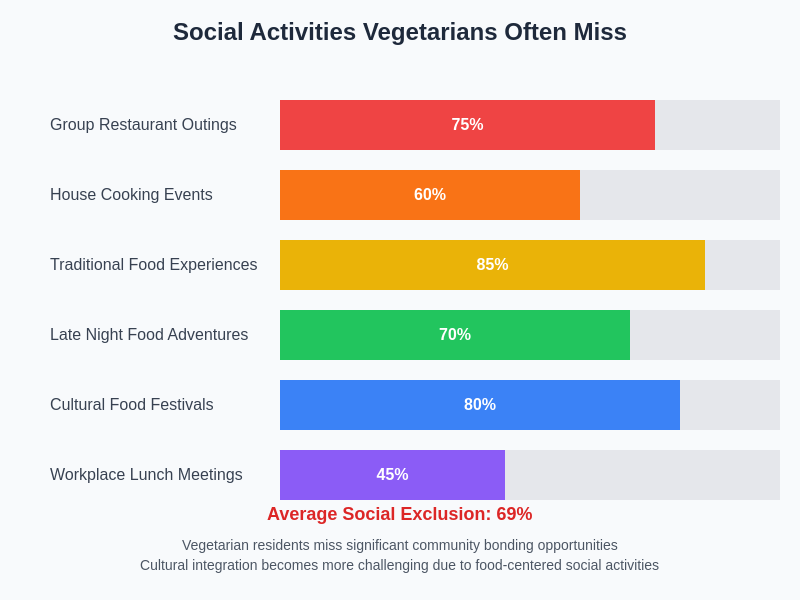
Japanese social culture heavily emphasizes group dining experiences, food sharing, and communal meal preparation as primary bonding activities, creating situations where vegetarian residents may feel excluded from important social interactions that strengthen house community relationships and facilitate cultural exchange opportunities that represent significant value propositions for international sharehouse living.
Making friends through Tokyo sharehouse communities explores how meal-related social activities often serve as primary relationship-building opportunities, but vegetarian residents may find themselves unable to participate fully in group cooking projects, restaurant outings, or traditional Japanese food experiences that their housemates consider essential cultural activities.
House parties, celebrations, and special events frequently center around food preparation and sharing that may not accommodate vegetarian requirements, leading to situations where residents either miss important social gatherings or attend but cannot fully participate in the central activity, creating subtle but persistent feelings of exclusion that can impact long-term community integration and friendship development.
How celebration styles differ by culture demonstrates how food-centered celebrations common in Japanese culture and international sharehouse communities create recurring situations where vegetarian residents must navigate between maintaining their dietary principles and participating in community-building activities that strengthen house relationships.
The expectation of reciprocal cooking and meal sharing creates additional pressure for vegetarian residents who may struggle to prepare dishes that appeal to non-vegetarian housemates, potentially leading to perceptions of being less generous or community-minded when their dietary restrictions prevent them from contributing popular meal options to shared dining experiences.
Economic Impact of Specialized Dietary Requirements
The financial implications of maintaining a vegetarian diet in Tokyo sharehouses extend beyond simple ingredient costs to encompass transportation expenses for specialty shopping, higher per-unit costs for alternative protein sources, and the inability to benefit from bulk purchasing arrangements that favor residents with conventional dietary patterns, creating ongoing budget pressures that can significantly impact overall living affordability.
Living costs in Tokyo sharehouses explained reveals how dietary restrictions can substantially increase monthly food expenses, with vegetarian residents often spending 20-40% more on groceries compared to housemates who can take advantage of cheaper meat-based proteins and conventional Japanese ingredients available at neighborhood stores and discount retailers.
The inability to participate in group meal purchases and bulk buying arrangements that typically provide significant cost savings for sharehouse residents means vegetarian individuals often shoulder higher per-meal costs while also missing opportunities to build relationships through collaborative shopping and meal planning activities that serve both economic and social functions within house communities.
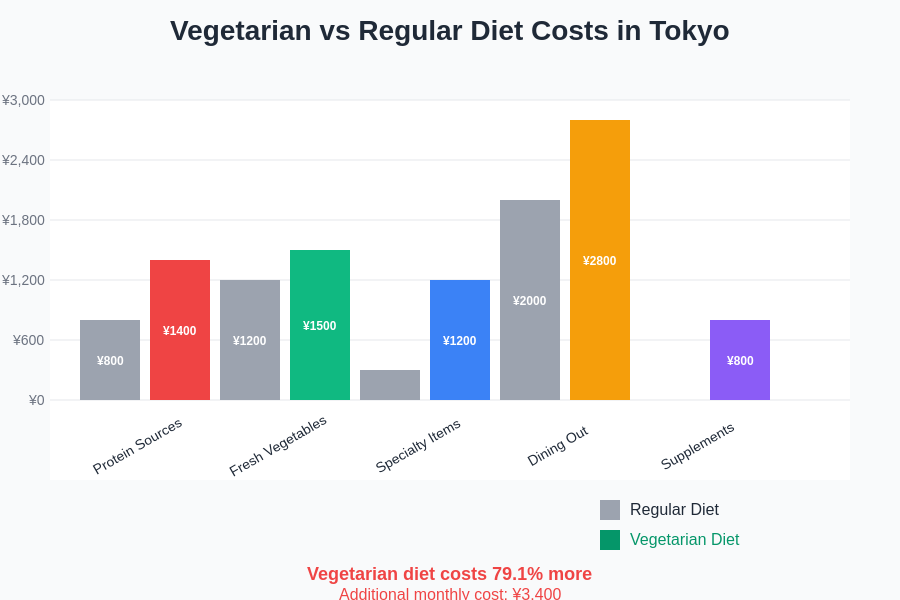
Restaurant dining costs become particularly challenging for vegetarian residents who may need to choose more expensive establishments that offer suitable options, or travel to specific neighborhoods with vegetarian-friendly restaurants, rather than joining housemates at convenient local eateries that may have limited or non-existent vegetarian selections, effectively increasing social dining expenses significantly.
How group buying power reduces individual costs illustrates how vegetarian residents often cannot benefit from collective purchasing strategies that provide substantial savings for other residents, creating economic disadvantages that compound over time and may influence decisions about housing duration and budget allocation.
Language Barriers in Ingredient Identification
Navigating Japanese food labels, restaurant menus, and ingredient lists presents ongoing challenges for vegetarian residents who must develop specialized vocabulary and cultural knowledge to identify hidden animal products, understand preparation methods, and communicate dietary requirements effectively to vendors, restaurant staff, and even housemates who may not fully comprehend the complexity of vegetarian dietary restrictions.
How language barriers complicate legal documents extends to food-related communications where misunderstandings about dietary requirements can lead to accidental consumption of animal products, social awkwardness, and ongoing frustration with daily meal planning and social eating situations that require constant vigilance and explanation.
Technical terminology for food additives, processing methods, and ingredient origins often requires specialized dictionary resources or translation applications that may not always provide accurate information about whether specific products meet vegetarian standards, creating ongoing uncertainty and requiring extensive research for routine food purchasing decisions.
Communication with housemates about dietary needs requires cultural sensitivity and language skills that go beyond basic conversational Japanese, particularly when explaining concepts that may not have direct cultural equivalents or when requesting accommodations that might seem unusual or excessive to residents from different cultural backgrounds.
The need to repeatedly explain vegetarian requirements in various social and commercial situations creates fatigue and social stress that can impact overall quality of life and community integration, particularly for residents whose Japanese language skills are still developing or who feel uncomfortable drawing attention to their dietary differences.
Alternative Protein Source Accessibility
Tokyo’s food retail landscape provides limited access to diverse, affordable plant-based protein sources that vegetarian residents require for nutritionally balanced meals, with many traditional protein alternatives either unavailable, prohibitively expensive, or requiring significant preparation time that conflicts with busy work and study schedules common among sharehouse residents.
Tofu varieties available in local supermarkets often lack the diversity and quality that vegetarian residents accustomed to Western markets might expect, while other soy-based products, legumes, and alternative protein sources may require visits to specialized stores or online ordering that increases both costs and planning complexity for regular meal preparation.
How food storage rules impact your eating habits becomes particularly relevant for vegetarian residents who often need to store larger quantities of dried goods, grains, and legumes that require proper storage conditions and adequate space allocation that may not align with typical sharehouse storage policies or available space.
The preparation time required for many plant-based protein sources, such as soaking and cooking dried legumes, preparing tempeh, or marinating tofu, conflicts with the quick meal preparation patterns typical in busy sharehouse environments where residents often rely on fast-cooking ingredients and minimal preparation methods that fit around work and study commitments.
Nutritional balance becomes a more complex consideration for vegetarian residents who must carefully plan protein combinations and nutrient intake without the convenience of complete protein sources readily available in meat-based diets, requiring more extensive meal planning knowledge and preparation time than many sharehouse residents can realistically maintain.
Seasonal Availability and Cost Fluctuations
Japan’s strong seasonal food culture creates varying availability and dramatic cost fluctuations for vegetables and plant-based ingredients that form the foundation of vegetarian diets, making budget planning and meal consistency challenging throughout the year as residents must adapt to changing ingredient availability and pricing that can significantly impact monthly food expenses.
How seasonal employment affects payment ability parallels how seasonal food costs affect vegetarian residents who may face periods of significantly higher grocery expenses when their preferred vegetables are out of season, requiring either budget flexibility or dietary adaptations that may compromise nutritional goals or meal satisfaction.
Winter months particularly challenge vegetarian residents as fresh vegetable variety decreases while prices increase, forcing greater reliance on processed foods, preserved vegetables, or imported produce that may not align with budget constraints or quality expectations established during more favorable seasons.
Traditional Japanese seasonal eating patterns emphasize ingredients and preparation methods that may not align with vegetarian requirements, creating situations where residents feel disconnected from local food culture and seasonal celebrations that could otherwise provide valuable cultural learning experiences and community bonding opportunities.
The cyclical nature of ingredient availability requires vegetarian residents to develop more complex meal planning skills and storage strategies compared to housemates who can rely on consistently available meat and fish options that form stable foundations for year-round meal planning approaches.
Restaurant and Social Dining Limitations
Tokyo’s restaurant landscape, while incredibly diverse, often presents limited vegetarian options even in establishments that appear plant-friendly, with many dishes containing hidden fish-based broths, meat-derived seasonings, or preparation methods that compromise vegetarian standards, creating ongoing challenges for social dining situations that are central to sharehouse community building and cultural exploration.
Dating while living in Tokyo sharehouses becomes more complicated for vegetarian residents who must consider restaurant selections and dining options when developing social relationships, potentially limiting spontaneous dining opportunities and requiring advance planning that may not align with casual social interactions common in sharehouse environments.
Group dining experiences with housemates often involve restaurants selected for convenience, price, or popularity rather than dietary accommodation, leading vegetarian residents to either miss social opportunities or attend gatherings where they have limited food options, potentially creating social awkwardness and recurring feelings of exclusion from important community bonding activities.
The traditional Japanese concept of group ordering and sharing dishes creates additional complications in restaurant situations where vegetarian residents may not be able to participate fully in communal dining styles that emphasize trying multiple dishes and sharing food experiences that represent important cultural and social elements of Japanese dining culture.
Business dining and professional networking opportunities that extend from sharehouse connections may also present challenges for vegetarian residents whose dietary requirements could complicate work-related social interactions and professional relationship building that represent valuable career development opportunities for international residents.
Cooking Time and Preparation Conflicts
Vegetarian meal preparation often requires longer cooking times, more extensive ingredient preparation, and different cooking techniques compared to typical Japanese meal preparation methods, creating scheduling conflicts in shared kitchens where multiple residents compete for prime cooking times and equipment access during busy evening hours when most residents return from work or study commitments.
How meal timing affects kitchen access becomes particularly relevant for vegetarian residents who may need extended cooking periods for legume preparation, grain cooking, or vegetable processing that conflicts with housemates’ expectations for quick meal preparation and efficient kitchen turnover during peak usage times.
The batch cooking approach often employed by vegetarian residents to manage time constraints and ensure adequate protein preparation requires significant kitchen space and extended cooking periods that may not align with sharehouse kitchen policies or social expectations about shared space usage and consideration for other residents’ cooking needs.
Complex vegetarian recipes that require multiple cooking stages, specialized techniques, or careful timing create additional challenges in shared environments where interruptions, equipment availability, and space constraints can compromise meal quality and preparation efficiency, leading to frustration and potential dietary compromises.
Morning preparation requirements for certain vegetarian ingredients, such as soaking grains or preparing fermented foods, require coordination with housemates and advance planning that may conflict with spontaneous meal decisions or busy morning routines common among working and studying residents.
Long-term Health and Nutritional Considerations
Maintaining adequate nutrition as a vegetarian in Tokyo sharehouses requires more extensive planning, knowledge, and resource allocation compared to conventional diets, with particular attention needed for protein combining, vitamin B12 supplementation, iron absorption, and other nutritional factors that become more complex when ingredient access is limited and meal preparation time is constrained by shared living conditions.
How living in sharehouses affects your taxes extends to health-related expenses that vegetarian residents may incur through supplement costs, specialized food purchases, and potential healthcare needs related to nutritional monitoring that represent additional financial considerations beyond basic living expenses.
The stress associated with constant dietary navigation, social exclusion, and meal planning complexity can impact overall mental health and well-being, particularly for residents who are simultaneously managing cultural adaptation, language learning, and professional or academic pressures that characterize the international sharehouse experience in Tokyo.
Limited access to familiar comfort foods and culturally appropriate vegetarian options can contribute to homesickness and cultural adjustment difficulties that affect overall satisfaction with the sharehouse experience and long-term residence plans in Japan.
Regular monitoring of nutritional status becomes more important for vegetarian residents facing ingredient limitations and preparation constraints, potentially requiring healthcare consultations, blood tests, or supplement adjustments that represent additional time and financial commitments in an already complex living situation.
The challenges faced by vegetarian residents in Tokyo sharehouses represent a complex intersection of cultural differences, practical limitations, and social dynamics that require careful consideration during housing selection and ongoing adaptation strategies throughout the residency period. Understanding these limitations enables both prospective residents to make informed decisions about their housing choices and current residents to develop effective coping mechanisms that maintain dietary principles while fostering positive community relationships.
Success as a vegetarian in Tokyo sharehouses requires flexibility, cultural sensitivity, advance planning, and strong communication skills, along with realistic expectations about the compromises and additional efforts required to maintain dietary preferences while fully participating in the international community experience that represents the primary value proposition of sharehouse living in Japan’s dynamic capital city.
Disclaimer
This article is for informational purposes only and does not constitute medical, nutritional, or professional advice. Dietary requirements and restrictions vary by individual, and readers should consult with healthcare professionals regarding their specific nutritional needs. The experiences described may vary significantly depending on individual circumstances, specific sharehouse communities, and personal adaptation strategies. Market conditions, ingredient availability, and cultural attitudes toward vegetarianism in Japan may change over time.