
The evolution of remote work culture has fundamentally transformed how professional interactions occur, placing unprecedented importance on video conference backgrounds that were once considered trivial details. For residents living in Tokyo sharehouses, this technological shift has created complex challenges around privacy, professionalism, and personal space management that extend far beyond simple aesthetic preferences. Understanding why video conference backgrounds matter more than ever before becomes essential for maintaining career advancement opportunities while navigating the realities of shared living environments.
The intersection of shared living spaces and professional video communication has created a unique set of considerations that affect everything from career prospects to personal relationships within sharehouse communities. Remote work considerations in sharehouses highlight the growing importance of digital presentation skills that complement traditional work capabilities while addressing the practical limitations of shared living environments.
The Professional Impact of Background Choices
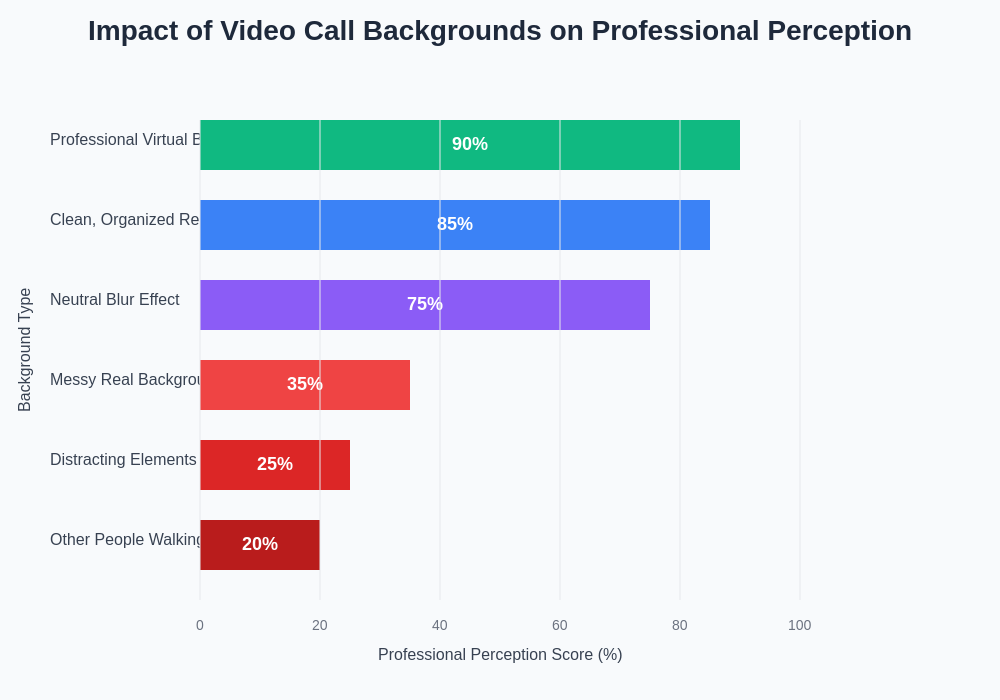
Video conference backgrounds serve as silent ambassadors for your professional competence, organizational skills, and attention to detail that clients, colleagues, and supervisors evaluate consciously and subconsciously during every virtual interaction. The background visible during video calls communicates messages about your living situation, financial stability, cultural awareness, and professional priorities that can significantly influence career advancement opportunities and business relationship development.
Research in organizational psychology demonstrates that environmental cues visible during virtual meetings affect perceptions of competence, trustworthiness, and leadership potential more dramatically than participants typically recognize. Professional image considerations in sharehouses become particularly crucial for international residents whose cultural backgrounds may already create additional scrutiny regarding their professional capabilities and long-term commitment to Japanese business environments.
The subtle yet powerful influence of visual presentation extends beyond immediate meeting outcomes to affect long-term professional relationships, promotion considerations, and business development opportunities that accumulate over time. Colleagues and clients form lasting impressions based on consistency in professional presentation, with backgrounds serving as evidence of personal standards and attention to detail that reflect broader work quality and reliability.
Privacy Challenges in Shared Living Environments
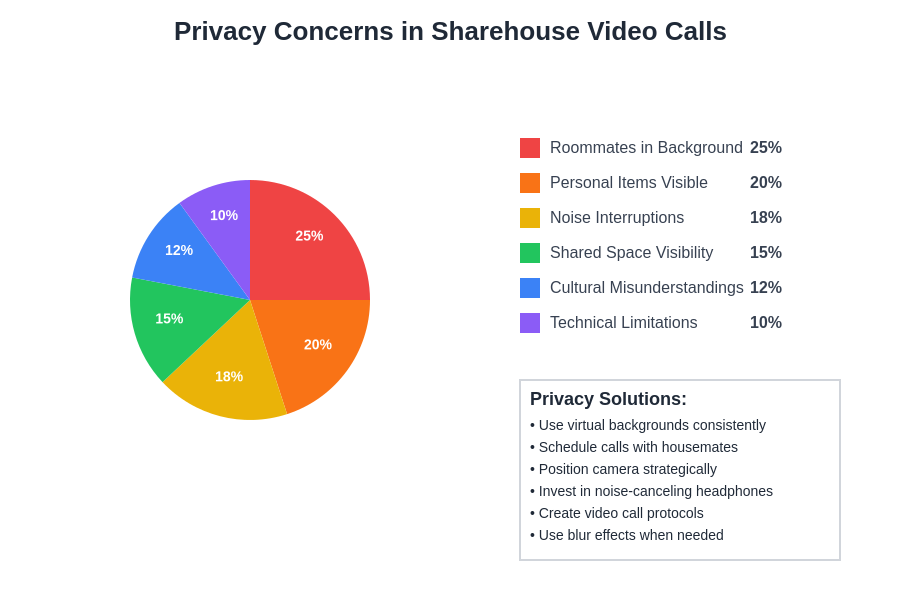
Sharehouse living creates inherent privacy challenges during video conferences that extend beyond personal comfort to include legal, cultural, and interpersonal considerations affecting all residents within the shared space. Privacy management in shared spaces becomes increasingly complex when professional obligations require regular video communication that potentially exposes other residents to unwanted visibility or disrupts household activities.
The physical layout of most Tokyo sharehouses provides limited soundproofing and visual barriers that make complete privacy during video calls practically impossible without strategic background management and scheduling coordination. Common areas, hallways, and adjacent rooms often become inadvertently visible during professional calls, creating potential embarrassment for housemates who may appear unexpectedly in professional communications or whose personal activities become inadvertently broadcast to business contacts.
Cultural sensitivity around privacy expectations varies significantly among international sharehouse residents, with some cultures viewing video call interruptions as normal social interaction while others consider such intrusions serious breaches of professional boundaries. Understanding and respecting these cultural differences while maintaining professional video call standards requires proactive communication and establishing clear household protocols around video conference scheduling and space usage.
Legal considerations around consent and image rights become relevant when housemates appear in business video calls without explicit permission, potentially creating liability issues for residents conducting professional meetings from shared spaces. Privacy protection strategies in sharehouses help establish boundaries that protect all residents while enabling necessary professional communication.
Technical Solutions and Background Technologies
Modern video conferencing platforms offer sophisticated background replacement technologies that range from simple blur effects to sophisticated virtual environments, each presenting unique advantages and limitations for sharehouse residents managing professional communication needs. Understanding the technical capabilities and limitations of different background solutions enables strategic selection of tools that balance privacy protection, professional presentation, and system performance requirements.
Artificial intelligence-powered background replacement systems analyze real-time video feeds to distinguish between human subjects and environmental elements, replacing backgrounds while maintaining natural edge detection and movement tracking. However, these systems require significant processing power that can strain older computers or shared internet connections common in budget-friendly sharehouses, potentially creating technical difficulties during important professional meetings.
Green screen technologies provide superior background replacement quality but require dedicated physical space and lighting conditions that may be impractical in small sharehouse rooms with limited natural light or shared wall space. Technology limitations in sharehouses often restrict residents’ ability to implement optimal technical solutions for professional video communication, requiring creative workarounds and compromises.
Virtual background libraries and custom image creation tools enable personalization of professional presentation while maintaining privacy and avoiding distracting environmental elements. However, the selection and customization of appropriate backgrounds requires understanding of color theory, cultural sensitivity, and professional norms that vary across industries and international business contexts.
Cultural Considerations and International Perspectives
International business communication involves complex cultural expectations around appropriate visual presentation, personal space display, and professional environment standards that vary significantly across different countries and corporate cultures. Cross-cultural communication in sharehouses provides insights into navigating cultural differences that extend to professional video presentation expectations and background appropriateness.
Japanese business culture traditionally emphasizes environmental harmony, attention to detail, and respect for shared spaces that translate into specific expectations around video conference presentation and background selection. Understanding these cultural nuances becomes essential for international residents conducting business with Japanese companies or clients who may interpret background choices as indicators of cultural sensitivity and professional adaptation to local business practices.
Western corporate cultures may prioritize individual expression and personal branding through background selection, while other international business contexts emphasize minimalism, formality, or specific symbolic elements that communicate cultural awareness and respect. Cultural adaptation strategies in sharehouses help residents develop sensitivity to these varying expectations while maintaining authentic professional presentation.
The globalization of remote work has created new hybrid expectations that blend traditional cultural norms with emerging digital communication standards, requiring professionals to navigate multiple cultural contexts simultaneously during international video conferences. Understanding how to adapt background choices for different audiences while maintaining consistent professional branding becomes a crucial skill for career advancement in international business environments.
Space Management and Scheduling Considerations
Effective video conference background management requires strategic coordination of physical space usage, scheduling alignment with housemates, and optimization of limited room configurations that characterize most Tokyo sharehouse environments. Space optimization in sharehouses becomes essential for creating professional video call environments within constrained living spaces shared with multiple residents.
Scheduling conflicts arise when multiple residents require video call privacy simultaneously, particularly during peak business hours that overlap across different time zones for international remote workers. Establishing household protocols for video call scheduling, space reservation, and background noise management helps prevent conflicts while ensuring all residents can maintain professional obligations without compromising housemate relationships.
Room layout optimization involves strategic furniture arrangement, lighting management, and background element positioning that creates professional video call environments while maintaining functional living space for daily activities. Room configuration strategies in sharehouses help residents maximize limited space for both professional and personal needs without permanent modifications that violate house rules or damage deposits.
Shared bandwidth considerations affect video call quality and background processing capabilities, particularly when multiple residents conduct simultaneous video conferences or stream entertainment content. Internet usage management in sharehouses provides strategies for coordinating high-bandwidth activities while maintaining professional video call quality and background functionality.
Psychological Impact and Personal Branding
Video conference backgrounds significantly influence personal confidence, professional self-perception, and psychological comfort during virtual interactions that can affect communication effectiveness and career development outcomes. Mental health considerations in sharehouses extend to the psychological impact of professional presentation and the stress associated with maintaining appropriate video call environments in shared living spaces.
Personal branding through background selection enables professionals to communicate expertise, cultural awareness, and industry knowledge while building memorable visual associations that distinguish them from colleagues and competitors. However, effective personal branding requires consistent message alignment between background choices, professional goals, and audience expectations that can be challenging to maintain across diverse sharehouse living situations and varying technical capabilities.
The psychological pressure to maintain perfect video call environments can create additional stress for sharehouse residents who already navigate complex social dynamics, privacy limitations, and cultural adaptation challenges. Understanding how to balance professional presentation needs with realistic living situation constraints helps prevent burnout while maintaining career advancement opportunities.
Confidence building through strategic background management can improve overall professional communication effectiveness, public speaking comfort, and leadership presence during virtual meetings. Confidence development in sharehouses demonstrates how mastering technical and environmental challenges can contribute to broader personal and professional development outcomes.
Economic Implications and Investment Considerations
Professional video conference setup represents a strategic investment in career development that can yield significant returns through improved business opportunities, enhanced professional relationships, and increased earning potential over time. Investment priorities for sharehouse residents help evaluate the cost-benefit analysis of various background solution options relative to other financial priorities and constraints.
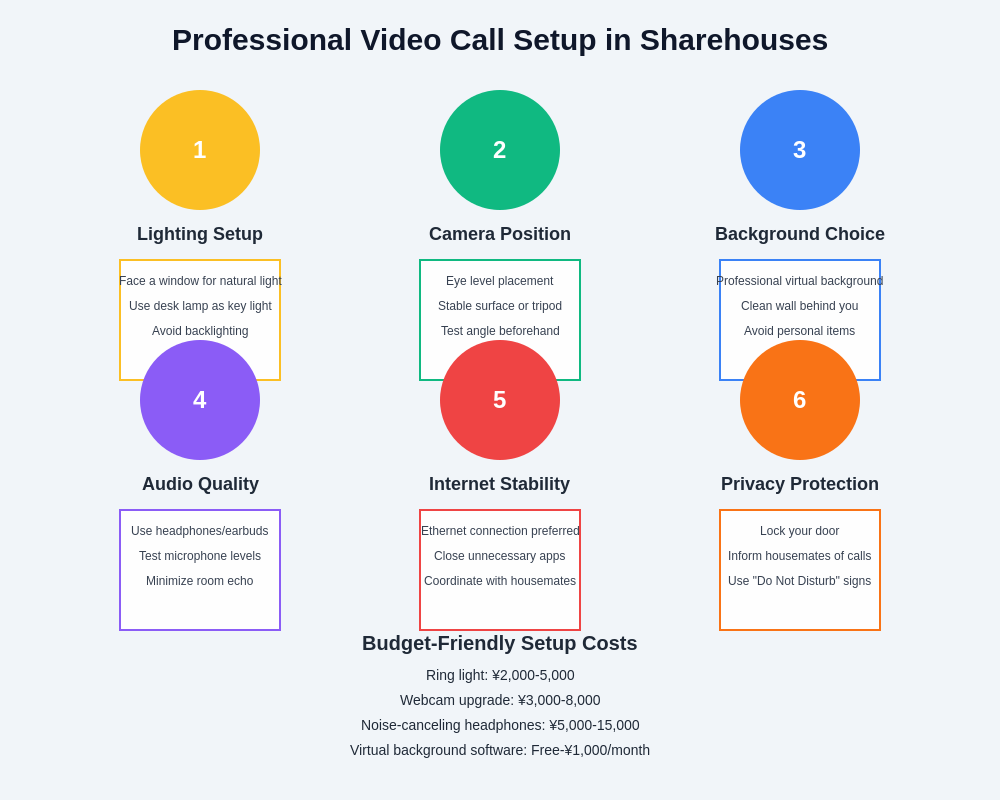
The cost of professional video conference equipment, software subscriptions, and space optimization modifications can range from minimal expenses for basic virtual backgrounds to significant investments in high-quality cameras, lighting systems, and acoustical treatments. Understanding which investments provide the greatest return on professional presentation improvement helps residents make strategic decisions within limited budgets and temporary living situations.
Shared equipment arrangements with housemates can reduce individual costs while providing access to higher-quality video conference solutions than individual budgets might allow. However, sharing professional equipment requires careful coordination, usage protocols, and maintenance responsibilities that can create interpersonal complications if not properly managed.
Long-term career impact calculations should consider the cumulative effect of professional presentation quality on promotion opportunities, salary negotiations, and business development success that can far exceed the initial investment costs in video conference background solutions. Career advancement strategies for sharehouse residents provide broader context for evaluating video presentation investments as part of overall professional development planning.
Future Trends and Technological Evolution
Emerging technologies in video conferencing continue to expand capabilities for background management, privacy protection, and professional presentation that will further increase the importance of strategic background selection and management skills. Understanding anticipated technological developments helps residents make investment decisions and skill development priorities that remain relevant as video communication technology evolves.
Artificial intelligence integration in video conferencing platforms will likely provide more sophisticated background replacement options, automatic lighting optimization, and intelligent privacy protection features that reduce technical complexity while improving professional presentation quality. However, these advanced features may require newer hardware or premium software subscriptions that create accessibility barriers for budget-conscious sharehouse residents.
Virtual and augmented reality integration in professional communication will create new opportunities for immersive background environments and collaborative virtual spaces that transform traditional video conferencing paradigms. Technology adoption in sharehouses provides insights into how emerging technologies integrate into shared living environments and affect resident experiences.
The continuing evolution of remote work culture will likely place even greater emphasis on video presentation skills and background management capabilities as virtual communication becomes increasingly sophisticated and expectations for professional presentation continue to rise. Developing expertise in video conference background management represents a forward-thinking investment in professional skills that will remain relevant and valuable throughout the continuing digital transformation of workplace communication.
The significance of video conference backgrounds extends far beyond simple aesthetic preferences to encompass privacy protection, professional advancement, cultural sensitivity, and psychological well-being considerations that profoundly impact sharehouse residents’ daily lives and long-term success. Understanding and strategically managing these factors creates opportunities for enhanced professional presentation, improved career prospects, and more harmonious sharehouse living experiences that benefit both individual residents and the broader household community.
Disclaimer
This article is for informational purposes only and does not constitute professional advice regarding workplace policies, technology investments, or legal matters. Video conferencing requirements and professional presentation standards may vary by industry, company, and cultural context. Readers should consult with relevant professionals and review their specific workplace policies when implementing video conference background strategies. Technology capabilities and costs mentioned may change over time.