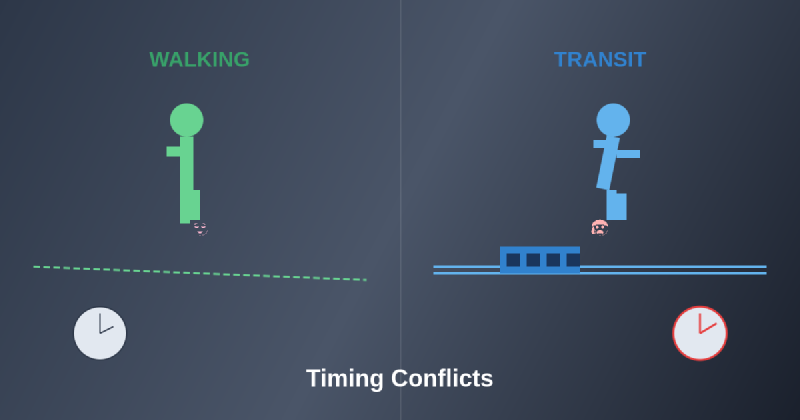
The seemingly simple choice between walking and using public transportation reveals itself as one of the most persistent sources of timing conflicts and social friction within Tokyo sharehouses. This fundamental lifestyle difference extends far beyond individual preference, creating ripple effects that influence everything from morning bathroom schedules to evening social activities, ultimately shaping the entire rhythm and harmony of shared living spaces in ways that many residents never anticipate until they experience the daily frustrations firsthand.
The transportation preferences of sharehouse residents reflect deeper philosophical differences about time management, physical activity, financial priorities, and lifestyle values that often remain hidden during initial introductions but emerge forcefully during the practical realities of coordinated daily living. Understanding these dynamics becomes essential for maintaining household harmony and preventing minor scheduling differences from escalating into major relationship conflicts that can destroy the positive community atmosphere that makes sharehouse living attractive in the first place.
The Psychology Behind Transportation Preferences
Individual transportation choices in Tokyo stem from complex psychological factors that influence how residents perceive time, value physical activity, prioritize financial resources, and approach daily stress management. How commute times impact your quality of life explores the broader implications of these decisions on overall life satisfaction and mental well-being within the context of shared living arrangements.
Walking enthusiasts often embrace a slower, more contemplative approach to daily movement that prioritizes physical health, environmental consciousness, and cost savings over speed and convenience. These residents typically build extra time into their schedules, enjoy the meditative aspects of pedestrian navigation, and view their commute as an opportunity for exercise, observation, and mental preparation for the day ahead rather than simply a necessary transportation function.
Transit-dependent residents generally prioritize efficiency, predictability, and time optimization in their daily routines, viewing public transportation as an essential tool for maximizing productivity and maintaining precise scheduling control. These individuals often operate on tighter timeframes, rely heavily on train schedules for daily structure, and become frustrated when walking-pace planning disrupts their carefully orchestrated movement patterns throughout the city.
The fundamental disconnect between these approaches creates ongoing tension when residents attempt to coordinate shared activities, travel together to events, or maintain synchronized household schedules that accommodate everyone’s preferred movement patterns while respecting individual autonomy and lifestyle choices.
Morning Routine Coordination Challenges
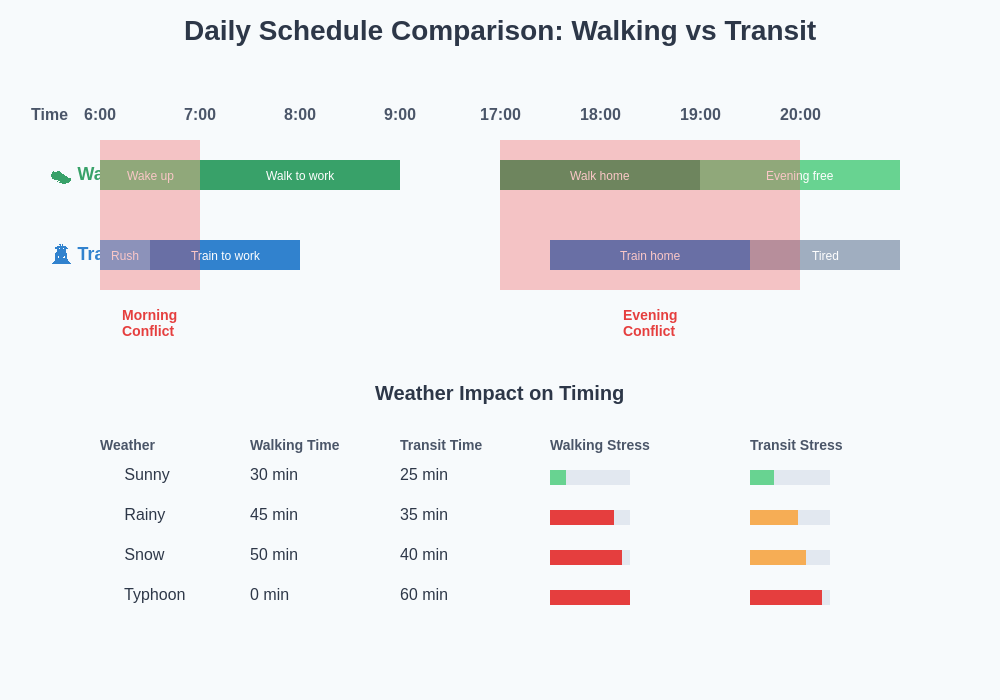
The morning hours represent the most intense period of timing conflicts between walking and transit preferences, as different transportation approaches require dramatically different preparation schedules, departure windows, and bathroom usage patterns that must somehow coexist within the limited infrastructure of shared living spaces. Why morning bathroom queues are inevitable in sharehouses examines how these timing differences compound existing resource scarcity issues.
Walking commuters typically maintain more flexible morning schedules with earlier wake-up times, longer preparation periods, and buffer time for weather adjustments or spontaneous route changes. Their relaxed approach to departure timing often conflicts with the precise scheduling needs of transit users who must align their movements with specific train departures, creating tension when shared resources like bathrooms, kitchens, or laundry facilities become bottlenecks during peak morning hours.
Transit users operate under strict time constraints dictated by train schedules, rush hour capacity, and connection timing that leaves little room for delays or accommodation of slower-moving housemates. When walking-preference residents occupy shared facilities during critical departure windows, the resulting delays can cascade through entire daily schedules, affecting work punctuality, meeting attendance, and overall stress levels for time-sensitive commuters.
The bathroom scheduling conflicts that emerge from these different timing patterns often escalate beyond simple inconvenience into serious household disputes that require mediation, rule establishment, and sometimes even administrative intervention from property management companies to maintain basic functionality and resident satisfaction within the shared living environment.
Evening Return Timing Complications
Evening coordination presents equally challenging timing issues as residents attempt to synchronize dinner preparations, social activities, and household responsibilities while operating on fundamentally different arrival schedules and energy levels determined by their chosen transportation methods throughout the day. How late-night transportation limits social life explores how these patterns affect community building and relationship development.
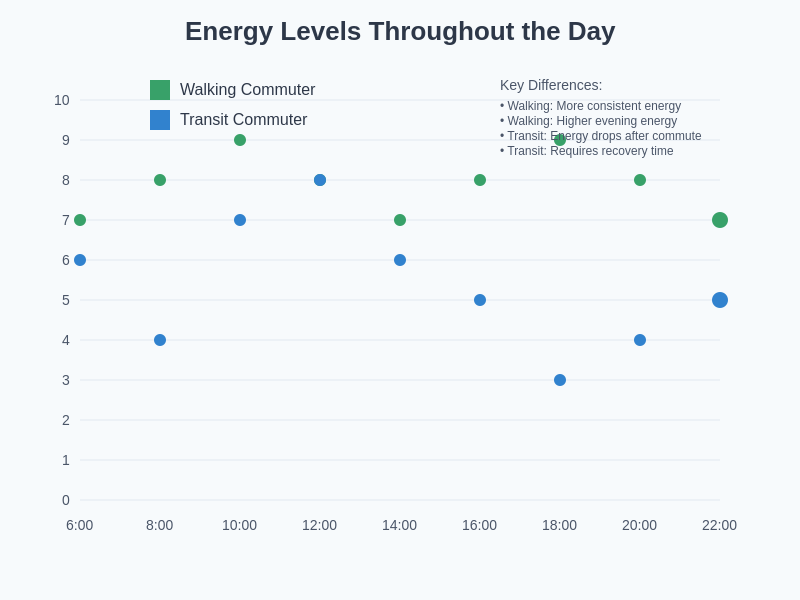
Walking commuters often arrive home with higher energy levels and more flexible timing, having incorporated physical activity into their transportation routine and avoided the stress and crowding associated with public transit during peak hours. Their readiness to engage in social activities and household tasks immediately upon arrival can create pressure and guilt for transit users who return home exhausted from crowded trains and require decompression time before participating in community activities.
Transit-dependent residents frequently experience delayed arrivals due to service disruptions, overcrowding, or extended commute times that make precise evening scheduling nearly impossible. Why transportation strikes disrupt daily life illustrates how these systemic issues compound individual scheduling challenges and create ongoing uncertainty for household planning and coordination efforts.
The energy differential between walking and transit commuters becomes particularly pronounced during evening meal preparation, when active walkers eager to cook and socialize encounter exhausted train users who prefer quiet solitude and minimal interaction, creating atmospheric tension that affects the entire household’s social dynamics and communal enjoyment.
Social Activity Planning Conflicts
Group activity coordination becomes exponentially more complex when participants operate with different transportation preferences and timing assumptions, leading to constant negotiation, compromise, and often resentment when individual preferences cannot be accommodated within group decision-making processes. Making friends through Tokyo sharehouse communities addresses how these logistical challenges can impede relationship building and community development.
Walking enthusiasts typically prefer activities that allow for leisurely travel, flexible timing, and spontaneous route changes, while transit users gravitate toward events with precise scheduling, known departure and return times, and efficient transportation connections. These fundamental differences in planning preferences create ongoing friction during activity selection, departure coordination, and return scheduling that can exclude individuals or fragment group participation.
The financial implications of transportation choices further complicate social planning, as walking advocates may resist activities that require expensive transit fees while transit users might avoid walking-intensive destinations that exceed their physical comfort zones or time availability. Living costs in Tokyo sharehouses explained examines how these budget differences affect social participation and community inclusion within shared living environments.
Meeting point negotiations often become contentious when group members cannot agree on locations that accommodate both walking accessibility and transit convenience, leading to complex compromise solutions that satisfy no one completely and create ongoing dissatisfaction with social planning processes and community participation opportunities.
Weekend and Holiday Schedule Disruptions
Weekend periods intensify transportation timing conflicts as residents attempt to maximize leisure time while coordinating household responsibilities, social activities, and personal errands that require different planning approaches and time allocations based on individual transportation preferences and lifestyle priorities. How holiday seasons increase homesickness explores how these coordination challenges can affect emotional well-being during important social periods.
Transit schedules operate differently during weekends and holidays, with reduced frequency, altered routes, and service disruptions that force normally transit-dependent residents to adopt alternative transportation methods or significantly adjust their timing expectations. Walking-preference residents often feel vindicated during these periods while transit users experience frustration and scheduling chaos that affects their ability to participate in planned activities and maintain social commitments.
Holiday periods compound these issues when special events, increased crowds, and transportation service changes create unpredictable timing variables that require constant adaptation and communication among housemates attempting to coordinate shared activities or travel plans. How cultural festivals affect house activities examines how these seasonal variations impact household dynamics and community participation.
The seasonal weather variations in Tokyo create additional complications as walking becomes less attractive during rainy seasons, extreme heat, or cold periods, forcing temporary adoption of transit methods that disrupt established routines and require coordination adjustments that may not accommodate everyone’s preferences or physical capabilities.
Financial Impact and Budget Tensions
Transportation cost differences between walking and transit use create subtle but persistent financial tensions within sharehouse communities, particularly when residents attempt to coordinate group activities or share transportation expenses that affect individual budgets differently based on their preferred movement methods. How to budget realistically for sharehouse living addresses these financial planning considerations within shared living contexts.
Walking enthusiasts often operate with lower transportation budgets and may feel excluded from activities that require significant transit expenses, while transit users factor regular transportation costs into their monthly budgets and may resent pressure to walk longer distances to accommodate cost-conscious housemates. These budget disparities create ongoing negotiation challenges during activity planning and expense sharing discussions.
The hidden costs associated with each transportation method extend beyond obvious fare differences to include weather gear, comfortable walking shoes, backup transportation options, and time opportunity costs that affect overall living expenses and lifestyle choices in ways that become apparent only through extended cohabitation experience and budget tracking.
Monthly budget planning becomes complicated when residents cannot predict transportation expenses due to coordination requirements with housemates who have different preferred methods, leading to financial stress and planning difficulties that affect overall satisfaction with sharehouse living arrangements and community participation levels.
Weather-Related Coordination Challenges
Tokyo’s dramatic seasonal weather variations create significant timing and coordination challenges as transportation preferences shift based on weather conditions, forcing residents to adapt their routines, negotiate alternative arrangements, and accommodate changing needs that may conflict with established household patterns and individual preferences. How weather affects transportation choices explores these adaptive strategies and their community implications.
Rainy season periods particularly disrupt established transportation patterns as walking becomes impractical or uncomfortable, forcing normally pedestrian residents to compete for limited umbrella storage, seek transit alternatives, or remain house-bound during activities they would normally attend. These seasonal adaptations require household flexibility and mutual accommodation that can strain relationships and create temporary inconveniences for all residents.
Extreme temperature periods affect both walking and transit users differently, with heat waves making walking unbearable while simultaneously creating overcrowded, uncomfortable train conditions that affect arrival timing, energy levels, and social availability for all transportation methods. How summer heat makes small rooms unbearable examines how weather impacts extend beyond transportation into overall living comfort.
Winter conditions create safety concerns for walking enthusiasts while potentially disrupting transit schedules through weather-related delays, requiring contingency planning and backup coordination that complicates household scheduling and creates additional stress during already challenging seasonal periods that affect mood and community dynamics.
Cultural and Generational Differences
Transportation preferences often reflect deeper cultural backgrounds and generational attitudes toward physical activity, environmental responsibility, technology adoption, and time management that create ongoing friction within internationally diverse sharehouse communities where residents bring different expectations and values to shared living arrangements. How cultural differences affect friendship building addresses these underlying diversity challenges.
Younger residents typically embrace app-based navigation, flexible scheduling, and spontaneous activity changes that complement walking-based exploration, while older residents may prefer predictable transit schedules and established routines that provide structure and reliability in their daily movement patterns. These generational differences create ongoing negotiation challenges during activity planning and household coordination discussions.
International cultural backgrounds influence attitudes toward punctuality, group coordination, and individual versus collective decision-making that affect how transportation timing conflicts are perceived, discussed, and resolved within household communities that must balance individual preferences with group harmony and mutual accommodation requirements.
Environmental consciousness levels vary among residents and influence transportation choices in ways that create philosophical conflicts beyond practical timing issues, particularly when eco-minded walking advocates clash with convenience-focused transit users over household sustainability practices and community values that extend beyond simple transportation preferences into broader lifestyle philosophy differences.
Health and Physical Capability Considerations
Physical fitness levels, health conditions, and mobility limitations create legitimate differences in transportation capabilities that must be accommodated within household coordination efforts while maintaining sensitivity to individual needs and avoiding discrimination or exclusion based on physical differences that residents may not feel comfortable discussing openly. How age differences impact sharehouse compatibility explores these accommodation challenges.
Walking advocates often assume universal physical capability and may inadvertently exclude residents with mobility issues, chronic fatigue, or health conditions that make extensive walking difficult or impossible. These assumptions can create feelings of exclusion and resentment that damage community relationships and reduce participation in group activities and household coordination efforts.
Physical fitness enthusiasts who prefer walking for exercise purposes may become frustrated with less active housemates who choose transit for convenience or necessity, creating subtle pressure and judgment that affects household atmosphere and individual comfort levels with personal health and fitness choices within the shared living environment.
Seasonal health variations such as allergies, weather sensitivity, or temporary injuries require flexible accommodation that may disrupt established transportation coordination patterns and require temporary adjustments that test household adaptability and mutual support systems during challenging periods when individual needs conflict with group preferences.
Technology Integration and Communication Solutions
Modern technology offers various solutions for coordinating transportation timing conflicts, but adoption and usage patterns vary among residents based on technological comfort levels, privacy preferences, and willingness to share personal scheduling information that could help resolve coordination challenges while potentially creating new sources of conflict and monitoring concerns. How smart home features change daily routines examines technological integration in shared living spaces.
Shared calendar applications and coordination apps can help residents communicate transportation plans and timing needs, but require universal adoption and ongoing maintenance that may become burdensome or create exclusion for less technologically inclined housemates who prefer verbal communication and spontaneous coordination over digital scheduling systems.
Real-time transportation apps provide valuable information for both walking and transit users, but different preferences for advance planning versus spontaneous decision-making create conflicts when some residents require detailed scheduling while others prefer flexible, last-minute coordination that accommodates changing weather, energy levels, or social opportunities.
Communication technology solutions must balance coordination efficiency with privacy concerns, as residents may not want to share detailed movement patterns, arrival times, or personal scheduling information with housemates while still needing to coordinate shared activities and household responsibilities that require some level of timing communication and mutual accommodation.
Long-term Relationship Impact and Resolution Strategies
Persistent transportation timing conflicts can seriously damage household relationships and community cohesion when left unaddressed, requiring proactive communication, compromise strategies, and sometimes administrative intervention to maintain livable conditions and prevent minor scheduling differences from escalating into major disputes that affect everyone’s quality of life and satisfaction with shared living arrangements. How to handle roommate conflicts without moving out provides strategies for addressing these ongoing tensions.
Successful resolution requires acknowledging that transportation preferences reflect deeper values and lifestyle choices rather than simple convenience decisions, demanding mutual respect and accommodation that goes beyond surface-level scheduling adjustments to address underlying differences in time management, financial priorities, and daily routine philosophy that affect all aspects of shared living coordination.
Establishing household communication protocols for transportation coordination can help prevent conflicts by creating clear expectations, advance notice systems, and backup planning procedures that accommodate different preferences while maintaining flexibility for changing circumstances and individual needs that evolve over time and seasonal variations.
Long-term household success depends on developing cultural norms that respect individual transportation autonomy while maintaining community coordination for shared activities, requiring ongoing negotiation and adaptation as residents change, seasons shift, and external circumstances affect transportation options and household dynamics in ways that demand continuous attention and mutual accommodation efforts.
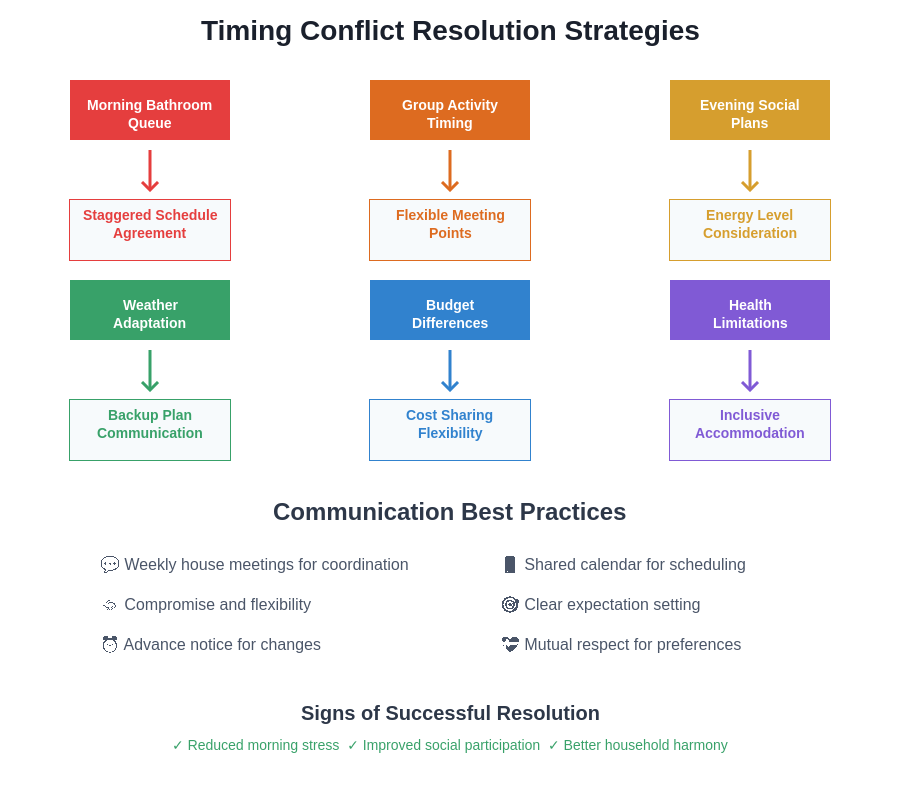
The resolution of walking versus transit timing conflicts ultimately requires recognizing these differences as opportunities for community building rather than sources of division, encouraging residents to learn from alternative approaches while maintaining their personal preferences and contributing to household harmony through understanding, communication, and mutual respect for diverse lifestyle choices that enrich rather than fragment shared living experiences.
Disclaimer
This article is for informational purposes only and reflects general observations about sharehouse living dynamics in Tokyo. Individual experiences may vary significantly based on specific household compositions, transportation infrastructure, and personal circumstances. Readers should approach transportation coordination challenges with patience, communication, and respect for diverse preferences when living in shared accommodations. The effectiveness of suggested strategies may depend on specific situations and resident relationships.