Water quality testing in Tokyo sharehouses has evolved from an optional precaution into an essential health and safety measure that directly impacts the wellbeing of international residents who often lack awareness of Japan’s complex water infrastructure challenges. The assumption that all water in developed countries maintains consistent quality standards can prove dangerously naive when applied to older buildings, aging pipe systems, and shared living facilities that may harbor contamination sources invisible to the naked eye.
The consequences of neglecting water quality assessment extend far beyond simple taste preferences or aesthetic concerns, encompassing serious health risks that can manifest through skin irritation, digestive issues, respiratory problems, and long-term exposure effects that may not become apparent until significant damage has already occurred. Understanding why water quality testing becomes necessary empowers sharehouse residents to protect their health while making informed decisions about their living environment and daily consumption habits.
The Hidden Dangers of Aging Building Infrastructure
Tokyo’s building infrastructure spans multiple decades of construction, with many sharehouses occupying converted structures that predate modern water safety regulations and quality control standards. Living with Japanese roommates in Tokyo sharehouses often reveals cultural differences in water safety awareness, where international residents may discover that local practices don’t always align with their home country’s safety expectations.
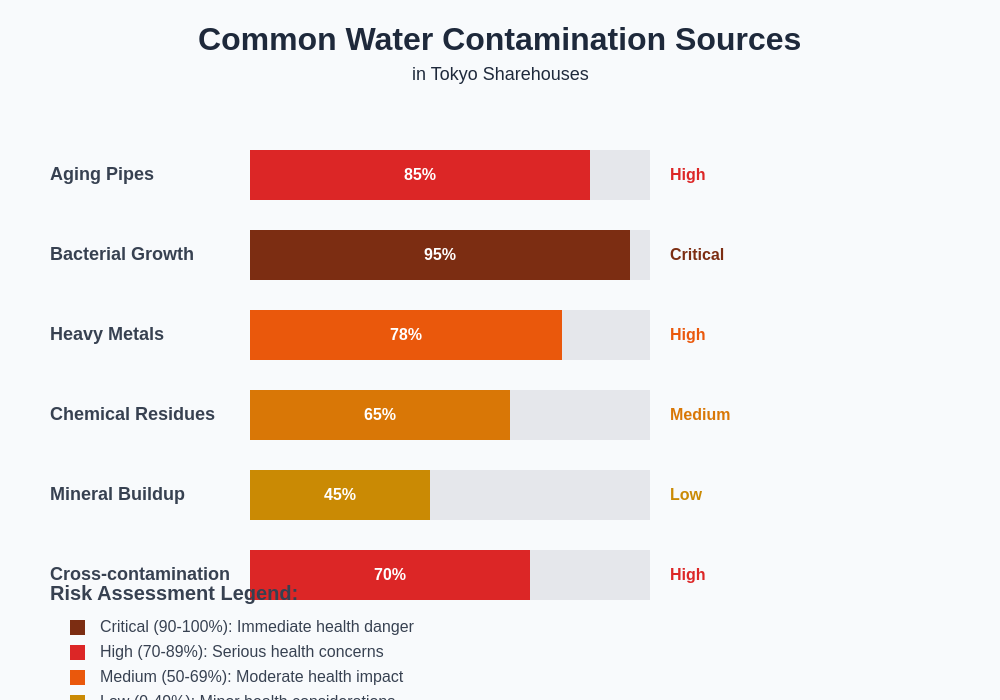
Older buildings frequently contain galvanized steel pipes, copper fittings, and lead-based solder joints that can leach heavy metals into the water supply over time, creating contamination levels that exceed safe consumption thresholds without producing obvious warning signs through taste, odor, or visual appearance. The gradual deterioration of these materials accelerates in buildings with inconsistent maintenance schedules or cost-cutting management approaches that prioritize short-term savings over resident safety.
Shared plumbing systems in sharehouses create additional complexity layers where contamination from one unit can affect multiple residents, while inadequate water pressure, irregular flow patterns, and stagnant water conditions in rarely used fixtures provide breeding grounds for bacterial growth and biofilm development that standard cleaning practices cannot effectively eliminate.
The interaction between Tokyo’s municipal water treatment chemicals and aging pipe materials can produce unexpected chemical reactions that generate byproducts not present in the original water supply, requiring specialized testing to identify compounds that may pose health risks despite meeting basic safety standards at the treatment facility level.
Understanding Tokyo’s Municipal Water Challenges
Tokyo’s municipal water system faces unique challenges stemming from high population density, industrial contamination sources, seasonal weather variations, and complex distribution networks that can introduce quality inconsistencies between different neighborhoods and building types. Best Tokyo neighborhoods for sharehouse living often correlate with areas that have received more recent infrastructure upgrades and improved water quality monitoring systems.
The city’s reliance on surface water sources, including rivers and reservoirs that receive runoff from urban and industrial areas, requires extensive chemical treatment processes that can leave residual chlorine, fluoride, and other additives at concentrations that sensitive individuals may find problematic for daily consumption and personal care activities.
Seasonal variations in source water quality, particularly during rainy seasons when agricultural runoff and urban pollution increase, can result in temporary spikes in contaminant levels that exceed normal treatment capacity and require additional chemical interventions that may affect taste, odor, and potential health impacts for residents with compromised immune systems or chemical sensitivities.
The distribution network’s complexity creates opportunities for contamination introduction through cross-connections, backflow incidents, and system maintenance activities that may temporarily compromise water quality in specific areas without triggering widespread public notification or warning systems that would alert individual building managers or residents.
Health Implications of Contaminated Water Exposure
The health consequences of consuming or using contaminated water extend across multiple body systems and can manifest through acute symptoms that appear immediately after exposure or chronic conditions that develop gradually through sustained contact with low-level contaminants that accumulate in body tissues over time. How illness spreads faster in sharehouses demonstrates how shared water sources can amplify health risks across entire residential communities.
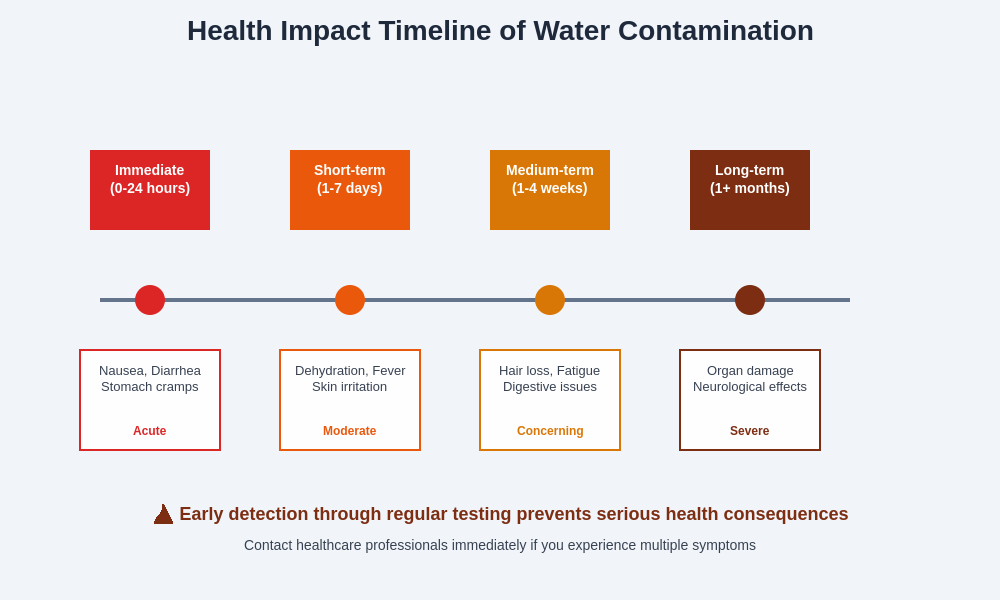
Gastrointestinal symptoms including nausea, diarrhea, stomach cramps, and vomiting often represent the most immediate and recognizable signs of bacterial or parasitic water contamination, while chemical pollutants may produce more subtle effects such as headaches, fatigue, skin irritation, and respiratory difficulties that residents may attribute to other environmental factors or lifestyle stresses.
Heavy metal contamination from deteriorating pipe systems can cause neurological symptoms, developmental problems, and organ damage that may not become apparent for months or years after initial exposure, making early detection through regular testing critical for preventing irreversible health consequences that could affect cognitive function, reproductive health, and overall life quality.
Skin and hair problems frequently develop from exposure to chlorinated water, mineral buildup, and chemical additives that strip natural oils, cause dryness and irritation, and may trigger allergic reactions or worsen existing dermatological conditions that require medical treatment and lifestyle modifications to manage effectively.
Specific Contaminants Common in Sharehouse Water Systems
Bacterial contamination represents one of the most immediate and dangerous threats in shared water systems, with Legionella, E. coli, and coliform bacteria thriving in warm, stagnant conditions found in water heaters, rarely used fixtures, and poorly maintained distribution lines that can cause severe illness or death in vulnerable populations.
Heavy metals including lead, copper, mercury, and cadmium leach from aging pipes, fixtures, and fittings at rates that increase with water temperature, acidity levels, and contact time, creating particularly high concentrations in morning water that has remained in contact with pipe materials overnight or during periods of low usage.
Chemical contaminants encompass chlorine byproducts, industrial solvents, pesticide residues, and pharmaceutical compounds that can persist through standard treatment processes and accumulate in building water systems, creating complex contamination profiles that require specialized testing methods to identify and quantify accurately.
How water filter maintenance gets neglected explains how inadequate filtration system maintenance can actually increase contamination risks by creating breeding grounds for bacteria and concentrating pollutants that pass through compromised filter media.
Mineral buildup from hard water conditions can harbor bacteria, create taste and odor problems, and interfere with soap effectiveness and appliance operation, while also indicating potential pipe deterioration and chemical imbalances that may affect water safety and quality in ways that simple taste tests cannot detect.
The Economics of Water Quality Testing
The cost-benefit analysis of regular water quality testing strongly favors proactive monitoring when compared to potential medical expenses, property damage, and quality of life impacts associated with contaminated water exposure. Living costs in Tokyo sharehouses explained should include water quality testing as a essential health and safety expense rather than an optional luxury.
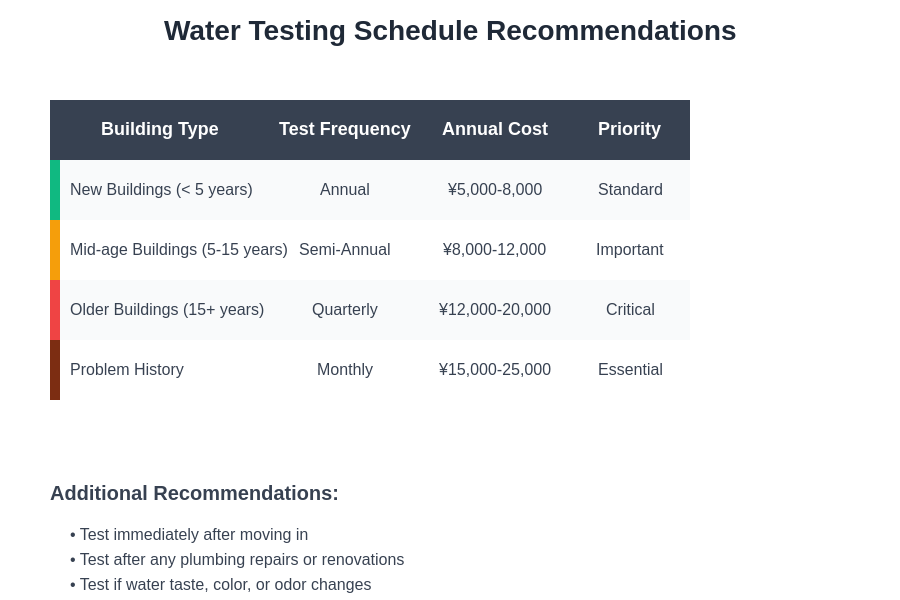
Basic water testing kits available through online retailers and local hardware stores typically cost between 3,000 to 8,000 yen and can identify common contaminants including bacteria, heavy metals, chlorine levels, pH balance, and hardness indicators that provide valuable baseline information about water safety and quality conditions.
Professional laboratory testing services offer more comprehensive analysis including specific bacterial identification, precise contaminant quantification, and specialized testing for unusual pollutants that may require expert interpretation and recommendations for appropriate remediation strategies that protect resident health and building systems.
The frequency of testing depends on building age, maintenance history, resident health concerns, and previous test results, with quarterly testing recommended for older buildings and annual testing sufficient for newer facilities with good maintenance records and no previous contamination issues.
Group testing arrangements among sharehouse residents can reduce individual costs while providing community-wide information that benefits all residents and may motivate property managers to address systemic water quality issues that affect multiple units or common areas.
Testing Methods and Technologies Available
Home testing kits provide immediate results for basic parameters including chlorine, pH, hardness, bacteria, and common heavy metals through color-change strips, digital meters, and simple chemical reactions that require minimal technical expertise and can be completed within minutes of sample collection.
Laboratory analysis offers precise quantification of specific contaminants, identification of unusual pollutants, and professional interpretation of results that can guide appropriate remediation strategies and provide documentation for health insurance claims or legal proceedings if contamination causes illness or property damage.
Digital water quality monitors provide continuous monitoring capabilities that track changes in pH, dissolved solids, temperature, and other parameters over time, creating data logs that can identify patterns, seasonal variations, and gradual deterioration that single-point testing might miss.
How smart home features change daily routines includes water quality monitoring devices that can send smartphone alerts when contamination levels exceed safe thresholds, enabling immediate response to protect resident health and prevent widespread exposure incidents.
Mobile testing services visit residential buildings on scheduled or emergency basis to collect samples, perform on-site analysis, and provide immediate results with professional recommendations for addressing identified problems through filtration, treatment, or plumbing system modifications.
Interpreting Test Results and Taking Action
Understanding water quality test results requires knowledge of safe consumption standards, health risk thresholds, and regulatory guidelines that vary between different contaminants and may differ from international standards that residents expect based on their home country experiences.
pH levels outside the 6.5 to 8.5 range indicate acidic or alkaline conditions that can cause pipe corrosion, affect taste and odor, and potentially impact digestive health, while extreme values may signal chemical contamination or treatment system failures that require immediate attention.
Bacterial contamination of any level requires immediate action including boiling water before consumption, avoiding use for oral hygiene, and contacting health authorities or building management to identify sources and implement appropriate disinfection procedures that eliminate health risks.
Heavy metal concentrations above regulatory limits necessitate immediate cessation of consumption, medical consultation for exposed individuals, and professional investigation to identify contamination sources and develop effective remediation strategies that address root causes rather than symptoms.
Understanding utility bills in Japanese sharehouses should include provisions for water quality testing and treatment costs that may become necessary when contamination problems are discovered and require ongoing management to maintain safe conditions.
Legal Rights and Responsibilities
Tenant rights regarding water quality vary under Japanese housing law, with property owners typically responsible for providing safe, potable water while tenants may bear responsibility for reporting problems promptly and cooperating with testing and remediation efforts that protect community health and building systems.
Documentation of water quality problems through professional testing creates legal evidence that can support insurance claims, rent reduction requests, or legal action against property owners who fail to address contamination issues that affect resident health or violate housing safety standards.
Japanese sharehouse rules every foreigner should know should include water quality reporting procedures, testing responsibilities, and remediation cost allocation between residents and management to prevent disputes and ensure prompt action when problems arise.
International residents may need to understand cultural differences in problem reporting, conflict resolution, and health safety expectations that affect how water quality issues are addressed and resolved within Japanese housing contexts that prioritize group harmony over individual complaints.
Emergency notification procedures should be established before problems occur, including contact information for health authorities, building management, and emergency services that can respond quickly to serious contamination incidents that pose immediate health risks to multiple residents.
Prevention and Maintenance Strategies
Regular plumbing system maintenance including pipe inspection, fixture cleaning, water heater servicing, and distribution line flushing can prevent many contamination problems while identifying potential issues before they become serious health hazards that affect multiple residents or require expensive remediation.
Water filtration systems require consistent maintenance including filter replacement, system sanitization, and performance monitoring to ensure continued effectiveness, while improper maintenance can actually increase contamination risks by creating bacterial breeding grounds and concentrating pollutants in compromised filter media.
How mold problems develop in humid sharehouses often correlates with water quality issues including excess moisture, poor ventilation, and contamination sources that create conditions favorable for bacterial growth and indoor air quality problems that affect respiratory health.
Building ventilation systems affect water quality through humidity control, air circulation, and contamination source management that can prevent bacterial growth while reducing chemical off-gassing and moisture buildup that contributes to water system deterioration and indoor environmental problems.
Resident education programs can improve water safety awareness, encourage prompt problem reporting, and promote conservation practices that reduce system stress while maintaining water quality through regular use patterns that prevent stagnation and bacterial growth in distribution lines.
Emergency Response and Crisis Management
Contamination incidents require immediate response protocols that protect resident health while addressing contamination sources and preventing widespread exposure through clear communication, alternative water sources, and professional remediation services that restore safe conditions quickly and effectively.
Alternative water sources during contamination events include bottled water for consumption, delivery services for cooking and cleaning needs, and temporary connections to uncontaminated systems that can maintain basic hygiene and household functions while permanent solutions are implemented.
Health monitoring of affected residents may be necessary following serious contamination incidents, including medical evaluation, symptom tracking, and follow-up care that addresses both immediate health effects and potential long-term consequences of exposure to specific contaminants.
How emergency communication plans often fail demonstrates the importance of clear, multilingual notification systems that can reach all residents quickly during water quality emergencies and provide specific instructions for protecting health and safety.
Recovery procedures following contamination incidents include system disinfection, retesting to verify safety, gradual restoration of normal water use, and ongoing monitoring to prevent recurrence while building resident confidence in water safety and management responsiveness.
Water quality testing transforms from an optional precaution into an essential health protection measure when viewed through the lens of Tokyo’s complex infrastructure challenges, diverse contamination sources, and potential health consequences that can affect quality of life for months or years after initial exposure. The relatively modest cost and minimal time investment required for regular testing provide invaluable peace of mind while enabling early detection of problems that become exponentially more expensive and dangerous when allowed to persist unaddressed.
The knowledge gained through systematic water quality monitoring empowers residents to make informed decisions about consumption, personal care practices, and living arrangements while providing objective evidence for addressing problems with property management or seeking alternative housing when contamination issues cannot be resolved effectively. This proactive approach to health protection represents an essential component of successful international living that preserves wellbeing while maximizing the benefits of sharehouse community experiences in one of the world’s most dynamic cities.
Disclaimer
This article is for informational purposes only and does not constitute professional medical or health advice. Water quality standards and testing procedures may vary by location and regulation. Readers should consult with qualified professionals, local health authorities, and certified testing laboratories when making decisions about water safety and remediation. The effectiveness of testing methods and treatment options may vary depending on specific contamination types, building conditions, and individual health considerations.