Weekend activities in Tokyo sharehouses serve as powerful catalysts for community division, creating invisible fault lines that separate residents based on lifestyle preferences, cultural backgrounds, financial capabilities, and social inclinations in ways that can permanently fracture house harmony and establish lasting hierarchies within shared living spaces. What should represent opportunities for relaxation and community bonding instead becomes sources of tension, exclusion, and social stratification that affect daily interactions long after weekends conclude.
The fundamental challenge emerges from the collision between diverse expectations about how weekends should be spent, with some residents viewing this time as essential for high-energy socializing and adventure, while others prioritize rest, personal hobbies, or quiet recovery from demanding work and study schedules. These competing philosophies create ongoing friction that extends beyond individual weekends to influence overall house culture and resident satisfaction.
The Cultural Clash of Weekend Philosophies
International sharehouse communities bring together residents whose cultural backgrounds have instilled dramatically different approaches to weekend leisure, creating inevitable conflicts when these philosophies collide within shared living spaces. Some cultures emphasize collective weekend activities as essential for maintaining social bonds and demonstrating community commitment, while others prioritize individual autonomy and personal choice in leisure time utilization.
Japanese concepts of group activities and consensus-building often create pressure for international residents to participate in collective weekend plans, even when these activities conflict with personal preferences or cultural comfort zones. Living with Japanese roommates in Tokyo sharehouses reveals how these cultural differences manifest in weekend planning discussions and social expectations.
Western individualistic cultures may clash with more collective approaches to weekend planning, creating situations where some residents feel obligated to participate in group activities while others feel restricted in their personal freedom to choose solitary or alternative activities. These fundamental philosophical differences about leisure time create ongoing tension that affects house dynamics throughout the week.
Religious and cultural observances add additional complexity to weekend activity planning, as residents with different religious backgrounds may have conflicting obligations, dietary restrictions, or activity limitations that make participation in certain weekend events impossible or uncomfortable. How cultural differences impact holiday celebrations explores how these differences extend beyond specific holidays into regular weekend planning.
Economic Disparities and Activity Accessibility
Weekend activity preferences in Tokyo sharehouses often reflect underlying economic disparities between residents, creating divisions based on financial capability rather than genuine interest or personality compatibility. Expensive weekend activities such as dining out, entertainment districts visits, or travel excursions can exclude residents operating on tight budgets, while budget-conscious activities may seem insufficient or boring to residents with greater financial resources.
How much Tokyo sharehouses really cost per month typically addresses accommodation expenses but rarely accounts for the social costs associated with weekend activity participation that can create significant additional financial pressure for residents seeking community integration.
The expectation to participate in costly weekend activities can create financial stress that forces residents to choose between economic stability and social acceptance within their sharehouse community. Students on tight budgets may feel excluded from expensive restaurant visits or entertainment activities, while working professionals with higher incomes may become frustrated with budget limitations that restrict group activity options.
Transportation costs for weekend activities can add substantial expenses that disproportionately impact residents depending on their income levels and activity preferences. How transportation costs impact entertainment budgets examines how these practical considerations create barriers to inclusive weekend planning and community participation.
Energy Levels and Lifestyle Compatibility
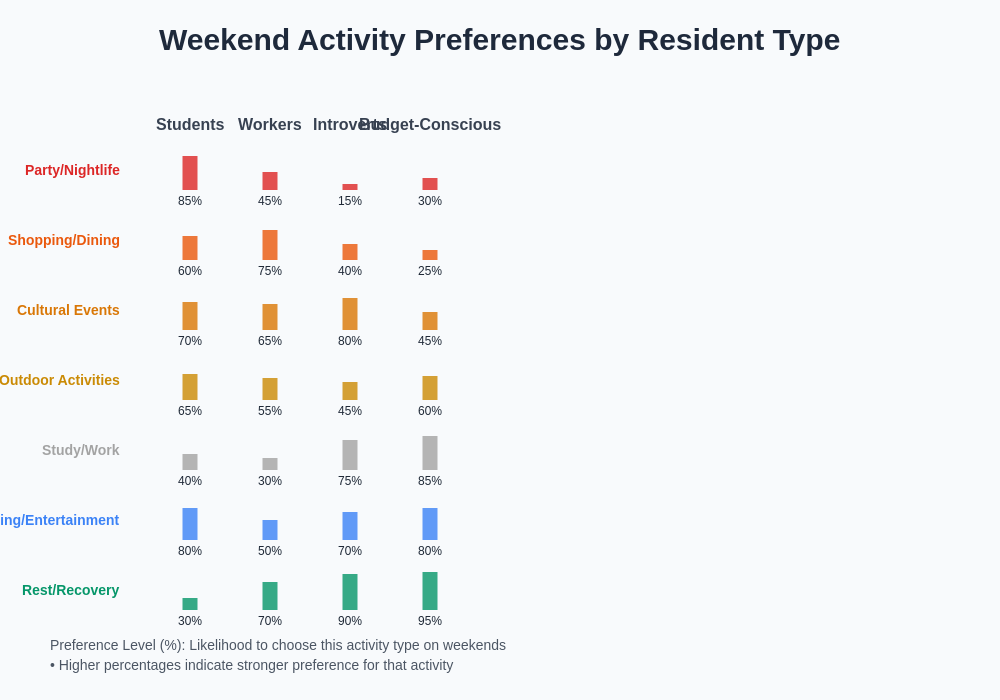
The fundamental differences in energy levels and recovery needs between residents create natural divisions in weekend activity preferences that can evolve into permanent social groupings within sharehouse communities. Some residents use weekends for high-intensity activities, social events, and adventure seeking, while others require quiet time, rest, and low-key activities to recover from demanding work or study schedules.
Shift workers, students with demanding academic schedules, and professionals in high-stress careers often have different weekend needs compared to residents with more flexible or less demanding daily routines. How shift work schedules affect roommate relations explores how these schedule differences create ongoing challenges in community activity planning.
Age differences between residents can contribute to energy level disparities and activity preferences that create natural divisions within sharehouse communities. How age differences impact sharehouse compatibility examines how generational differences in weekend activity preferences affect community dynamics and social integration.
Introverted residents may feel overwhelmed by high-energy weekend activities and group socializing expectations, while extroverted residents may become frustrated with quiet weekend plans or individual activity preferences. These personality differences can create lasting divisions that affect daily interactions and overall house harmony beyond weekend periods.
Academic and Professional Schedule Conflicts
University students and working professionals often face weekend obligations that conflict with community activity planning, creating situations where academic or career success appears to compete with social integration and house participation. Research deadlines, project work, and study requirements don’t respect weekend boundaries, forcing students to choose between community participation and educational advancement.
How exam periods create stress for everyone highlights how academic pressures during weekends affect entire communities, not just individual students, as conflicting schedule demands create tension between residents with different priorities and obligations.
Professional responsibilities such as weekend work requirements, client obligations, or career development activities can prevent working residents from participating in house weekend activities, creating divisions between career-focused residents and those with more flexible weekend availability. How business travel affects long-term community building explores how professional obligations impact community participation and relationship building.
Part-time employment obligations that extend into weekends can create economic necessity conflicts with social activity expectations, forcing residents to choose between financial stability and community integration. Students working multiple part-time jobs may have limited weekend availability for community activities, creating social isolation within their living environment.
Social Hierarchy Formation Through Activity Participation
Weekend activity participation patterns often establish social hierarchies within sharehouse communities that persist throughout the week and influence daily interactions, room assignments, and community decision-making processes. Residents who consistently participate in popular weekend activities may gain social status and influence that affects house dynamics beyond recreational planning.
How friend groups form and exclude others examines how weekend activity participation creates lasting social divisions and influences community power structures that affect individual experiences and overall house harmony.
Activity organizers and frequent participants often assume informal leadership roles within sharehouse communities that can create resentment among residents who prefer different weekend activities or have limited participation ability. These informal power structures can influence house rule discussions, conflict resolution processes, and community decision-making in ways that favor active participants over quieter residents.
The perception of social contribution through activity participation can create pressure for residents to engage in weekend events despite personal preferences or practical limitations, leading to resentment and authentic relationship difficulties that undermine genuine community building efforts.
Technology and Digital Entertainment Preferences
Modern weekend entertainment preferences often divide along technological and generational lines that create distinct social groups within sharehouse communities. Gaming enthusiasts, streaming service consumers, social media users, and traditional entertainment preferences can create incompatible weekend activity patterns that lead to social isolation and community fragmentation.
How video game tournaments bring houses together explores how technology-based activities can either unite or divide communities depending on participation patterns and inclusive planning approaches.
Internet bandwidth limitations and shared technology resources can create conflicts when multiple residents have competing digital entertainment needs during weekend periods. How device limits cause internet connection issues examines how practical technology limitations affect weekend activity options and create resident frustration.
Different generations of residents may have incompatible approaches to technology integration in weekend activities, with some preferring digital entertainment while others favor traditional face-to-face activities and outdoor experiences. These preferences can create natural divisions that affect community cohesion and social integration efforts.
Geographic and Transportation Barriers
Tokyo’s vast metropolitan area and complex transportation system create practical barriers to inclusive weekend activity planning that can divide sharehouse communities based on mobility, geographic knowledge, and transportation comfort levels. Residents familiar with Tokyo’s geography and transportation systems may gravitate toward activities that seem inaccessible or intimidating to newcomers or less experienced residents.
How late night transportation limits social life explores how practical transportation considerations create barriers to weekend activity participation and community integration, particularly for residents who are new to Tokyo or uncomfortable with complex navigation requirements.
Activity location preferences can create divisions between residents who prefer central Tokyo attractions and those who favor suburban or alternative locations that require different transportation approaches and comfort levels. These geographic preferences often correlate with cultural backgrounds, economic capabilities, and personal comfort zones that create lasting social divisions.
Language barriers in navigation and activity participation can create additional obstacles for international residents who may avoid weekend activities that require complex transportation or communication in Japanese, leading to social isolation and community division based on language confidence levels.
Health and Wellness Approach Differences
Residents with different approaches to health, fitness, and wellness often find their weekend preferences incompatible with community activity planning, creating divisions based on lifestyle priorities and personal values regarding physical activity, nutrition, and relaxation methods.
Athletic and fitness-focused residents may prioritize active weekend pursuits such as hiking, sports, or gym activities, while health-conscious residents with different approaches may prefer meditation, spa visits, or quiet recovery activities that restore energy rather than expending it. How exercise routines need complete restructuring examines how fitness preferences affect social integration and community activity planning.
Dietary restrictions and health requirements can create barriers to weekend activity participation, particularly for food-focused social events or activities that involve alcohol consumption or specific dietary requirements. How dietary restrictions impact shared kitchen use explores how these differences extend beyond meal planning into social activity participation.
Mental health and stress management needs can create different weekend activity preferences that may seem antisocial or uncooperative to residents who don’t understand or prioritize mental wellness approaches. How stress management techniques become necessary examines how individual wellness needs affect community participation and social integration.
Seasonal Activity Adaptation Challenges
Tokyo’s distinct seasons create changing weekend activity preferences and options that can exacerbate existing divisions within sharehouse communities or create new sources of conflict as residents adapt differently to seasonal changes and opportunities.
How seasonal depression affects house dynamics explores how weather-related mood changes influence weekend activity preferences and community participation patterns, creating seasonal tensions that affect house harmony throughout the year.
Summer heat preferences divide residents between those who embrace outdoor summer activities and those who prefer air-conditioned indoor environments, creating incompatible weekend activity preferences that require compromise or separate planning approaches. How summer heat makes small rooms unbearable examines how seasonal comfort needs affect social space usage and activity planning.
Winter activity preferences can create economic and practical barriers that divide communities based on winter sports accessibility, heating cost concerns, and seasonal clothing requirements that affect participation ability and activity enjoyment levels.
Communication Style and Planning Approach Conflicts
Different cultural approaches to activity planning, decision-making, and communication create ongoing friction in weekend activity coordination that can establish lasting patterns of exclusion and social division within sharehouse communities. Some cultures emphasize advance planning and formal coordination, while others prefer spontaneous activities and flexible arrangements.
How cultural communication styles create misunderstandings examines how these planning approach differences create barriers to inclusive activity coordination and community participation.
Decision-making processes for weekend activities can favor residents with specific communication styles or cultural backgrounds, creating perceived or actual exclusion for residents who operate differently in group planning situations. Direct communication styles may clash with indirect approaches, creating misunderstandings and planning conflicts.
Language barriers in activity planning discussions can create unintentional exclusion and misunderstanding that leads to social division and reduced community participation among residents who struggle with complex group discussions or planning conversations in their non-native language.
Long-term Impact on Community Cohesion and Individual Well-being
The cumulative effect of weekend activity divisions creates lasting impacts on sharehouse community cohesion, individual satisfaction, and overall living experience quality that extend far beyond recreational planning into daily relationship dynamics and long-term housing stability.
Communities that fail to address weekend activity division often experience increased resident turnover, ongoing interpersonal conflicts, and reduced overall satisfaction that affects the attractiveness and stability of the sharehouse environment for all residents. Real stories from Tokyo sharehouse residents provides insights into how these divisions affect individual experiences and community outcomes.
Individual residents who feel excluded from weekend activities may experience isolation, reduced sense of belonging, and negative impacts on mental health and social development that affect their overall Tokyo living experience and personal growth opportunities.
Successful sharehouse communities develop inclusive approaches to weekend activity planning that recognize and accommodate diverse preferences, economic capabilities, and cultural backgrounds while maintaining community cohesion and individual satisfaction for residents with varying weekend needs and preferences.
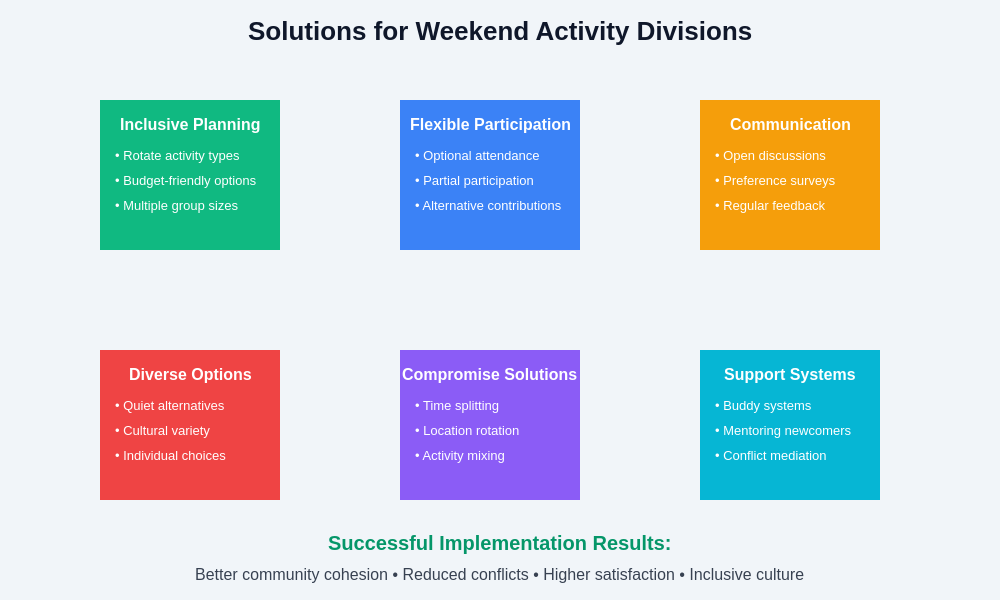
Understanding these dynamics helps both residents and sharehouse operators create more inclusive and sustainable community environments that celebrate diversity while building genuine connections that enhance the shared living experience for all community members.
Disclaimer
This article is for informational purposes only and does not constitute professional advice on community management or social dynamics. The situations described may vary significantly between different sharehouse communities and individual experiences. Readers experiencing significant social isolation or community conflicts should consider seeking appropriate support or alternative housing arrangements that better meet their needs.