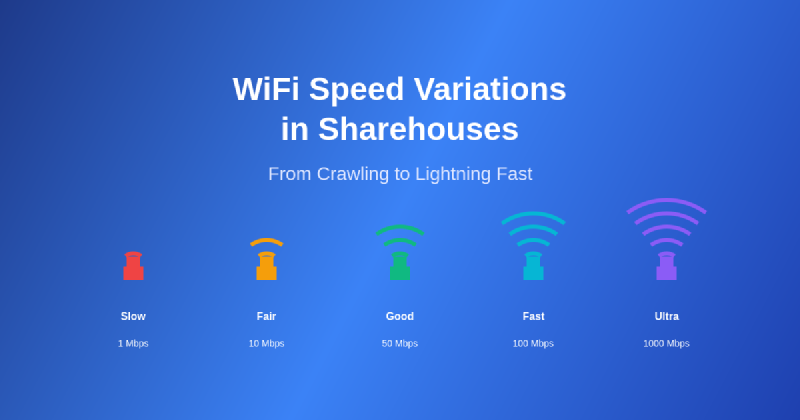
Internet connectivity quality represents one of the most significant yet overlooked factors affecting daily life satisfaction in Japanese sharehouses, with WiFi speeds varying from barely functional connections that struggle with basic web browsing to high-performance networks capable of supporting professional video production and competitive gaming. These dramatic variations stem from complex interactions between infrastructure investments, technical configurations, user behavior patterns, and management priorities that create vastly different digital experiences for residents across the sharehouse market.
The importance of reliable internet access has intensified dramatically with the growth of remote work, online education, digital entertainment, and international communication needs among sharehouse residents, making connectivity quality a crucial factor in housing satisfaction and productivity that often receives insufficient attention during the property selection process. Understanding the underlying causes of WiFi speed variations enables better evaluation of potential sharehouses and more informed decision-making about technology needs and housing priorities.
Infrastructure and Building Limitations
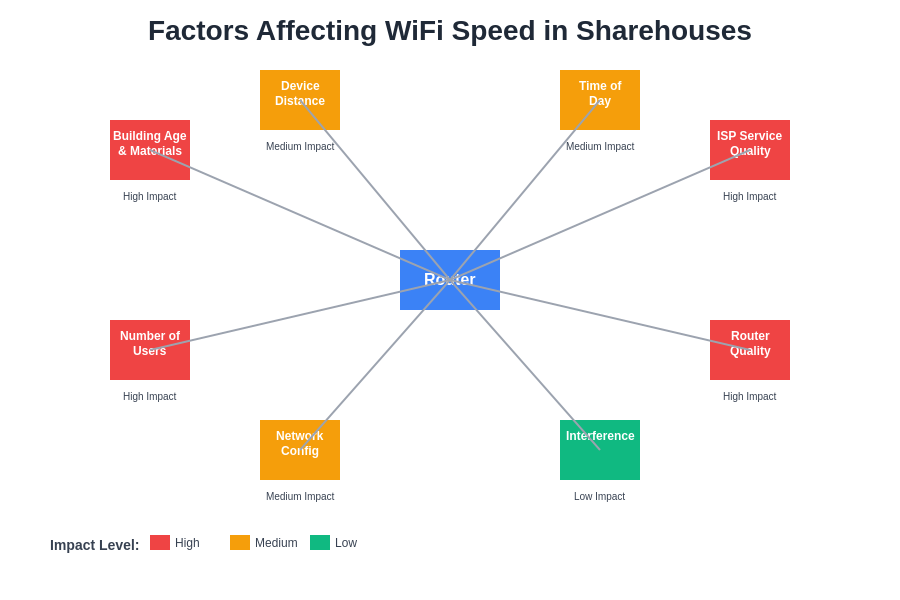
Building age and construction materials significantly impact WiFi performance, with older structures often featuring concrete walls, metal framework, and architectural elements that interfere with wireless signal propagation and create dead zones or severely degraded connection speeds throughout the property. How to find the perfect sharehouse in Tokyo should include connectivity evaluation as a key selection criterion given these infrastructure limitations.
Electrical system capacity in older buildings may limit the ability to support modern networking equipment, with insufficient power outlets, outdated wiring, and inadequate electrical capacity preventing installation of high-performance routers, mesh networking systems, or signal boosters that could improve connectivity throughout the property.
Internet service provider infrastructure varies dramatically by neighborhood and building type, with some areas having access to fiber optic connections capable of gigabit speeds while others rely on older copper wire networks or shared building connections that create bottlenecks and performance limitations for all residents.
Structural modifications and renovations in converted sharehouses often compromise original network planning, with room divisions, additional walls, and space reconfigurations creating signal interference and coverage gaps that were not present in the building’s original design and network installation.
Network Configuration and Equipment Quality
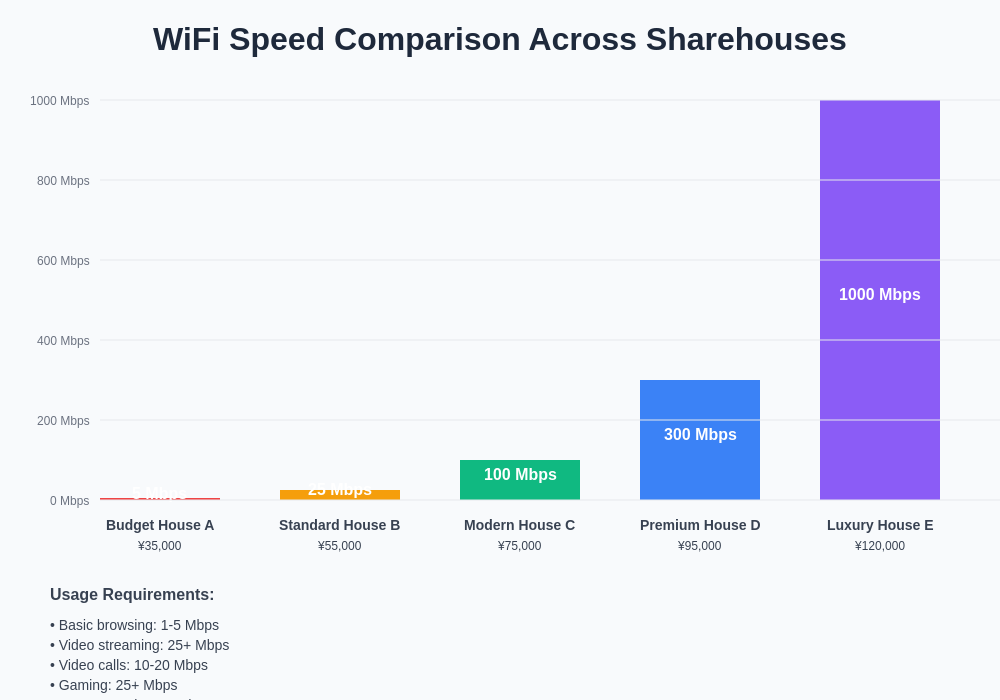
Router quality and specifications vary enormously between sharehouses, with budget operators often installing consumer-grade equipment designed for single-family use rather than commercial-grade networking solutions capable of handling multiple simultaneous users with diverse bandwidth requirements and usage patterns.
Network configuration expertise among property managers ranges from professional IT knowledge to complete technical ignorance, resulting in poorly optimized network settings, inadequate security configurations, and suboptimal equipment placement that degrades performance even when high-quality hardware is available.
Bandwidth allocation policies differ significantly between operators, with some providing unlimited high-speed access while others implement throttling, data caps, or quality-of-service restrictions that prioritize certain types of traffic or limit individual user consumption to manage overall network performance and costs.
Equipment maintenance and upgrade schedules vary widely, with some sharehouses regularly updating networking hardware and monitoring performance while others operate with obsolete equipment that degrades over time and fails to support modern connectivity standards and user expectations.
User Load and Bandwidth Sharing
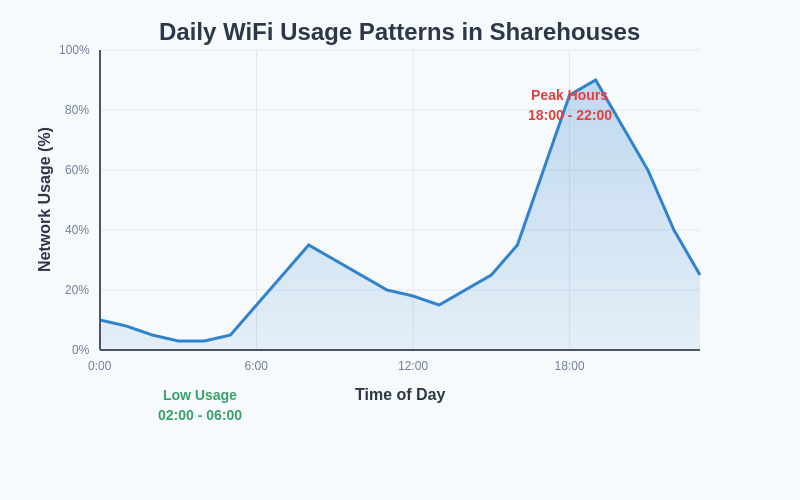
Resident density and concurrent usage patterns create significant variations in available bandwidth, with peak usage periods during evening hours often resulting in severely degraded performance when multiple residents simultaneously stream video, participate in video calls, or engage in bandwidth-intensive activities. Living costs in Tokyo sharehouses explained should factor in potential productivity losses from poor connectivity.
Usage behavior differences among residents affect overall network performance, with some users consuming enormous amounts of bandwidth through file downloads, streaming, or gaming while others have minimal internet requirements, creating uneven distribution of available resources and potential conflicts over network access.
Device proliferation in modern sharehouses includes not only computers and smartphones but also smart TVs, gaming consoles, IoT devices, and streaming equipment that collectively consume bandwidth and compete for network resources even when residents are not actively using internet services.
Temporal usage patterns create predictable network congestion during specific periods, with morning and evening peaks corresponding to work schedules, entertainment consumption, and international communication that can overwhelm network capacity and create frustrating user experiences during critical usage periods.
Geographic and ISP Variations
Internet service provider coverage varies significantly across Tokyo neighborhoods, with some areas having multiple high-speed options and competitive pricing while others face limited choices, higher costs, or older infrastructure that constrains available connection speeds and reliability for all sharehouses in the area.
Building-specific service agreements affect connectivity quality when bulk purchasing arrangements, shared building connections, or long-term contracts may lock sharehouses into suboptimal service levels that do not reflect current market offerings or resident needs and expectations.
Neighborhood infrastructure development impacts available services, with newer residential areas often having modern fiber optic networks while older districts may rely on legacy copper wire systems that limit maximum connection speeds regardless of equipment quality or network configuration within individual sharehouses.
Distance from exchange points and network nodes affects connection quality and latency, with properties located far from telecommunications infrastructure experiencing degraded performance even when nominally high-speed services are available and properly configured within the building.
Management Priorities and Investment Levels
Technology investment priorities vary dramatically between sharehouse operators, with some viewing high-quality internet as essential infrastructure worthy of significant ongoing investment while others treat connectivity as a basic utility that receives minimal attention and resources beyond meeting basic functional requirements.
Cost-cutting approaches to internet services often result in selection of the cheapest available plans without consideration of performance requirements, user needs, or the impact of poor connectivity on resident satisfaction and retention rates that could affect long-term profitability and reputation.
Technical expertise among property management staff affects network optimization and problem resolution, with knowledgeable managers able to diagnose and address connectivity issues quickly while others may lack the skills necessary to maintain optimal network performance or respond effectively to resident complaints.
Maintenance budgets for technology infrastructure influence equipment replacement schedules, upgrade timing, and response to performance issues, with adequate funding enabling proactive network management while insufficient resources lead to reactive approaches that allow problems to persist and worsen over time.
Usage Type and Performance Requirements
Professional work requirements increasingly demand reliable high-speed connections for video conferencing, file transfers, cloud computing, and real-time collaboration that may exceed the capabilities of basic internet services designed for casual web browsing and entertainment consumption. Making friends through Tokyo sharehouse communities can be affected when poor connectivity limits online social interactions.
Gaming and streaming needs require consistent low-latency connections with adequate upload bandwidth that many standard internet configurations cannot provide, particularly during peak usage periods when network resources are shared among multiple residents with competing demands.
Educational requirements for online courses, research activities, and digital learning platforms create specific connectivity needs that may not align with general-purpose internet configurations designed primarily for entertainment and basic communication rather than intensive academic work.
International communication needs among foreign residents require reliable connections for video calls, messaging, and cultural content access that may involve significant bandwidth consumption and specific quality-of-service requirements for maintaining family and professional relationships across time zones.
Testing and Evaluation Methods
Speed testing procedures provide objective measures of connection quality, but results can vary dramatically based on testing time, server selection, device configuration, and network load conditions that may not represent typical usage experiences or identify specific performance issues affecting daily activities.
Real-world performance evaluation requires testing various applications and usage scenarios including video streaming, file downloads, video conferencing, and concurrent multi-device usage that better represent actual connectivity needs and identify potential problems with specific types of internet activities.
Location-specific testing within sharehouses reveals coverage variations and dead zones that may not be apparent from central location speed tests, with signal strength and performance varying significantly between rooms, floors, and common areas depending on router placement and building characteristics.
Peak hour testing provides critical insights into network performance during high-usage periods when bandwidth sharing and network congestion create the most challenging conditions for internet access and may reveal problems that are not apparent during off-peak testing periods.
Troubleshooting and Optimization Strategies
Individual optimization techniques include device positioning, WiFi channel selection, equipment upgrades, and usage timing adjustments that can improve personal connectivity experience even when overall network infrastructure remains unchanged or suboptimal for resident needs.
Router placement optimization involves identifying optimal locations for networking equipment that maximize coverage and minimize interference, though residents typically have limited influence over these decisions and must work within existing infrastructure configurations and management policies.
Device management strategies include limiting concurrent connections, scheduling bandwidth-intensive activities, and optimizing device settings to reduce network load and improve performance for essential activities during peak usage periods when network resources are constrained.
Communication with management about connectivity issues requires documentation of specific problems, speed test results, and impact on daily activities to build compelling cases for infrastructure improvements or technical support that address root causes rather than temporary fixes.
Financial Implications and Value Assessment
Cost-performance relationships vary significantly between sharehouses, with some properties providing excellent connectivity value while others charge premium prices for substandard internet access that fails to meet modern usage requirements and expectations for digital connectivity and productivity.
Hidden costs of poor connectivity include productivity losses, alternative service subscriptions, mobile data overages, and potential career or educational impacts that may far exceed the apparent savings from choosing sharehouses with lower rents but inadequate internet infrastructure. How much Tokyo sharehouses really cost per month should include connectivity quality in total value calculations.
Upgrade potential and improvement possibilities affect long-term value when some sharehouses offer pathways for connectivity enhancement through infrastructure investments or service plan changes while others face fundamental limitations that prevent meaningful improvement regardless of resident needs or willingness to pay additional costs.
Alternative connectivity solutions including mobile hotspots, personal internet services, or co-working space memberships may provide necessary bandwidth and reliability when sharehouse connectivity proves inadequate, though these solutions typically involve additional monthly costs and usage limitations.
Future Trends and Technology Evolution
5G mobile technology integration may provide alternative connectivity options for sharehouses with poor fixed-line internet, though implementation costs, coverage limitations, and data plan restrictions currently limit the practical viability of mobile solutions for primary internet access in shared living situations.
Internet of Things device proliferation will continue increasing bandwidth demands and network complexity in sharehouses as residents adopt smart home technology, wearable devices, and connected appliances that require consistent connectivity and may overwhelm existing network infrastructure designed for simpler usage patterns.
Remote work normalization has permanently increased performance expectations and requirements for residential internet connections, with sharehouses that fail to adapt to these changing needs likely to face competitive disadvantages and resident satisfaction issues that affect occupancy rates and market positioning.
Fiber optic expansion throughout Tokyo continues improving available service options and performance capabilities, though building-specific infrastructure limitations and management investment priorities will continue creating significant variations in actual connectivity quality across different sharehouses and neighborhoods.
The dramatic variations in WiFi speed between sharehouses reflect complex interactions between infrastructure limitations, management priorities, user behavior, and technical expertise that create vastly different digital experiences for residents. Understanding these factors enables better evaluation of connectivity quality during sharehouse selection while highlighting the importance of internet performance as a critical factor in housing satisfaction and daily productivity for modern residents who depend on reliable digital connectivity for work, education, entertainment, and social connections.
Disclaimer
This article provides general information about internet connectivity in sharehouses and does not constitute technical advice. Connection speeds, network performance, and available services vary based on specific locations, service providers, equipment configurations, and usage patterns. Residents should verify connectivity quality and requirements with individual sharehouses and consider consulting with technology professionals for specific connectivity needs. The information provided reflects general trends and may not apply to all properties or situations.