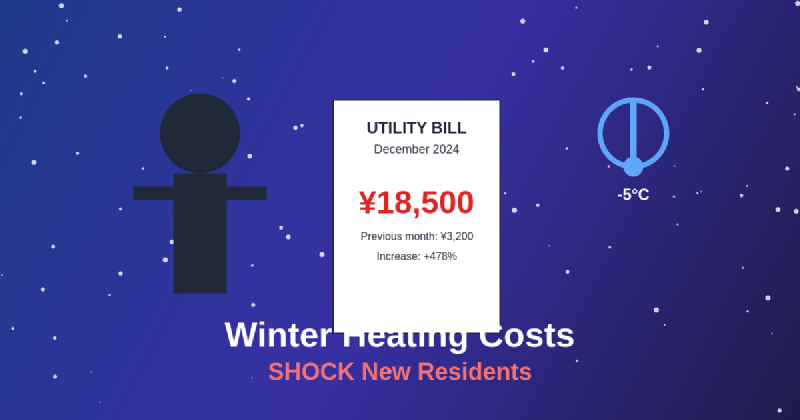
Winter in Tokyo sharehouses delivers a financial reality check that catches countless new residents completely off guard, transforming what seemed like manageable monthly expenses into budget-crushing bills that can easily double or triple utility costs within a matter of weeks. The combination of Japan’s unique heating culture, inefficient building insulation, and expensive energy prices creates a perfect storm of unexpected expenses that can devastate carefully planned budgets and force difficult lifestyle adjustments for unprepared international residents.
The transition from comfortable autumn temperatures to Tokyo’s surprisingly harsh winter conditions reveals hidden aspects of Japanese housing that marketing materials and initial tours rarely address adequately. Understanding these seasonal financial realities becomes essential for anyone planning to live in Tokyo sharehouses during winter months, as the difference between summer and winter utility bills can represent the equivalent of an additional month’s rent in extreme cases.
The Scale of Winter Heating Bill Increases
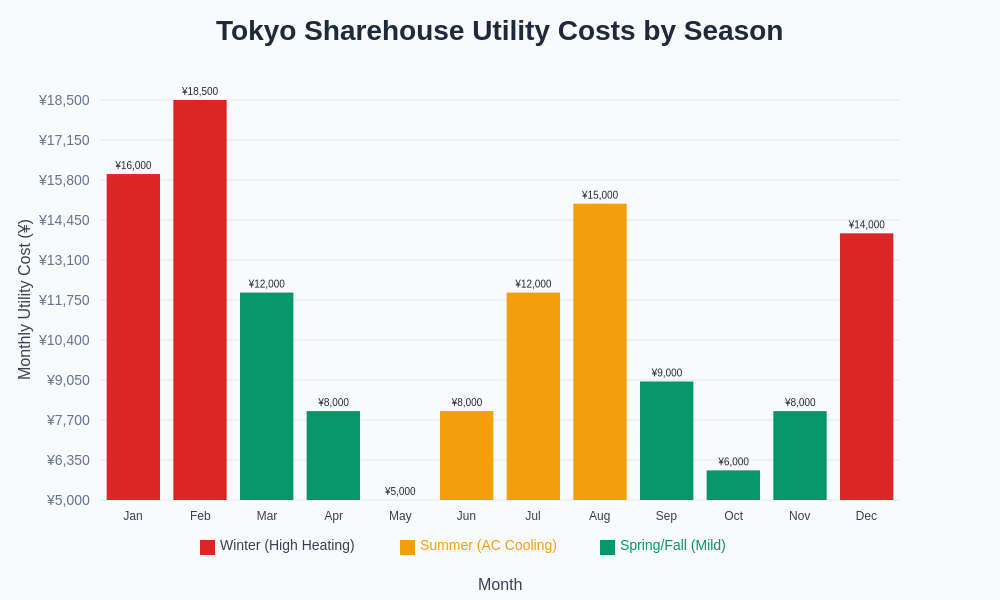
The magnitude of winter heating cost increases in Tokyo sharehouses often shocks new residents who expect gradual seasonal adjustments rather than dramatic monthly bill explosions. Living costs in Tokyo sharehouses explained typically focuses on average annual costs, but winter months can see individual utility contributions jump from ¥3,000-5,000 per month to ¥12,000-20,000 or more, depending on house size, insulation quality, and heating system efficiency.
The exponential nature of heating cost increases stems from Tokyo’s climate patterns, where comfortable autumn weather gives way to sustained periods of freezing temperatures that require continuous heating to maintain basic comfort levels. Unlike tropical climates where cooling costs gradually increase, Tokyo’s winter heating demands create sudden, massive spikes in energy consumption that translate directly into shocking utility bills.
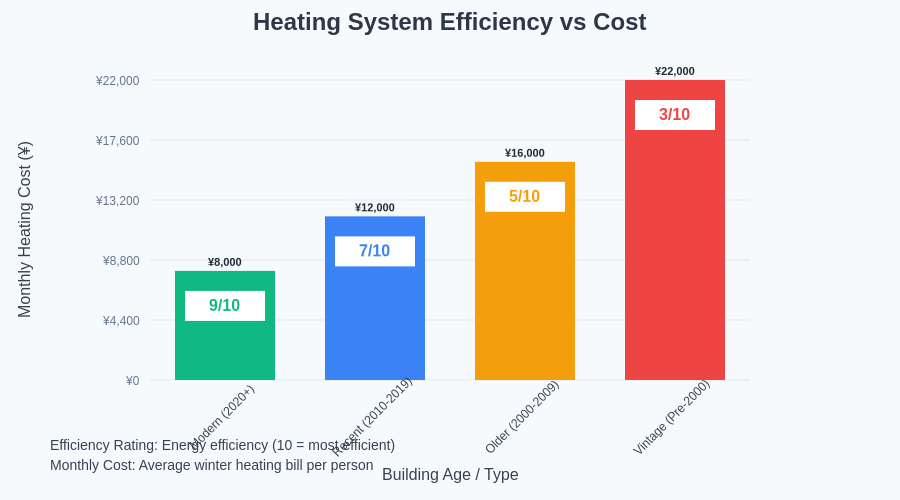
Building age and construction quality dramatically influence the severity of winter heating cost increases, with older sharehouses often experiencing the most extreme bill variations due to poor insulation, single-pane windows, and inefficient heating systems that struggle to maintain comfortable temperatures. Modern purpose-built sharehouses may offer better energy efficiency, but even well-insulated buildings face significant heating cost increases during Tokyo’s coldest months.
The psychological impact of receiving winter heating bills often proves as challenging as the financial burden, as residents who felt confident about their budget management suddenly face expenses that can consume discretionary income and force difficult choices between comfort and financial stability.
Understanding Japanese Heating Systems and Efficiency
Japanese residential heating systems operate fundamentally differently from Western centralized heating approaches, relying primarily on individual room units that heat spaces on-demand rather than maintaining consistent temperatures throughout entire buildings. Understanding utility bills in Japanese sharehouses becomes crucial for comprehending how these systems translate usage into costs.
Air conditioning units that provide both cooling and heating represent the most common heating solution in Tokyo sharehouses, but their heating efficiency drops dramatically as outdoor temperatures fall below optimal operating ranges. These heat pump systems work efficiently in mild conditions but consume exponentially more electricity when struggling to extract heat from frigid outdoor air during Tokyo’s coldest periods.
Kerosene heaters, electric space heaters, and gas heating systems each present different cost structures and efficiency characteristics that significantly impact monthly expenses. Kerosene heaters offer relatively affordable operation but require fuel purchases and proper ventilation, while electric heating provides convenience at premium costs that can shock residents accustomed to different energy pricing structures.
The concept of heating individual rooms rather than entire living spaces requires cultural adjustment for many international residents, as Japanese heating philosophy emphasizes warming people rather than spaces. This approach can reduce overall energy consumption when implemented correctly but often leads to higher costs for residents who attempt to heat multiple rooms simultaneously or maintain Western-style whole-house comfort levels.
Building Insulation and Energy Loss Factors
The insulation quality of Tokyo sharehouses varies dramatically based on construction age, building codes in effect during construction periods, and renovation investments made by property owners. How to find the perfect sharehouse in Tokyo should include evaluation of insulation quality, but many residents only discover energy efficiency issues after experiencing their first winter heating bills.
Older buildings constructed before modern insulation standards often feature minimal wall insulation, single-pane windows, and construction gaps that allow significant heat loss and cold air infiltration. These structural deficiencies force heating systems to work continuously just to maintain basic comfort levels, resulting in astronomical energy consumption and utility costs that can shock unprepared residents.
Window quality represents a critical factor in heating efficiency, as large windows with poor thermal properties can account for substantial heat loss even in otherwise well-insulated rooms. Many Tokyo sharehouses feature oversized windows that provide excellent natural light but create thermal challenges during winter months that translate directly into higher heating costs.
Common areas in sharehouses often lack adequate heating solutions entirely, forcing residents to heat their individual rooms more intensively to compensate for cold hallways, bathrooms, and kitchen areas that affect overall comfort levels. This heating pattern creates inefficient energy usage that contributes to higher individual utility costs without proportional comfort benefits.
Seasonal Energy Pricing and Market Dynamics
Japan’s energy market operates with complex pricing structures that can amplify winter heating cost increases beyond simple consumption changes, as seasonal demand fluctuations and supply constraints influence utility rates throughout the year. These market dynamics create additional cost pressures during winter months that compound the impact of increased energy consumption.
Electricity pricing in Japan includes various charges and fees that can increase during peak demand periods, making winter heating even more expensive than simple kilowatt-hour calculations might suggest. Time-of-use pricing structures mean that heating during evening hours when most residents return home can incur premium rates that further inflate utility bills.
Gas pricing follows similar seasonal patterns, with winter demand increases driving up costs per unit of energy consumed. How much Tokyo sharehouses really cost per month varies significantly based on these seasonal pricing fluctuations that affect heating-related expenses.
Regional energy supply constraints during winter months can create additional price pressures, particularly when extreme weather events strain power generation capacity or disrupt fuel supply chains. These market conditions can cause utility costs to spike beyond normal seasonal increases, creating even more dramatic bill increases for sharehouse residents.
Cultural Heating Practices and Expectations
Japanese cultural approaches to winter heating emphasize personal warmth through clothing and localized heating rather than maintaining consistently warm indoor temperatures throughout living spaces. Japanese sharehouse rules every foreigner should know often include energy conservation expectations that reflect these cultural heating philosophies.
The concept of “gaman” or enduring discomfort influences Japanese heating practices, with cultural expectations that residents will layer clothing and use personal warming strategies before relying heavily on energy-intensive heating systems. International residents unfamiliar with these cultural norms often heat their spaces to comfort levels that generate shocking utility bills.
Kotatsu tables, heated carpets, and personal warming devices represent traditional Japanese approaches to winter comfort that consume less energy than space heating while providing targeted warmth. Understanding and adopting these cultural heating practices can significantly reduce winter utility costs while maintaining reasonable comfort levels.
Shared living spaces create additional cultural complexities around heating practices, as residents from different cultural backgrounds may have conflicting expectations about appropriate indoor temperatures and energy usage. Living with Japanese roommates in Tokyo sharehouses requires navigation of these cultural differences around heating and energy consumption.
Hidden Costs and Fee Structures
Winter heating bills often include various fees and charges beyond basic energy consumption costs, creating additional expense categories that contribute to bill shock for new residents who expected straightforward usage-based pricing. These hidden costs can represent substantial portions of total winter utility expenses.
Base charges, connection fees, and infrastructure maintenance costs remain constant regardless of usage levels but become more noticeable when combined with dramatically increased consumption charges during winter months. Distribution fees, transmission charges, and various taxes add additional layers to utility bills that amplify the cost impact of winter heating.
Sharehouse management fees related to utility administration may increase during winter months, as property managers deal with higher bills, payment issues, and resident complaints about heating costs. These administrative fees can add unexpected charges to individual resident utility contributions.
Penalty fees for late payments become more problematic during winter months when residents struggle to pay dramatically increased utility bills, creating cascading financial difficulties that extend beyond basic heating costs. Understanding payment schedules and penalty structures helps residents avoid additional charges that compound winter expense challenges.
Individual Room vs Common Area Heating Dynamics
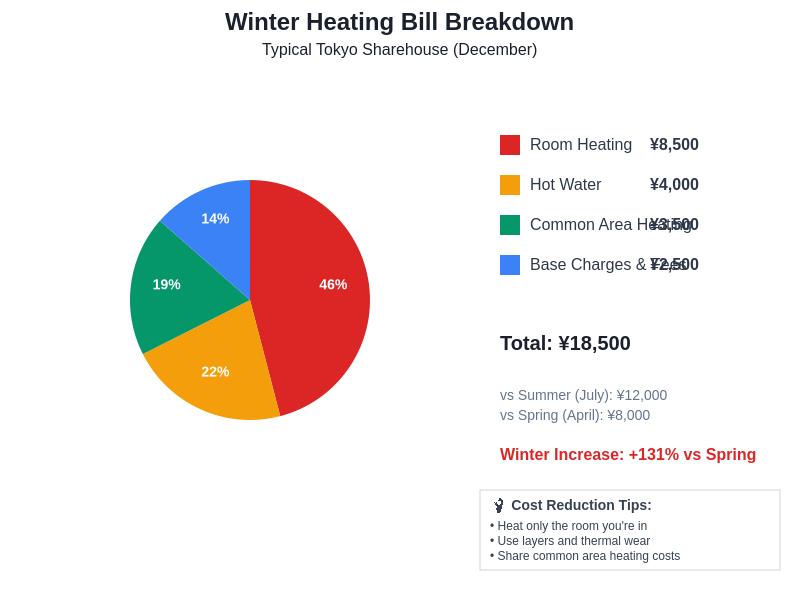
The division of heating costs between individual rooms and common areas creates complex billing dynamics that can surprise new residents accustomed to different heating cost allocation methods. How to calculate your true living costs becomes complicated when winter heating expenses vary dramatically based on individual usage patterns and common area heating policies.
Individual room heating costs typically reflect personal usage choices, allowing residents some control over their heating expenses through behavioral adjustments and efficiency improvements. However, common area heating costs are usually divided equally among all residents regardless of individual usage patterns or comfort preferences.
Kitchen, bathroom, and hallway heating often requires continuous operation during winter months to prevent pipes from freezing and maintain basic functionality, creating unavoidable common area heating costs that all residents must share equally. These mandatory heating expenses can represent substantial portions of winter utility bills even for residents who minimize personal heating usage.
Conflict between residents over common area heating levels can create social tensions that affect overall sharehouse dynamics, as some residents prefer minimal heating to control costs while others prioritize comfort regardless of expense. These disagreements often intensify during the coldest periods when heating cost increases reach their peaks.
Budgeting Strategies and Financial Planning
Effective winter heating cost management requires proactive budgeting strategies that account for seasonal expense variations rather than relying on average monthly cost calculations that underestimate winter heating realities. How to budget realistically for sharehouse living must include provisions for dramatic seasonal utility cost increases.
Creating separate budget categories for winter heating expenses helps residents prepare financially for seasonal cost increases while maintaining other essential expenses. Setting aside additional funds during lower-cost months builds financial reserves that can absorb winter heating bill shocks without disrupting overall budget stability.
Emergency fund planning becomes especially important for residents living in older or poorly insulated sharehouses where winter heating costs can reach extreme levels. Having three to six months of additional utility costs saved provides security against the most severe heating bill increases.
Income timing considerations affect winter budgeting success, as many residents experience reduced work hours or income during winter months while simultaneously facing peak heating expenses. Planning for this double financial pressure helps prevent serious budget crises during the most expensive heating periods.
Energy Conservation Techniques and Cost Reduction
Personal heating efficiency strategies can significantly reduce winter utility costs while maintaining reasonable comfort levels, focusing on warming individuals rather than entire spaces. Understanding effective energy conservation techniques helps residents minimize heating expenses without sacrificing essential comfort.
Clothing layering, thermal undergarments, and indoor winter wear represent the most cost-effective approaches to personal warming that reduce reliance on energy-intensive space heating. These strategies align with Japanese cultural heating practices while providing immediate cost benefits.
Room insulation improvements such as window films, draft stoppers, and thermal curtains can reduce heat loss and improve heating efficiency even in rental properties where major renovations aren’t possible. These relatively inexpensive modifications can provide substantial utility bill reductions throughout winter months.
Strategic heating scheduling that focuses energy usage during the most cost-effective time periods can reduce overall winter utility expenses while maintaining comfort during peak usage hours. Understanding utility pricing structures helps optimize heating schedules for maximum cost efficiency.
Seasonal Lifestyle Adjustments and Adaptation
Successful adaptation to Tokyo winter heating costs often requires lifestyle adjustments that go beyond simple energy conservation, encompassing changes in daily routines, social activities, and comfort expectations. Making friends through Tokyo sharehouse communities can provide support networks for sharing winter survival strategies and cost-reduction techniques.
Spending more time in heated public spaces such as libraries, shopping centers, and cafes can reduce home heating needs while maintaining social connections and daily activities. This lifestyle adjustment helps manage heating costs while providing alternatives to staying in expensive-to-heat sharehouse rooms.
Coordinated heating schedules with housemates can optimize common area heating efficiency and reduce individual costs through shared usage of heated spaces. Organizing group activities in heated common areas maximizes the value of shared heating expenses while building community connections.
Seasonal activity planning that embraces winter conditions rather than fighting them can reduce heating dependencies while providing enjoyable experiences that don’t require expensive indoor heating. Hot springs visits, winter festivals, and outdoor activities designed for cold weather offer alternatives to heating-dependent indoor entertainment.
Long-term Housing Decisions and Winter Cost Considerations
Experience with winter heating costs often influences long-term housing decisions for international residents, as the financial impact of seasonal utility expenses affects overall sharehouse affordability and satisfaction. Why sharehouses are better than apartments in Tokyo must factor in seasonal cost variations that can change housing value propositions.
Building quality assessment becomes more important after experiencing winter heating costs, as residents recognize the long-term financial benefits of better insulation and efficient heating systems. Future housing searches often prioritize energy efficiency characteristics that were overlooked during initial sharehouse selection.
Location decisions may change based on winter heating cost experiences, as proximity to heated public spaces, transportation systems, and indoor activities can reduce home heating dependencies. Areas with better building standards or newer construction may justify higher rents through reduced winter utility costs.
The relationship between rent costs and utility expenses requires recalculation after winter heating bill experiences, as lower-rent sharehouses in older buildings may prove more expensive overall when seasonal heating costs are factored into total housing expenses. This realization often drives residents to seek better-quality housing options that provide more predictable year-round expenses.
Winter heating cost shock represents a significant financial challenge for new Tokyo sharehouse residents, but understanding the causes and implementing appropriate strategies can help manage these seasonal expenses while maintaining reasonable comfort levels. Preparation, budgeting, and adaptation strategies enable residents to navigate winter heating costs successfully while building long-term financial stability in one of the world’s most expensive cities.
Disclaimer
This article is for informational purposes only and does not constitute professional financial advice. Heating costs can vary significantly based on individual usage patterns, building characteristics, and energy market conditions. Readers should conduct their own research and consider their specific circumstances when budgeting for winter heating expenses. Actual costs may differ from estimates provided, and utility pricing structures are subject to change.