The intricate landscape of written communication in international sharehouses reveals profound cultural differences that extend far beyond mere language barriers, encompassing fundamental variations in directness, formality, context interpretation, and digital interaction expectations that can significantly impact daily living harmony and relationship building among residents from diverse cultural backgrounds.
Understanding these cultural nuances becomes essential for successful sharehouse living, as written communication through messaging apps, house notices, email correspondence, and social media interactions forms the backbone of community coordination and interpersonal relationship management in shared living environments where residents navigate complex social dynamics while maintaining respect for different cultural communication preferences.
The Foundation of Cultural Communication Patterns
Cultural communication patterns develop through centuries of social evolution, historical contexts, and societal values that shape how individuals express themselves, interpret messages, and establish relationships through written exchanges. These deeply ingrained patterns influence everything from the structure of sentences and choice of vocabulary to the underlying assumptions about appropriate response times and levels of formality required in different situations.
Japanese sharehouse rules every foreigner should know often emphasize written communication protocols that reflect Japan’s hierarchical social structure and preference for indirect communication styles. Western cultures typically favor more direct approaches that can appear blunt or inappropriate when translated into cross-cultural living situations without proper contextual understanding.
The relationship between individual identity and collective harmony varies dramatically across cultures, creating fundamental differences in how people approach written communication within group settings. Some cultures prioritize individual expression and direct feedback, while others emphasize group consensus and face-saving communication strategies that require careful interpretation of implied meanings rather than explicit statements.
High-context cultures rely heavily on situational awareness, shared cultural knowledge, and subtle implications to convey meaning, while low-context cultures prefer explicit, detailed explanations that leave little room for misinterpretation. These differences become particularly challenging in sharehouses where residents must navigate practical coordination through written messages while respecting diverse communication preferences and avoiding unintentional offense.
Directness Levels and Cultural Interpretation
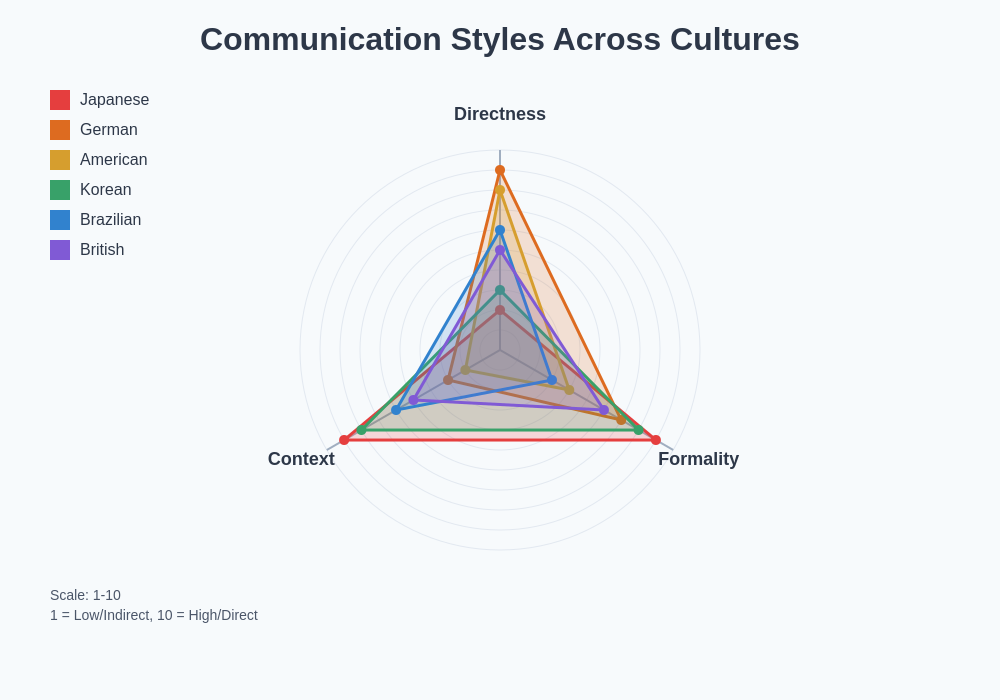
The spectrum of communication directness varies dramatically across cultures, creating frequent misunderstandings when residents with different cultural backgrounds attempt to coordinate household activities, address concerns, or provide feedback through written channels. What appears as helpful directness to one culture may seem aggressive or rude to another, while indirect communication intended to preserve harmony may be perceived as unclear or passive-aggressive.
How cultural communication styles create misunderstandings becomes evident in everyday scenarios such as addressing cleanliness issues, coordinating shared expenses, or discussing noise levels. German and Dutch residents might write straightforward messages about problems, while Japanese and Thai residents may express concerns through subtle suggestions that require cultural literacy to interpret correctly.
The concept of saving face plays crucial roles in many Asian cultures, influencing how criticism, requests, and suggestions are communicated through written channels. Messages that directly point out problems or assign blame can cause significant emotional distress and relationship damage, while Western residents may interpret indirect approaches as ineffective or dishonest communication.
American and Australian communication styles often emphasize efficiency and clarity, leading to messages that focus on practical solutions and direct action items. However, these messages may lack the relationship-building elements and contextual acknowledgments that other cultures consider essential for maintaining social harmony within shared living environments.
Formality Structures and Hierarchical Expectations
Cultural attitudes toward hierarchy and formality significantly influence written communication patterns in sharehouses, affecting everything from email greetings and message structure to the appropriateness of casual language and emoji usage. Understanding these expectations prevents communication failures and demonstrates cultural sensitivity that enhances community relationships.
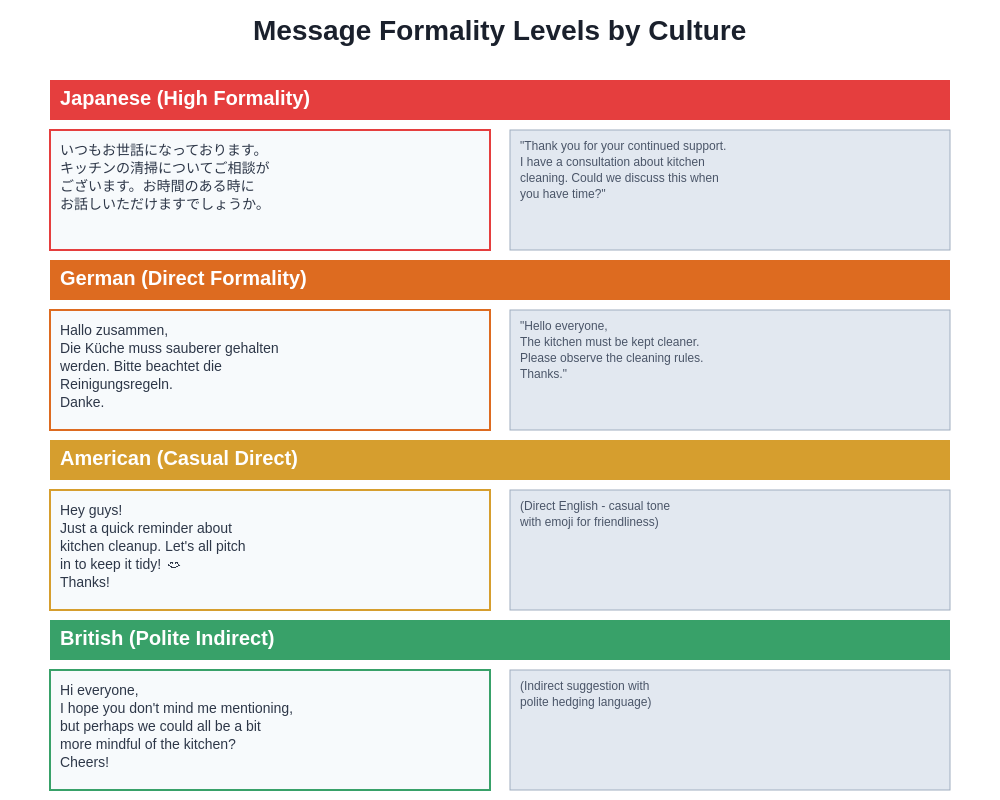
Living with Japanese roommates in Tokyo sharehouses requires awareness of formality levels that extend beyond simple politeness to encompass complex social hierarchies based on age, professional status, length of residence, and cultural background. Messages that seem appropriately casual to Western residents may appear disrespectful or inappropriate within Japanese cultural contexts.
Korean culture emphasizes age-based hierarchy that influences written communication through honorific language, formal greeting structures, and specific vocabulary choices that demonstrate respect for senior residents. Failure to acknowledge these hierarchies through appropriate language formality can create tension and social awkwardness that affects overall house dynamics.
European cultures present varying approaches to formality, with German and Swiss residents often maintaining professional communication standards even in casual household coordination, while Mediterranean cultures may embrace more relaxed and personal communication styles that emphasize relationship building over procedural efficiency.
The digital generation gap creates additional complications as younger residents from various cultures may default to informal messaging styles that conflict with traditional cultural expectations maintained by older residents who view written communication as requiring more structured and respectful approaches regardless of the medium used.
Context Interpretation and Implied Meanings
High-context cultures embed significant meaning within situational context, shared experiences, and cultural references that may be completely lost on residents from low-context cultural backgrounds, creating communication gaps that can lead to missed information, ignored requests, or misunderstood intentions in household coordination and social interactions.
How cultural differences affect friendship building demonstrates how written communication serves different relationship functions across cultures. Some cultures use written messages primarily for information transfer, while others incorporate relationship maintenance, emotional expression, and social bonding that requires understanding of cultural communication patterns for effective interpretation.
Japanese communication often relies on reading between the lines, understanding seasonal references, and recognizing subtle indicators of mood or concern that may not be explicitly stated. Messages containing phrases like “it might be good if” or “perhaps we could consider” carry stronger directive meanings than literal translations would suggest to non-Japanese residents.
Middle Eastern cultures frequently incorporate religious references, family considerations, and cultural celebrations into written communication that serve as relationship building elements while also conveying practical information. Understanding these cultural layers prevents misinterpretation of message priorities and demonstrates respect for different communication values.
Scandinavian cultures balance directness with consensus-building through written communication styles that acknowledge multiple perspectives while working toward practical solutions. These messages may appear lengthy or unnecessary to cultures that prefer brief, action-oriented communication but serve important social functions within their cultural contexts.
Digital Etiquette and Platform Preferences
Cultural preferences for different digital communication platforms and associated etiquette expectations create complex navigation challenges for international sharehouse residents who must adapt to varying comfort levels with social media, messaging apps, email formality, and response time expectations that differ significantly across cultural backgrounds.
How social media impacts real-life relationships varies dramatically based on cultural attitudes toward privacy, appropriate sharing levels, and the separation between public and private communication channels. Some cultures embrace open social media interaction among housemates, while others maintain strict boundaries between digital and personal relationships.
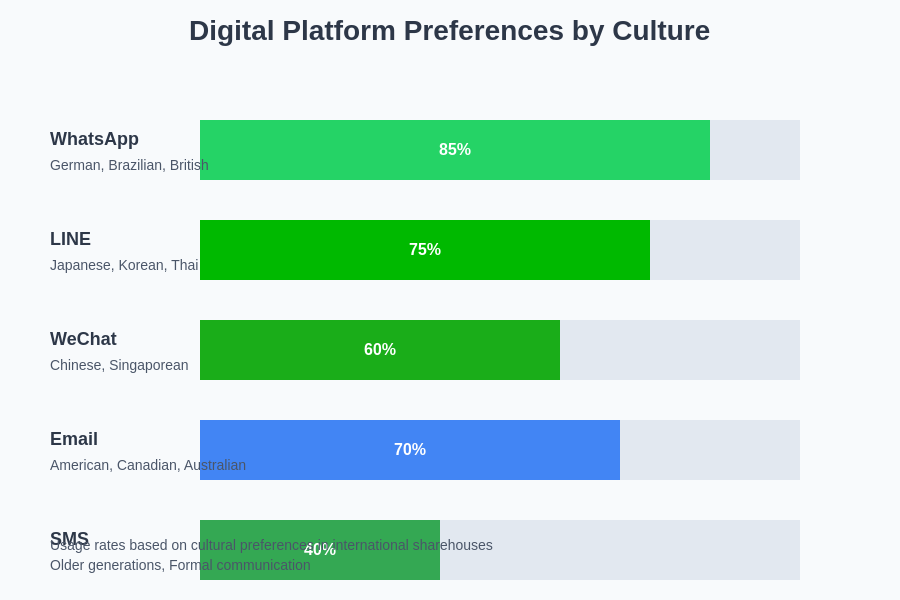
WhatsApp, LINE, WeChat, and other messaging platforms carry different cultural associations and usage patterns that influence how residents prefer to receive house-related communication, emergency notifications, and social coordination messages. Understanding platform preferences prevents communication exclusion and ensures important information reaches all residents effectively.
Email formality expectations range from casual, conversational styles common in American culture to highly structured, formal approaches preferred in German and Japanese business-influenced communication. These differences become particularly important for official house matters, lease-related communication, and interactions with property management companies.
Response time expectations vary significantly across cultures, with some viewing immediate responses as necessary courtesy while others consider instant replies as intrusive or indicating lack of thoughtful consideration. These different temporal expectations can create stress and misunderstandings about communication priorities and relationship investment levels.
Emotional Expression and Relationship Building
Cultural approaches to emotional expression through written communication range from highly reserved and factual styles to emotionally rich and relationship-focused messages that serve different social functions within sharehouse communities. Understanding these variations helps residents interpret the intended tone and respond appropriately to maintain positive relationships.
Making friends through Tokyo sharehouse communities requires sensitivity to how different cultures approach friendship development through written channels. Some cultures build relationships through shared personal information and emotional openness, while others maintain professional boundaries even in casual household communication.
Emoji and emoticon usage carries different cultural meanings and appropriateness levels, with some cultures embracing expressive digital symbols as relationship-building tools while others view them as unprofessional or inappropriate for certain types of household communication. These seemingly minor differences can significantly impact message interpretation and relationship development.
Apology culture varies dramatically across nationalities, influencing how residents address mistakes, express regret, and attempt to restore harmony through written communication. Japanese culture emphasizes elaborate apology structures, while other cultures may prefer brief acknowledgments and practical solutions that focus on future prevention rather than extensive remorse expression.
Compliment and appreciation expression through written channels serves different cultural functions, from American enthusiasm and positive reinforcement to more subtle acknowledgment styles preferred in Northern European cultures that value understated recognition over elaborate praise that may seem insincere or excessive.
Conflict Resolution Through Written Channels
Cultural approaches to conflict resolution through written communication present significant challenges in sharehouses where residents must address disagreements, coordinate solutions, and maintain relationships while respecting diverse cultural preferences for handling disputes and expressing dissatisfaction through digital channels.
How to handle roommate conflicts without moving out requires understanding cultural variations in conflict communication styles. Some cultures prefer direct, solution-focused written exchanges, while others require face-saving approaches that acknowledge multiple perspectives and maintain dignity for all parties involved.
Mediation preferences influence whether residents are comfortable addressing conflicts through group messages, private individual communication, or formal written processes that involve property management or designated house representatives. Understanding these preferences prevents communication escalation and facilitates more effective resolution processes.
Documentation expectations vary significantly, with some cultures maintaining detailed written records of agreements and resolutions while others prefer informal understanding and verbal confirmation that focuses on relationship restoration rather than procedural compliance and evidence preservation.
The role of authority figures in conflict resolution affects how residents communicate about disputes, whether they seek intervention from property managers, consult with senior residents, or attempt to resolve issues independently through peer-to-peer written communication that respects cultural hierarchies and decision-making processes.
Language Precision and Translation Challenges
Non-native English speakers face complex challenges in expressing precise meanings, emotional nuances, and cultural concepts through written communication that may lack the vocabulary, grammatical structures, or cultural references necessary to convey their intended messages accurately within international sharehouse environments.
Language barriers prevent deep friendships partly because written communication requires different skills than spoken interaction, with cultural concepts often lacking direct translations that create misunderstandings about intentions, preferences, and emotional states that affect relationship development and household coordination.
Translation apps and digital assistance tools carry cultural biases and literal interpretation limitations that may not capture subtle meanings, humor, sarcasm, or cultural references that are essential for effective cross-cultural written communication. Residents may misinterpret messages that have been filtered through these technological intermediaries.
Code-switching between languages within messages creates additional complexity as multilingual residents may incorporate phrases, concepts, or expressions from their native languages that require cultural knowledge to understand fully. These mixed-language communications can exclude residents who lack multilingual abilities while creating in-group dynamics that affect house social structures.
Professional versus personal language registers present challenges for residents who learned English in academic or business contexts but struggle with casual, informal written communication styles used in household coordination, social planning, and relationship building among international housemates.
Generational and Digital Native Differences
Age-related differences in digital communication preferences create additional layers of cultural complexity as older residents from various cultures may maintain traditional written communication expectations while younger residents embrace abbreviated, emoji-rich, and platform-specific communication styles that reflect generational rather than purely cultural patterns.
How age differences impact sharehouse compatibility includes communication style preferences that combine cultural background with generational expectations for appropriate written interaction, response times, and relationship development through digital channels.
Social media literacy varies significantly across age groups within cultures, creating situations where traditional cultural communication rules conflict with digital platform norms and expectations that younger users take for granted while older residents may find confusing or inappropriate for household coordination and relationship building.
Abbreviation and shorthand acceptance differs dramatically, with text-speak, acronyms, and shortened phrases being natural communication tools for some residents while appearing disrespectful or incomprehensible to others who prefer complete sentences and formal language structures even in casual digital exchanges.
Video calling comfort levels vary by both culture and generation, affecting how residents prefer to supplement written communication with visual interaction for complex discussions, conflict resolution, or relationship building that requires more nuanced communication than text-based channels can provide effectively.
Building Cross-Cultural Communication Bridges
Successful international sharehouses develop communication strategies that acknowledge and accommodate diverse cultural communication patterns while establishing common understanding and respect for different approaches to written interaction, relationship building, and household coordination through digital channels.
How cultural sensitivity develops through daily interaction includes learning to adapt written communication styles to match the cultural preferences of different residents while maintaining personal authenticity and clear message transmission that serves practical household coordination needs.
Communication guidelines that respect cultural diversity may include multiple platform options, varied formality levels for different message types, and explicit discussion of cultural communication preferences that prevent misunderstandings and create inclusive environment where all residents feel comfortable expressing themselves through written channels.
Cultural mentorship programs within sharehouses can pair residents from different backgrounds to share communication preferences, explain cultural contexts, and provide guidance on appropriate written interaction styles that help build cross-cultural understanding while maintaining individual cultural identities and communication comfort levels.
Regular communication check-ins allow residents to address misunderstandings, clarify cultural preferences, and adjust household communication norms as resident demographics change and cultural awareness develops through shared living experiences that highlight the importance of adaptable and respectful cross-cultural written interaction patterns.
Understanding why written communication rules differ by culture empowers international sharehouse residents to navigate complex social dynamics with greater sensitivity, effectiveness, and respect for diverse cultural backgrounds that enrich the shared living experience while creating opportunities for personal growth and global perspective development through daily cross-cultural interaction and relationship building.
Disclaimer
This article is for informational purposes only and does not constitute professional cultural or communication advice. Cultural communication patterns are complex and individual preferences may vary significantly within cultural groups. Readers should approach cross-cultural communication with openness, respect, and willingness to learn from individual experiences rather than relying solely on cultural generalizations. Effective communication requires ongoing dialogue and mutual understanding between all parties involved.