Working from home in Tokyo sharehouses has become increasingly common as remote work culture evolves and international professionals seek flexible living arrangements in Japan’s capital. The intersection of shared living environments and professional responsibilities creates unique challenges and opportunities that require careful navigation to maintain both productivity and harmonious community relationships. Understanding how to optimize your work-from-home experience while respecting shared space dynamics becomes essential for long-term success in Tokyo’s competitive housing market.
The rise of remote work opportunities has fundamentally changed how international residents approach sharehouse living in Tokyo, with many professionals now prioritizing workspace functionality alongside traditional amenities when selecting their ideal living situation. This shift has created new considerations around internet reliability, noise management, and spatial arrangements that directly impact both work performance and community harmony within shared living environments.
Understanding Remote Work Culture in Japanese Sharehouses
The concept of working from home within shared living spaces reflects broader cultural shifts happening across Tokyo’s international community, where traditional boundaries between personal and professional spaces continue to blur. How remote work equipment affects space usage demonstrates how residents adapt their living arrangements to accommodate professional needs while maintaining respectful relationships with housemates.
Japanese work culture traditionally emphasized physical presence in office environments, but recent global trends have accelerated acceptance of remote work arrangements even within conservative corporate structures. This cultural evolution has created opportunities for international residents to maintain professional careers while experiencing authentic Tokyo living through sharehouse communities that offer both affordability and cultural immersion.
The integration of professional activities into shared living spaces requires understanding both explicit house rules and implicit cultural expectations around noise levels, common area usage, and respect for others’ schedules. Many sharehouses now explicitly address remote work policies in their contracts, recognizing that professional activities have become integral aspects of modern residential living rather than occasional exceptions.
Evaluating Workspace Requirements and Limitations
Successful remote work from Tokyo sharehouses begins with realistic assessment of your professional space requirements balanced against the inherent limitations of shared living environments. How video call backgrounds affect professional image highlights important considerations for maintaining professional appearance standards while working from residential settings.
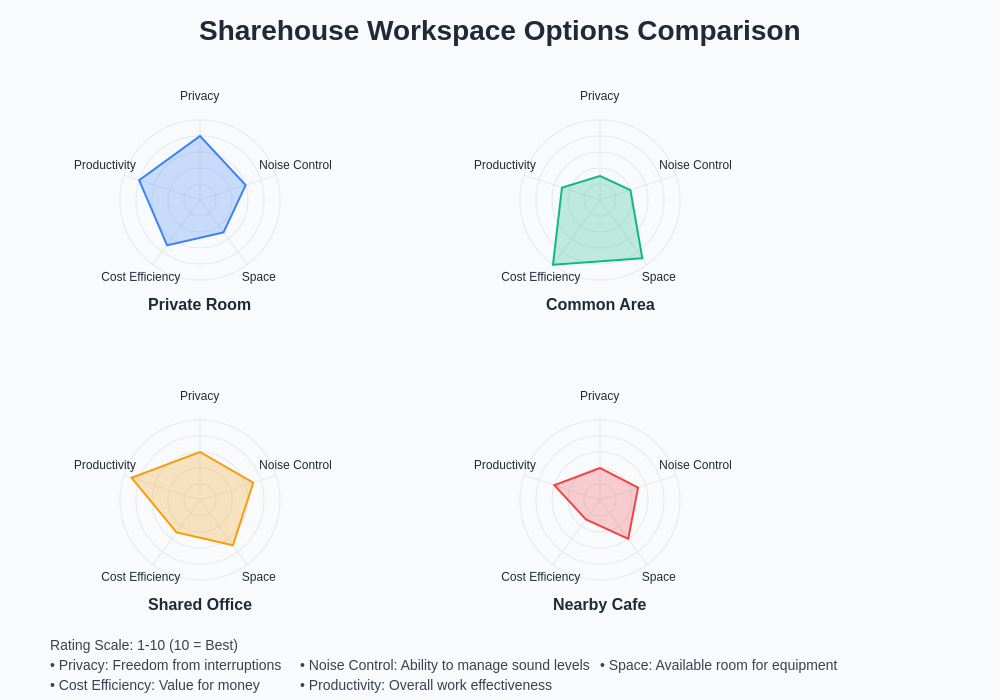
Private room dimensions in Tokyo sharehouses typically range from six to twelve tatami mats, with many rooms designed primarily for sleeping and storage rather than extended professional activities. Evaluating whether your designated space can accommodate necessary equipment such as monitors, ergonomic seating, and proper lighting becomes crucial for maintaining productivity and preventing physical strain during long work sessions.
Common area access policies vary significantly between different sharehouses, with some explicitly prohibiting professional activities in shared spaces while others designate specific times or areas for work-related activities. Understanding these restrictions during your initial property evaluation prevents future conflicts and ensures your chosen living situation aligns with your professional requirements.
Internet infrastructure quality and reliability represent critical factors that can make or break remote work success in sharehouse environments. How video calling affects shared bandwidth explores how multiple residents’ internet usage can impact connection stability during important professional calls or video conferences.
Optimizing Internet Connectivity and Technical Infrastructure
Reliable internet connectivity forms the foundation of successful remote work from any location, but sharehouses present unique challenges related to shared bandwidth, network security, and connection consistency that require proactive management strategies. Most Tokyo sharehouses provide basic internet service, but the quality and speed can vary dramatically based on building infrastructure, resident usage patterns, and service provider limitations.
Bandwidth sharing among multiple residents creates potential bottlenecks during peak usage periods, particularly when several residents simultaneously participate in video conferences or upload large files. Understanding your housemates’ typical online activities and scheduling important calls during lower-usage periods can help maintain connection quality for critical professional activities.
Network security considerations become more complex in shared living environments where multiple devices connect to the same router and unknown residents may have varying levels of cybersecurity awareness. Implementing personal VPN services and avoiding sensitive work activities on shared networks helps protect confidential information while maintaining professional security standards.
Backup connectivity options such as mobile hotspots or portable WiFi devices provide essential redundancy for time-sensitive work activities when primary internet service experiences disruptions. How internet data limits affect your monthly usage discusses cost-effective strategies for maintaining connectivity without exceeding reasonable data consumption limits.
Managing Noise and Distraction Challenges
Noise management represents one of the most significant challenges when working from shared living environments, requiring careful balance between your professional needs and respect for housemates’ activities and schedules. Tokyo sharehouses typically house between five and fifteen residents with varying work schedules, lifestyle preferences, and cultural backgrounds that influence daily noise patterns.
Sound insulation quality varies dramatically between different buildings and room configurations, with older converted buildings often providing minimal acoustic separation compared to purpose-built sharehouse facilities. How noise canceling becomes essential equipment explores practical solutions for maintaining focus during important work activities despite environmental sound challenges.
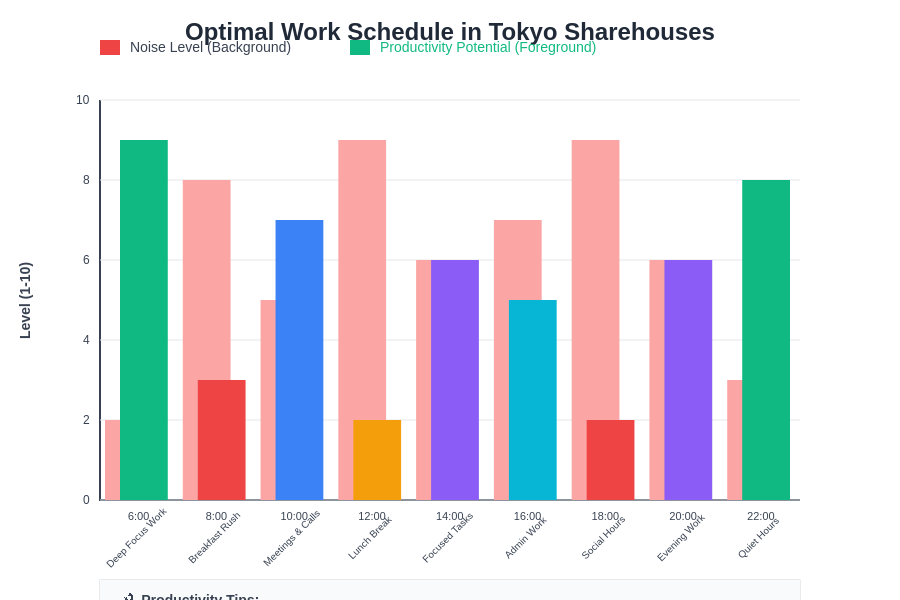
Kitchen activity, common area conversations, and resident foot traffic create predictable noise patterns that can be managed through strategic scheduling of quiet work activities during typically calmer periods. Early morning and late evening hours often provide optimal conditions for concentration-intensive tasks, while midday periods may be better suited for routine administrative work that requires less focused attention.
Communication with housemates about your work schedule and quiet time requirements helps establish mutual respect and understanding that benefits the entire community. How conflict resolution styles differ by culture provides valuable insights into approaching these conversations diplomatically across different cultural communication preferences.
Establishing Professional Boundaries in Shared Spaces
Creating clear boundaries between professional activities and social living spaces becomes essential for maintaining both work productivity and positive community relationships within sharehouse environments. Why privacy is limited even in private rooms discusses realistic expectations around personal space and professional privacy in shared living situations.
Designated work hours and clear communication about when you’re unavailable for social interactions help establish respect for professional commitments while maintaining friendly relationships with housemates. Visual cues such as closed doors, headphones, or desk organization can signal your work status without requiring constant verbal communication.
Professional call scheduling requires consideration of both your availability and potential disruptions from household activities such as cleaning, cooking, or social gatherings. Coordinating with house managers or creating shared calendars for important calls helps ensure optimal conditions for critical professional interactions.
Common area usage for work activities requires explicit permission and consideration of other residents’ needs for relaxation and social activities. How client meetings become impossible at home explores alternative solutions for professional meetings that require more formal environments than typical sharehouse settings provide.
Productivity Strategies for Shared Living Environments
Developing effective productivity strategies specifically adapted for shared living environments requires understanding both your personal work habits and the unique dynamics of your particular sharehouse community. How studying becomes difficult in social environments offers relevant insights that apply equally to professional work requiring sustained concentration.
Time blocking techniques become particularly valuable when working from sharehouses, allowing you to schedule demanding tasks during predictably quiet periods while reserving more flexible activities for times when household activity levels may be higher. Creating structured daily routines helps maintain professional momentum despite the less formal environment of residential settings.
Task prioritization strategies should account for potential interruptions and varying noise levels throughout the day, with critical or deadline-sensitive work scheduled during optimal environmental conditions. Building buffer time into your schedule accommodates unexpected household activities or technical issues that could impact your productivity.
Motivation maintenance techniques for home-based work become more important in social environments where entertainment and leisure activities remain constantly visible and accessible. How digital entertainment replaces social interaction discusses strategies for maintaining focus on professional goals while living in stimulating social environments.
Building Professional Networks Through Sharehouse Communities
Tokyo sharehouses often host international professionals from diverse industries and career stages, creating unexpected networking opportunities that can enhance career development and professional connections. How networking abilities improve through diverse contacts explores how shared living experiences facilitate meaningful professional relationships.
Industry clusters within certain sharehouses reflect Tokyo’s economic geography, with technology professionals often gravitating toward areas near major business districts while creative professionals may prefer neighborhoods with active arts communities. How industry clusters affect professional networking provides insights into leveraging residential location for career advancement.
Skill sharing opportunities emerge naturally when diverse professionals live in close proximity, creating informal mentorship relationships and collaborative learning experiences that benefit all participants. Language exchange, technical skill development, and cultural business knowledge represent common areas where housemates can provide mutual professional support.
Professional event hosting within sharehouses requires careful coordination with house management and consideration of space limitations, but can create valuable opportunities for expanding professional networks while showcasing your organizational abilities to potential collaborators or employers.
Managing Work-Life Balance in Compact Living Spaces
Maintaining healthy work-life boundaries becomes more challenging when your bedroom, office, and social spaces exist within the same building or even the same room. How personal space needs vary dramatically discusses strategies for creating psychological separation between work and personal time within limited physical space.
Routine establishment helps create mental transitions between professional and personal modes even when physical transitions remain minimal. Simple rituals such as changing clothes, organizing your workspace, or taking brief walks can signal the beginning and end of work periods more effectively than simply closing your laptop.
Social integration with housemates requires intentional effort when work activities consume significant portions of your daily schedule within the same environment where you seek relaxation and community connection. How social events become obligatory addresses the balance between professional commitments and community participation expectations.
Mental health maintenance strategies become particularly important when dealing with isolation challenges that can arise from extended periods of home-based work combined with limited private space for decompression and reflection.
Financial Considerations and Tax Implications
Working from your residential address in Japan creates specific tax obligations and potential deductions that require careful attention and possibly professional consultation. How tax deductions work for home office space explores opportunities for legitimate business expense claims related to workspace setup and maintenance.
Utility cost implications of increased electricity usage for work equipment, extended internet usage, and climate control needs during work hours can significantly impact your monthly living expenses. Understanding utility bills in Japanese sharehouses helps anticipate these additional costs when budgeting for remote work arrangements.
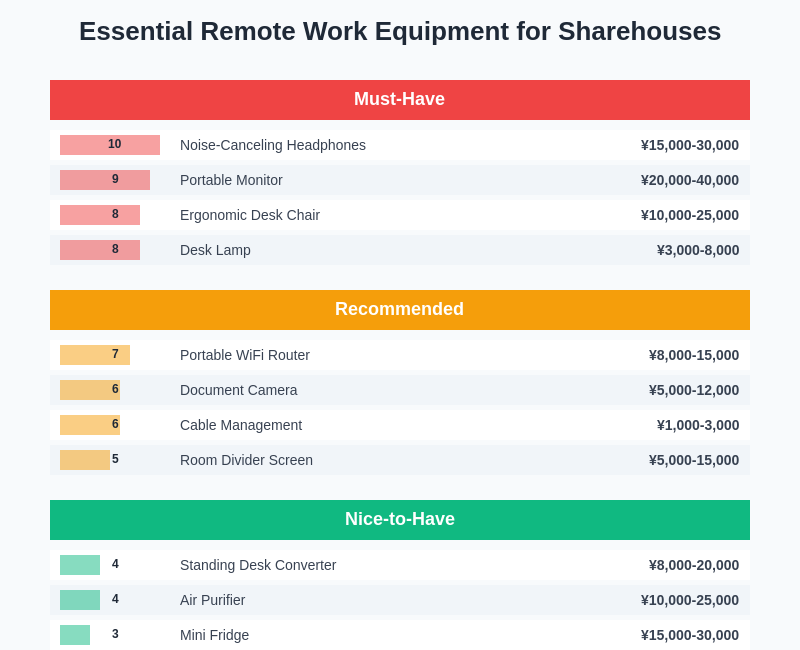
Equipment investment costs for creating productive workspace environments may require significant upfront expenses for monitors, ergonomic furniture, lighting solutions, and noise-canceling equipment that enhance work quality and protect long-term health. These investments often prove worthwhile for full-time remote workers but require careful budget planning.
Insurance considerations around valuable work equipment stored in shared living environments may require additional coverage beyond basic renters insurance, particularly for expensive electronics or specialized professional equipment that could be damaged or stolen.
Long-term Career Development and Housing Flexibility
Remote work capabilities provide greater flexibility in housing choices, allowing professionals to prioritize cultural experiences, community connections, and lifestyle preferences while maintaining career momentum. How career changes affect sharehouse eligibility discusses how evolving professional situations impact long-term housing stability.
Professional growth opportunities through international remote work can enhance resume value and global business experience while living in Tokyo provides access to Asian markets and cross-cultural business skills that benefit long-term career development. How international experience enhances resume value explores strategies for maximizing these advantages.
Housing transition planning becomes important as career progression may eventually require different space arrangements, privacy levels, or location proximity to offices or clients. Understanding your long-term professional trajectory helps inform current housing decisions and prevents costly short-term relocations.
Market evolution in Tokyo’s remote work landscape continues to create new opportunities and challenges for international professionals, with some companies embracing permanent remote arrangements while others return to traditional office-based expectations that could impact housing flexibility and location preferences.
The successful integration of remote work practices within Tokyo sharehouse living requires thoughtful planning, clear communication, and adaptive strategies that respect both professional obligations and community harmony. With proper preparation and realistic expectations, working from sharehouses can provide unique opportunities for career development while experiencing authentic Tokyo culture through meaningful international friendships and shared living experiences.
Disclaimer
This article is for informational purposes only and does not constitute professional tax, legal, or career advice. Remote work regulations, tax obligations, and sharehouse policies are subject to change and may vary by individual circumstances. Readers should consult with relevant professionals regarding specific work arrangements, tax implications, and housing contracts. The effectiveness of strategies mentioned may vary depending on individual work requirements, sharehouse policies, and personal circumstances.